
Main Course Recipes
Filet Mignon with Demi-Glace Sauce
4 servings
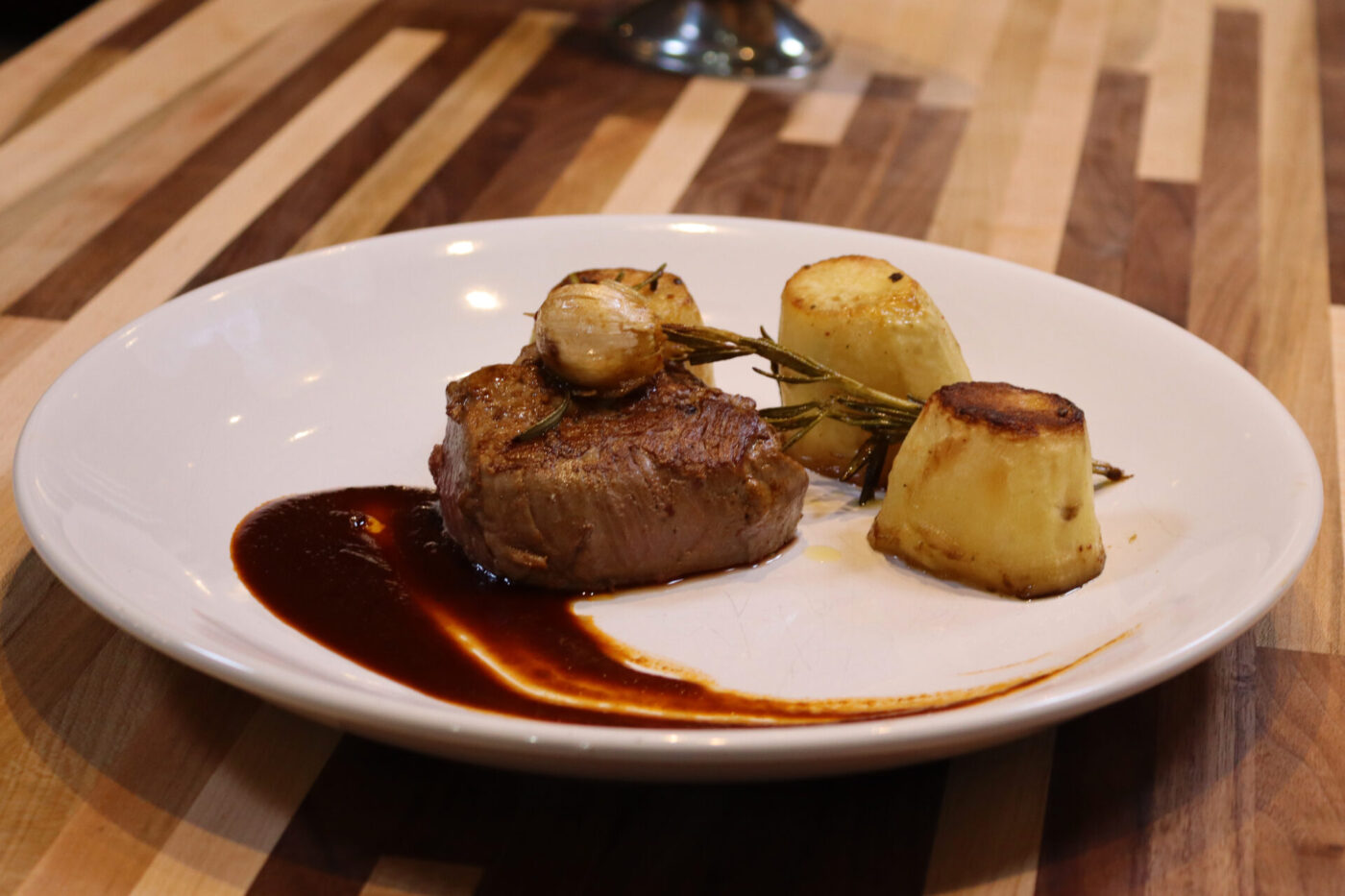
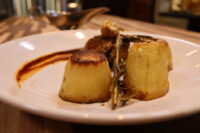
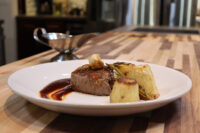
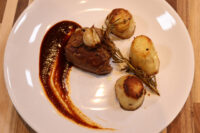
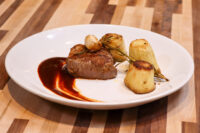
Imagine sinking your fork into the melt-in-your-mouth tenderness of filet mignon, the crown jewel of steaks, then experiencing the rich, velvety embrace of a perfectly crafted demi-glace sauce – that's the royal feast awaiting you when preparing this Filet Mignon with Demi-Glace Sauce. Read More
Main Course Recipes
Gluten-free
Before You Start
Let’s talk about important parts of the recipe before you start…
Welcome to my Filet Mignon with Demi-Glace Sauce
Hello! I am so excited to share my approach to creating the ultimate steak experience right in your home kitchen. When I developed this Filet Mignon with Demi-Glace Sauce, I wanted to capture the absolute magic of fine dining. We will be using beautiful cuts of beef tenderloin and building an incredibly rich demi-glace sauce from scratch using fresh vegetables, red wine, and robust beef stock. Whether you are pairing it with my fondant potatoes or simply enjoying the pan sear steaks on their own, proper meat preparation and patience with the sauce reduction will yield unforgettable results. Let’s get cooking!
Searing Vegetables for the Demi-Glace Sauce
When I start making my Filet Mignon with Demi-Glace Sauce, the very first and crucial step is searing the vegetables. To build a robust foundation for our demi-glace sauce, I use a large pot heated on medi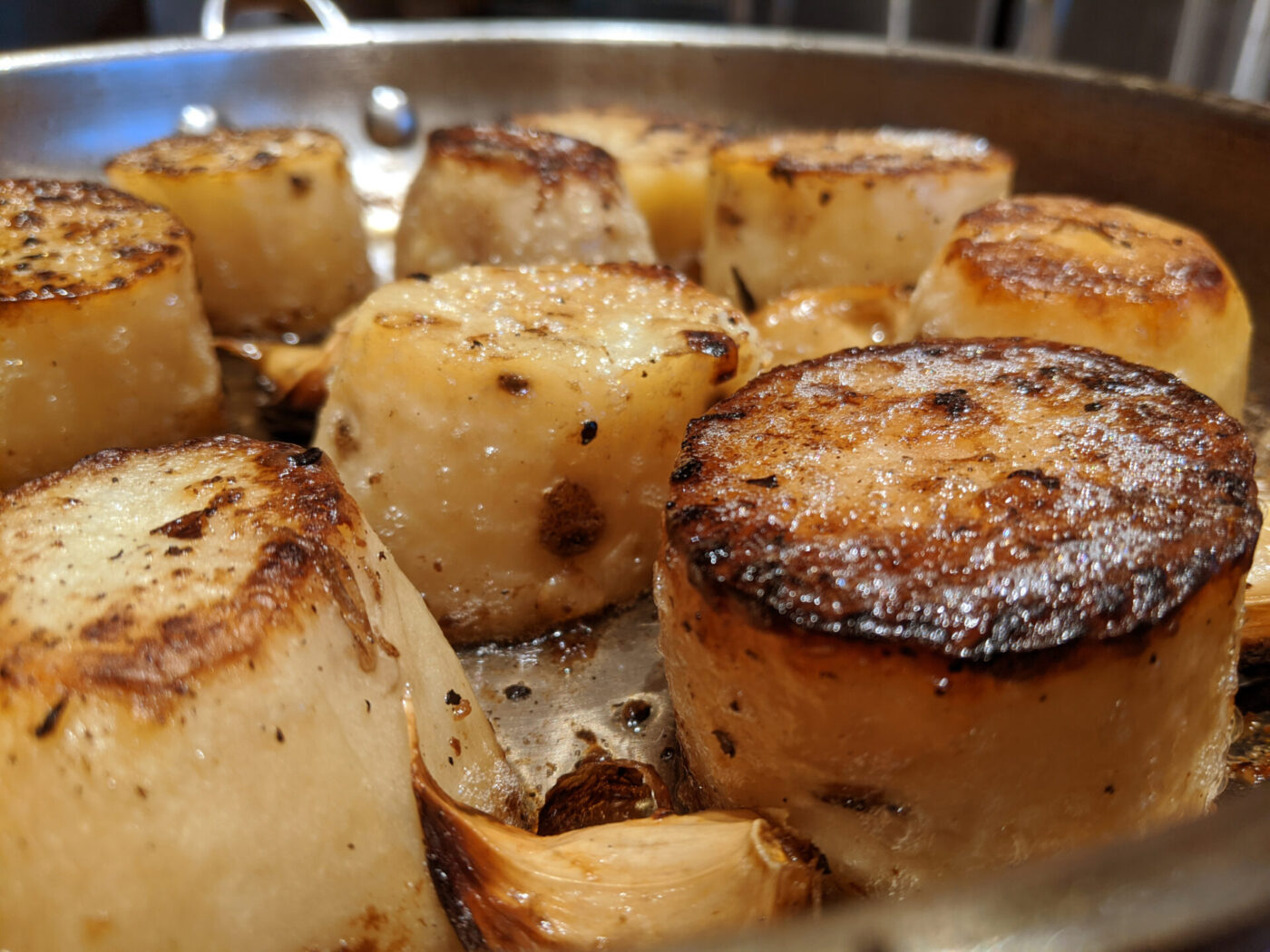 um-high with a quarter cup of frying oil. I toss in a medium quartered onion with the skin on, three large carrots cut into pieces, three celery ribs, and four crushed garlic cloves also keeping their skin. The skin adds incredible color and earthy depth to the final reduction. I let these sear, stirring occasionally, for about three to four minutes until they develop a beautiful caramelized crust. This caramelization is the secret to a rich, complex flavor profile that will eventually mingle with the red wine and beef stock. It sets the stage for the entire dish and elevates the beef tenderloin we will be serving later.
Boiling and Reducing the Demi-Glace Sauce
The soul of this Filet Mignon with Demi-Glace Sauce lies in the patient reduction of the liquids. After searing the aromatics, I introduce twelve cups of high-quality beef stock, a cup of tomato paste, and two and a half cups of red wine. Adding a sprig of rosemary, whole pepper, bay leaves, allspice, and a touch of salt brings an aromatic symphony to the pot. I bring this mixture to a boil, then lower the heat to medium to let it gently boil for about sixty minutes. But the magic truly happens during the finishing stage. I pour the sauce over a strainer into another pot to remove the vegetables and herbs, then place the pot back on high heat. Cooking it down until it reduces to about one-quarter of its original volume takes another twenty to thirty minutes. You must not give up until the demi-glace sauce is thick enough to beautifully coat the back of a spoon. This intense concentration of flavor is what makes the dish a fine dining masterpiece, perfect for drizzling over your pan sear steaks or alongside some fondant potatoes.
Meat Preparation and Marinating at Room Temperature
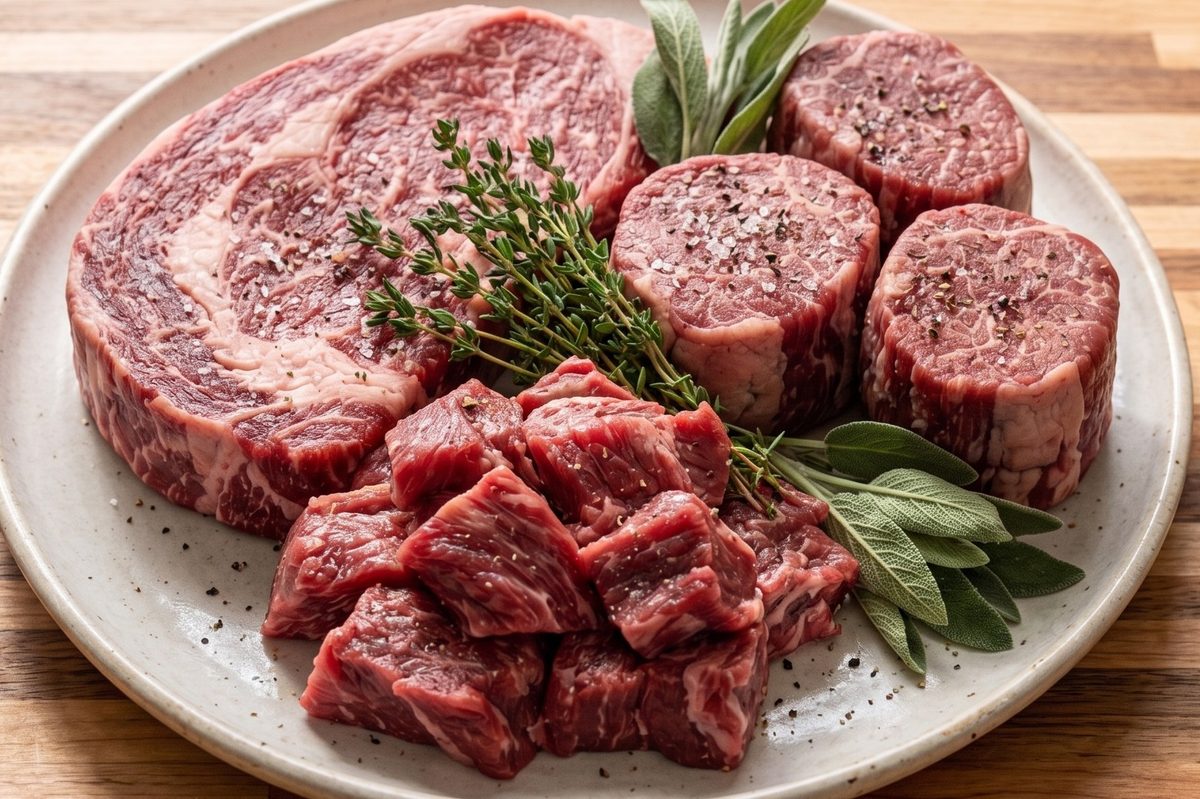
Proper meat preparation is absolutely vital for achieving the melt-in-your-mouth texture that Filet Mignon with Demi-Glace Sauce is famous for. I always start by ensuring the beef tenderloin steaks are properly rinsed under cold water. Then, placing them on a plate, I generously pour extra virgin olive oil over both sides. I cannot stress enough how important it is to be really generous with the salt and freshly ground pepper at this stage—it deeply enhances the natural beef flavors. Once seasoned, I cover the steaks with plastic wrap and let them rest at room temperature for at least thirty minutes, but strictly no longer than one hour. This marinating step is essential to prevent the meat from developing a chewy texture when cooked. Bringing the meat closer to room temperature ensures an even cook from edge to edge once we begin to pan sear steaks.
The Perfect Pan Sear and Oven Finishing Technique
To achieve a steakhouse-quality crust on my Filet Mignon with Demi-Glace Sauce, I rely on a specific two-step cooking method. First, I set my oven to preheat at 350°F. On the stove, I get a large, ovenproof fry pan hot on medium-high heat with two tablespoons of frying oil. I briefly pan sear steaks for about one to two minutes on one side to lock in a beautiful crust. After turning the beef tenderloin, I pour the liquid from the marinade over the steaks and add one slice of butter on each steak. Then, the pan goes straight into the preheated oven. This gentle finishing method cooks the steaks perfectly. In the middle of baking, I make sure to turn the meat and pour the juices from the pan over it to baste the meat. For best results, I add one basting before and one after turning. This technique keeps the steaks incredibly juicy, ready to be paired with our thick demi-glace sauce and perhaps a side of fondant potatoes.
Monitoring the Internal Temperature with a Food Thermometer
The final crucial detail in perfecting this Filet Mignon with Demi-Glace Sauce is accurately tracking the doneness of the beef tenderloin. I always rely on a trusty food thermometer probe to check the internal temperature. Guessing can lead to overcooked meat, which ruins the careful meat preparation we did earlier. The USDA minimum safe internal temperature for beef steaks is 145°F, though you can aim for whatever temperature meets your personal preference. By checking with the food thermometer while it finishes in the oven, I can pull the steaks out at the exact right moment. Once the pan sear steaks are out, I let the meat rest on a cutting board for one to two minutes before serving. I gently preheat the demi-glace sauce to a warm 150°F and assemble everything on the plate. This careful attention to temperature ensures every bite is succulent and pairs flawlessly with the sauce.
Filet Mignon with Demi-Glace Sauce
Ingredients:
Click any ingredient to learn moreFilet mignon:
4 PCS of filet mignon steak (part of the beef tenderloin) (each about 5 to 7OZ and preferably 1 to 1.5" thick * )
2 TBSP of frying oil (any kind) (adjust if needed)
¼ sticks of unsalted butter (1 OZ, sliced into about 4 slices)
Demi-glace sauce:
¼ cup of frying oil (any kind) (adjust if needed)
1 onion - quartered with skin on (medium size)
3 carrots - cut into large pieces
3 carrots - cut into large pieces
4 cloves of garlic - crushed and with the skin
1 cup of tomato paste
12 cups of beef broth/stock
2 ½ cups of red wine of your choice
1 sprig of rosemary
1 TBSP of pepper - whole
½ TSP of allspice - ground
¼ TSP of salt
Optionaly serve with:
4 servings of fondant potatoes (store-bought or recipe here)
Final touch:
pepper - ideally freshly ground
* or replace with more cost-effective beef top sirloin steak.
Tools:
Click any tool to learn more1x Chef’s knife
1x Plate
1x Plastic Wrap
1x Colander
1x Tongs
1x Cooking Spoon (or regular spoon)
Nutrition per 1 Serving:(recipe split into 4 servings)
EstimatedCalories 496
Protein 20.3 g
Fat 27.4 g
Saturated fat 5.6 g
Carbohydrate 41.5 g
Sugars 13.4 g
Fiber 7.4 g
Sodium 1612 mg
Cholesterol 15 mg
Gluten-free
Estimated. Worked out from the ingredients above using the United States Department of Agriculture’s FoodData Central reference data. An estimate, not a measurement — brands, sizes and how much of a marinade actually ends up on the plate all move it.
Directions:
1.Sear Vegetable For Sauce:
Let’s begin preparing Filet Mignon with Demi-Glace Sauce, starting with searing the vegetables for the sauce.
1.1.
Preheat a large pot on medium-high heat with ¼ cup of frying oil and add:
1 medium onion – cut into large pieces with the skin on
3 carrots – cut into large pieces with the skin on
3 celery ribs – cut into large pieces
4 cloves of garlic – crushed with the skin on
Sear with occasional stirring until a nice sear is reached (about 3 – 4 minutes).
2.Boiling the Sauce:
2.1.
Add:
12 cups of beef stock
1 cup of tomato paste
2 ½ cups of red wine
1 sprig of rosemary
1 TBSP of pepper – whole
6 bay leaves
½ TSP of ground Allspice
¼ TSP of salt
Briefly stir and bring to a boil with occasional stirring.
2.2.
Lower heat to medium and let boil for about 60 minutes with occasional stirring.
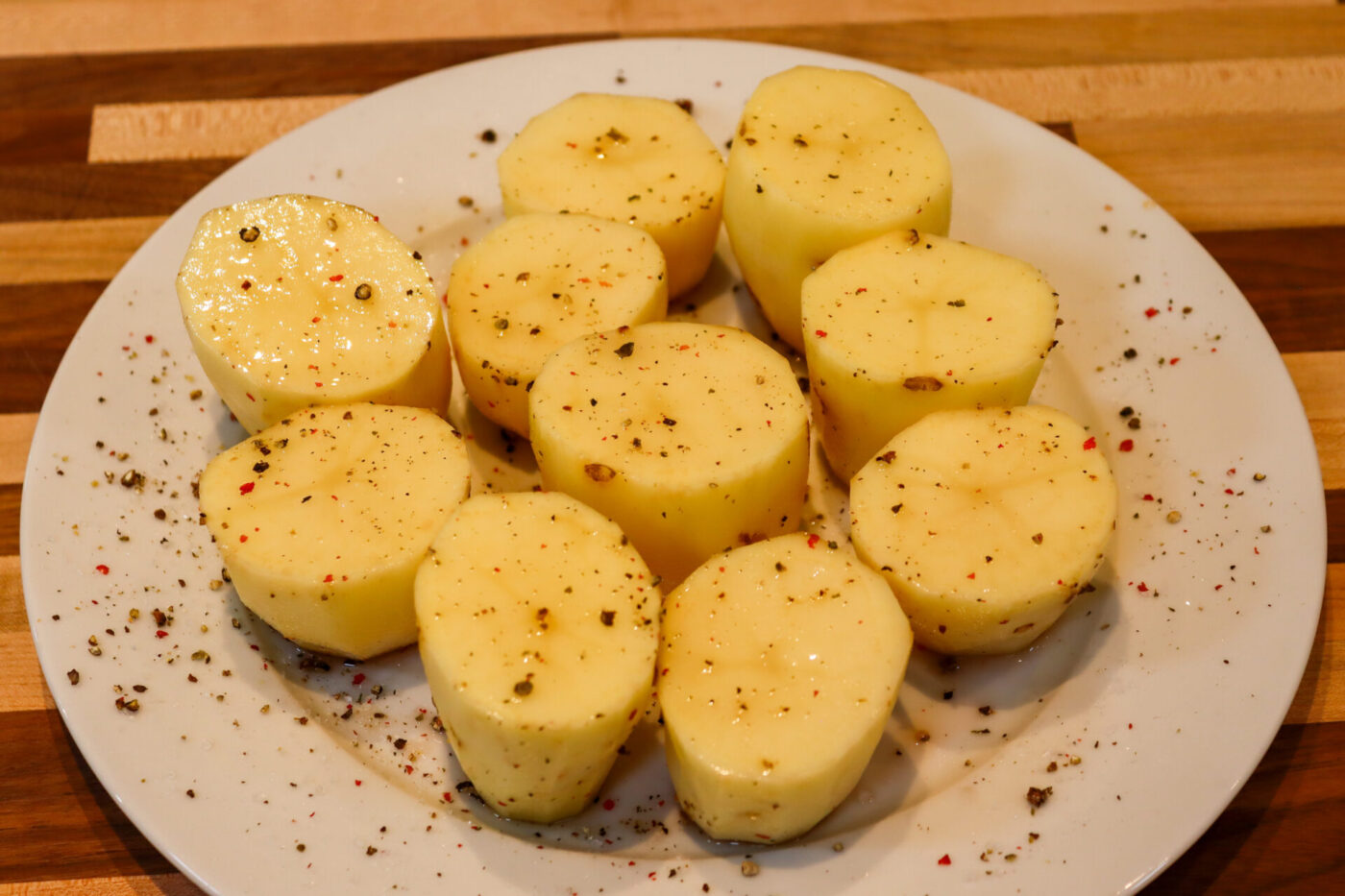
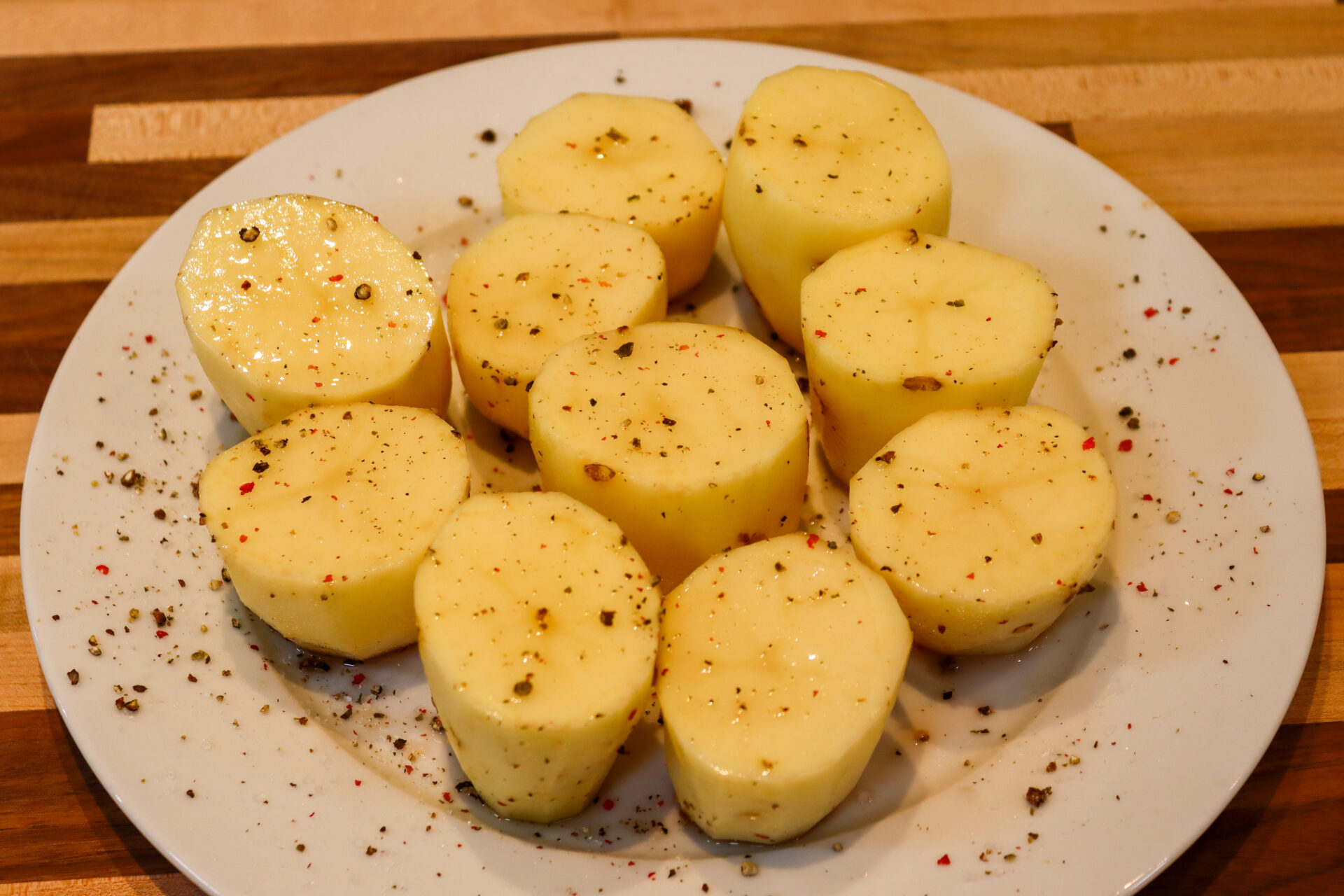
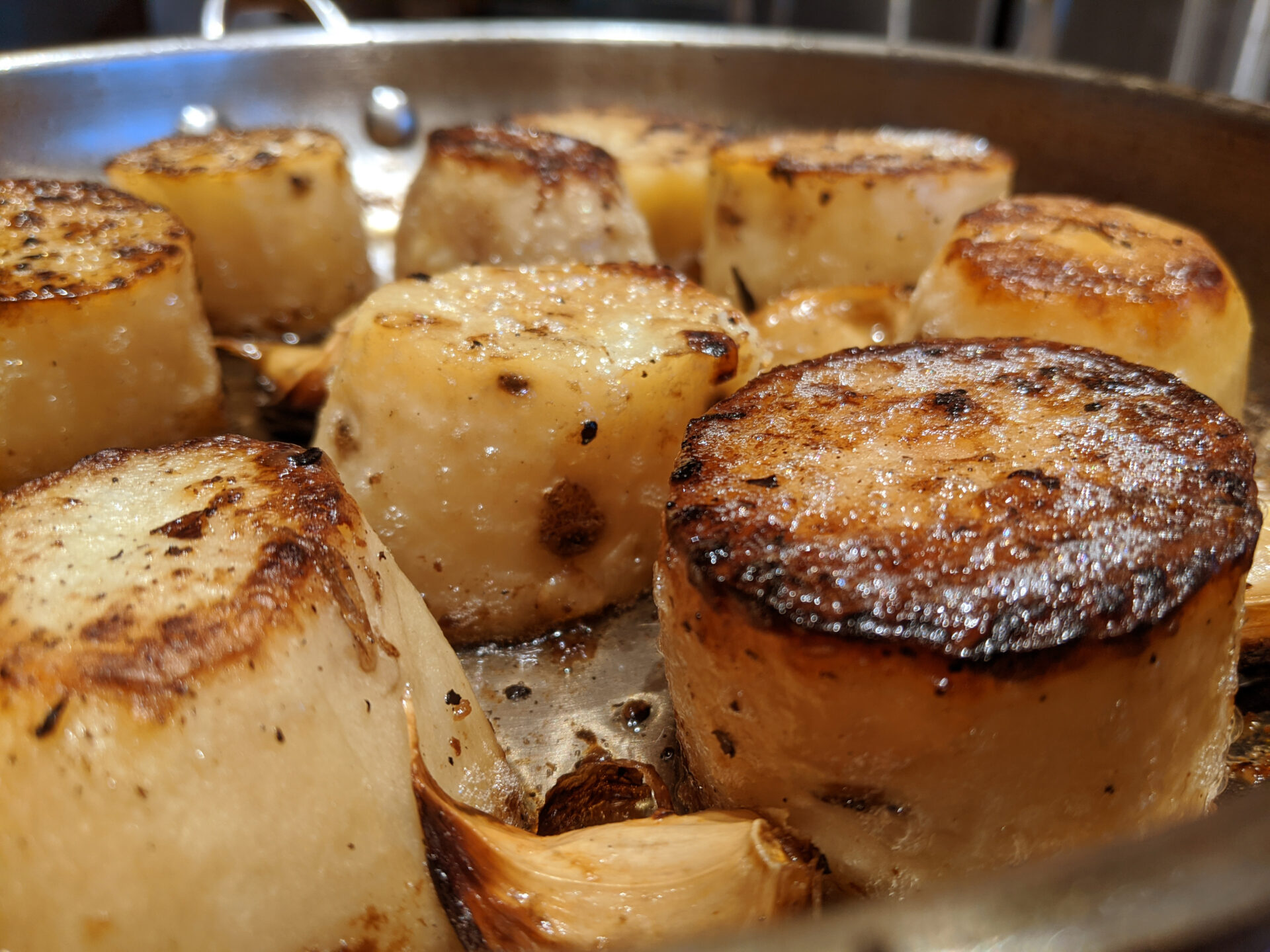
3.Optional Preparation of Fondant Potatoes:
4.Meat Preparation:
4.1.
In about the second half of boiling the sauce, start with meat preparation. First, make sure that meat is properly rinsed under cold water.
4.2.
Place steaks on a plate.
4.3.
Pour and sprinkle these ingredients on both sides of each steak:
Pour Extra Virgin Olive Oil
Generously salt and pepper (especially be really generous with salt — it will help develop the right flavor).
4.4.
Cover the meat with plastic wrap and let rest (marinating) at room temperature for at least 30 minutes, but no more than 1 hour.
Important:
This step is also really important to prevent meat from getting a chewy texture.
5.Finishing the Sauce:
5.1.
Pour sauce over the strainer into another pot to remove vegetables and herbs.
5.2.
Place the pot on high heat and cook with occasional stirring until reduced to ¼ (about 20 – 30 minutes, may take longer, do not give up until thickness is right).
Imporant:
The final sauce should be thick enough to coat a spoon. If necessary, extend the cooking time to reach this result.
5.3.
Taste and add salt and pepper if needed.
5.4.
Set aside for upcoming serving (leave in the pot).
6.Pan Sear Steaks with Finishing in the Oven:
6.1.
Set oven to preheat at 350°F.
6.2.
Preheat the fry pan on medium-high heat with 2 TBSP of frying oil and add:
Steaks
Briefly sear steaks on one side until a nice sear is reached (about 1 – 2 minutes).
6.3.
Then turn steaks and pour the liquid from the marinade over the steaks.
6.4.
Add 1 slice of butter on each steak, and then let it finish in a preheated oven until the meat reaches the desired internal temperature. *
Important:
In the middle of baking, turn the meat and pour the juices from the pan over (baste the meat). For best results, add one basting before and one after turning.
6.5.
6.6.
7.Assemble Filet Mignon with Demi-Glace Sauce:
7.1.
Gently preheat demi glass sauce to warm (not hot temperature). About 150°F would be a great option.
7.2.
Let the meat rest on a cutting board for about 1 – 2 minutes before serving. Then, optionally, slice each steak for serving.
7.3.
Place sauce on each plate (or place it into the bowl to be served aside).
7.4.
Place steaks on the plate and sprinkle with salt and pepper.
7.5.
Add fondant potatoes or any other side you’ve prepared.
Kitchen Guide
Beef, Lamb, Venison (steaks, chops, roast)
The USDA minimum safe internal temperature is 145°F.
Popular serving temperatures:
- 110 – 120°F – Blue
- 120 – 130°F – Rare
- 130 – 135°F – Medium Rare (most popular, especially by chefs)
- 135 – 145°F – Medium
- 145 – 155°F – Medium Well
- 155°F and more – Well Done
Popular questions
Can I use a different cut of meat for this recipe if I do not have beef tenderloin?
Yes! While I designed this Filet Mignon with Demi-Glace Sauce specifically for the exceptionally tender filet mignon, I understand you might want an alternative. As a modification that is not in the recipe, you can replace the filet mignon with a more cost-effective beef top sirloin steak. Keep in mind that this is a modification that is not part of the recipe, but your meat preparation and the exact steps to pan sear steaks and track the internal temperature with a food thermometer will remain exactly the same.
Share
Click on the icons below to share "Title of the item to share"