
Main Course Recipes
Fettuccine Alfredo with Salmon
4 servings
Delicious Fettuccine Alfredo with Salmon! As a chef, I am thrilled to help you say goodbye to processed alfredo sauce and prepare alfredo pasta like a real Italian. Are you worried that it will be too difficult and time consuming? You will be greatly surprised. Why? Because authentic alfredo sauce is not really a sauce at all! We just add warm heavy cream to cooked store-bought pasta or homemade pasta, along with our beautifully marinated salmon fillets, a touch of Extra Virgin Olive Oil, and lots of grated parmesan. Everything comes together in just 25 minutes of prep and 25 minutes of cooking. Read More
Main Course Recipes
Before You Start
Let’s talk about important parts of the recipe before you start…
Welcome to My Easy Recipe for Fettuccine Alfredo with Salmon
Hello everyone, it is Tom the Chef here, and I am incredibly excited to share my absolute favorite way to prepare Fettuccine Alfredo with Salmon right in your own kitchen! We are going to make a beautiful alfredo pasta that skips all the heavy, processed store-bought jars. I always tell my students that making a great alfredo sauce is incredibly easy because it is not really a traditional sauce you simmer for hours. Instead, we use a touch of Extra Virgin Olive Oil to sauté our diced salmon fillets, and then we simply add warm heavy cream and parmesan cheese directly to the hot homemade pasta or store-bought pasta off the heat. This method guarantees a rich, creamy, and deeply flavorful dish every single time. It is a wonderfully simple technique that requires minimal tools like a large fry pan and a colander, but yields gorgeous, restaurant-quality results seasoned perfectly with freshly ground pepper!
1. Marinating and Preparing the Salmon Fillets
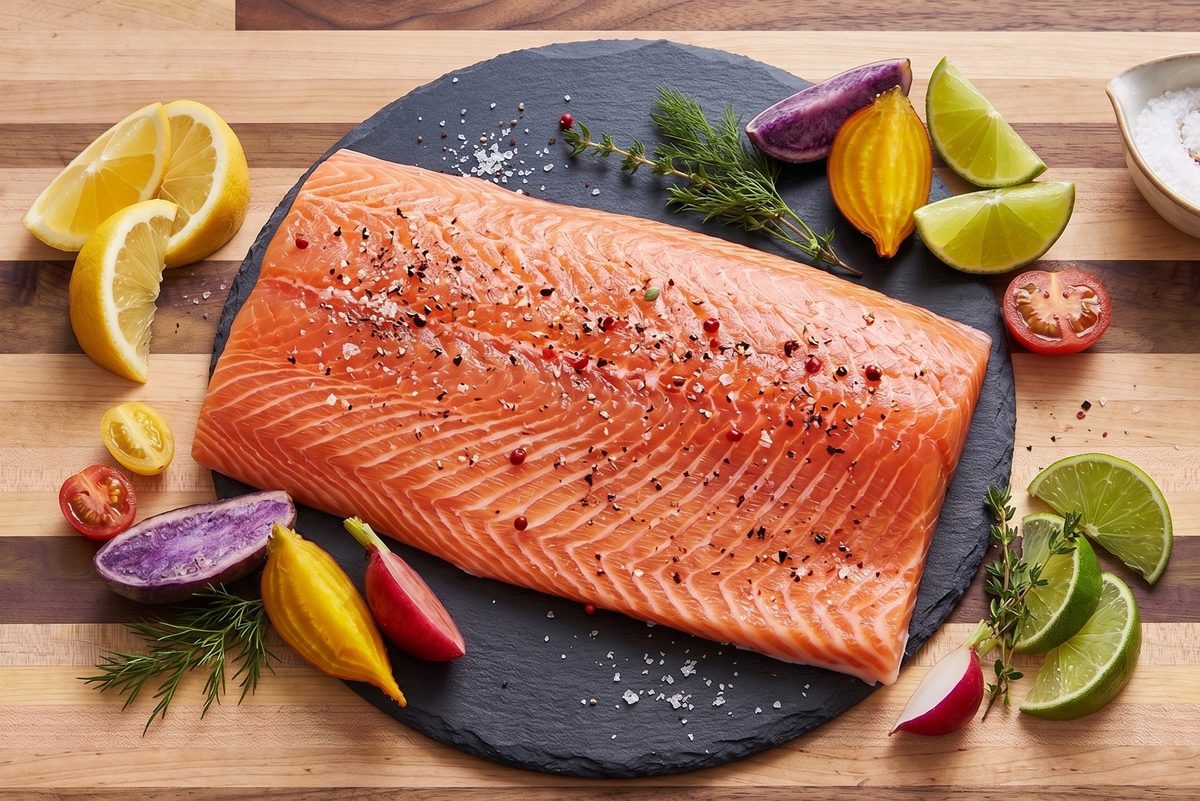
The very first step to creating an outstanding Fettuccine Alfredo with Salmon is giving our protein the attention it deserves. I always start by ensuring my 2 skinless and boneless salmon fillets are properly rinsed under cold water. Then, using a chef’s knife and cutting board, I cut the salmon fillets into half-inch to three-quarter-inch dice. Placing them into a medium mixing bowl, I add 2 tablespoons of Extra Virgin Olive Oil, the juice from one large lemon, half a teaspoon of salt, and half a teaspoon of freshly ground pepper. I thoroughly stir everything together with a spatula until fully incorporated, which takes about one to two minutes. I leave this to rest on the countertop while I prepare the other parts of the meal, just making sure the room temperature does not go over 72 degrees Fahrenheit.
2. The Crucial Step for Perfect Pasta
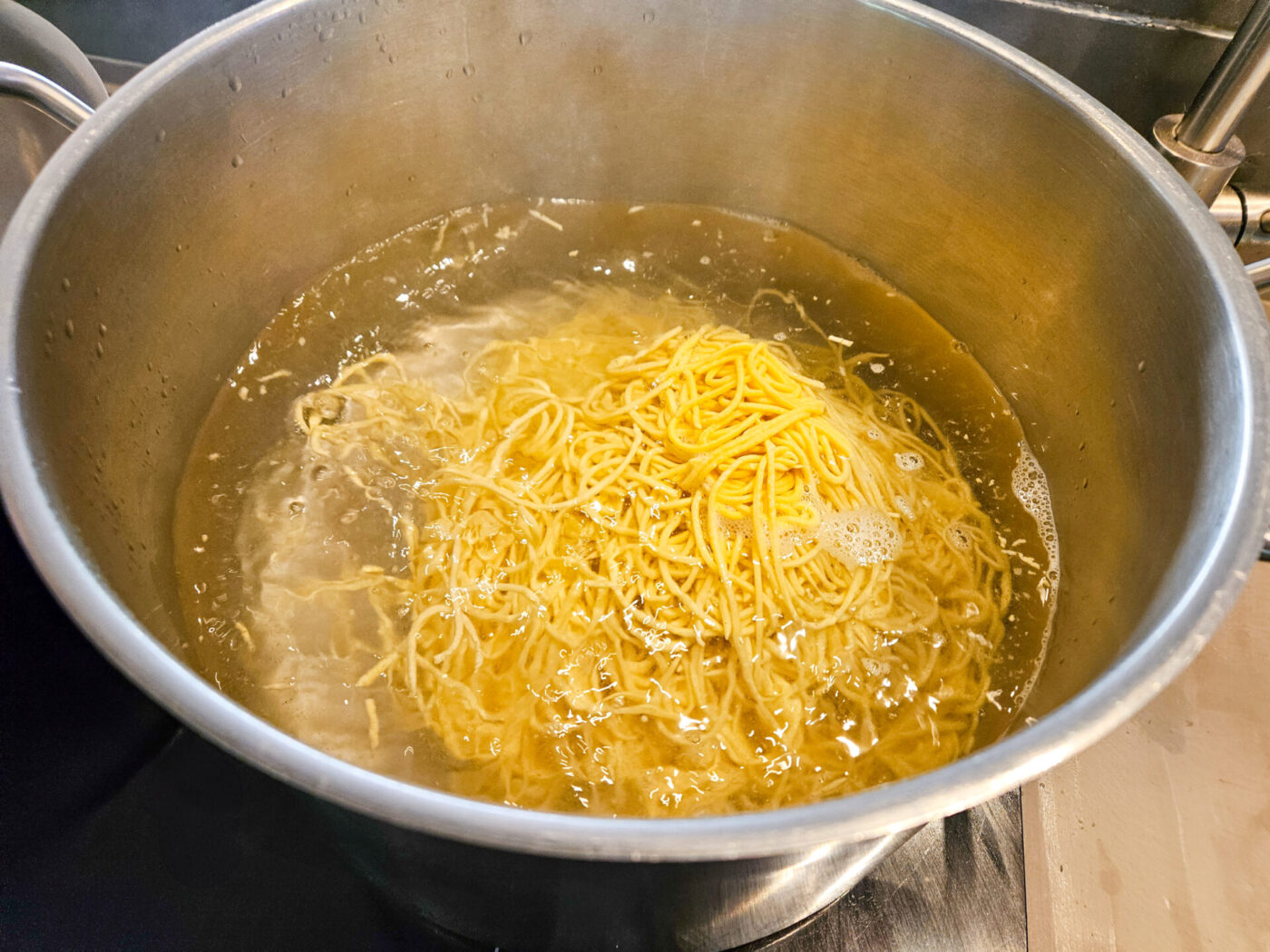
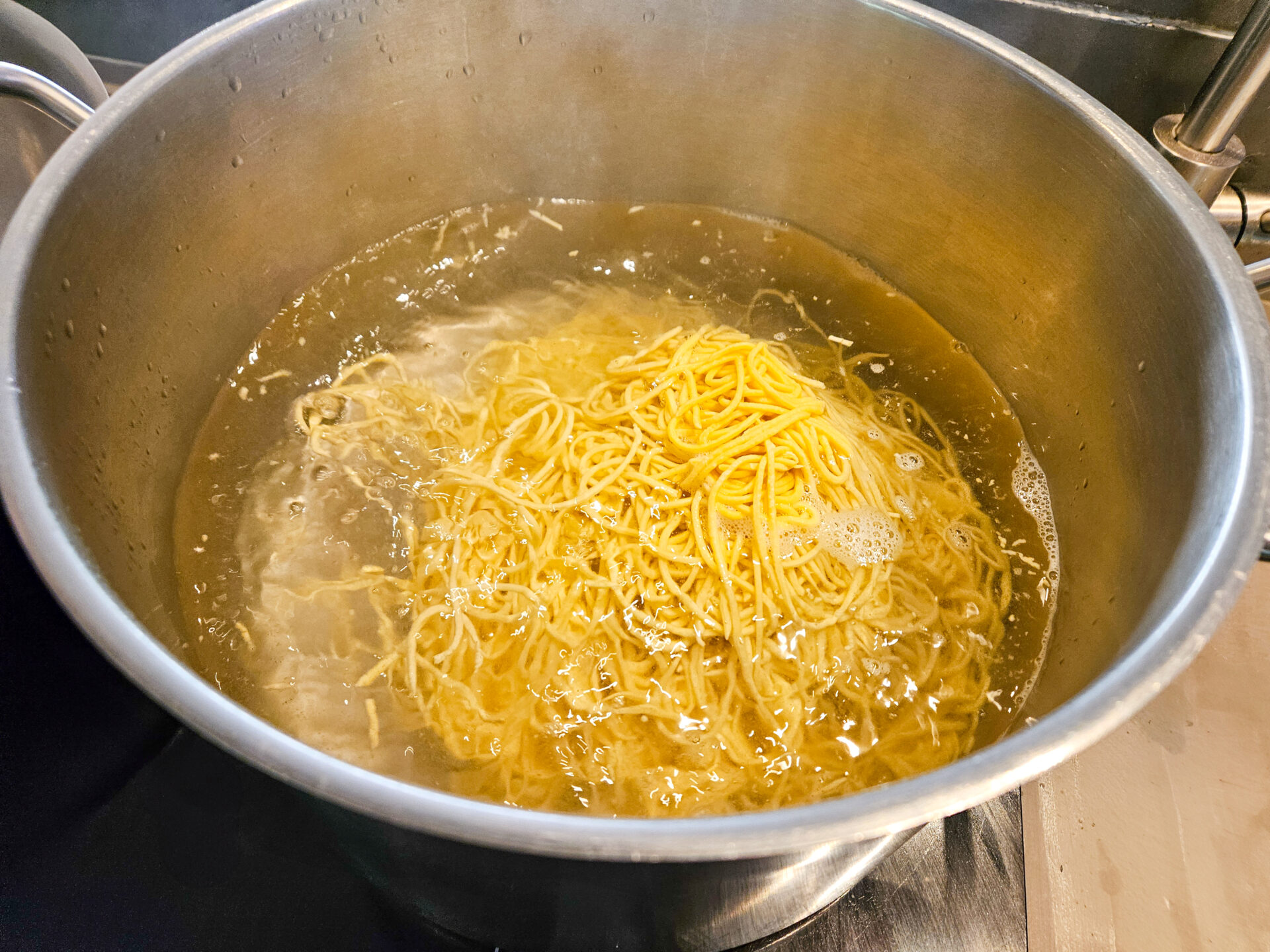
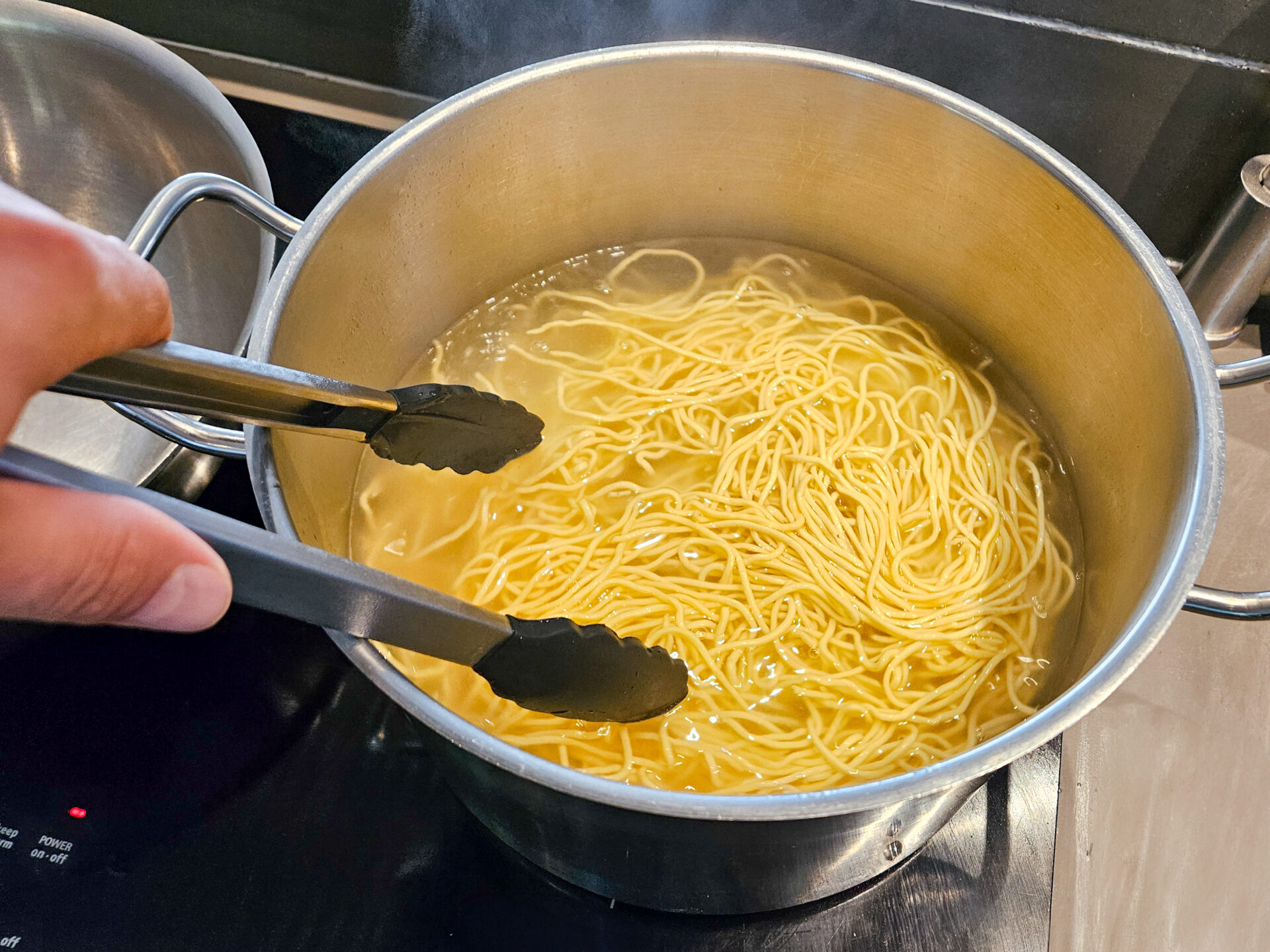
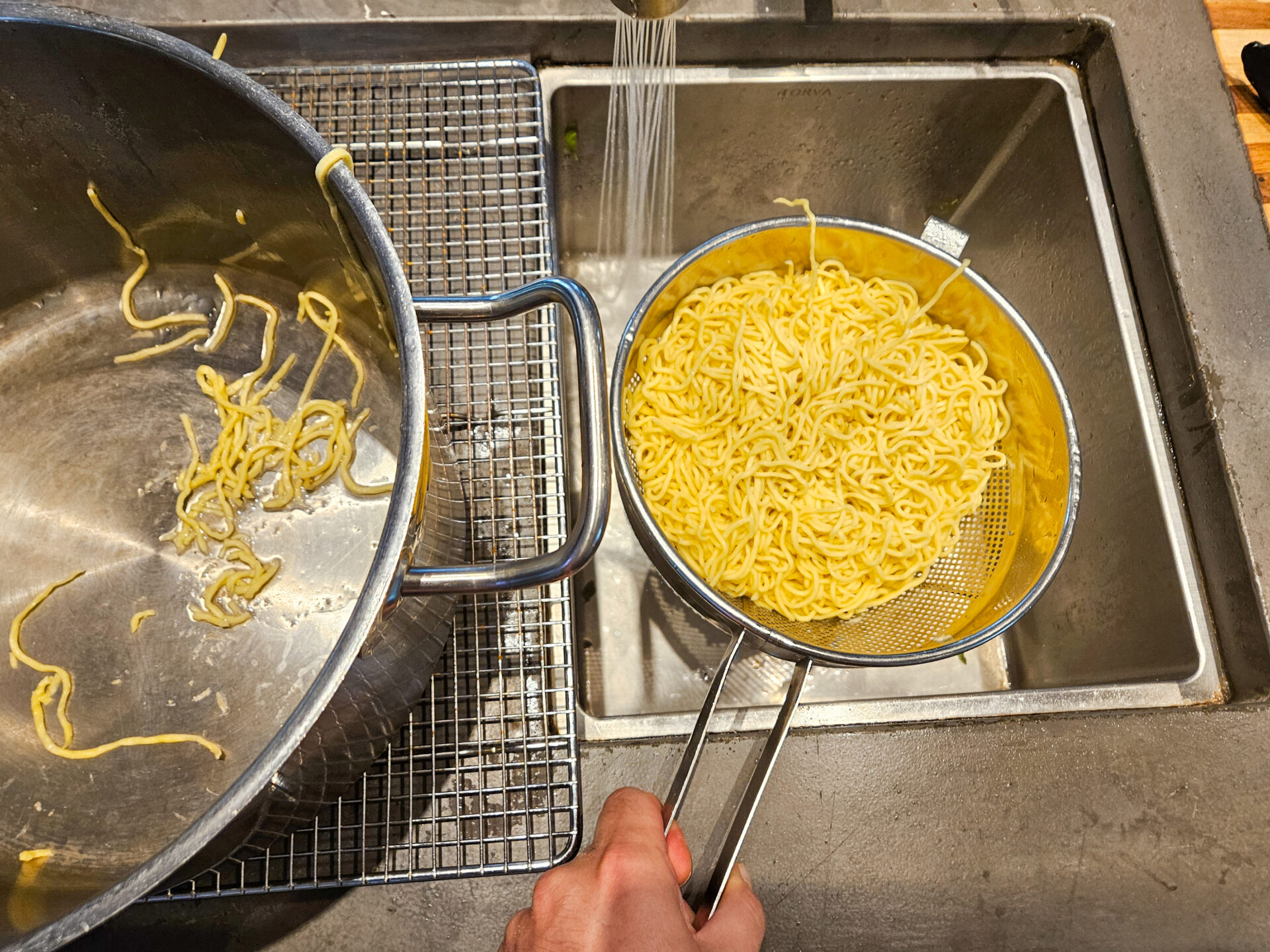
Whether you choose to use 4 servings of a high-quality store-bought pasta or take the time to prepare my homemade pasta dough, the boiling and draining process is critical for your alfredo pasta. You will boil the pasta in a large pot following the instructions for your specific type. Once cooked, drain the water by pouring the pasta over a colander or strainer. Here is my most important rule: do not leave the pasta to rest in the colander! Because of the high residual temperature, it is still cooking, and resting in the colander will result in overcooked, mushy pasta. You must use the pasta immediately in the next step, or if you need more time, spread it out to cool on a baking sheet. (If you prefer to add a vegetable like roasted broccoli florets to your dish at this stage, please note that this is a modification that is not part of the recipe, but it pairs beautifully!)
3. Sautéing the Salmon Fillets and Peas
Once the components are prepped, it is time to bring the savory flavors together in a large sauté pan or stir fry pan. I preheat the pan on medium-high heat with 4 tablespoons of frying oil. Then, I add the diced salmon fillets along with all of that bright, citrusy marinade right into the hot pan. I stir fry this with occasional stirring until the fish is fully cooked, which usually takes about 4 to 5 minutes. Because the meat is cut into small pieces, it is very easy to tell when it is done, but if you are ever unsure, just simply cut a random piece in the middle to check. At this point, I optionally add 1 cup of fresh or defrosted peas and cook for an additional 30 seconds to lock in their vibrant color and slight crunch.
4. Marrying the Pasta with the Base
Now that our salmon fillets are perfectly cooked, it is time to introduce our cooked store-bought pasta or homemade pasta to the pan. I reduce the heat on my stove down to medium to prevent anything from scorching. I add the drained pasta directly into the pan with the fish and peas. I sauté everything together for about 1 to 2 minutes, but I make sure to constantly turn the mixture with silicone-tipped tongs. This constant turning is a vital step because it coats the noodles evenly in the cooking oils and pan juices, completely preventing the delicate strands from sticking to the pan or to each other.
5. Crafting the Authentic Alfredo Sauce Off the Heat
This is where the magic happens and where you will see that a true alfredo sauce is not really a sauce that you boil down! I take the pan completely off the burner, leaving all the pasta and salmon inside. To the hot pan, I add 2 cups of warm heavy cream, 1 clove of grated garlic, 1 cup of grated parmesan, a pinch of ground nutmeg, half a teaspoon of salt, and half a teaspoon of freshly ground pepper. Using my tongs, I thoroughly stir everything together. The residual heat of the pan and the pasta gently melts the grated parmesan into the warm heavy cream, creating a luxuriously thick and glossy alfredo pasta coating without splitting or curdling. I always taste it at this stage and add extra salt or pepper if needed.
6. Plating and Garnishing for a Professional Finish
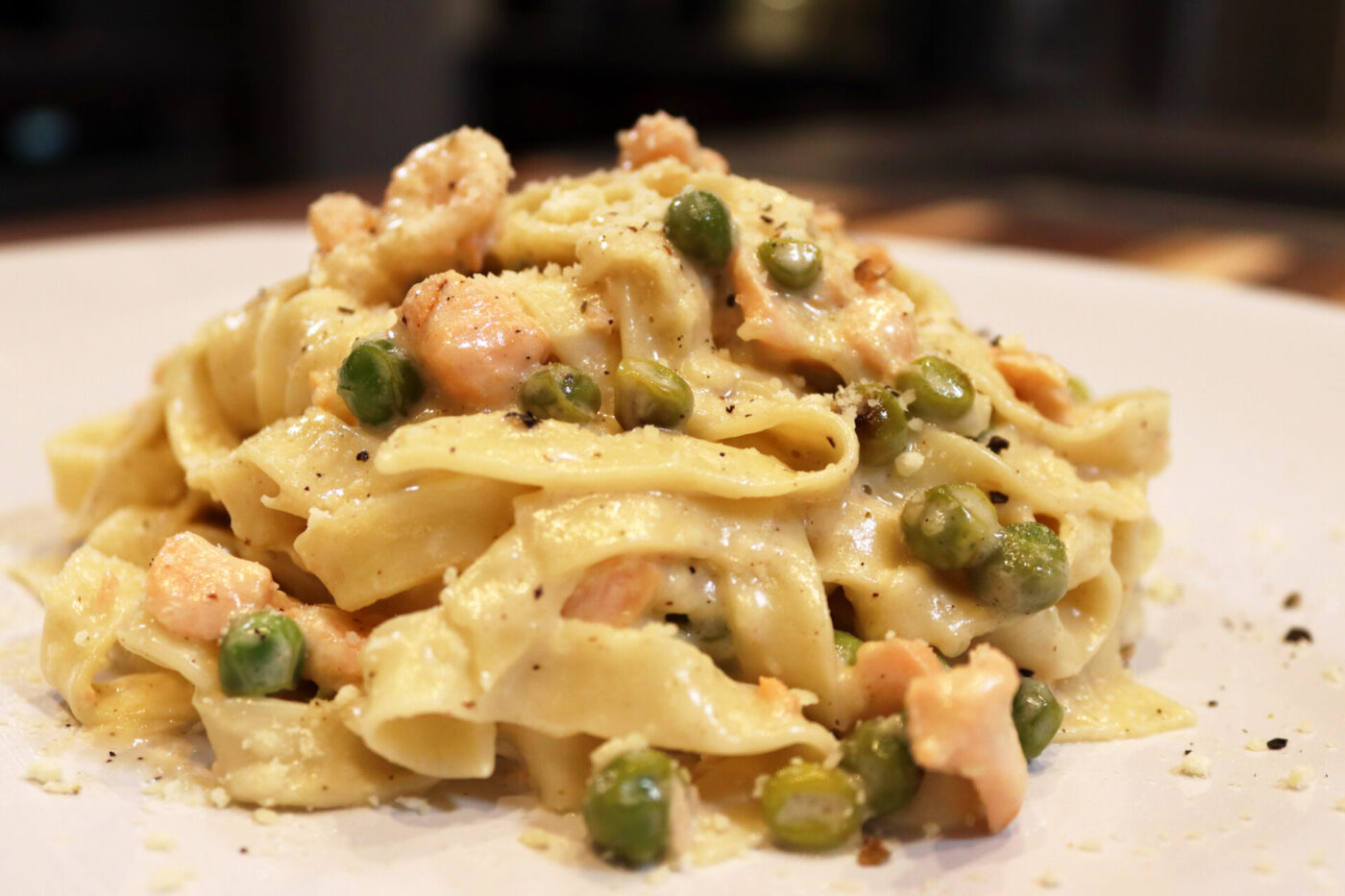
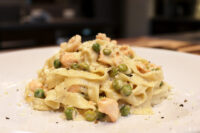
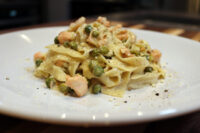
Serving this Fettuccine Alfredo with Salmon beautifully is the final reward for your effort. I love using my tongs to pick up a generous portion of the creamy noodles and placing them right in the center of the plate. As I lower the noodles, I try to create a gentle twist effect, which builds an elegant, towering presentation just like you would see in a high-end restaurant. To finish the dish, I sprinkle the top with an additional 4 tablespoons of parmesan cheese (adjusting if I feel like it needs a bit more), along with a final dusting of freshly ground pepper and salt. I highly recommend serving this meal with a fresh herb baguette to soak up any remaining cream on the plate!
Fettuccine Alfredo with Salmon
Ingredients:
Click any ingredient to learn moreSalmon:
2 fillet of salmon - skinless and boneless
2 TBSP of Extra Virgin Olive Oil
½ TSP of salt
½ TSP of pepper
Fettucine alfredo:
4 servings of fettuccine (store-bought or recipe here, Optionally substitute with tagliatelle, spaghetti, linguine fini, or another kind of pasta)
4 TBSP of frying oil (any kind) (adjust if needed)
1 cup of peas - fresh (or defrosted frozen) (defrost in microwave)
2 cups of heavy cream
1 clove of garlic - peeled and grated (or pressed)
1 cup of parmesan cheese
Pinch of nutmeg - ground
½ TSP of salt
½ TSP of pepper - ideally freshly ground
Final touch:
4 TBSP of parmesan cheese (adjust if needed)
pepper - ideally freshly ground
Nutrition per 1 Serving:(recipe split into 4 servings)
EstimatedCalories 761
Protein 15.1 g
Fat 72.4 g
Saturated fat 34.5 g
Carbohydrate 15.9 g
Sugars 6.4 g
Fiber 3.1 g
Sodium 995 mg
Cholesterol 162 mg
Estimated. Worked out from the ingredients above using the United States Department of Agriculture’s FoodData Central reference data. An estimate, not a measurement — brands, sizes and how much of a marinade actually ends up on the plate all move it.
Directions:
1.Protein Preparation:
1.1.
1.1. Make sure that the salmon fillets are properly rinsed under cold water.
1.2.
Cut fillets into dice (size about ½ – ¾”) and place them into a medium mixing bowl.
1.3.
Add:
2 TBSP of Extra Virgin Olive Oil
Juice from one large lemon
½ TSP of ground pepper
½ TSP of salt
Thoroughly stir together with a spatula until fully incorporated (about 1- 2 minutes).
1.4.
Set aside on the countertop until you prepare other parts of the meal. Make sure that the temperature in the room doesn’t go over 72° F.
2.Pasta Preparation:
2.1.
Cook your pasta (follow the instructions on the box for cooking store-bought pasta) and then drain the water by pouring pasta over the colander.
2.2.
Or prepare and cook homemade pasta. Then drain with the colander.
Important:
Do not leave pasta to rest in the colander. It is still cooking (because of the hot temperature of the pasta) and you can end up with overcooked pasta. Use the pasta immediately in the next step or place the pasta to cool on a baking sheet if you need more time.
3.Complete the Meal:
3.1.
Preheat a fry pan on medium-high heat with 4 TBSP of frying oil and add:
Salmon from the previous step (together with the marinade)
Stir fry with occasional stirring until it is fully cooked (about 4 – 5 minutes).*
3.2.
Optimally add:
1 cup of peas
And cook for additional 30 seconds.
3.3.
Reduce heat to medium and add:
Cooked pasta
Sauté for about 1- 2 minutes while constantly turning with tongs (to prevent sticking).
3.4.
Take the pan off the burner (but leave the pasta in the pan) and add:
2 cups of warm heavy cream
1 clove of garlic – grated
1 cup of grated parmesan
Pinch of ground nutmeg
½ TSP of salt
½ TSP of ground pepper
Thoroughly stir together using tongs.
3.5.
Taste and add salt or pepper if needed.
4.Serving:
4.1.
Place pasta in the center of the plate using tongs (try to create a twist effect during plating).
4.2.
Sprinkle with grated parmesan and freshly ground salt and pepper.
* You should have an easy time to determine if the meat is cooked since it is cut into small pieces. If you are not sure by looking, just simply cut a random piece in the middle.
Kitchen Guide
Fish
USDA minimum safe internal temperature is 145°F
Popular serving temperatures:
- 110 – 125°F – Rare
- 125 – 140°F – Medium Rare
- 145 – 155°F – Medium
Popular questions
Do I need to buy a jar of processed sauce or cook a complicated roux for this alfredo pasta?
Absolutely not! As I always say, you can say goodbye to processed alfredo sauce because preparing this dish like a real Italian is incredibly easy. Authentic alfredo sauce is not really a sauce that you simmer for hours. Instead, we simply take our pan off the heat and add 2 cups of warm heavy cream, 1 cup of parmesan cheese, and grated garlic directly to our hot store-bought pasta or homemade pasta. The residual heat gently melts the grated parmesan into the heavy cream, creating a flawless, rich coating for the salmon fillets without any risk of the dairy separating or curdling.
Share
Click on the icons below to share "Title of the item to share"