
Side Recipes
Czech Bread Dumpling Houskovy Knedlik Recipe
2 regular dumplings or more shorter ones - about 15 - 20 slices (4 servings)
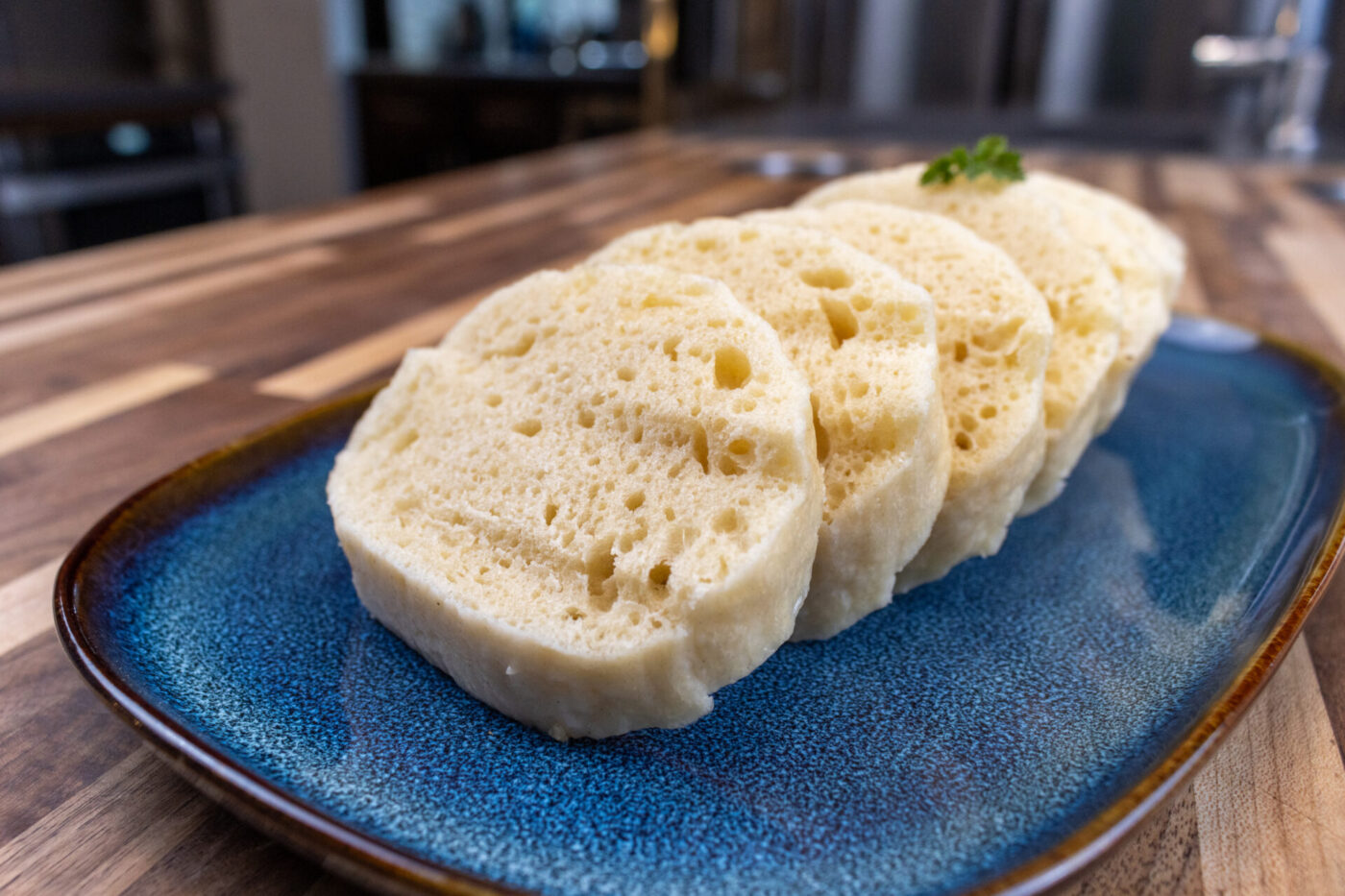
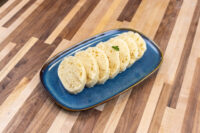
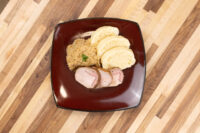
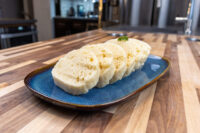
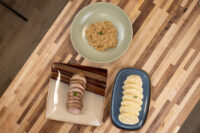
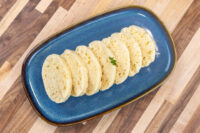
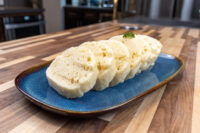
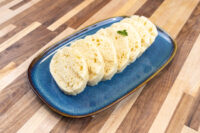
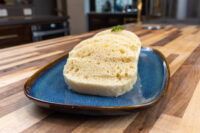
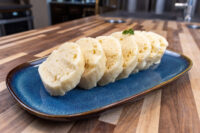
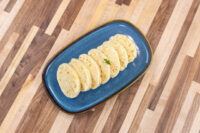
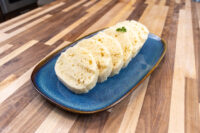
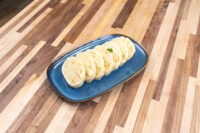
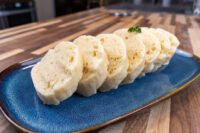
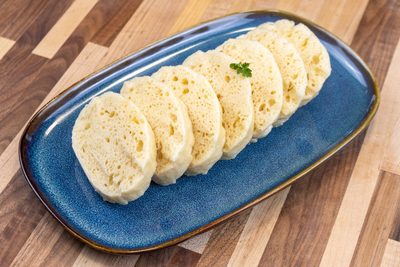
I'm often asked about my Czech Side Bread Dumpling recipe, also known as Houskový Knedlík. My answer is always the same: Yes, it takes a little work, but it is not that hard, and the result is totally worth it! This is a really common side dish in central European countries, and for good reason. Unlike smaller dumplings, this one is cooked in a single large piece and then sliced for serving. It's the perfect accompaniment for any dish with a warm sauce, and it's fantastic when sautéed as well. This recipe will guide you through making this authentic and delicious staple of Czech cuisine. Read More
Side Recipes
Vegetarian
Before You Start
Let’s talk about important parts of the recipe before you start…
Bringing a Taste of Central Europe to Your Kitchen: My Czech Side Bread Dumpling Recipe
Hello, I’m Tom Slepicka, and today I want to share a recipe that is fundamental to Czech cooking: the Czech Side Bread Dumpling, or Houskový Knedlík. While it might seem intimidating, I want to assure you that it is not that hard to make, and the reward is a wonderfully soft, absorbent dumpling that is unlike anything else. This yeasted dough, studded with pieces of bread, is gently boiled or steamed in a large log shape before being sliced. In Central Europe, this is a very common side dish. It serves as the perfect vessel for soaking up the rich, warm sauces of classic Czech dishes, but its versatility doesn’t stop there. Follow along with my dumpling recipe, and I’ll show you how to master this essential how to make dumplings technique.
The Secret to Texture: Using Old Bread
One of the most important tips for my Czech Side Bread Dumpling recipe is to use old bread, and even a hard one is best. This isn’t just a great way to prevent food waste; it also helps you reach better results with your final dumpling. Drier, older bread holds its shape better when soaked and incorporated into the dumpling dough, providing a wonderful texture. I start by cutting the bread into dices about ½ to 1 inch big. You’ll need about 2 cups, but you can use even more, up to 3 cups. Then, I place the diced bread into a medium mixing bowl, add ¼ cup of milk, and fold them together gently with a spatula before setting it aside for a later step.
Creating the Yeasted Dumpling Dough
The foundation of this Houskový Knedlík is a soft, yeasted dough. I prefer to use a kitchen mixer with a hook attachment for this process. In the mixer bowl, I combine all the dry ingredients: 2 cups of bread flour, 1 teaspoon of confectioners’ sugar, 2 teaspoons of active dry yeasts, and 1 teaspoon of salt. I give these a brief stir with a whisk for about a minute, just to combine them evenly. Then, I add the wet ingredients: 1 large egg and ¾ cup of lukewarm milk, which should be between 90 to 100°F. I knead this on low speed for 1 to 2 minutes until everything is partially incorporated, then increase the speed to medium-high and knead for another 1 to 2 minutes until a proper dough is formed.
Incorporating the Soaked Bread
Once the initial dumpling dough has formed, it’s time to add the soaked bread we prepared earlier. I add the bread, along with any excess liquid from the bowl, directly into the mixer. It’s important to do this step correctly to maintain the integrity of the bread pieces. I knead the mixture at a slow speed for about one minute, just until the bread is nicely combined and distributed throughout the yeasted dough without being completely broken down. This step ensures you’ll have those distinct, soft pockets of bread in the finished Czech dumplings.
The First Rise: Letting the Dough Develop
Like any good yeasted dough, our dumpling dough needs time to rise. After the bread is incorporated, I remove the bowl from the mixer. I cover the bowl with plastic wrap to prevent the dough from drying out. It’s a good idea to poke some holes in the plastic wrap to let the dough breathe a little as the yeast works. Then, I place the bowl in a warm place and let it rise until it has doubled in size. This process can take about 2 to 3 hours, so patience is key. This slow rise is essential for developing the light and airy texture of the final Czech Side Bread Dumpling.
Shaping the Dumplings and the Second Rest
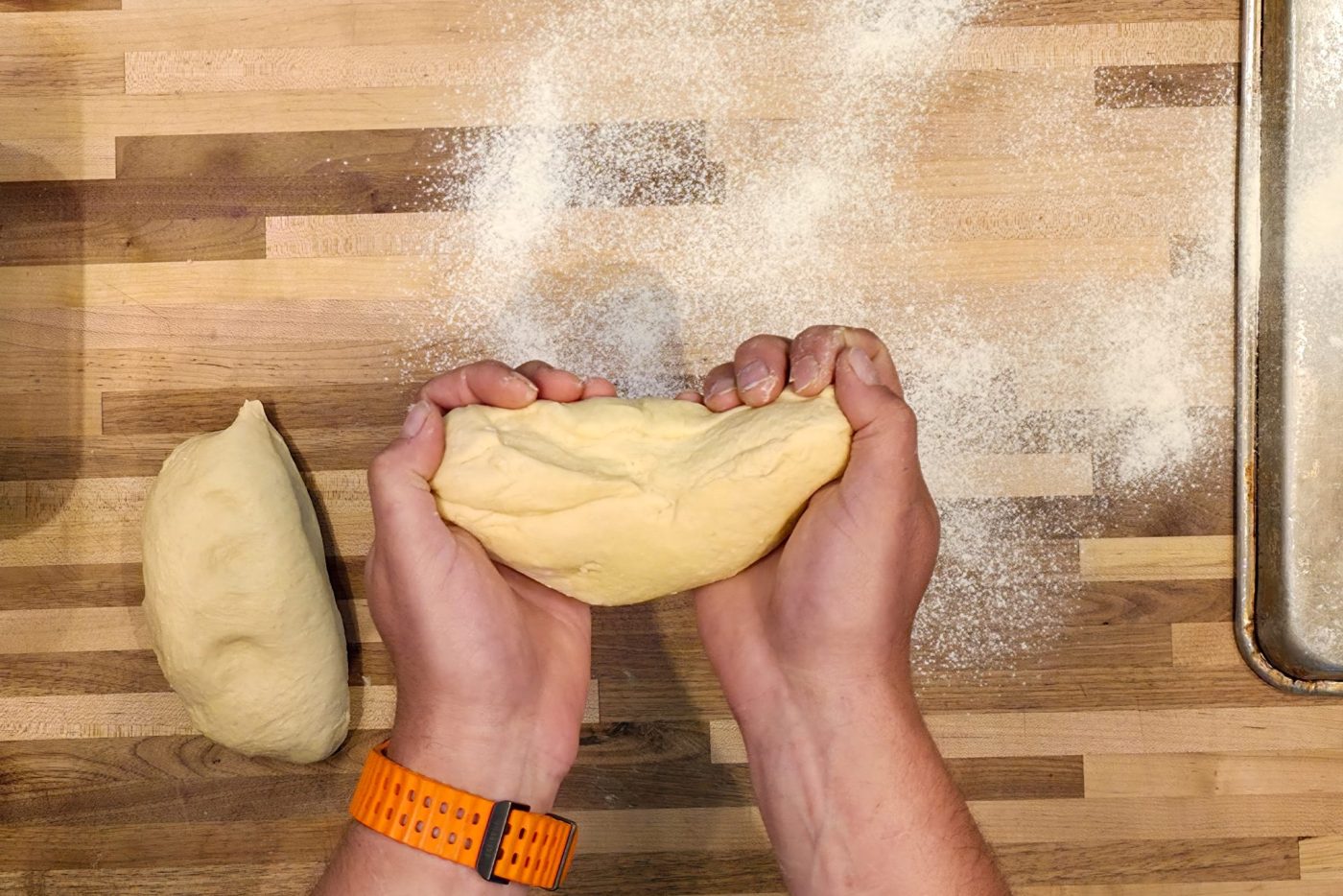
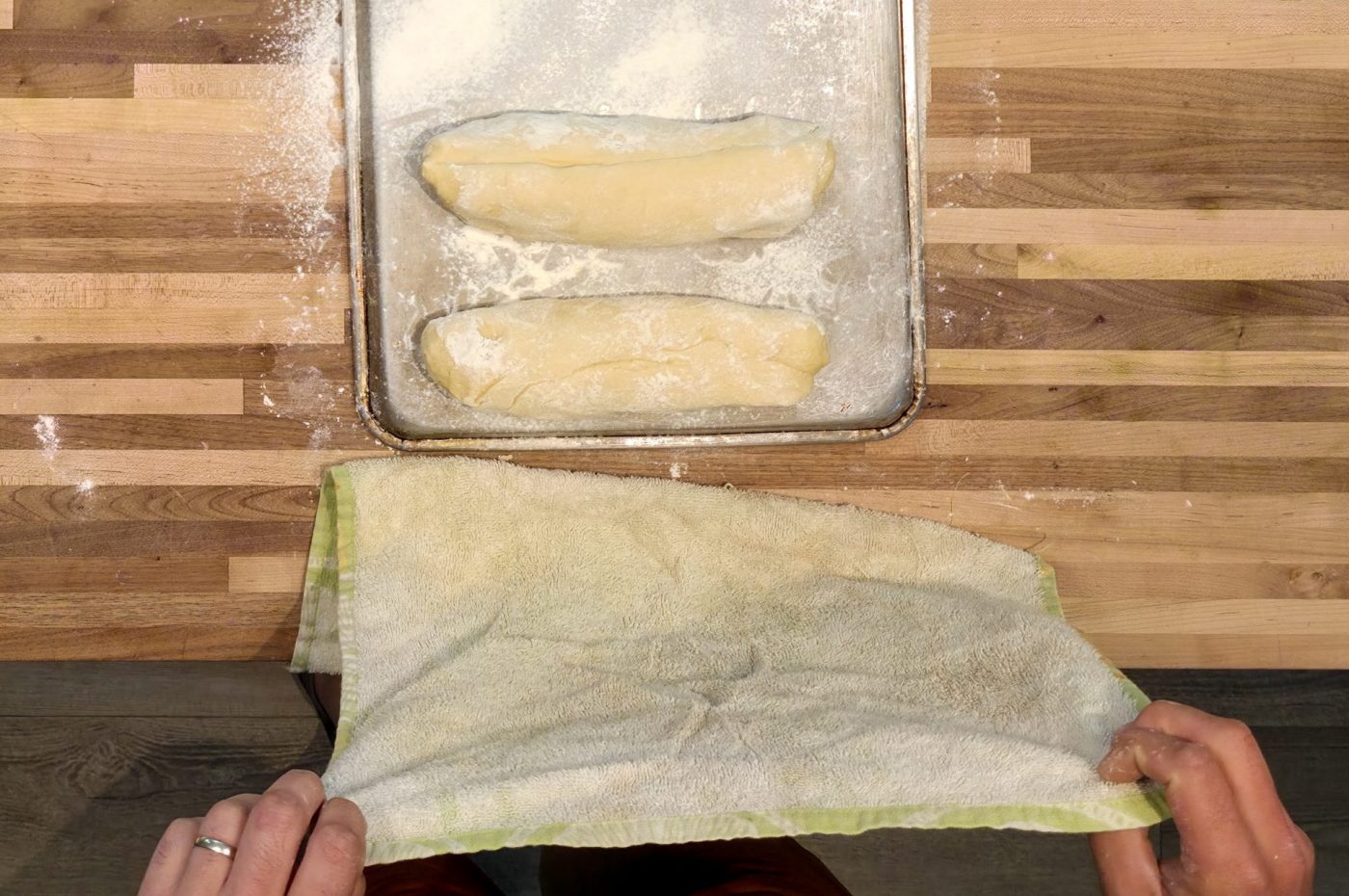
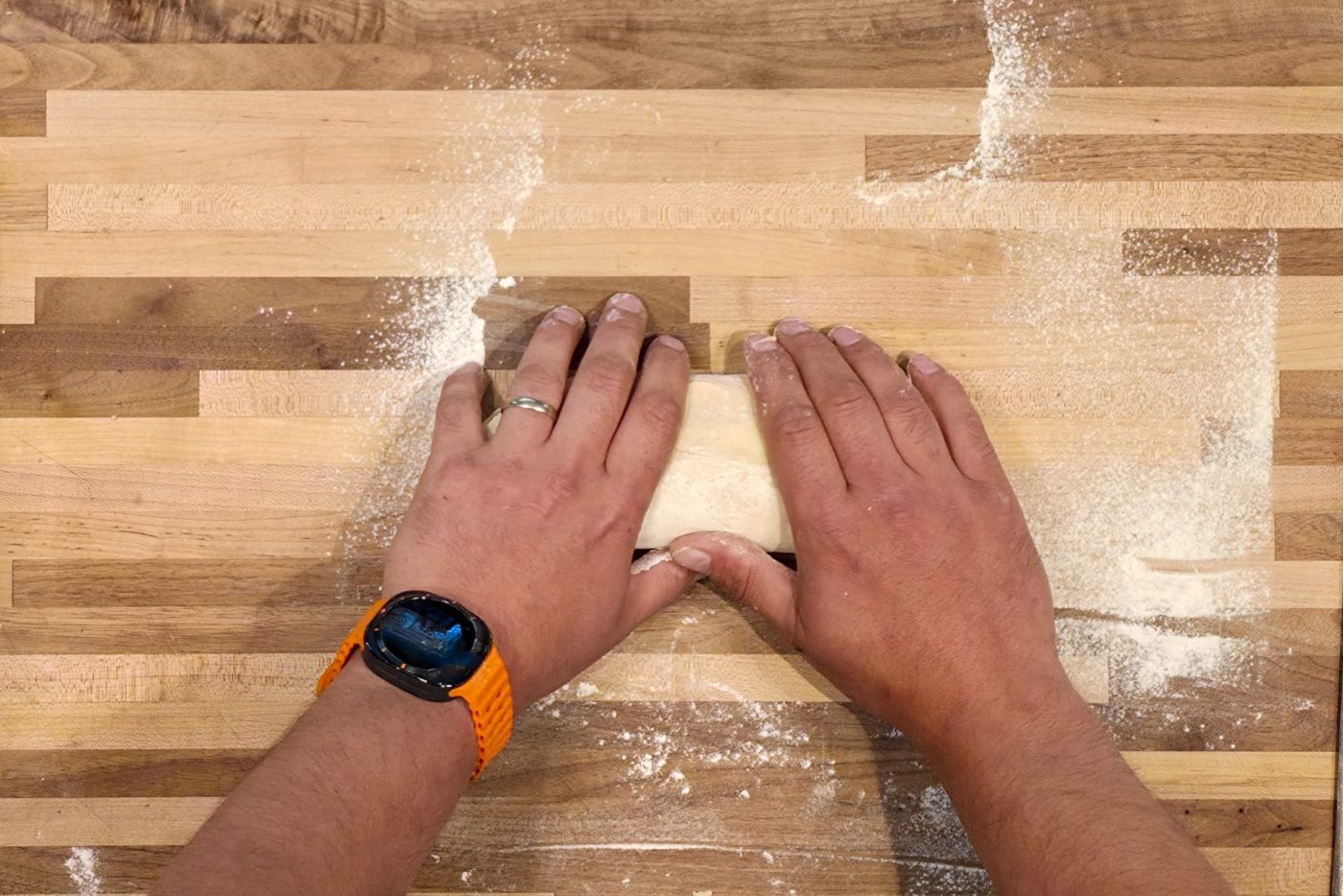
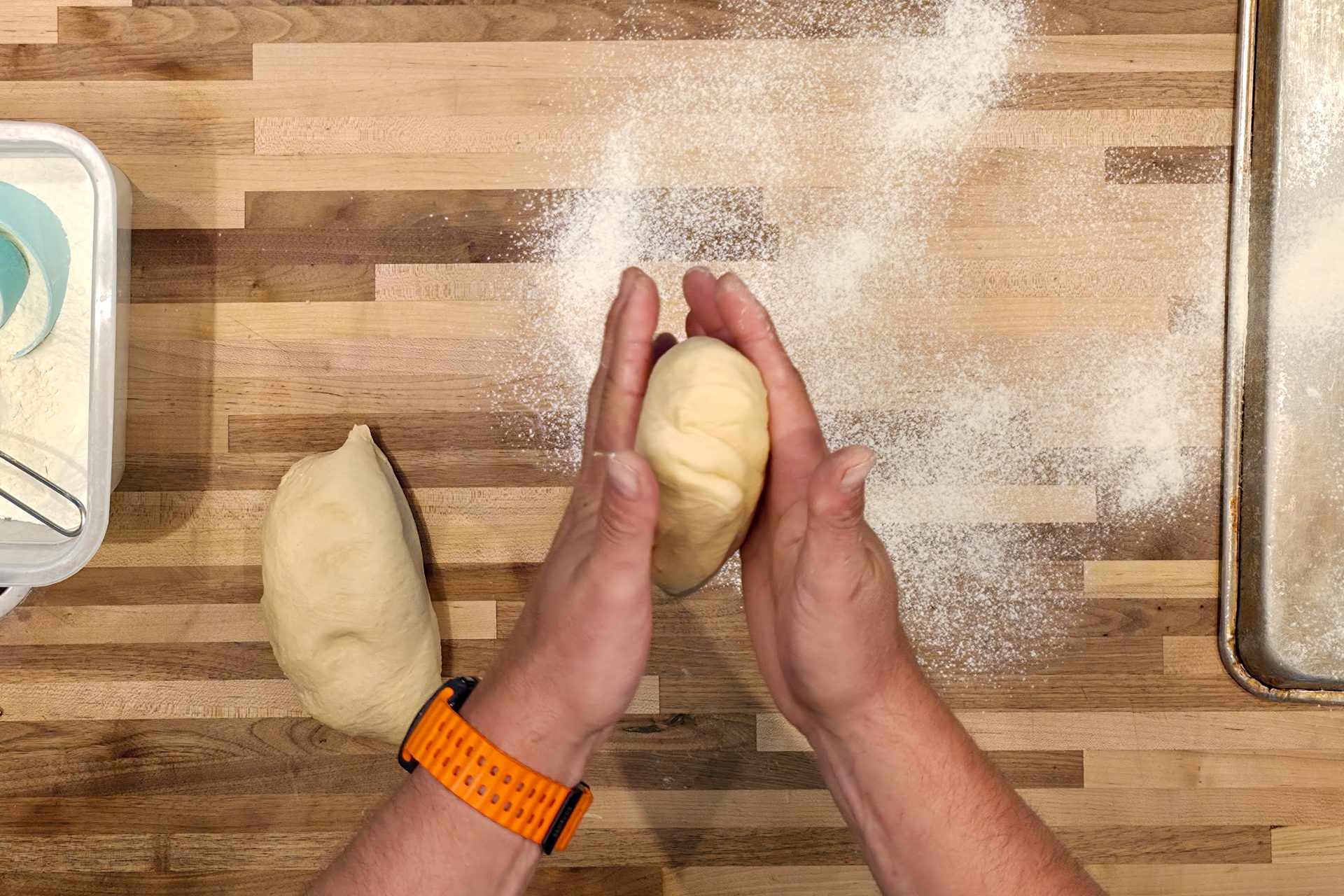
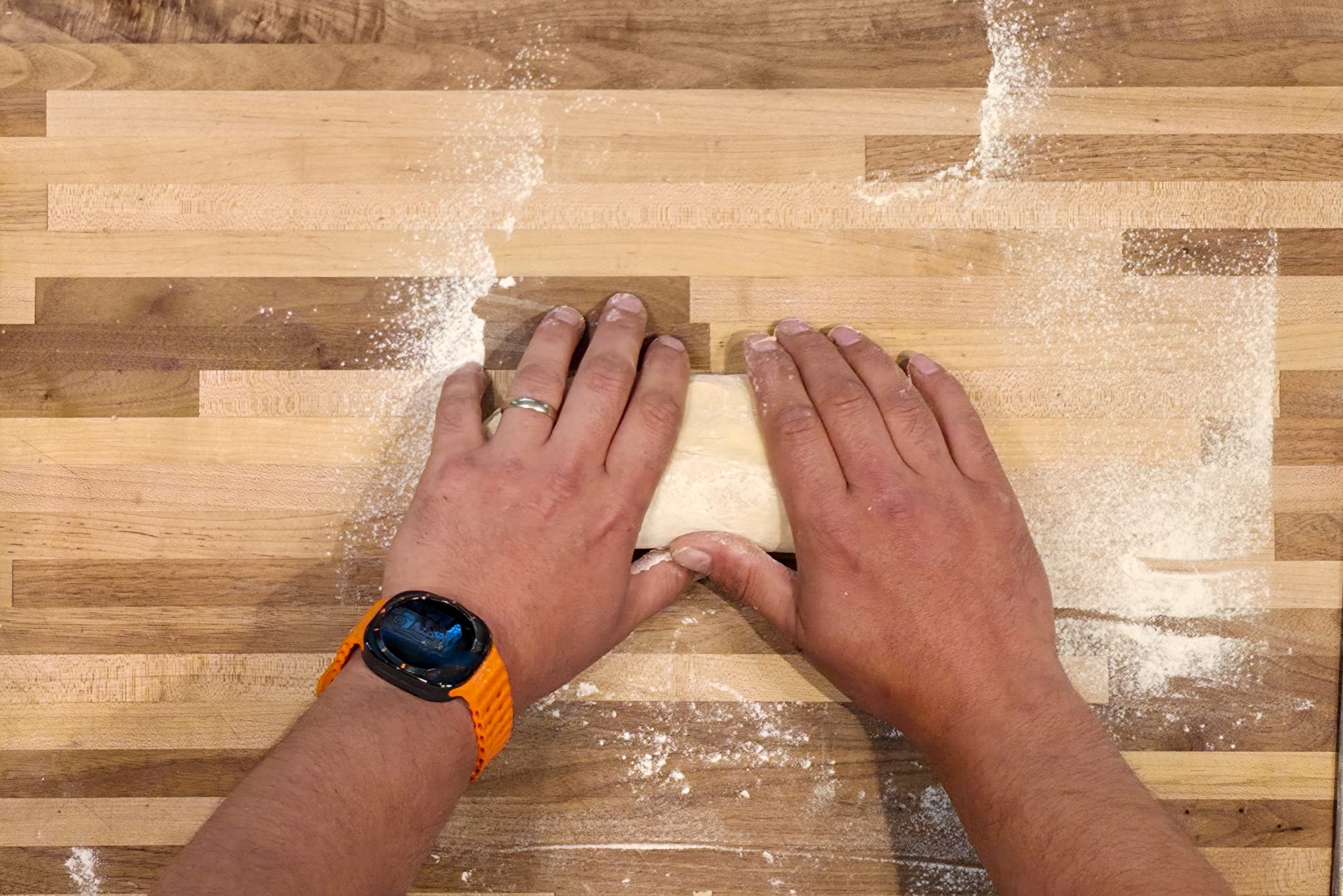
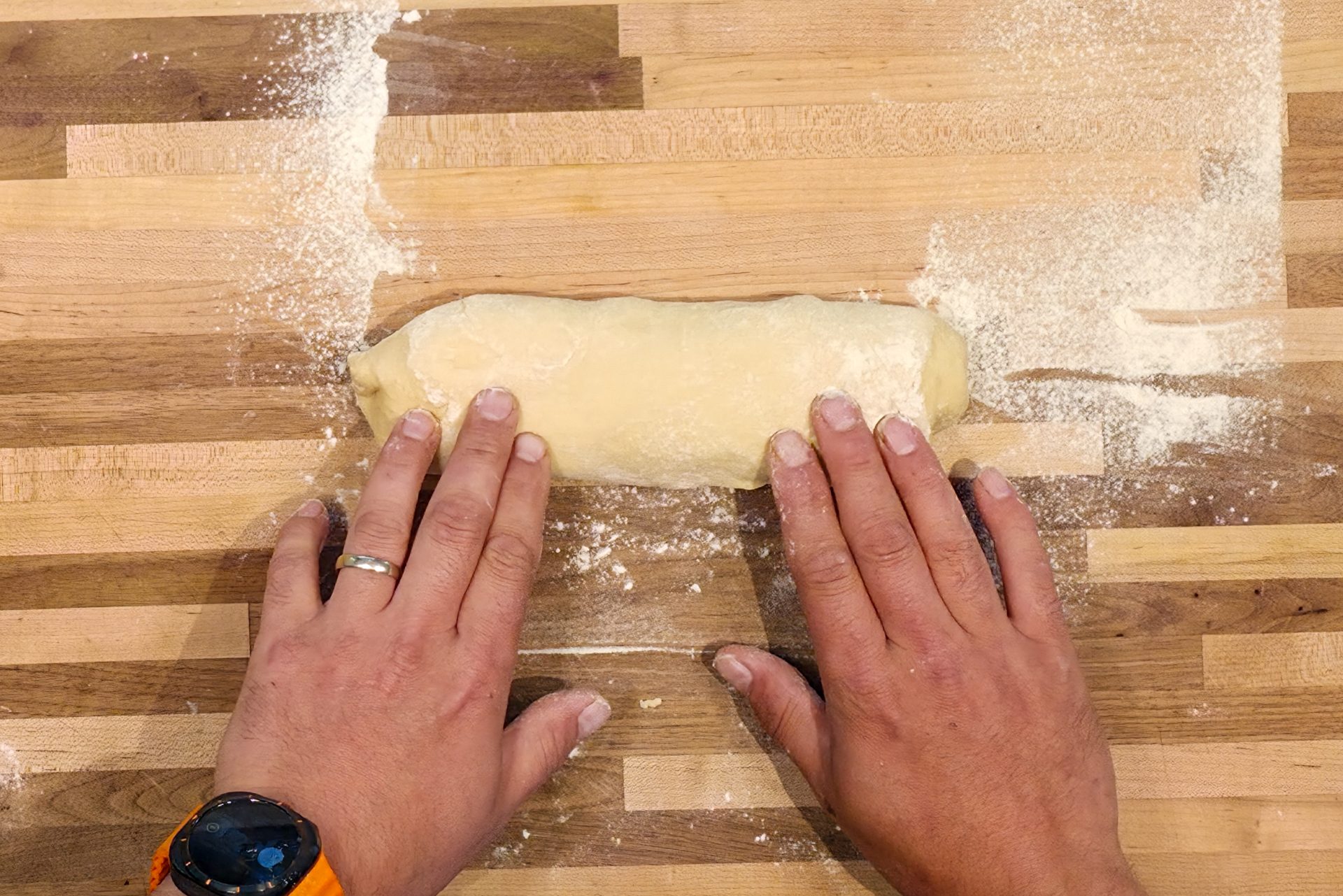
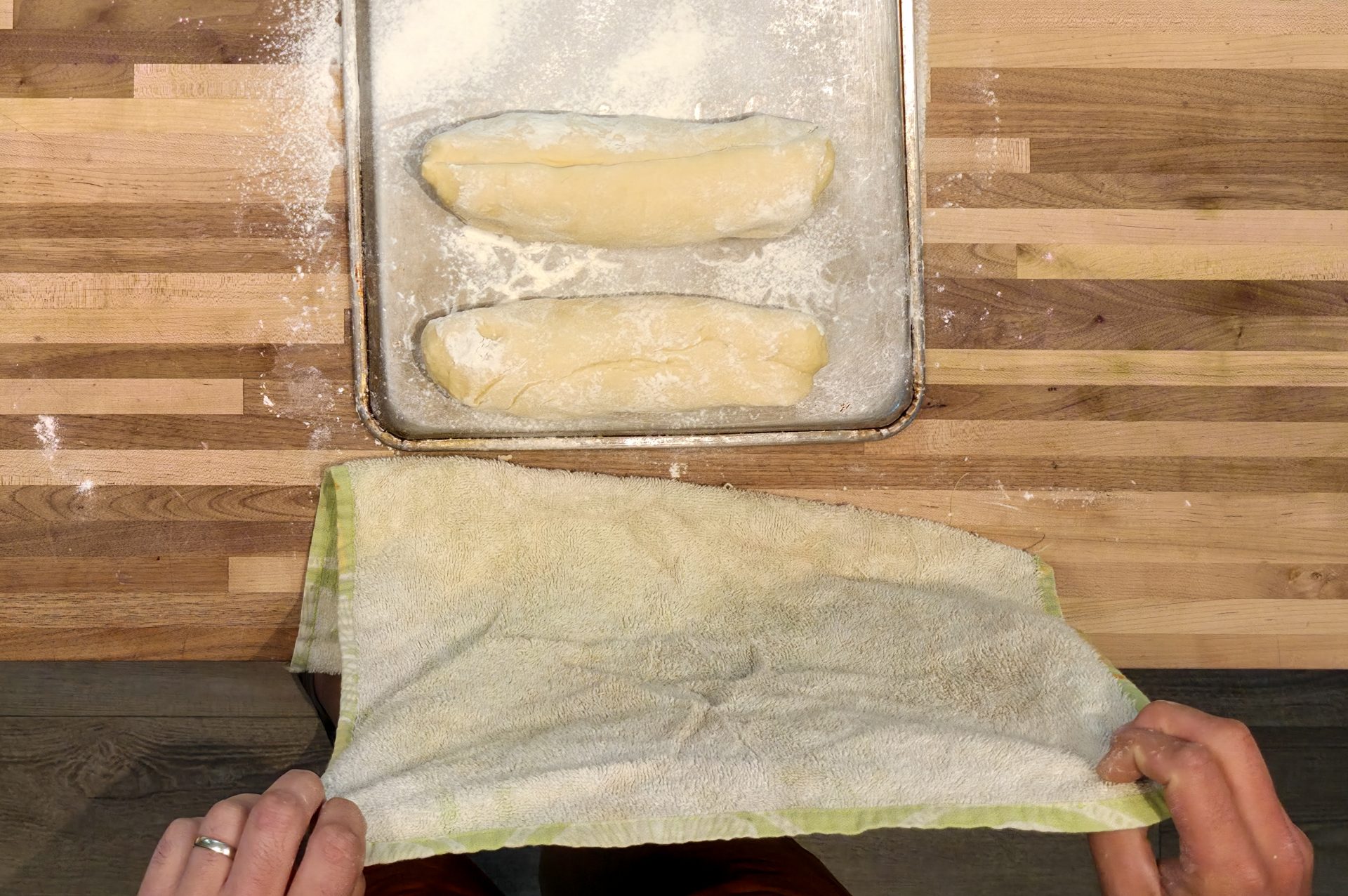
After the dough has doubled, it’s time for shaping. I split the dough into 2 or more parts, depending on my preference and the diameter of the pot I’ll be cooking them in. I’ve found that shorter dumplings are easier to cook and manipulate in the pot. On a lightly floured surface, I form each piece into a cylinder by rolling it with my hands. The thickness is up to you, but I recommend a diameter of about 2 ½ inches, as the dumpling will significantly expand during cooking. I then place the shaped dumplings on a lightly floured cutting board, lightly flour the tops, and let them rest for about 15-30 minutes, covered with a dish towel. Be careful not to extend this resting time too much, as over-proofed dumplings may not hold together well during cooking.
The Cooking Process: Boiling the Dumplings
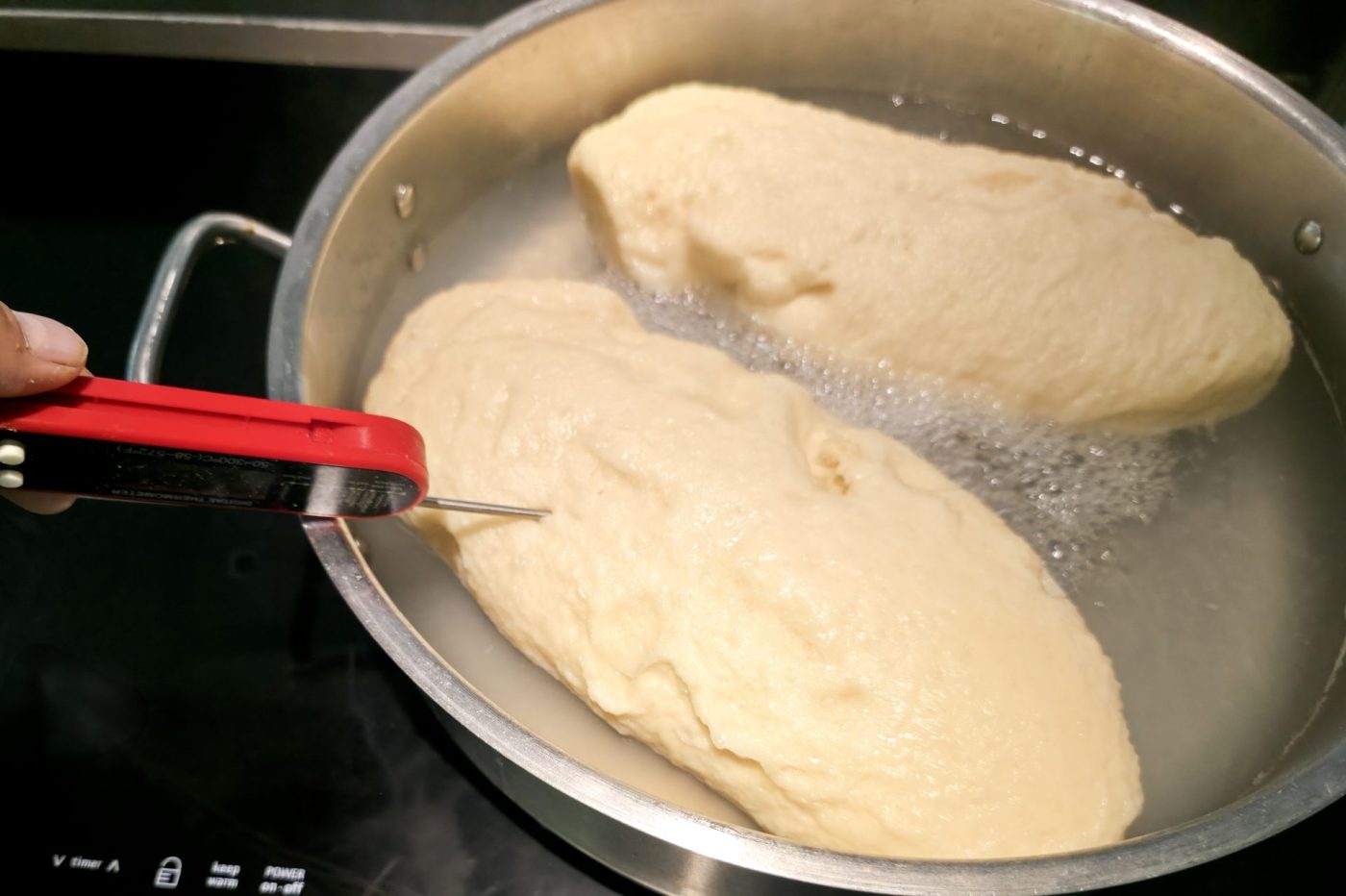
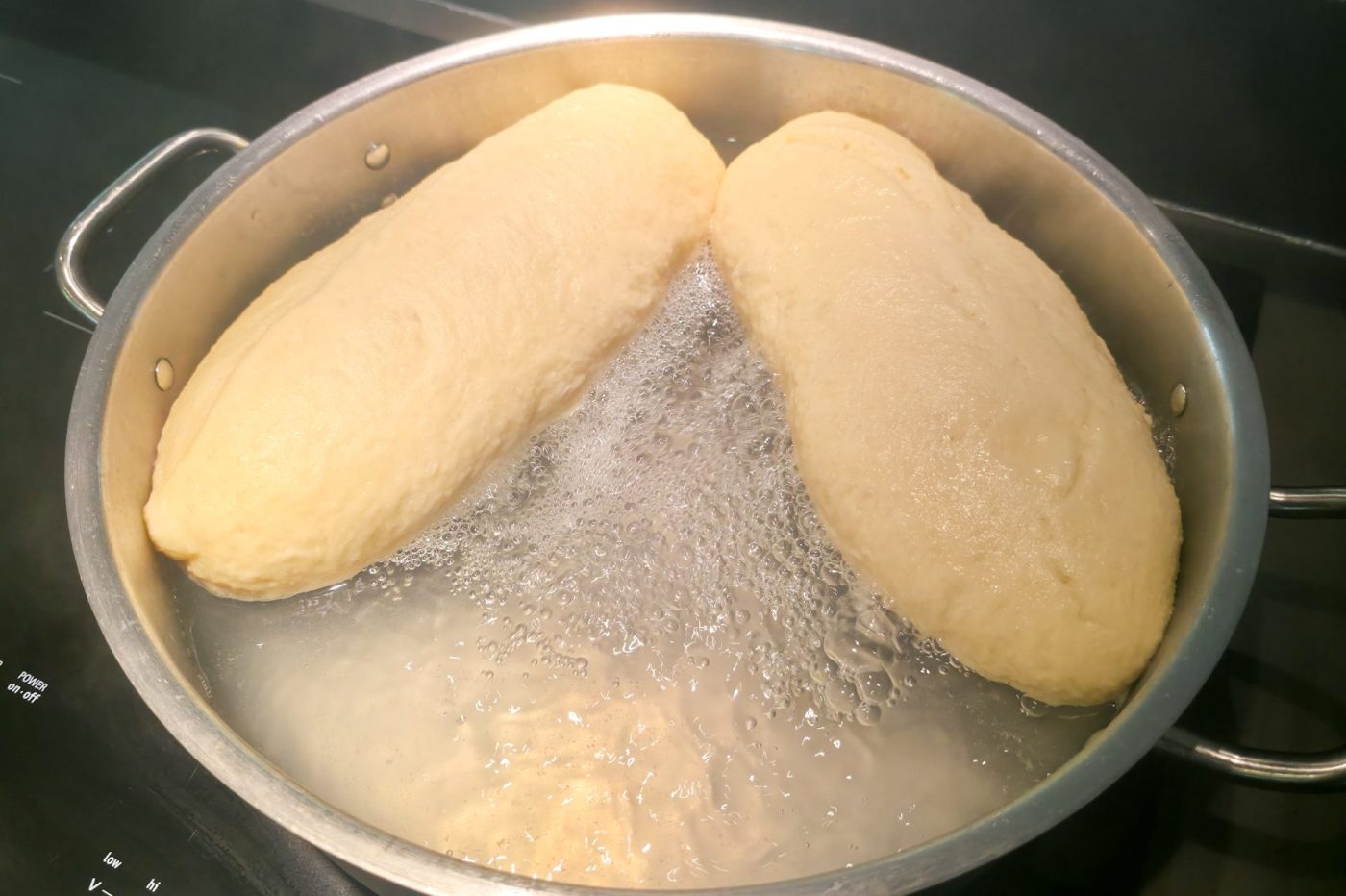
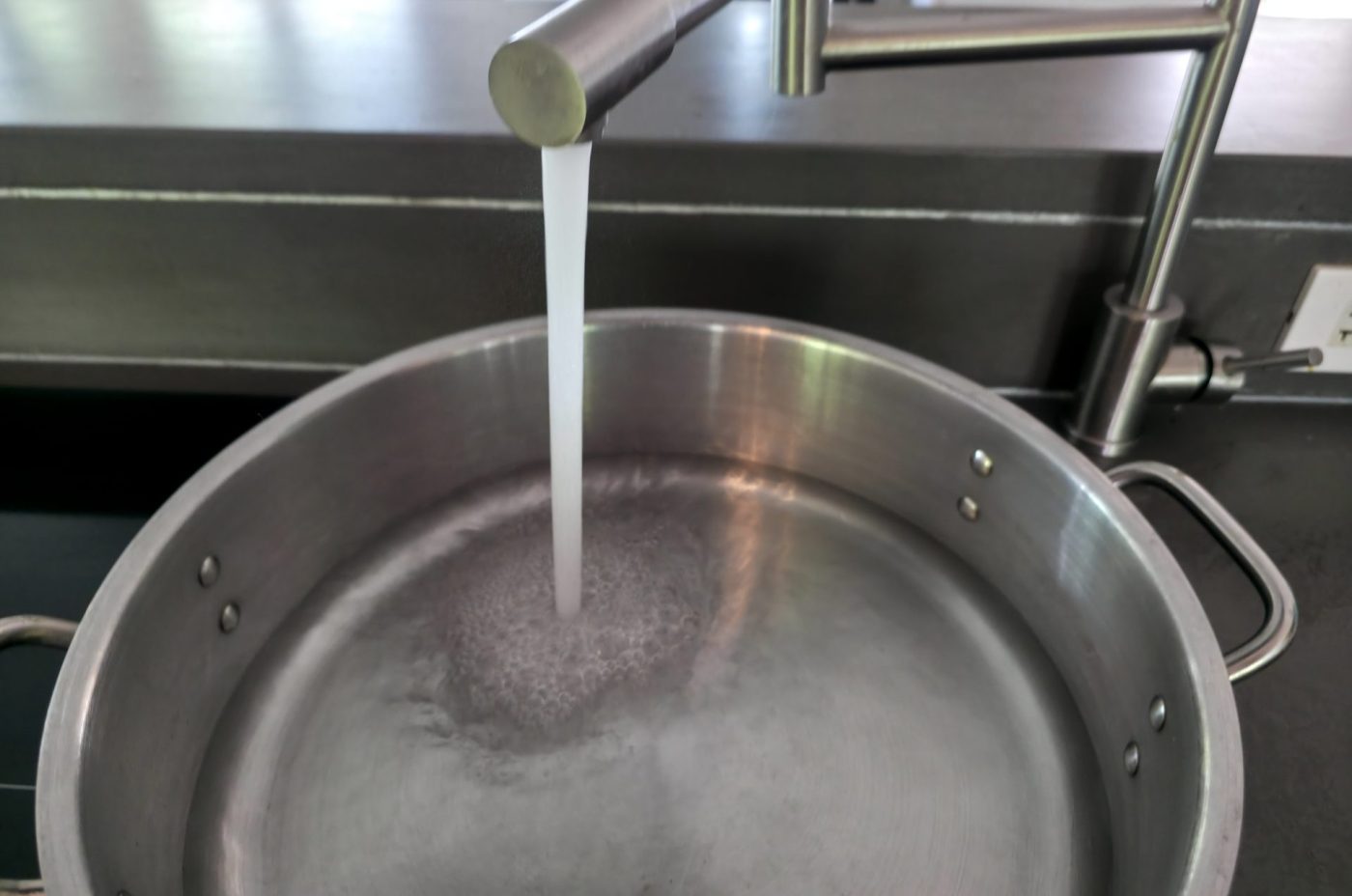
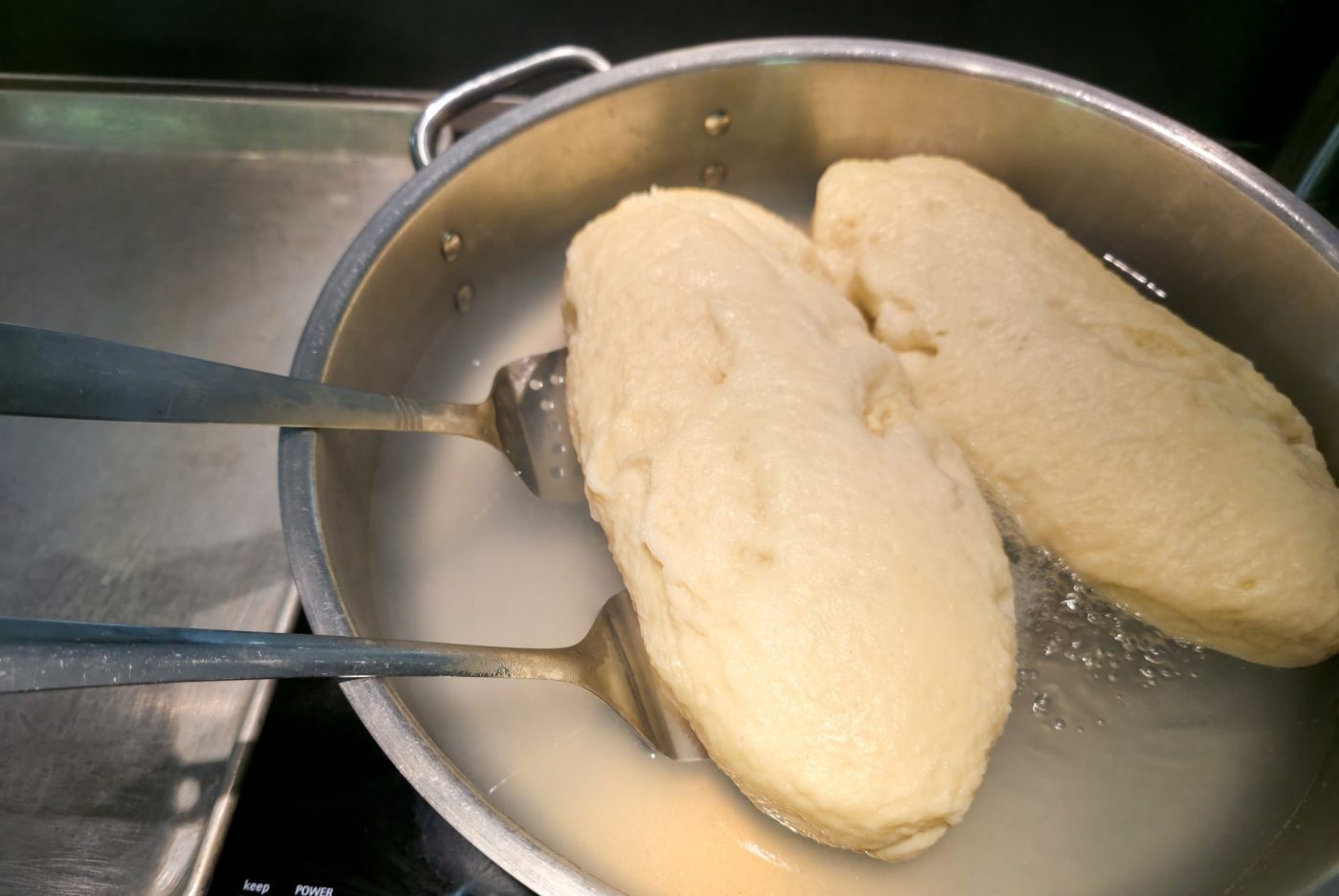
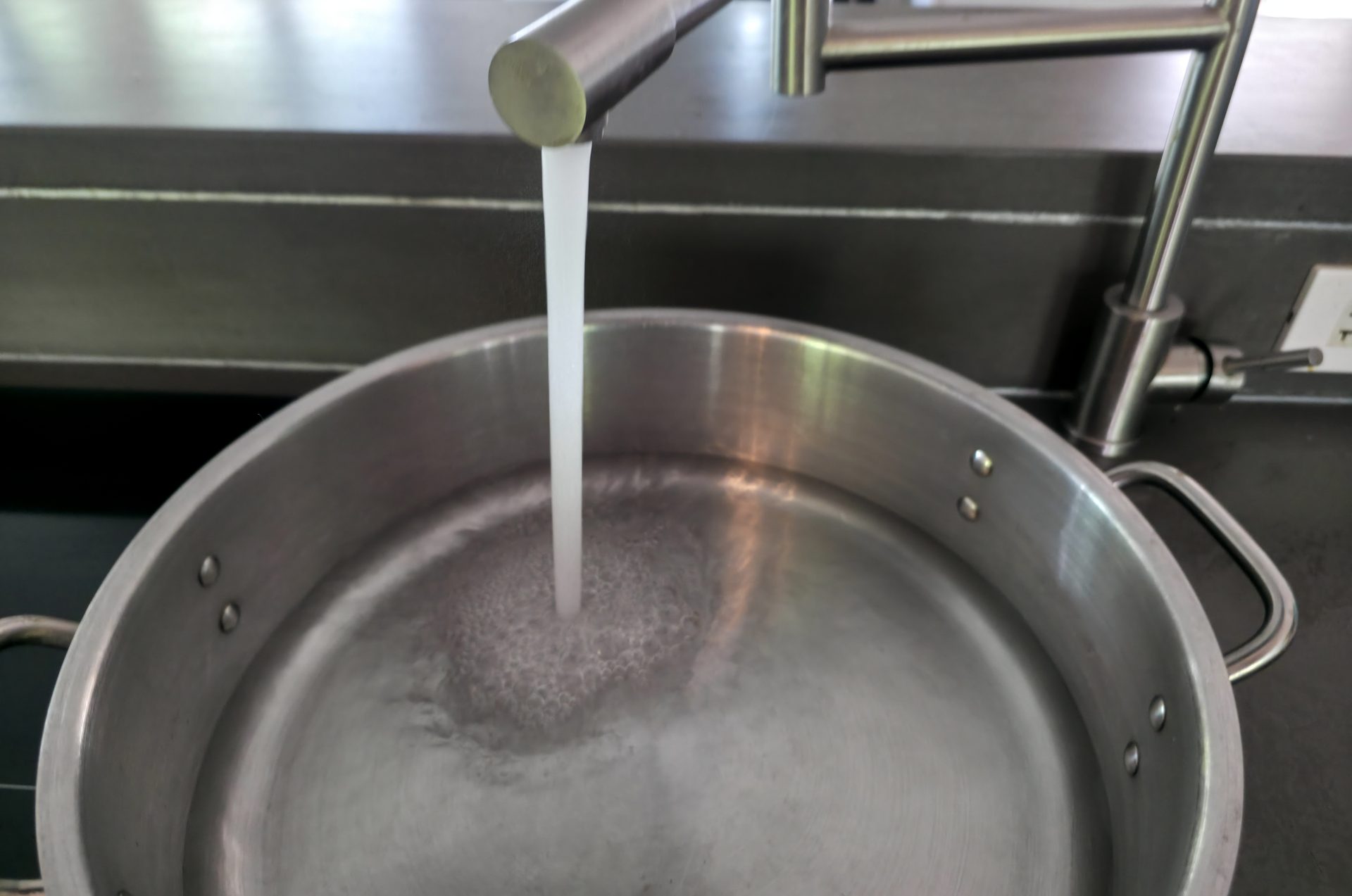
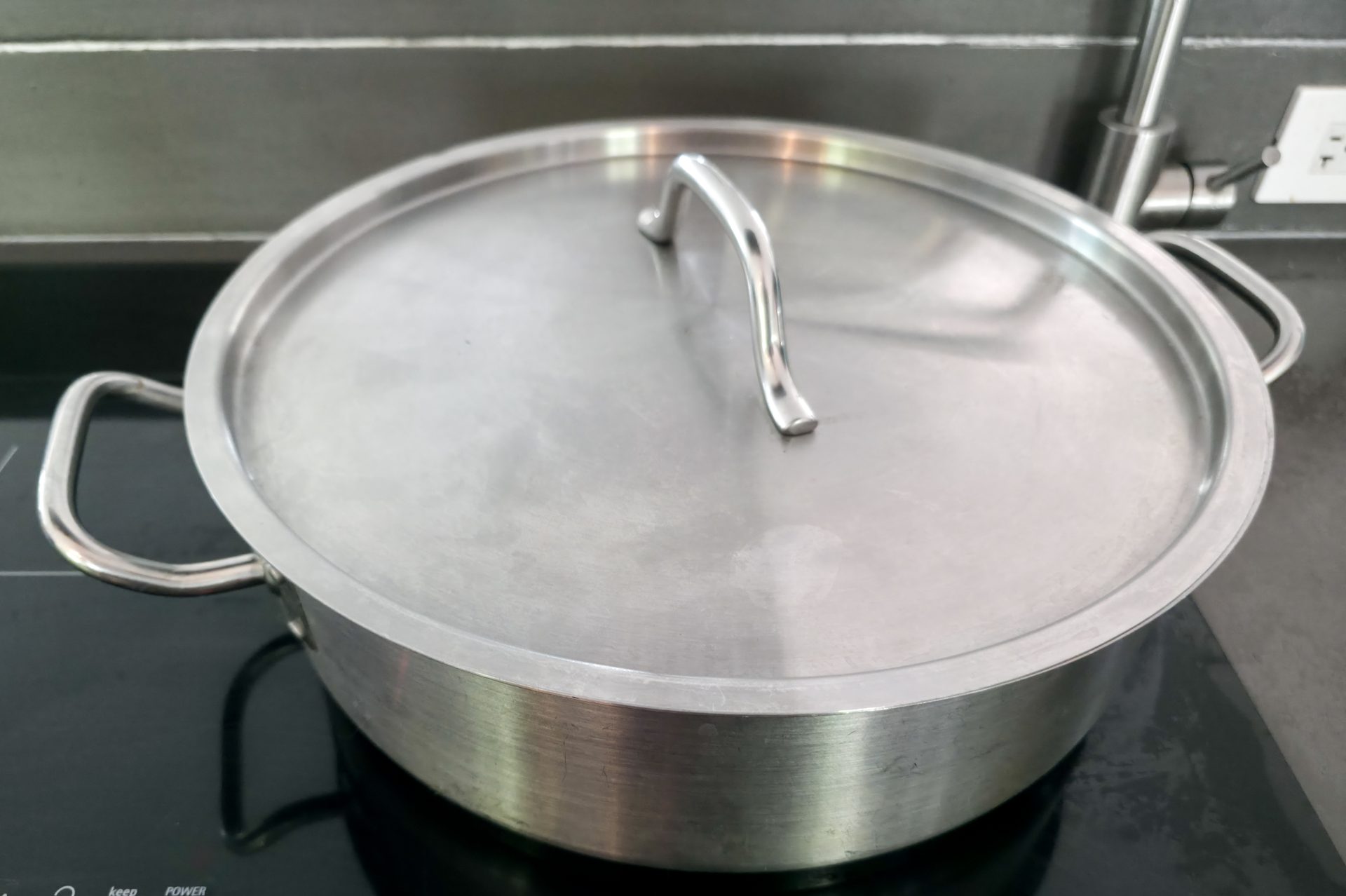
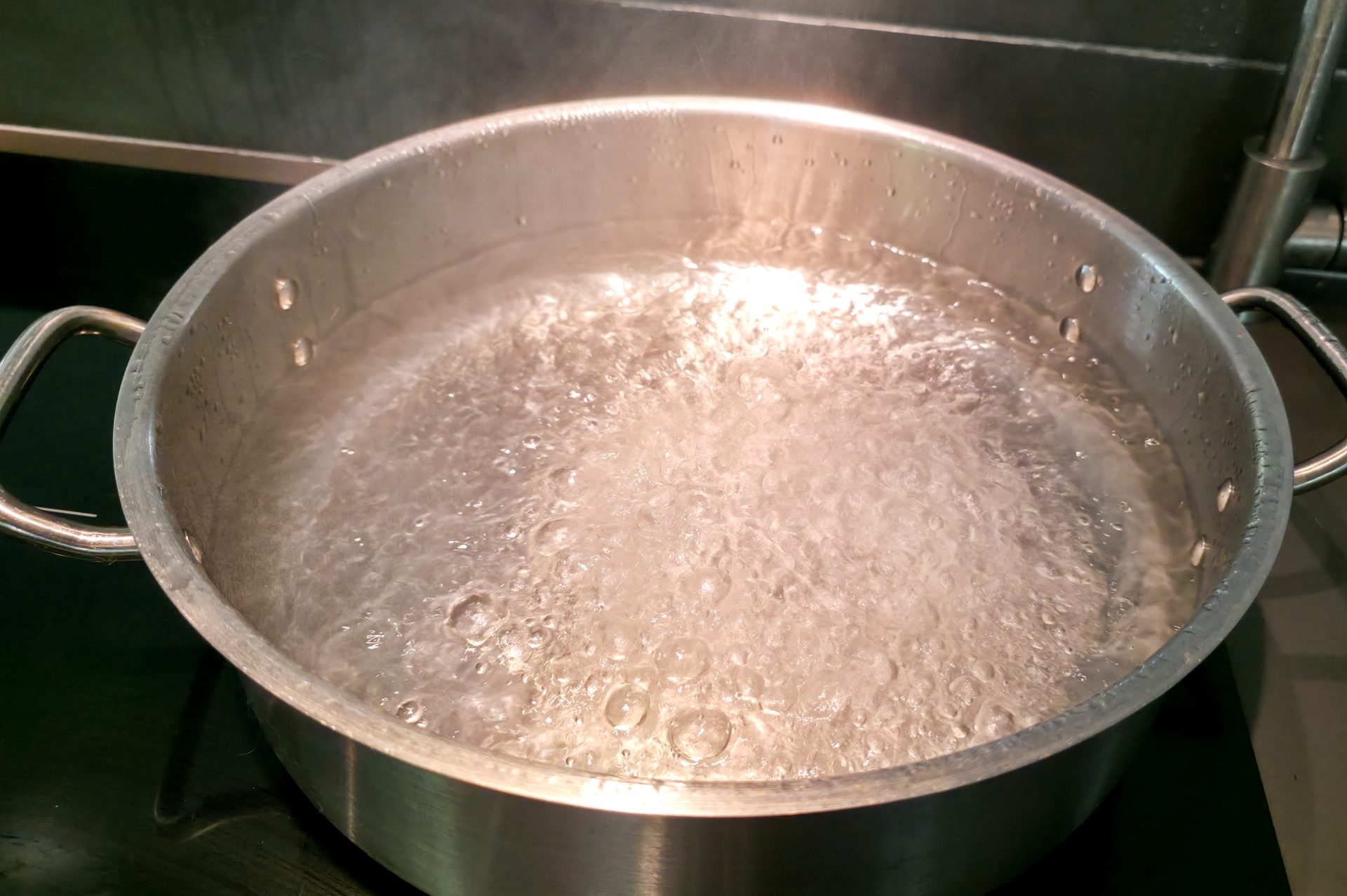
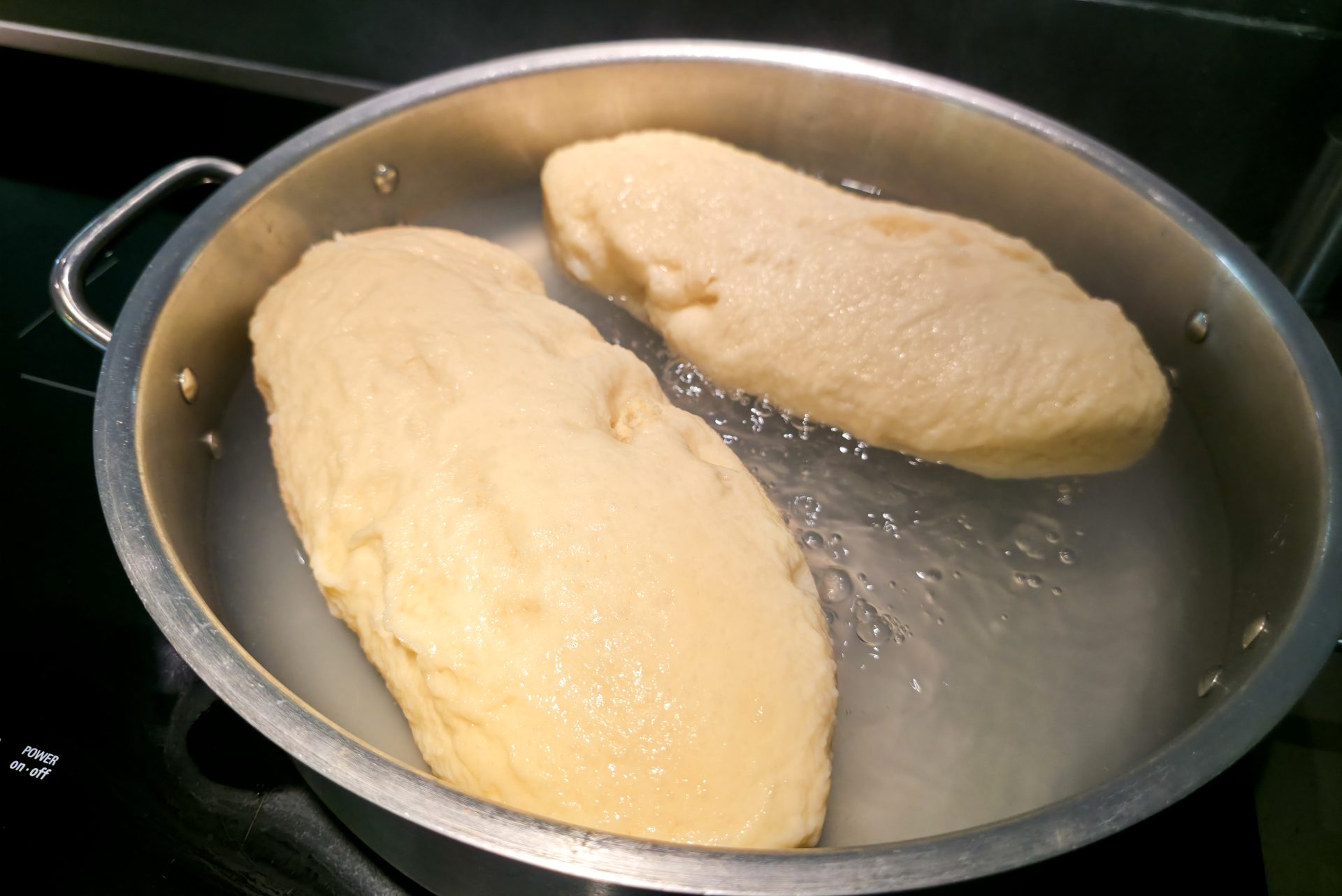
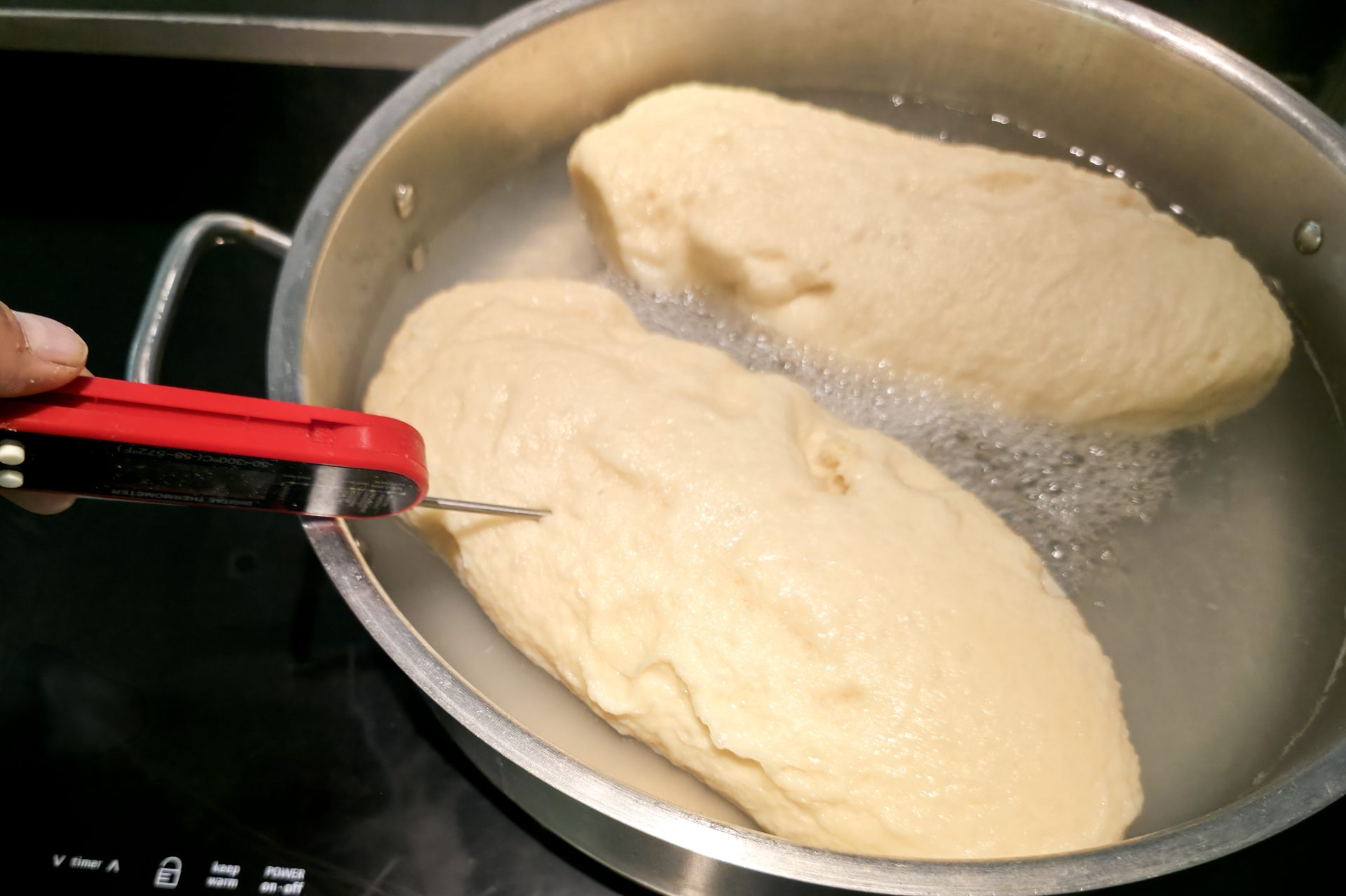
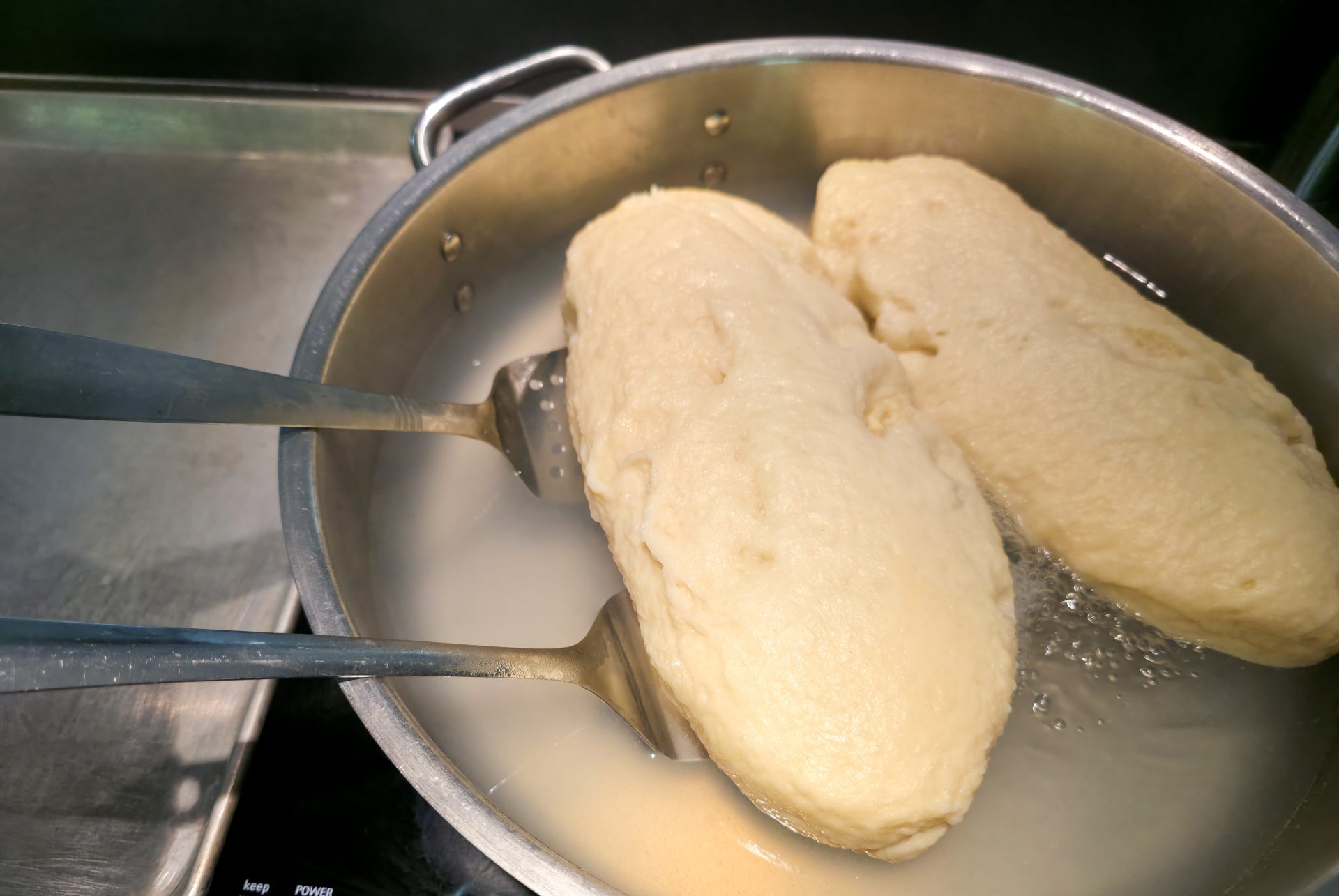
While the dumplings are having their final rest, I prepare the pot for cooking. I fill a large pot (at least 8 quarts, but preferably 12 quarts) about halfway with water, cover it with a lid, and bring it to a rolling boil on high heat. Once the water is boiling, I carefully slip the dumplings down into the water. I cover the pot with the lid and cook them until they are fully done, which should be about 6 to 9 minutes on each side, depending on their thickness. It’s important to turn the dumpling carefully halfway through cooking using two forks or a large turner. To ensure they are cooked, the internal temperature should be at least 165°F.
Finishing Touches for the Perfect Dumpling
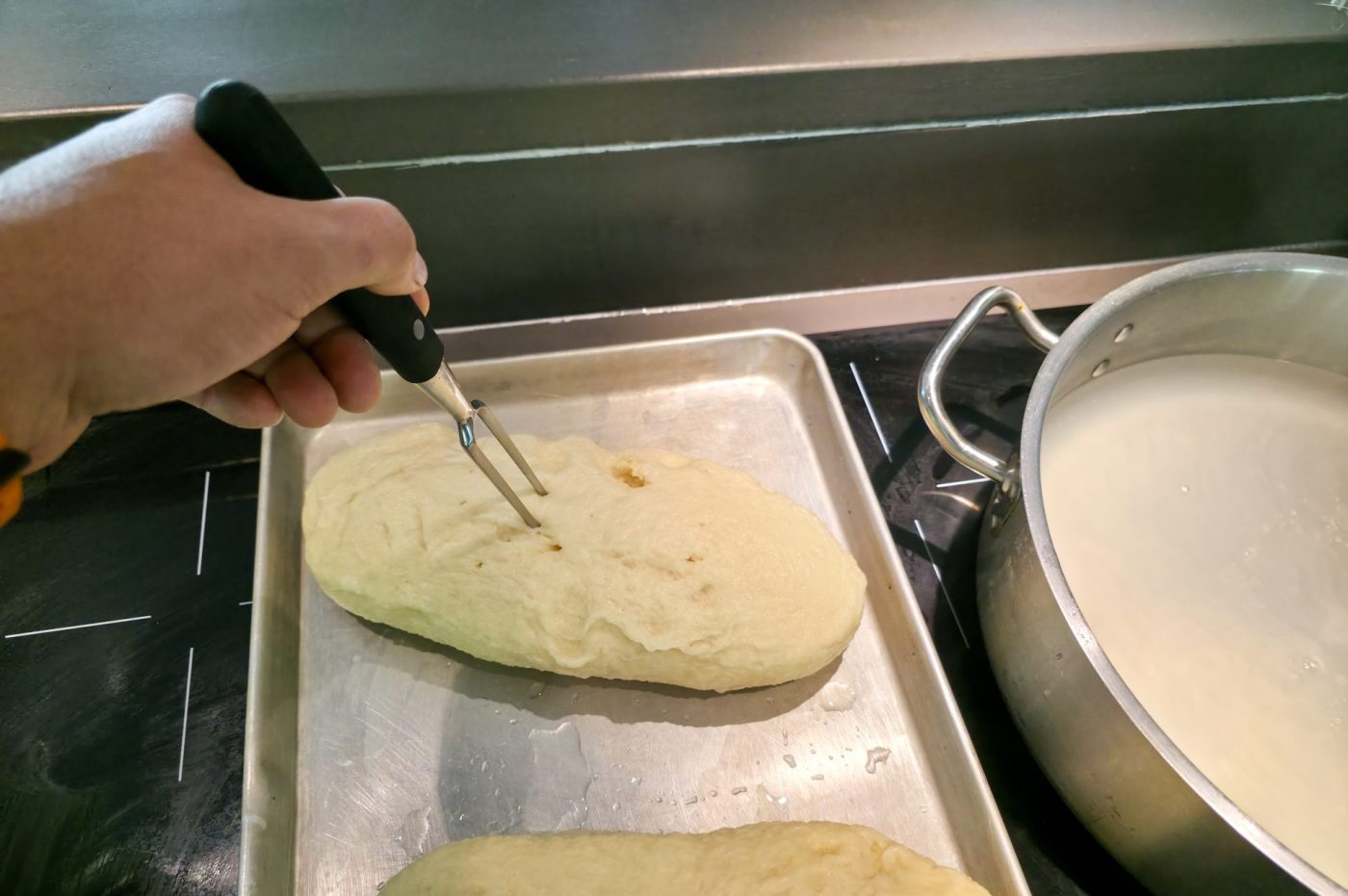
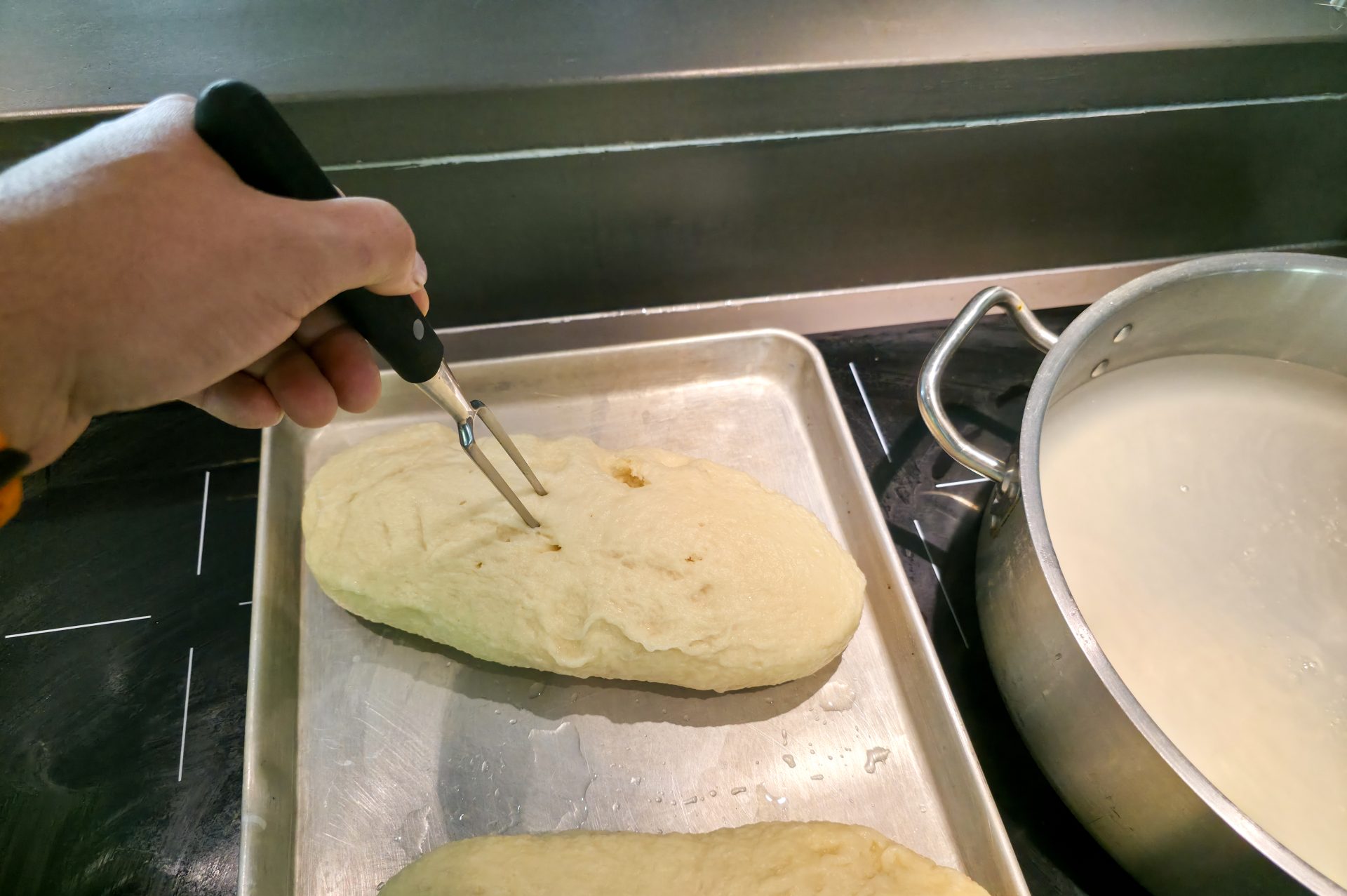
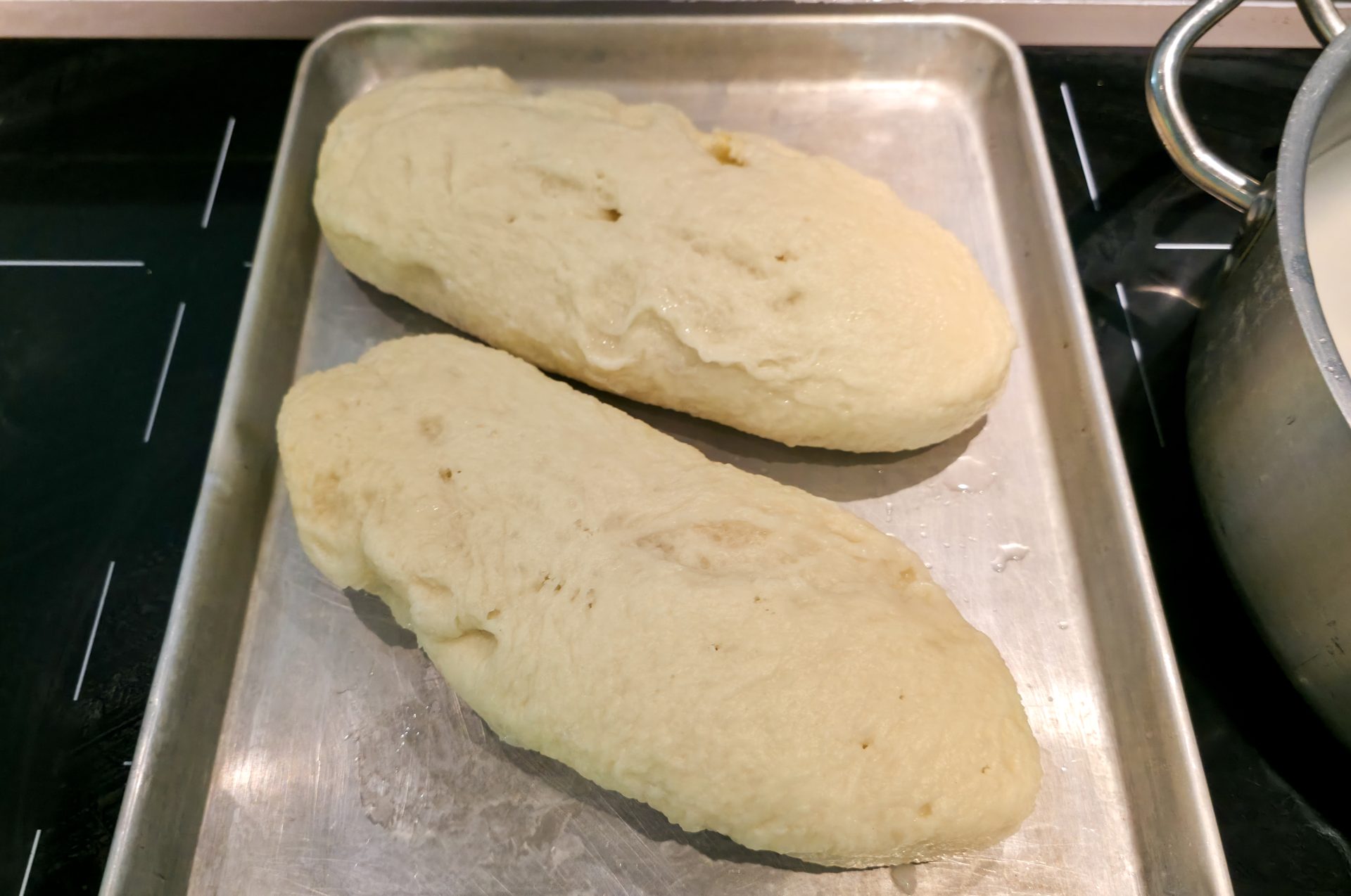
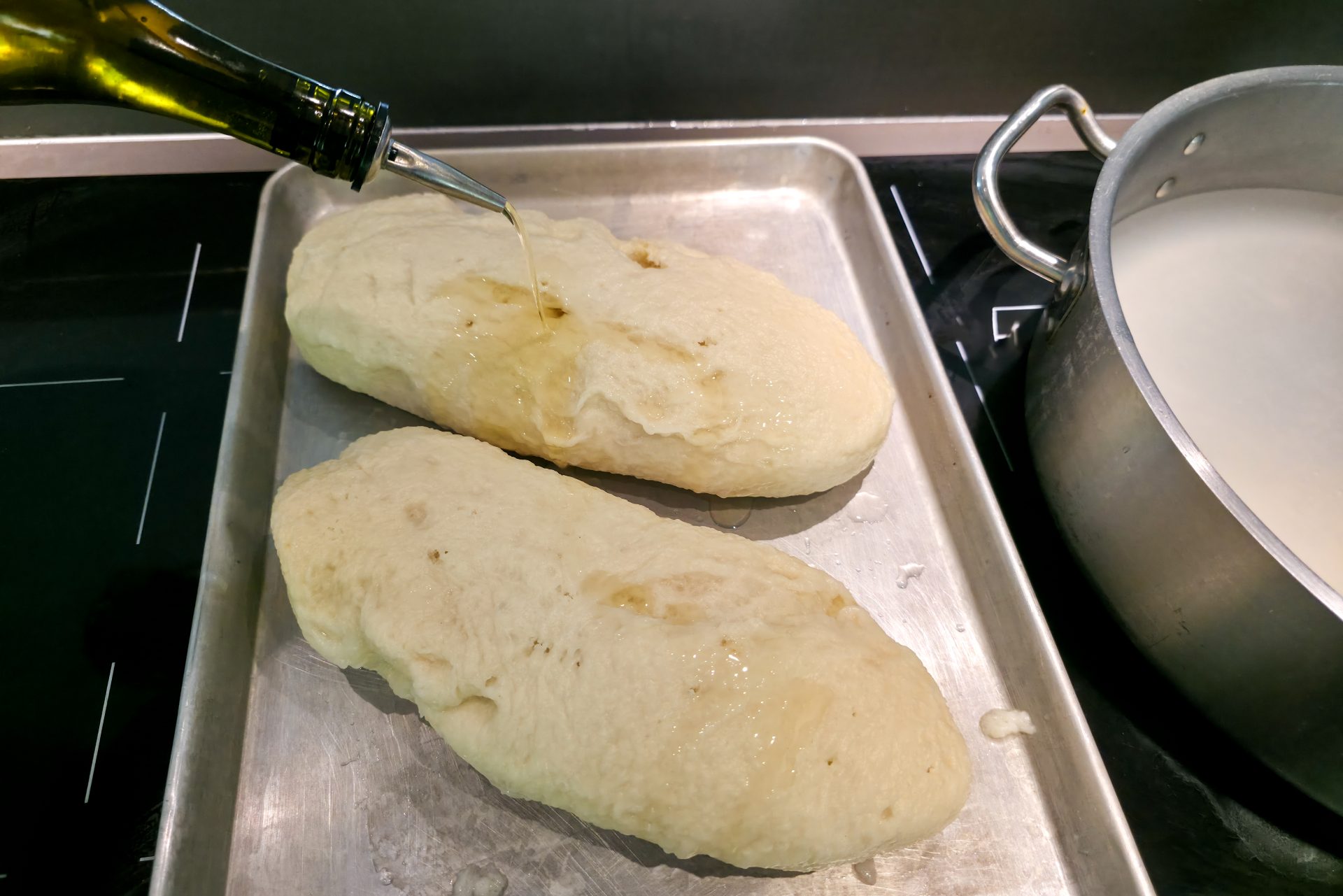
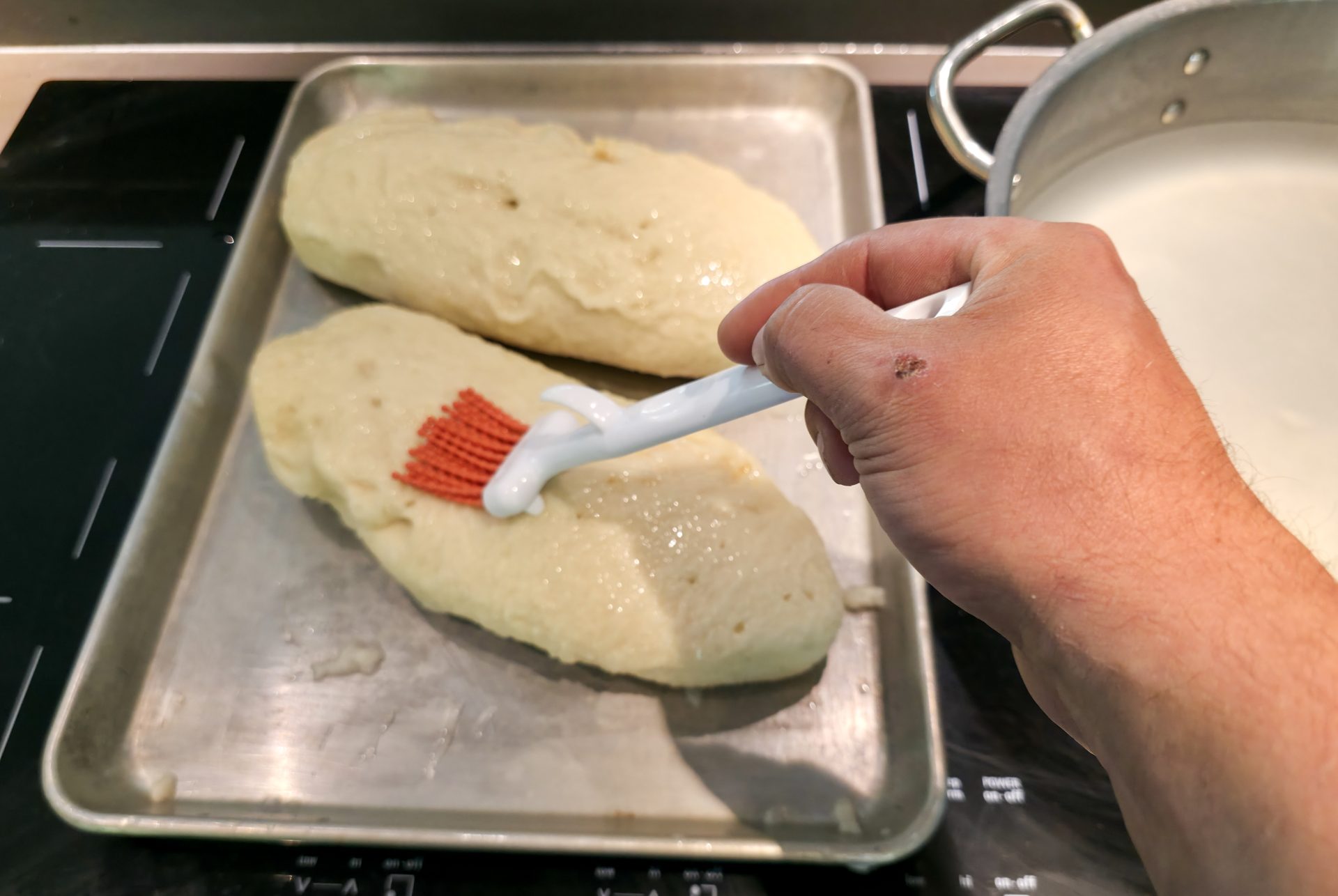
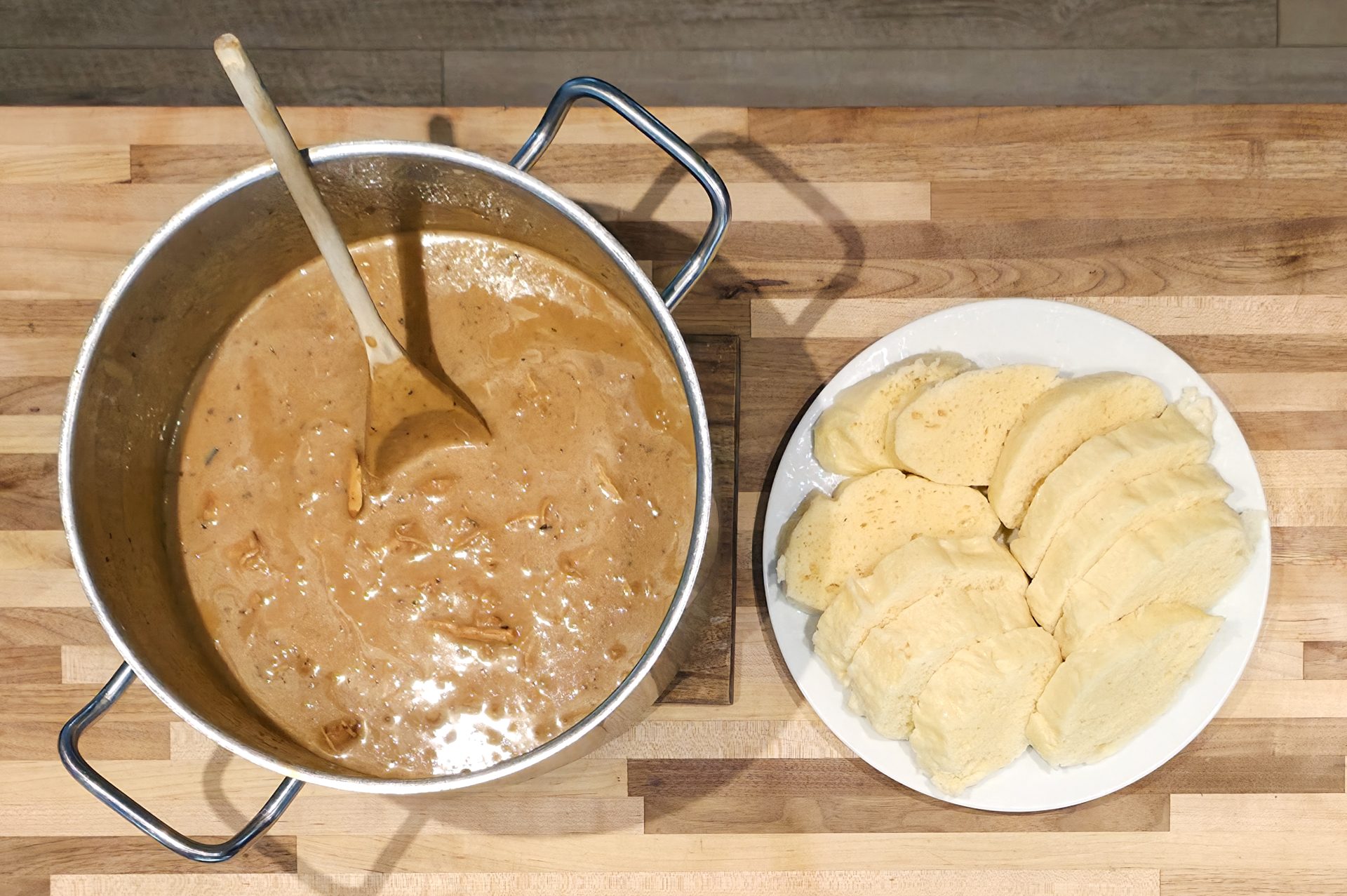
Once the dumplings are fully cooked, there are a couple of crucial finishing steps. I carefully remove the cooked dumplings from the water using a skimmer or two large turners. Immediately after removing them from the water, I penetrate each dumpling in several places with a fork. This helps release the steam from the inside and prevents the dumpling from becoming dense as it cools. Right after that, I brush each dumpling with about 1 teaspoon of oil, which prevents the outside from drying out and forming a skin. I then let them rest for about 5 minutes before slicing and serving.
Tips for Storing and Reheating Your Dumplings
These Czech Side Bread Dumplings are fantastic when made ahead of time. If you have leftovers, the easiest way to reheat individual slices is in the microwave at the time of serving. Alternatively, you can use any steam pot to warm them up. Either method will quickly make them warm and steamy again. For longer-term storage, you can freeze the dumplings either whole or sliced. They stay great in the freezer for up to half a year. I find it’s best to slice the dumpling before freezing for faster defrosting when you’re ready to use them.
Czech Bread Dumpling Houskovy Knedlik Recipe
2 regular dumplings or more shorter ones - about 15 - 20 slices (4 servings)Tom the ChefPublished: 1.3.2026
☆☆☆☆☆0x(write a review)👁364x
Ingredients:
Click any ingredient to learn moreBread for Dumplings (optional):
2 cups of bread (white flour) (adjust if needed, Ideally, use burger buns, American baguettes, Vienna bread, or any other bread with fat in the dough.)
¼ cup of milk
Dumplings Dough:
2 cups of bread flour (or all-purpose flour)
1 TSP of confectioners’ sugar
2 TSP of active dry yeasts
1 TSP of salt
1 egg
¾ cup of milk - preheat in microwave to lukewarm (about 90 to 100°F)
For Final Brusing:
cooking oil (any kind)
* Best is to use old bread (even a hard one). It will help you to prevent food waste hand in hand with reaching better results.
Tools:
Click any tool to learn more1x Chef’s knife
1x Piano Whisk
1x Plate (or plastic wrap)
1x Baking Sheet (or cutting board for proofing the dumplings)
1x Large Brazier Pot or Large Pot (at least 8 QT or preferably 12 QT) (Pot with the largest top diameter that you have available.)
2x Turners
2x Fork
Nutrition per 1 Serving:(recipe split into 4 servings)
EstimatedCalories 550
Protein 21.3 g
Fat 7.1 g
Saturated fat 2.2 g
Carbohydrate 98.3 g
Sugars 9.0 g
Fiber 4.2 g
Sodium 1062 mg
Cholesterol 52 mg
Vegetarian
Estimated. Worked out from the ingredients above using the United States Department of Agriculture’s FoodData Central reference data. An estimate, not a measurement — brands, sizes and how much of a marinade actually ends up on the plate all move it.
Directions:
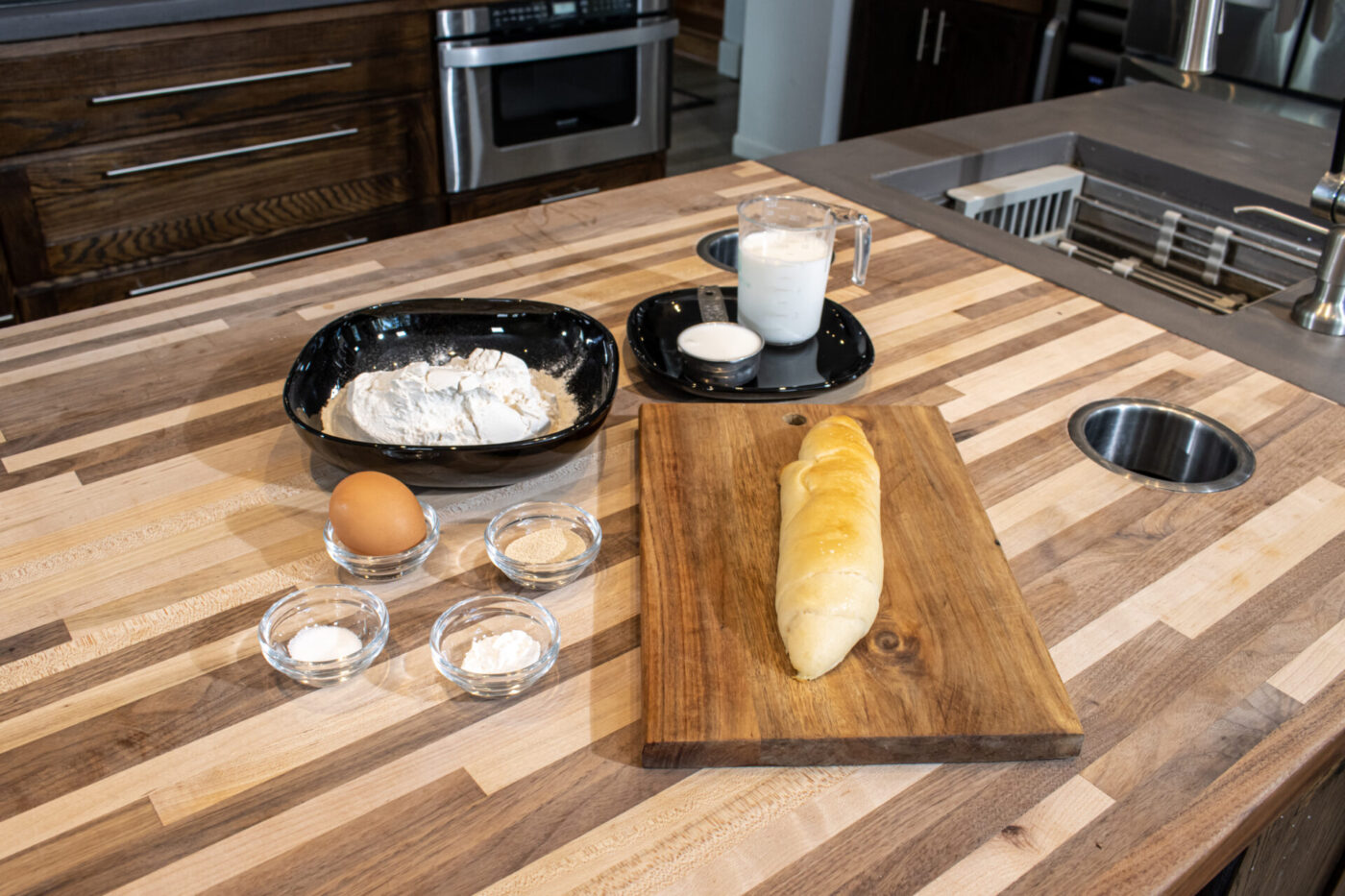
1.Optional Bread:
Let’s start preparing the Czech Bread Dumpling Houskovy Knedlik Recipe by preparing the bread.
Important:
- You can add fresh or dried diced bread.
- Feel free to adjust the amounts, as there is no need to be super strict with the quantities of bread and milk.
- You can also skip adding bread altogether and proceed to step 2.
1.1.
Cut bread into dices (about ½ – 1” big) and place into a medium mixing bowl (measure about 2 cups of diced bread or use even more — up to 3 cups).
1.2.
Add:
¼ cup of milk
Fold them together using a spatula.
1.3.
Place aside for a later step.
2.Dough For Czech Bread Dumpling Houskovy Knedlik Recipe:
2.1.
Place into the kitchen mixer with hook attachment:
2 cups of bread flour
1 TSP of confectioners’ sugar
2 TSP of active dry yeasts
1 TSP of salt
Briefly stir with a whisk just enough to combine all ingredients (about 1 minute).
2.2.
Add:
1 large egg
¾ cup of lukewarm milk
Knead on low speed until all ingredients are partially incorporated (about 1 – 2 minutes).
2.3.
Increase the speed to medium-high and knead until the dough is formed (about 1 – 2 minutes).
2.4.
Then add:
Bread soaked in milk (from step 1, including excess liquid)
Knead at a slow speed until nicely combined (about 1 minute).
3.Rising the Dough:
3.1.
Remove the bowl from the mixer and cover it with a plate or a plastic wrap.
3.2.
Let it rise in a warm place until it has doubled in size (about 2 – 3 hours).
4.Shaping:
4.1.
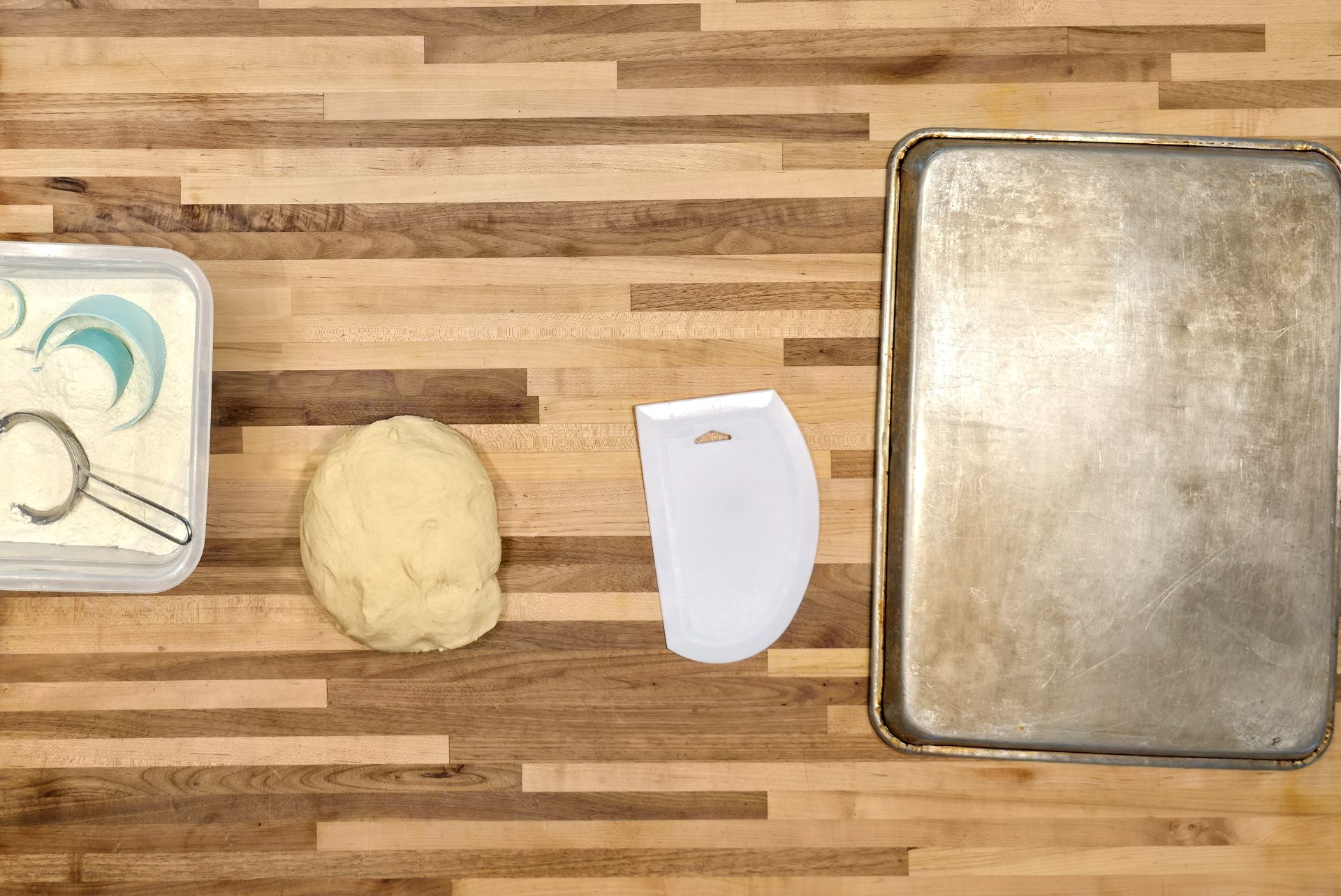
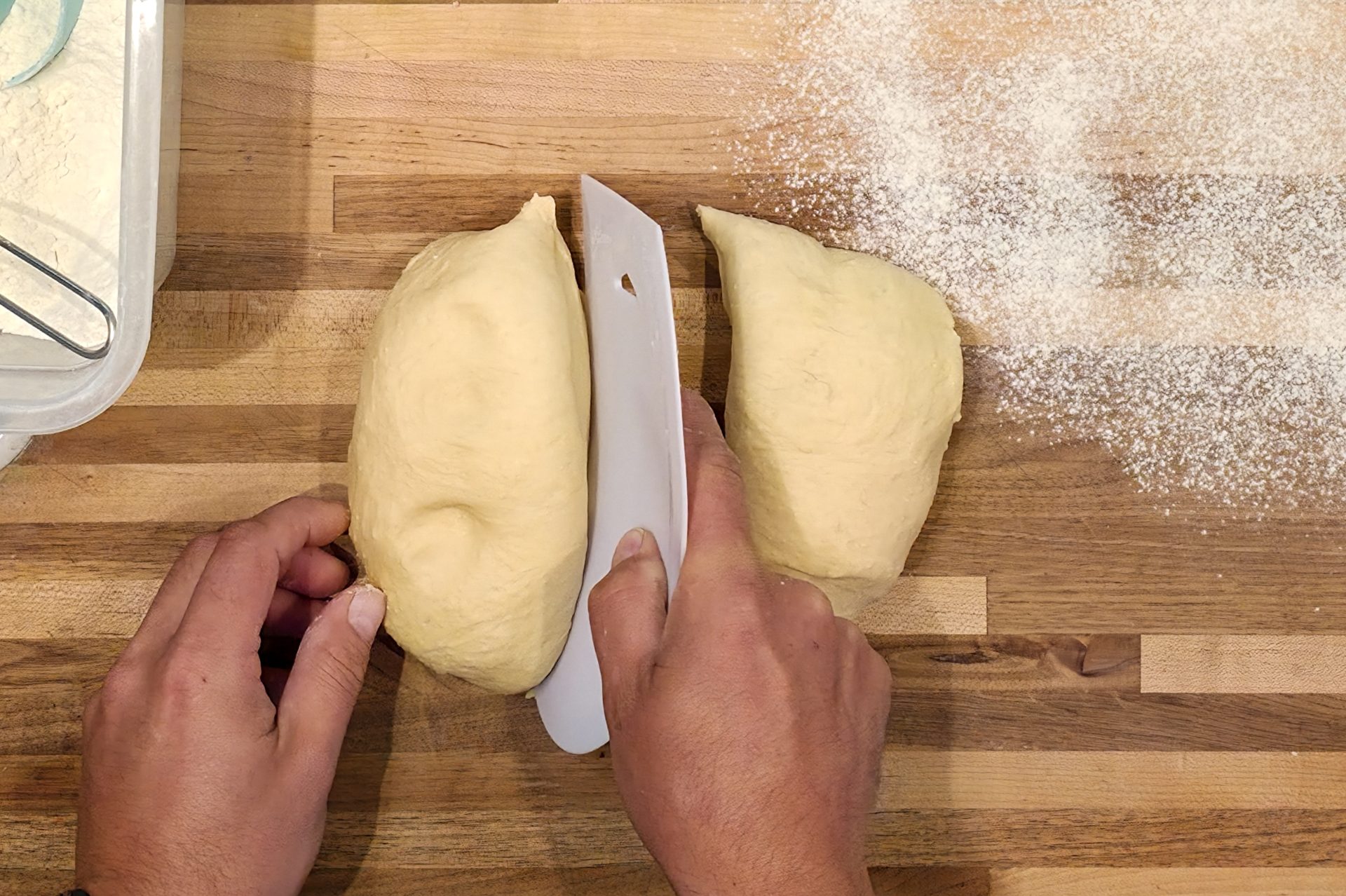
4.2.
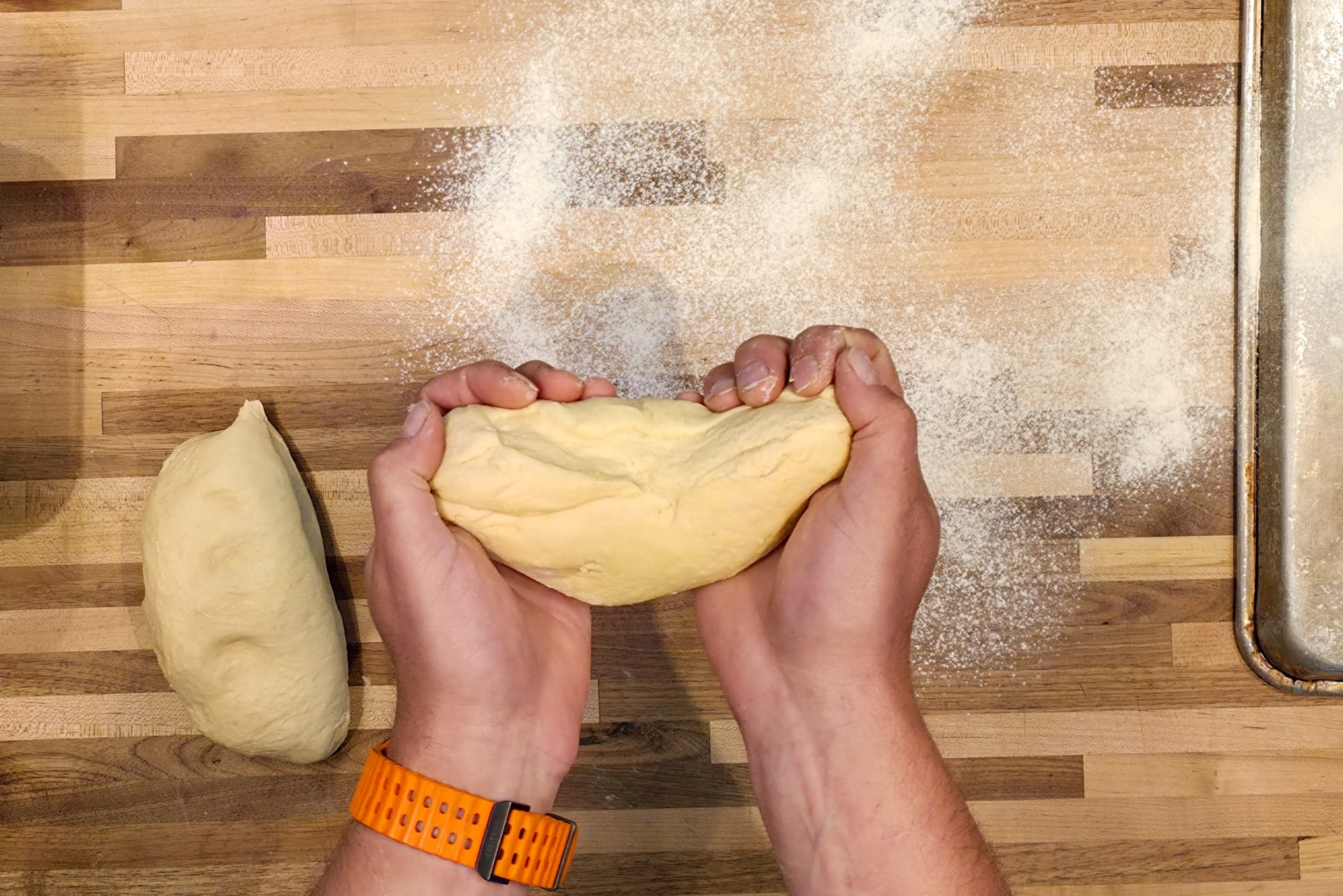
First, gently roll the dough in the air to create a basic cylinder shape, then place it on a floured surface for further forming.
Note:
- Starting by forming the dough in the air will help prevent wrinkles that could accumulate flour and potentially open, damaging the dumpling’s shape during cooking.
- If the dough is too sticky, you can either incorporate a little more flour or skip this step and proceed with forming it on the floured surface.
4.3.
4.4.
Place the shaped dumpling on a lightly floured upside down baking sheet (or cutting board), lightly flour the top of the dumpling, and let rest for about 15 -30 minutes while covered with a dish towel.
Note:
Extending the rising time may result in over-proofed dumplings that can complicate the cooking process (dumplings may not hold together well).
5.Cooking the Czech Bread Dumpling Houskovy Knedlik Recipe:
5.1.
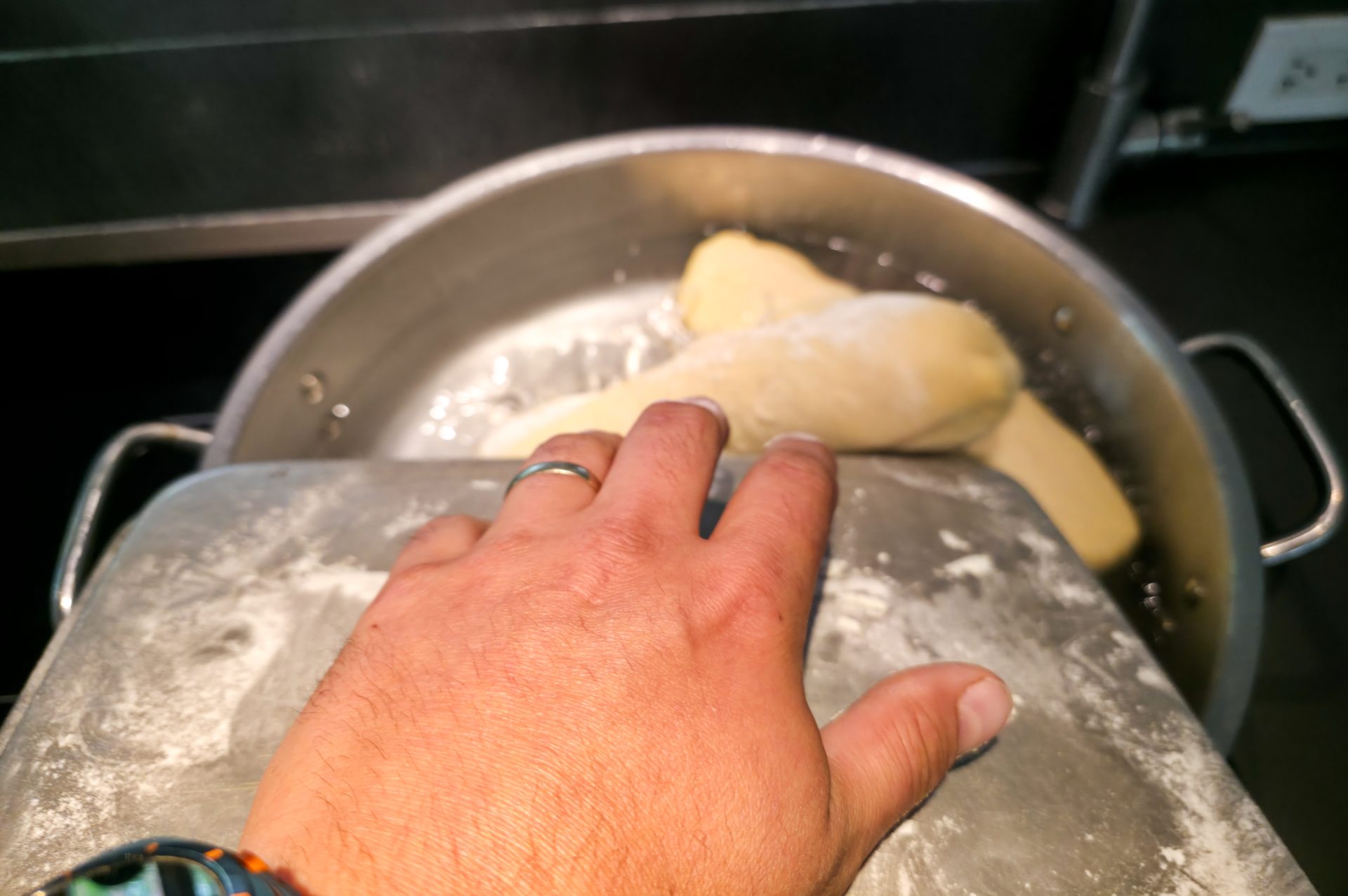
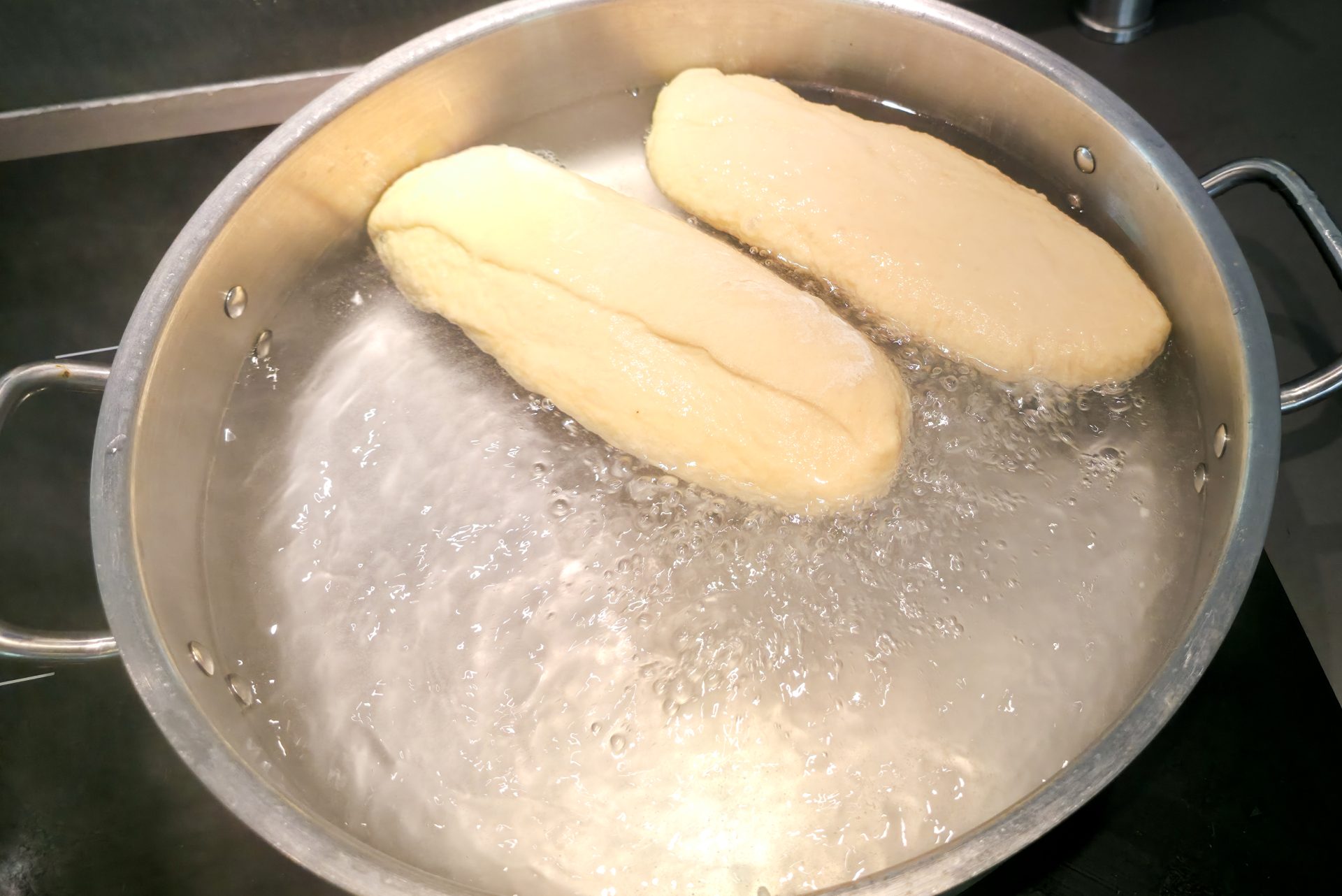
5.3.
Cook the dumplings in boiling water for about 8 minutes.
5.4.
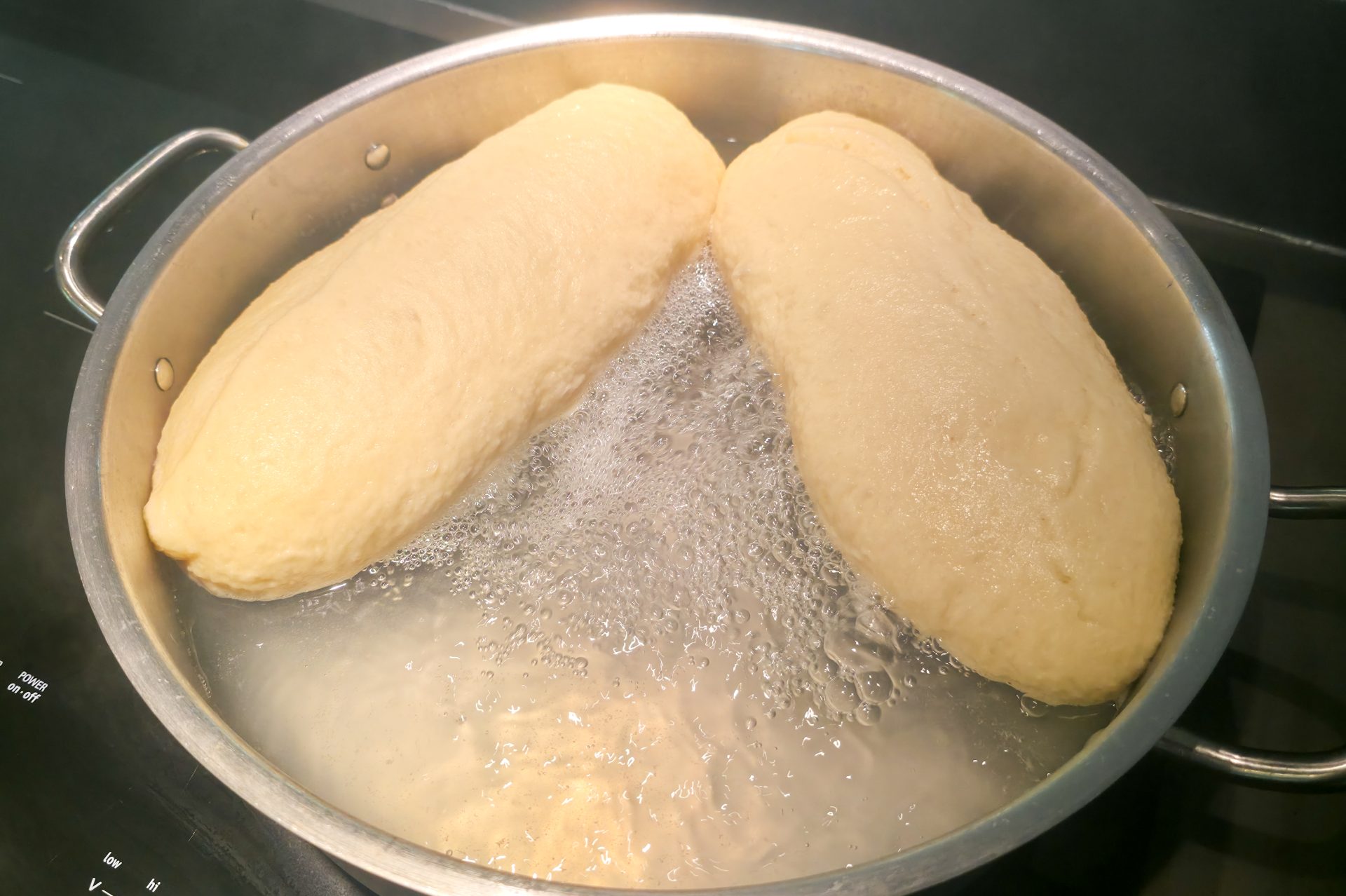
5.5.
Cook for another 6 to 9 minutes, or until the dumplings are fully cooked.
Important:
- A dumpling is fully cooked when it reaches an internal temperature of at least 165°F at its thickest point.
- To measure the temperature, I use a food thermometer near the end of the cooking time while the dumpling is still in the boiling water.
- Because it is difficult to reach the exact center of the thickest point, I aim for a slightly higher temperature of 175°F to ensure it is fully cooked.
- It is always better to slightly overcook a dumpling than to undercook it. An overcooked dumpling will shrink as it cools, but an undercooked dumpling with a raw center cannot be cooked further and will need to be discarded.
5.7.
Tips:
- Do you want to make the dumpling process a little easier? Make 2 or 3 short dumplings instead of one long dumpling. It will be easier to manipulate them in the pot.
- If you have already prepared your dumpling ahead of time, it is easiest to reheat individual slices in the microwave at the time of serving; or you can use any steam pot. Either way they will quickly become warm and steamy.
- You can also freeze your dumplings (whole or sliced) for later use (they stay great in the freezer for up to a half year. It is best to slice the dumpling before freezing for faster defrosting).
Popular questions
Can I make these Czech Side Bread Dumplings ahead of time?
Absolutely! This is one of the great things about this dumpling recipe. If you have already prepared your dumplings ahead of time, you have a couple of easy options for reheating them. The easiest way is to reheat individual slices in the microwave when you're ready to serve. You can also use a steam pot to make them warm and steamy again. For long-term storage, these dumplings freeze wonderfully. You can freeze them whole or sliced for up to six months. I recommend slicing them before freezing, as it makes defrosting much faster.
Share
Click on the icons below to share "Title of the item to share"