
Bread and Pastry Recipes
Christmas Vánočka (Houska) Recipe
1 loaf (about 12 servings)
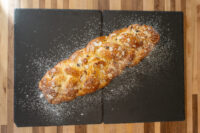
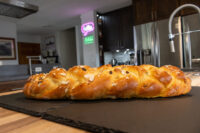
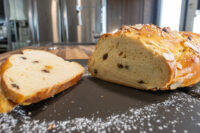
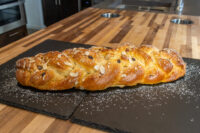
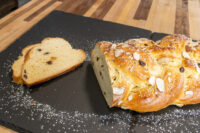
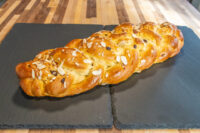
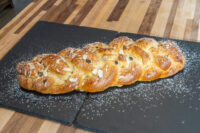
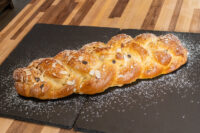
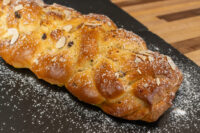
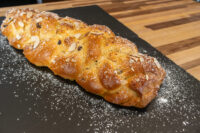
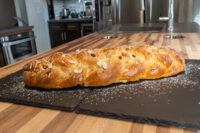
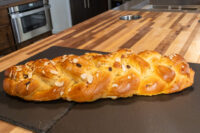
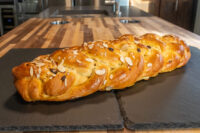
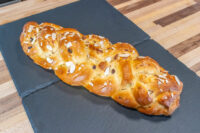
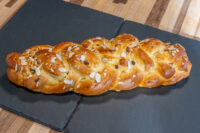
Christmas Vánočka (Houska) Recipe is a Czech and Slovak Tradition. Bring the taste of a traditional Czech Christmas to your table with this authentic Vánočka (often called "Houska" in the USA) recipe. Known as the bread of "Vánoce" (Christmas), this scrumptious sweet bread, studded with raisins and almonds, is typically prepared for the holidays. Read More
Bread and Pastry Recipes
VegetarianLow-sodium
Before You Start
Let’s talk about important parts of the recipe before you start…
Bringing the Czech Holiday Spirit Home
I am Tom the Chef, and I am delighted to share my Christmas Vánočka (Houska) Recipe with you. This is not just a baking task; it is a cherished Czech and Slovak tradition that I hold dear. By following my instructions, you will bring the authentic taste of a traditional Czech Christmas right to your table. In the USA, many people know this as Houska, but back home, we know it as the bread of Vánoce. This scrumptious sweet bread is packed with the flavors of raisins and almonds and is a centerpiece for the holidays. I have written this recipe to yield one large loaf that serves about 12 people. I will guide you through using bread flour, active dry yeasts, and fresh lemon zest to create a masterpiece that smells as good as it tastes.
1. Preparing the Active Leaven
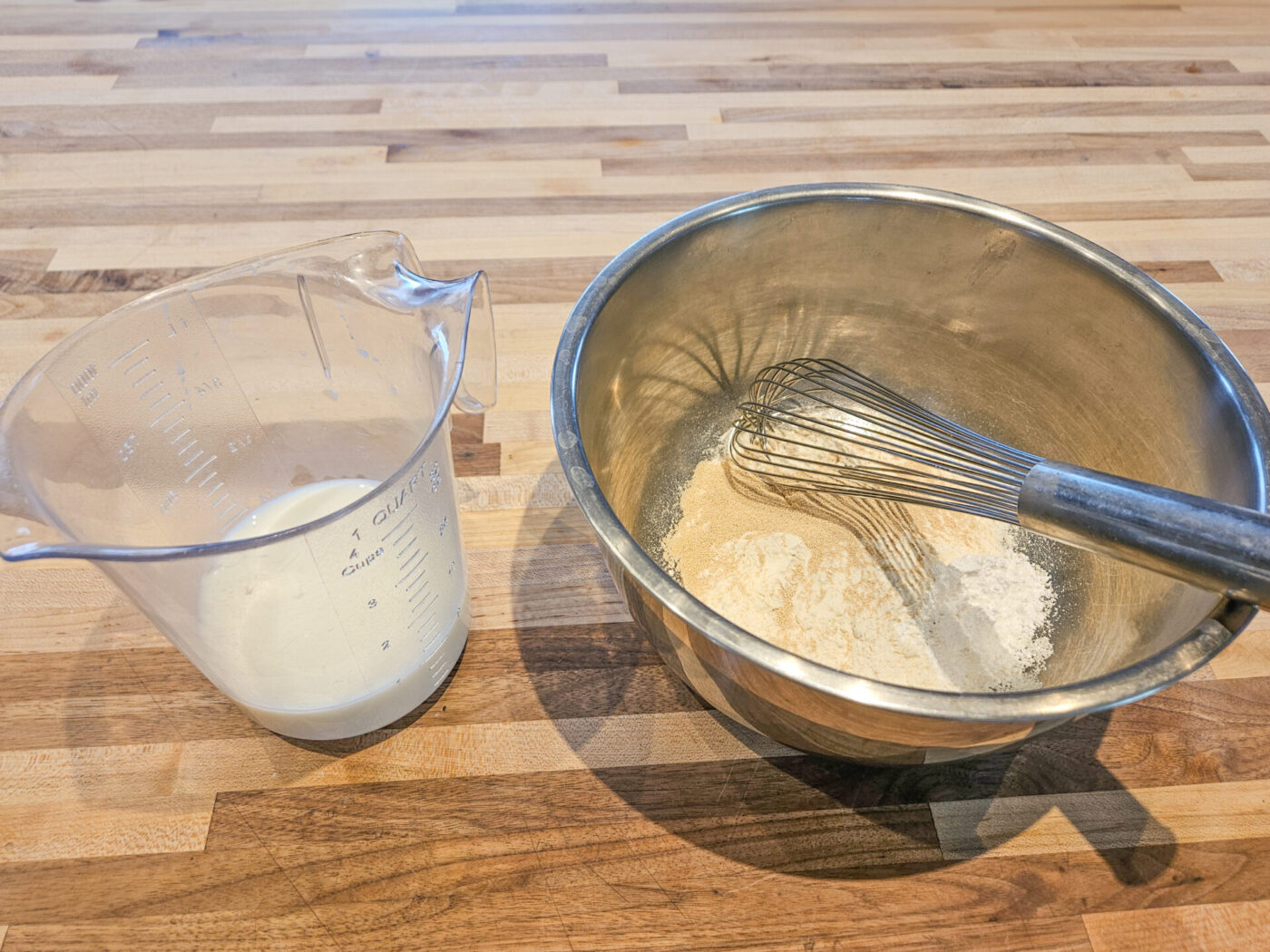
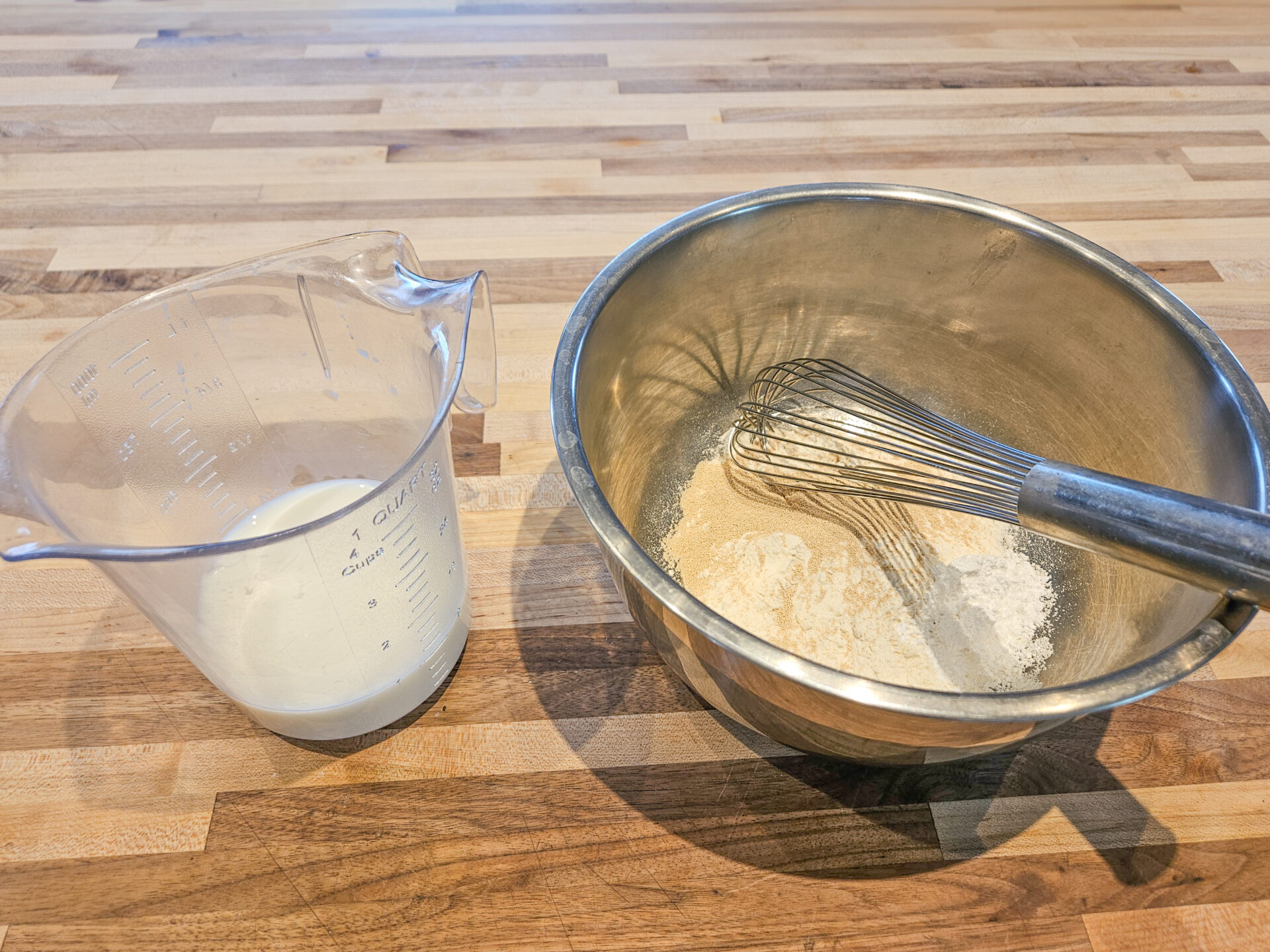
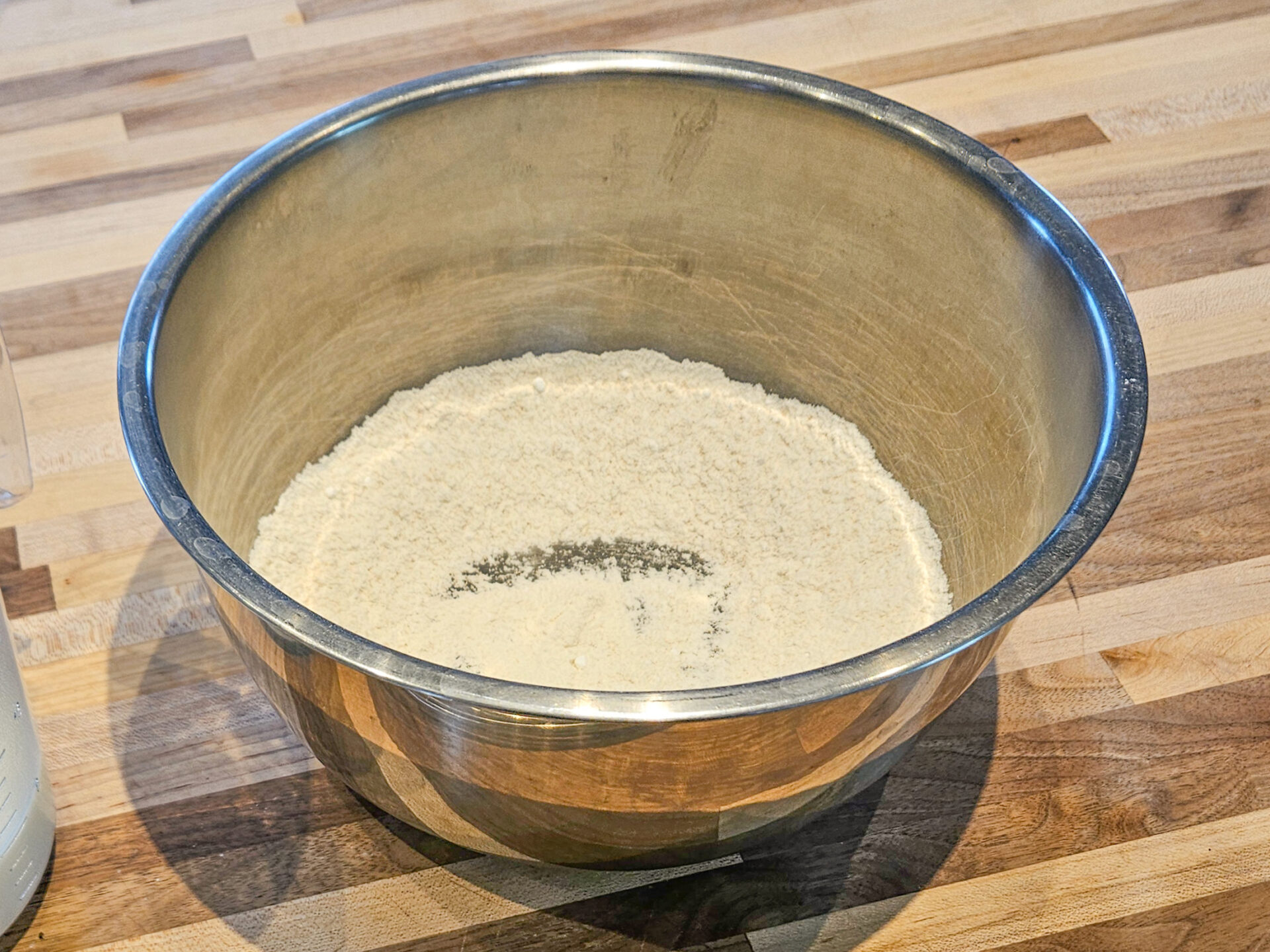
To start my Christmas Vánočka (Houska) Recipe, I focus first on the leaven, which is the heart of the rise. I place half a cup of lukewarm milk into a medium mixing bowl. It is very important that I preheat the milk in the microwave to between 90 and 100 degrees Fahrenheit. If the milk is too hot, it kills the yeast; if too cold, it won’t activate. To the milk, I add half a cup of bread flour, one tablespoon of confectioners’ sugar, and one tablespoon of active dry yeasts. I whisk this thoroughly for about 30 seconds until fully combined. Then, I cover it with plastic wrap and use a knife to create one small hole to let it breathe. I set this aside for 15 to 20 minutes until it doubles in volume, ensuring my yeast dough is lively and ready.
2. Infusing Flavor into the Raisins
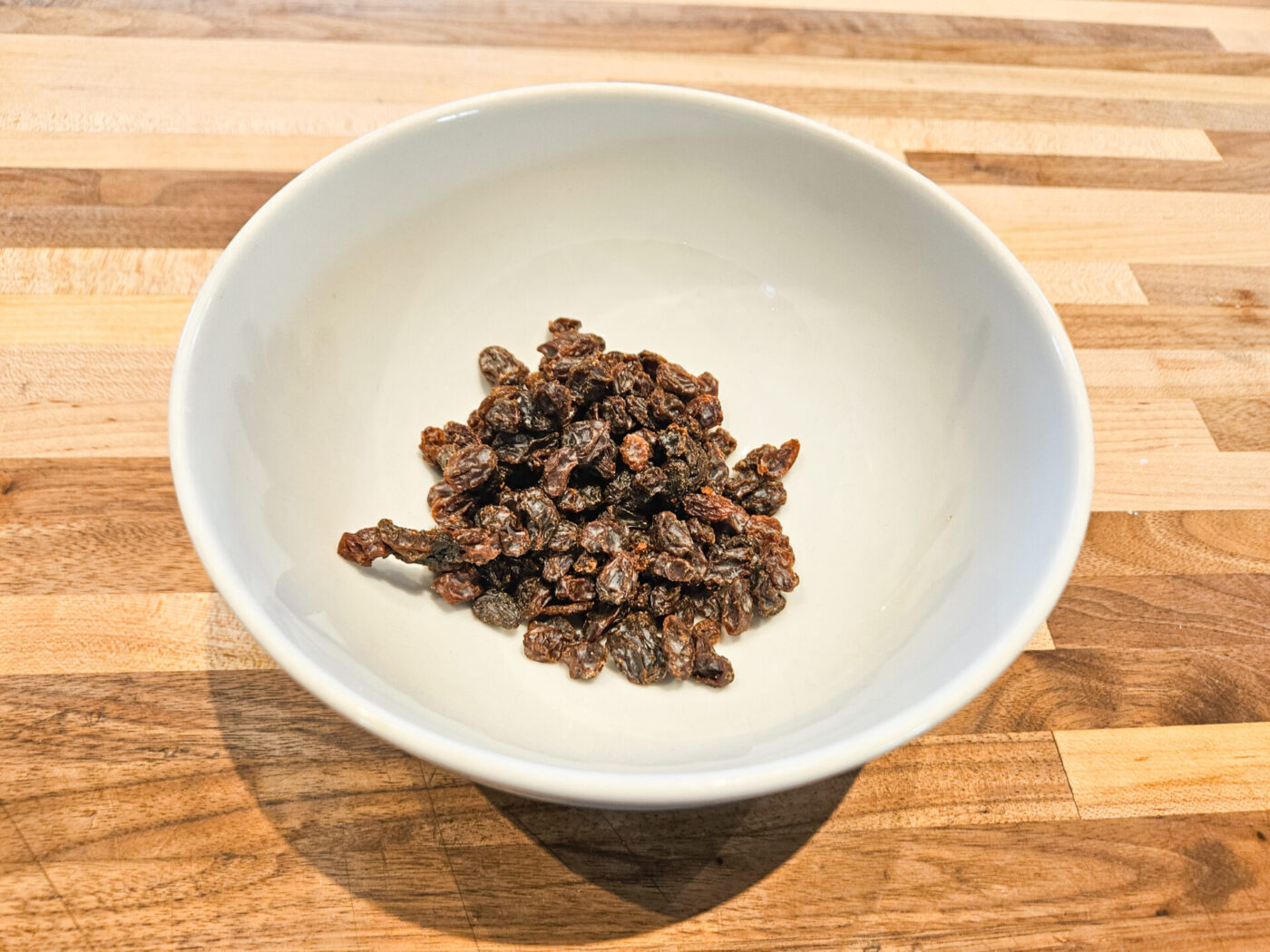
A key flavor profile in this Czech Christmas bread comes from the fruit. While the leaven is working, I prepare the raisins. I place half a cup of raisins (dried grapes) into a mixing bowl and add two teaspoons of rum extract. I thoroughly stir them to ensure every raisin is coated. I let this mixture sit on the countertop until I need it later in the process. This step is vital because it allows the raisins to soften slightly and absorb the rum extract, which distributes a beautiful aroma throughout the sweet bread during baking. When I eventually add them to the dough, I make sure to include the rum residue as well.
3. Creating the Rich Dough Base
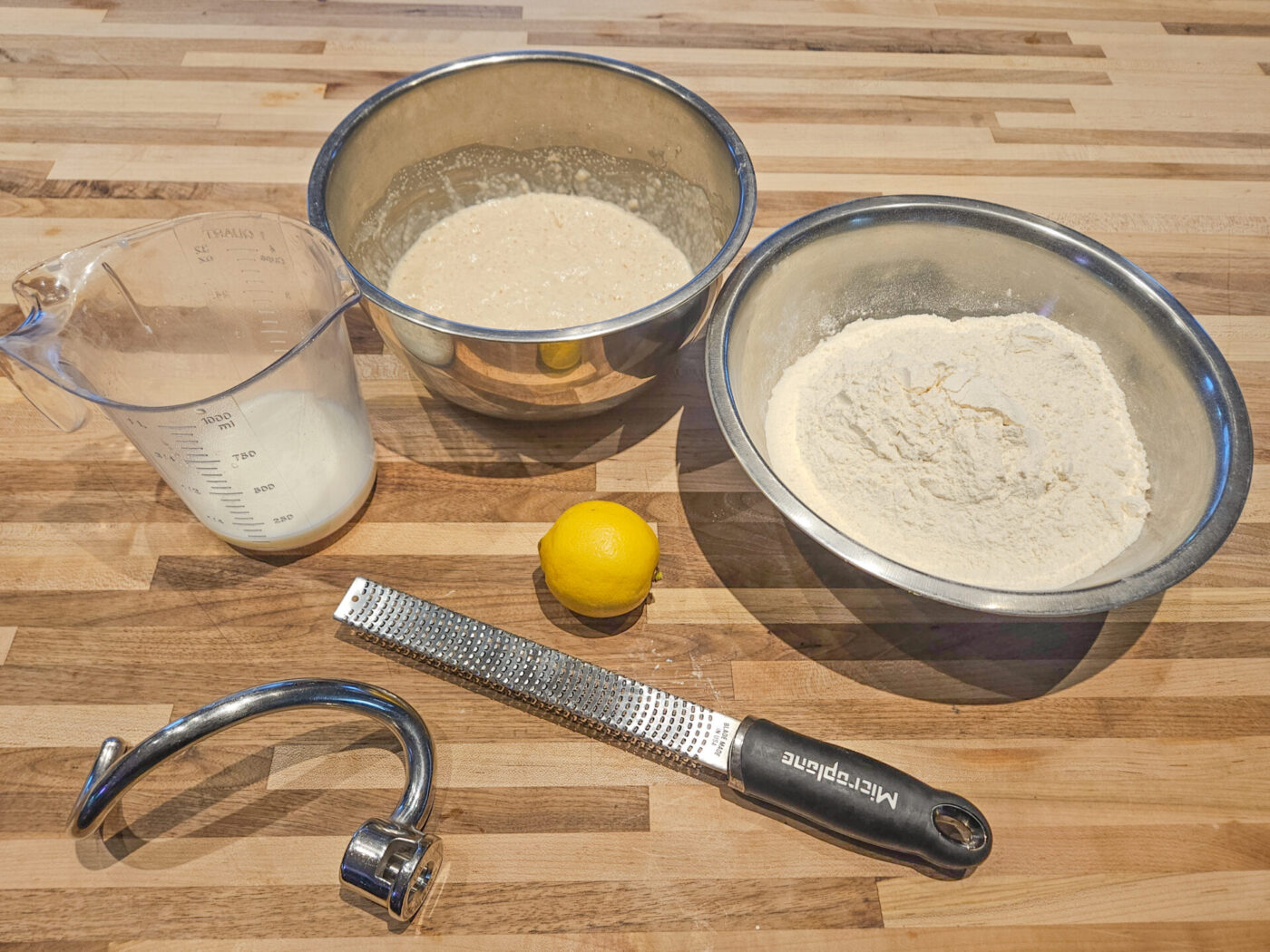
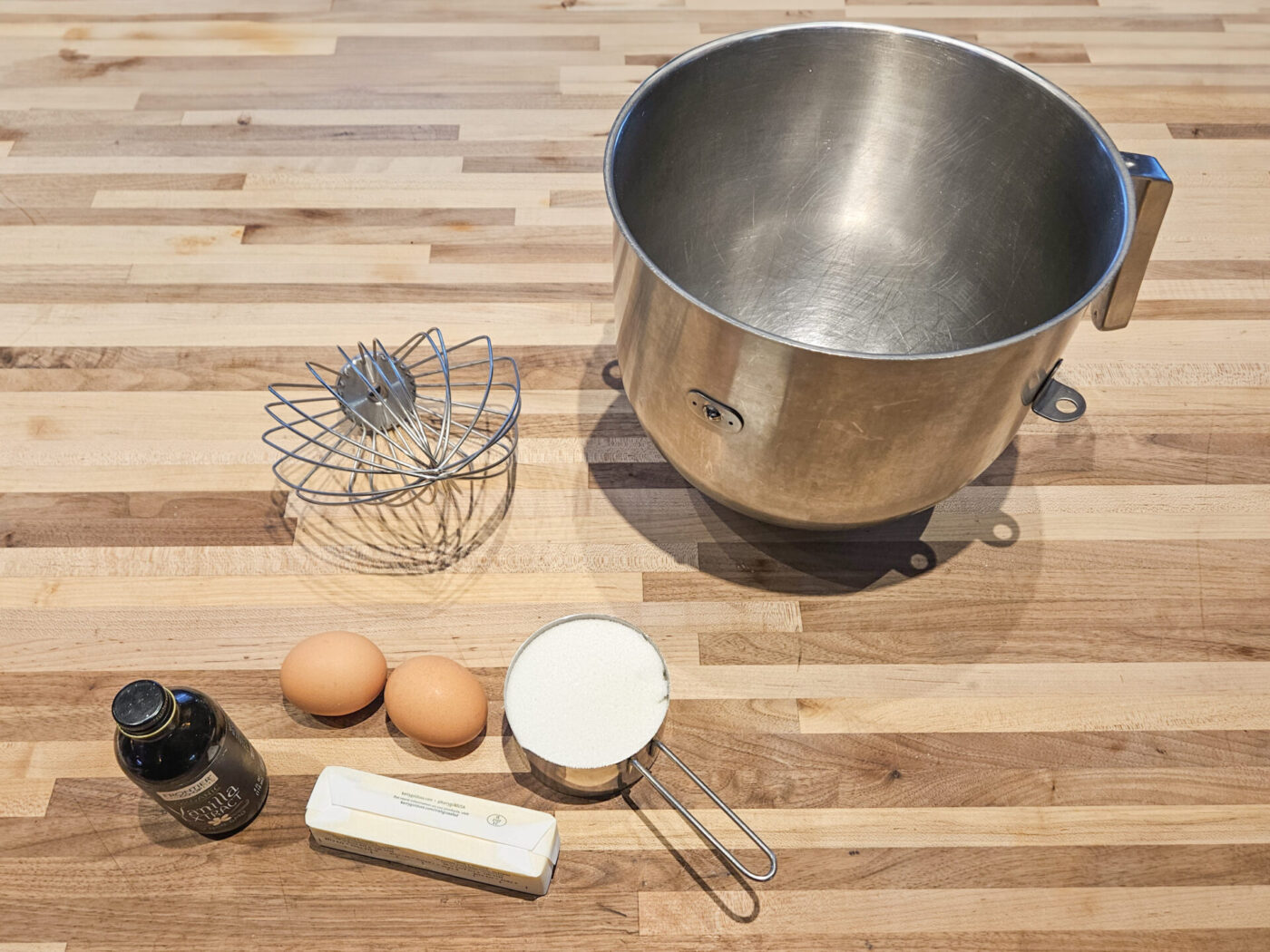
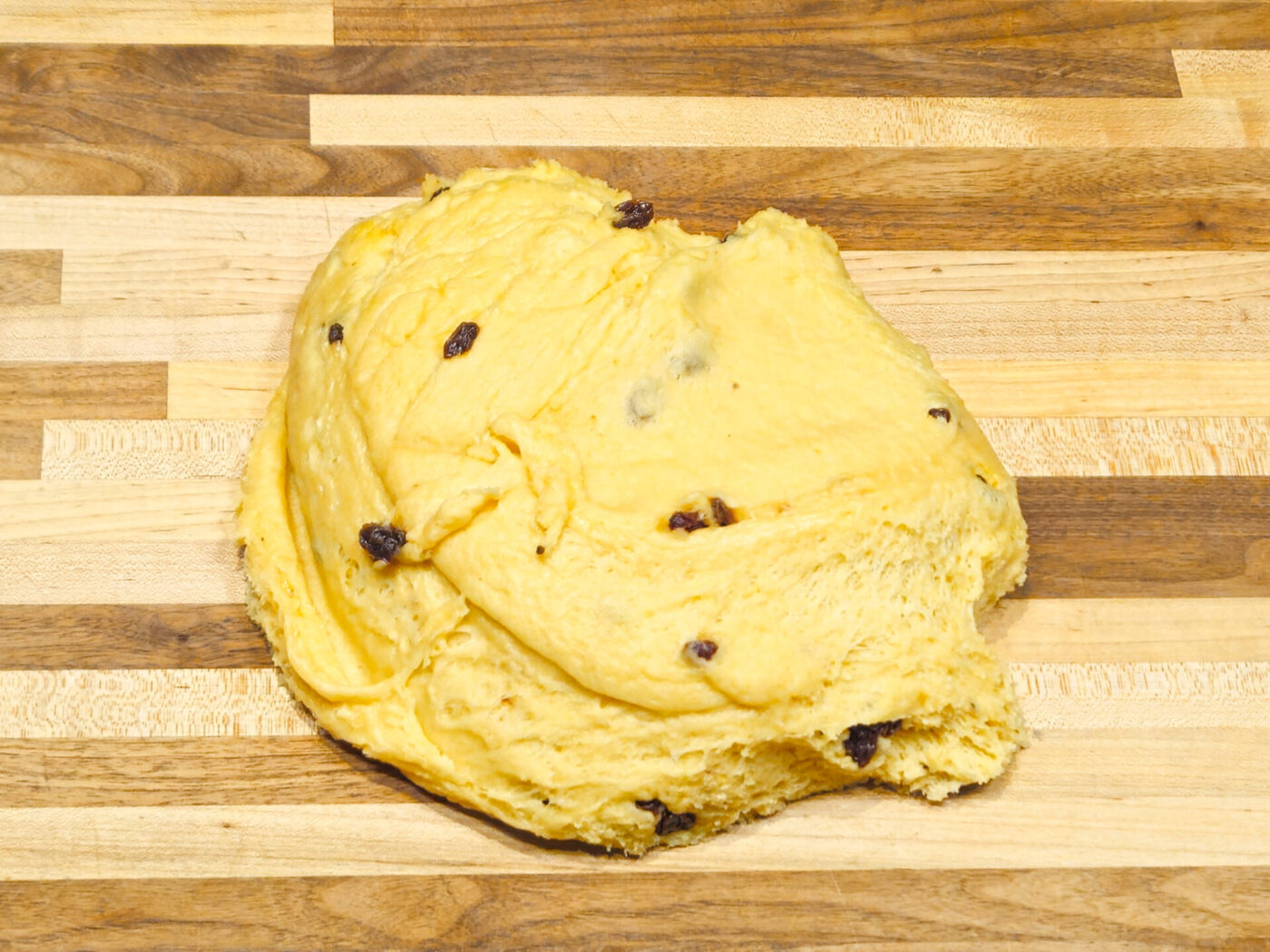
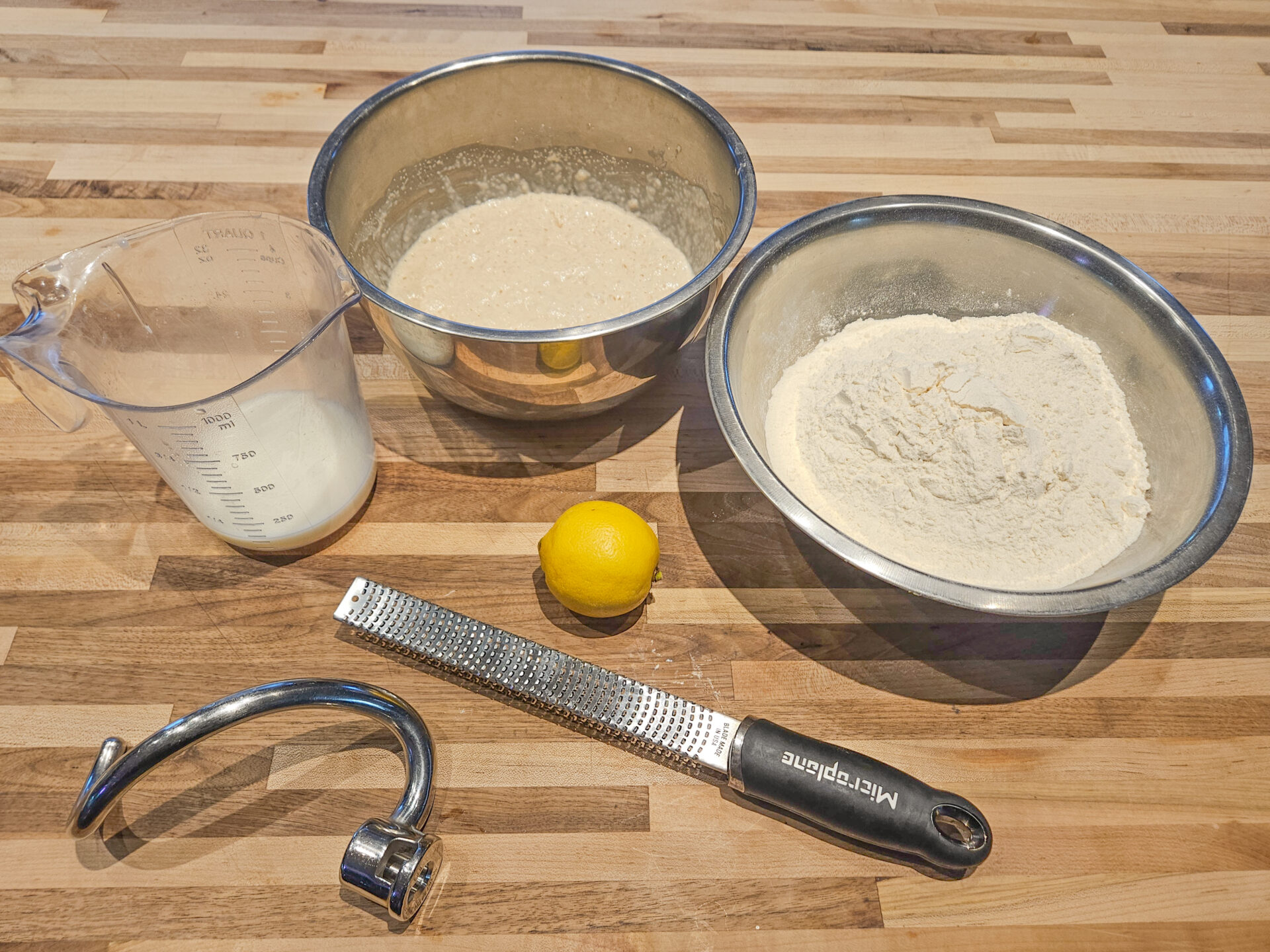
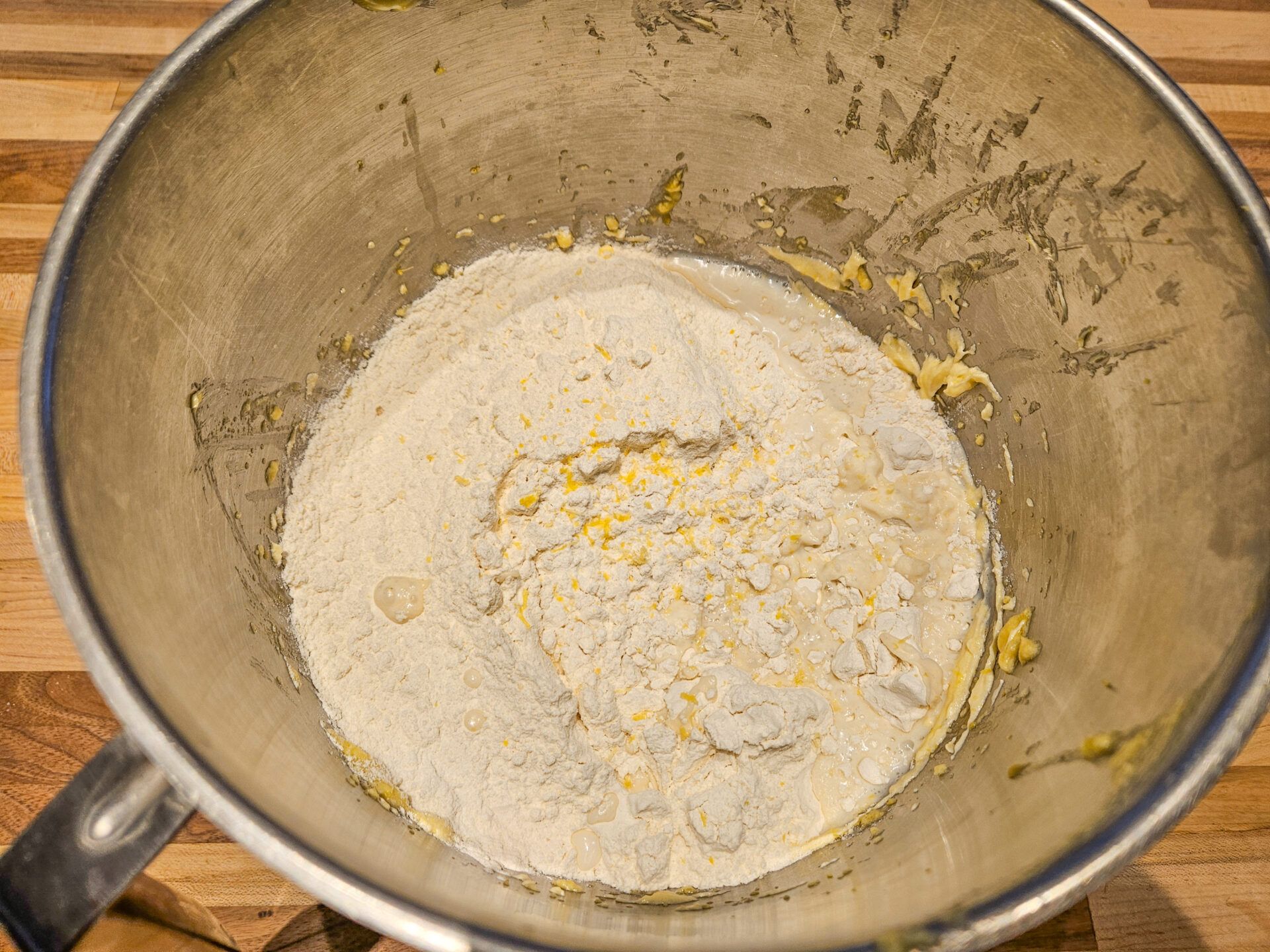
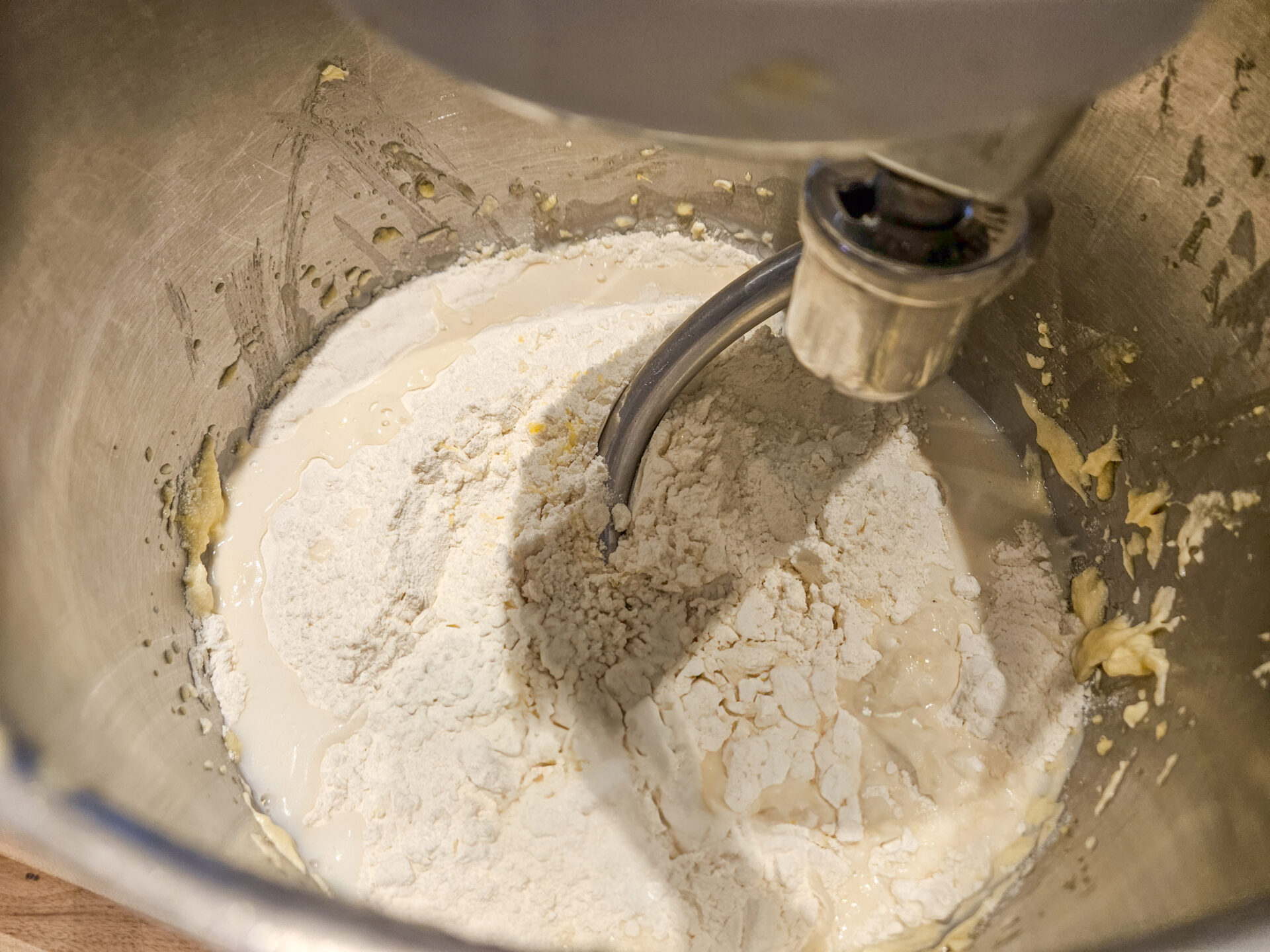
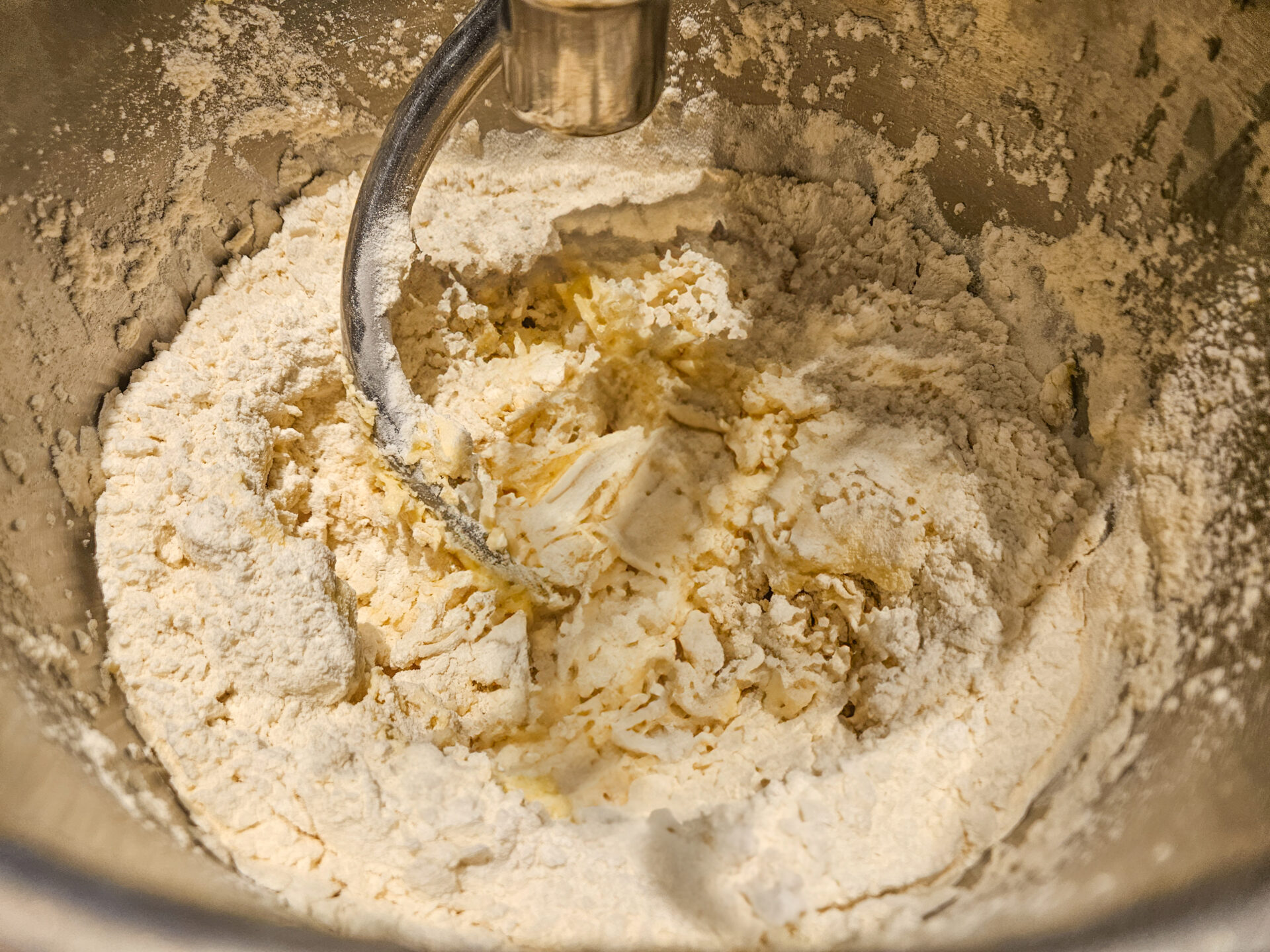
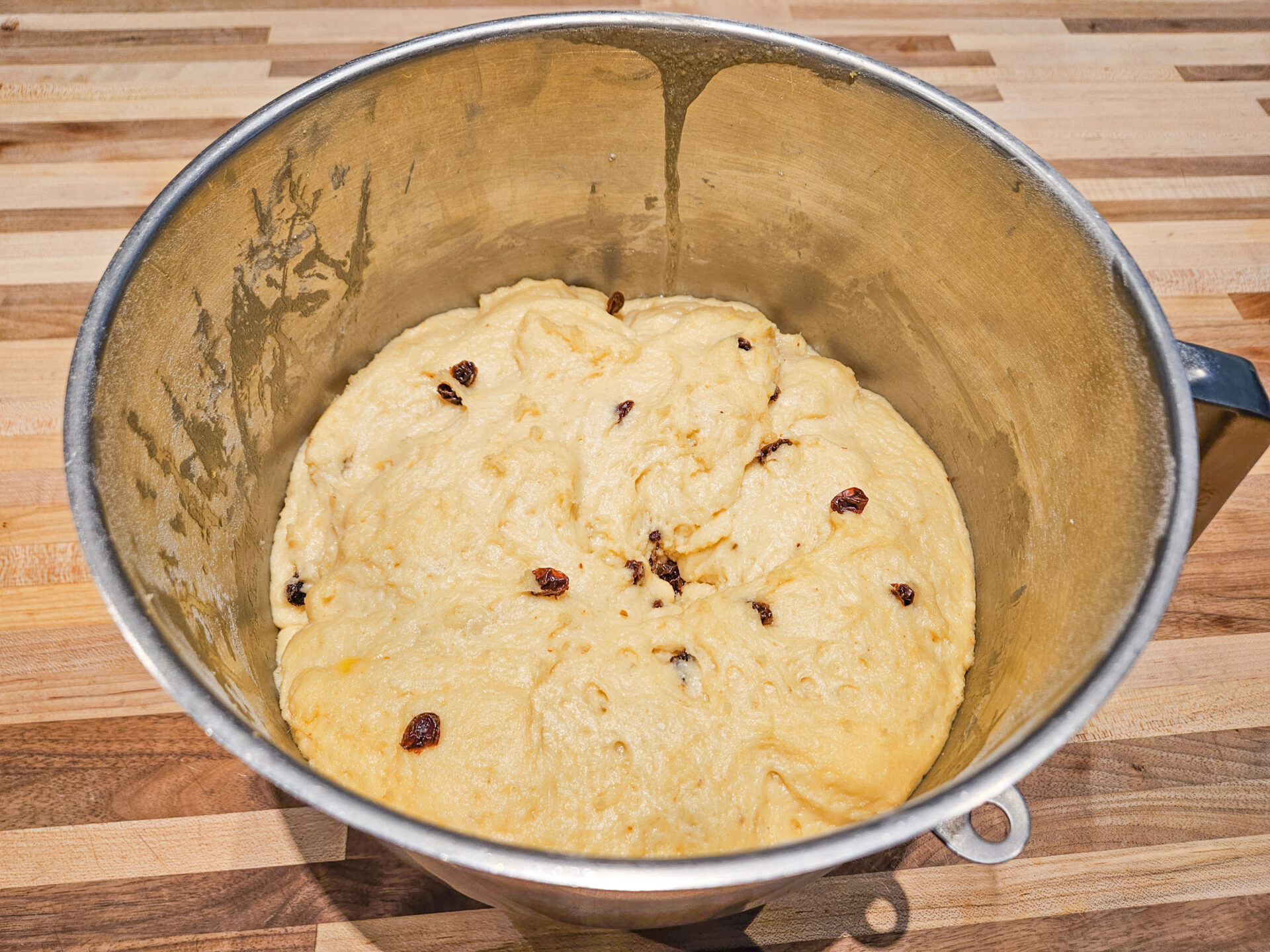
The texture of my Christmas Vánočka (Houska) Recipe relies on how I mix the enriched dough. I start by using a whisk attachment on my kitchen mixer. I combine two room-temperature eggs (removed from the fridge an hour prior), one cup of granulated sugar, one stick of soft unsalted butter, and one teaspoon of vanilla extract. I whisk this on high speed for 2 to 4 minutes until the butter is fully incorporated and the mixture is creamy. Only then do I switch to the hook attachment. I add the prepared leaven, zest from one lemon, four cups of bread flour, and another half cup of lukewarm milk. I knead on slow speed for 1 to 2 minutes, then increase to medium-high for another 1 to 2 minutes. Finally, I add the raisin mixture and process for one more minute. The result is a slightly sticky dough that I release with a bowl scraper.
4. Mastering the Proofing Environment
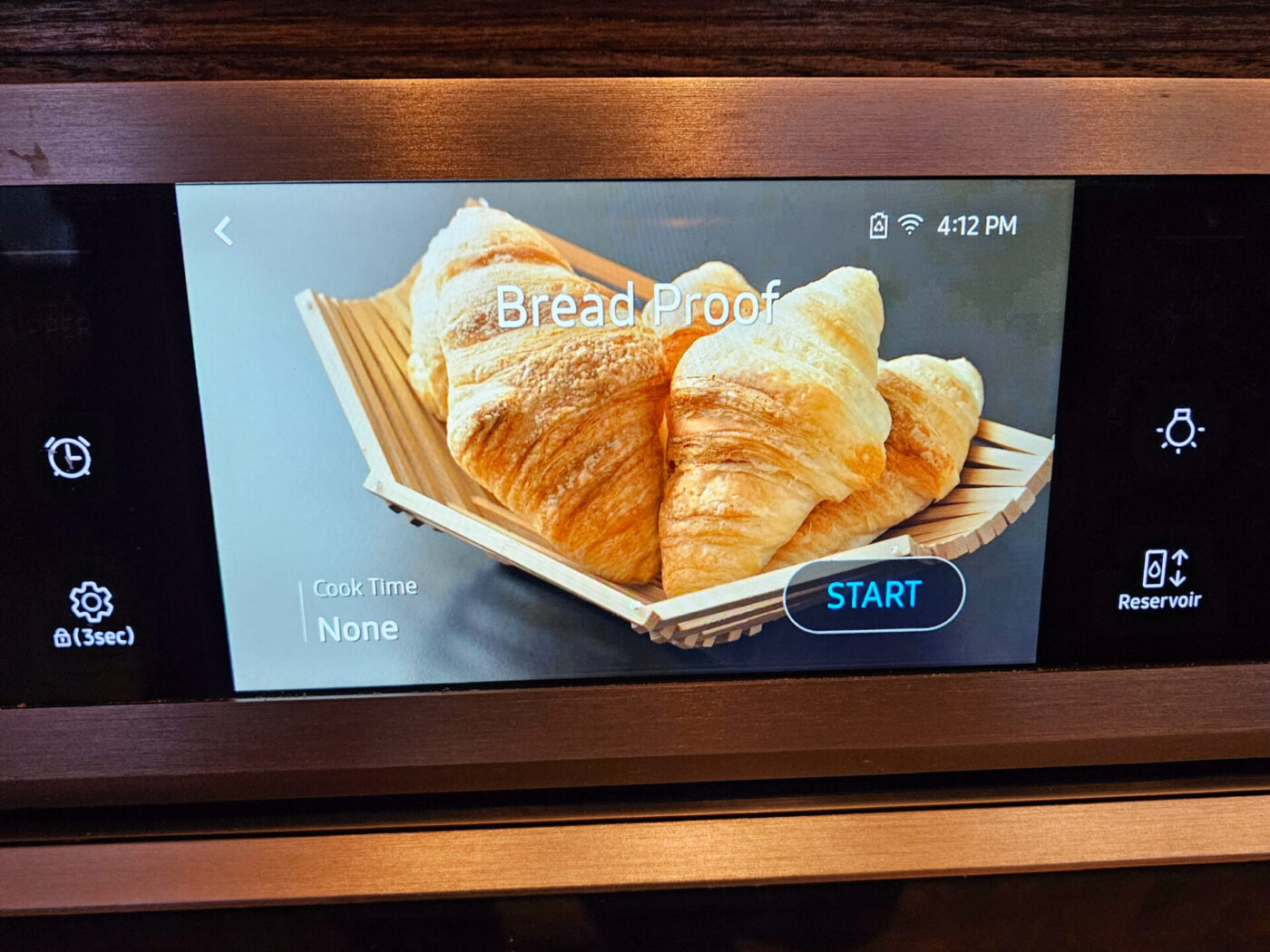
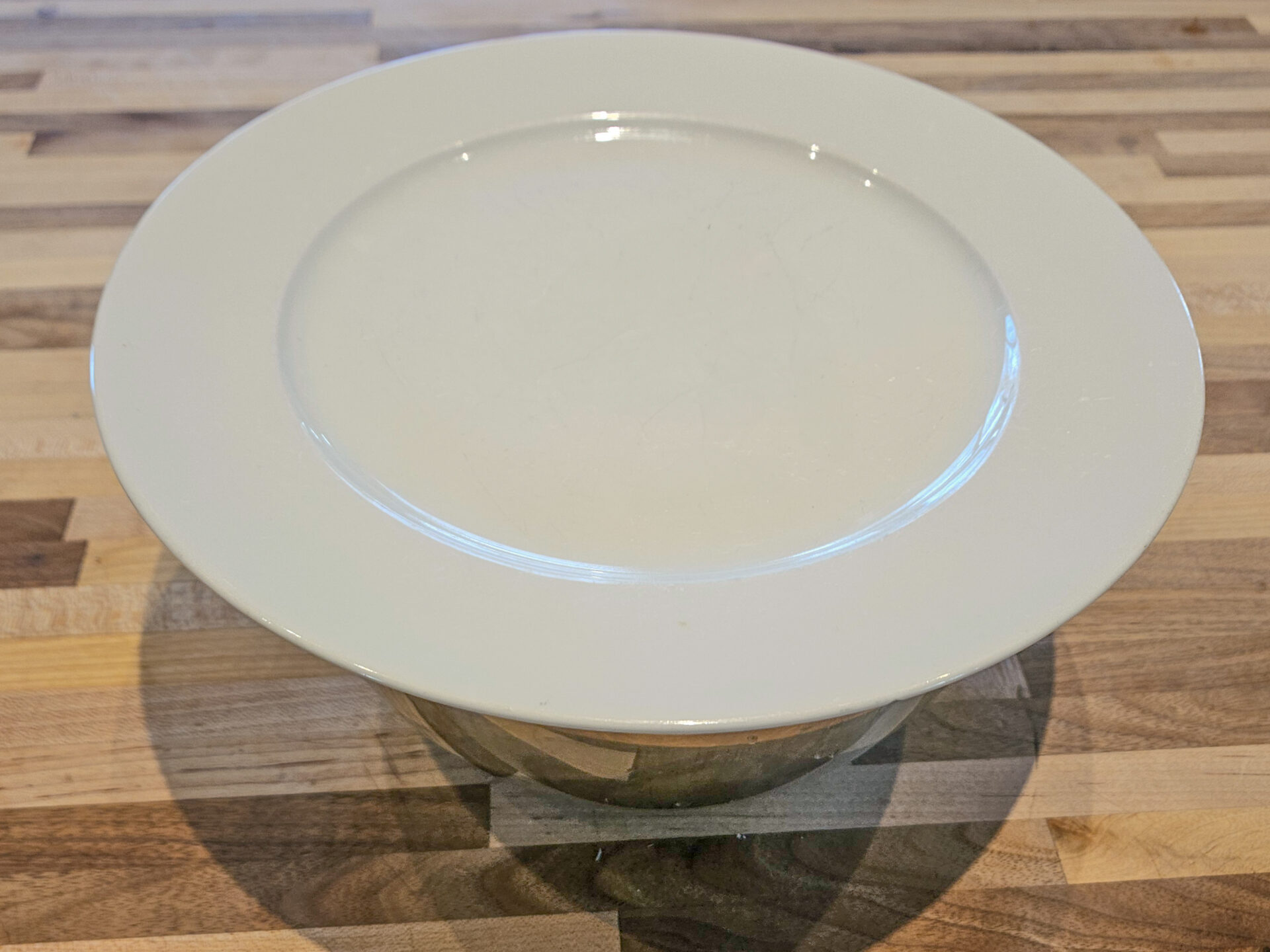
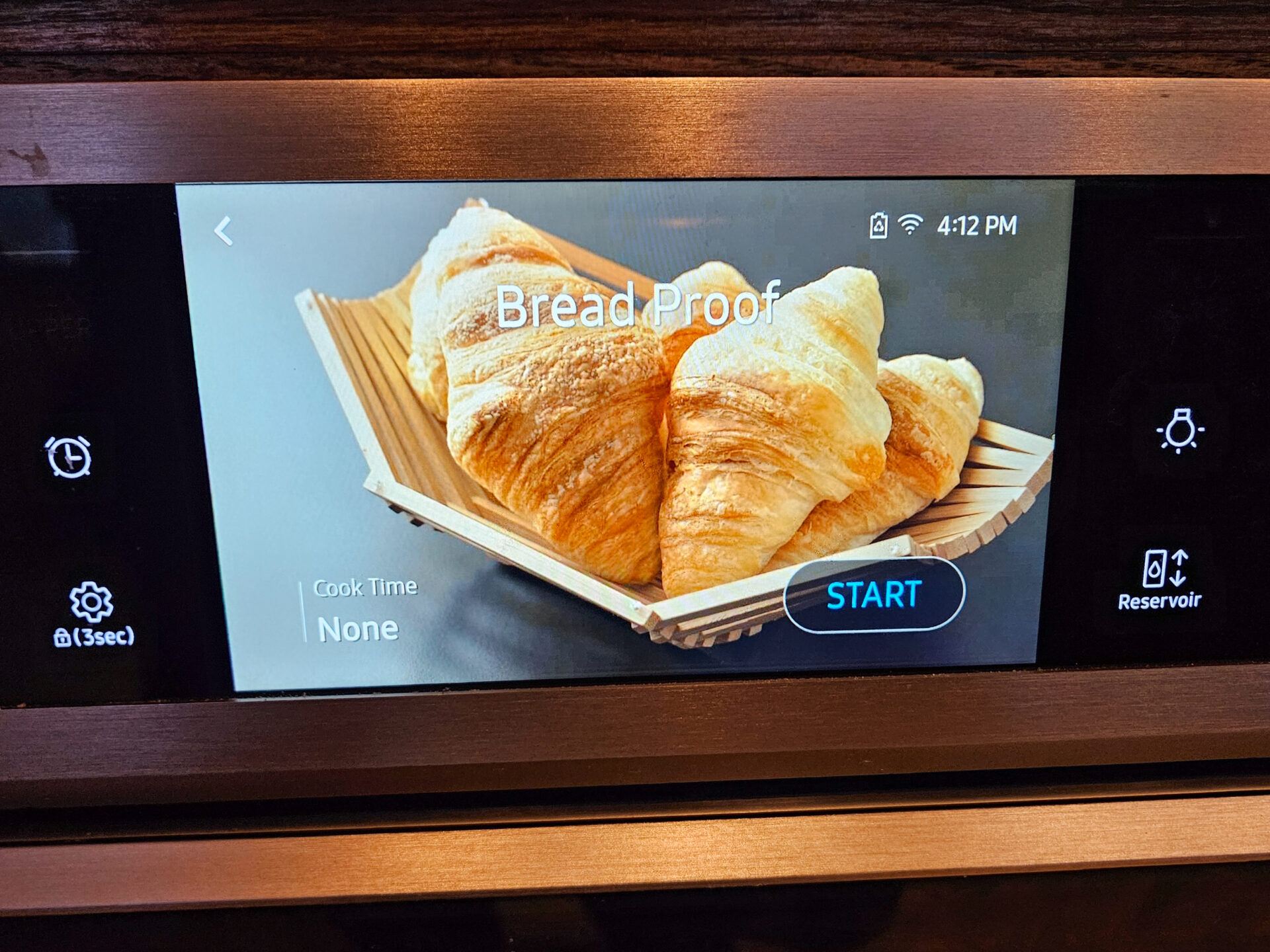
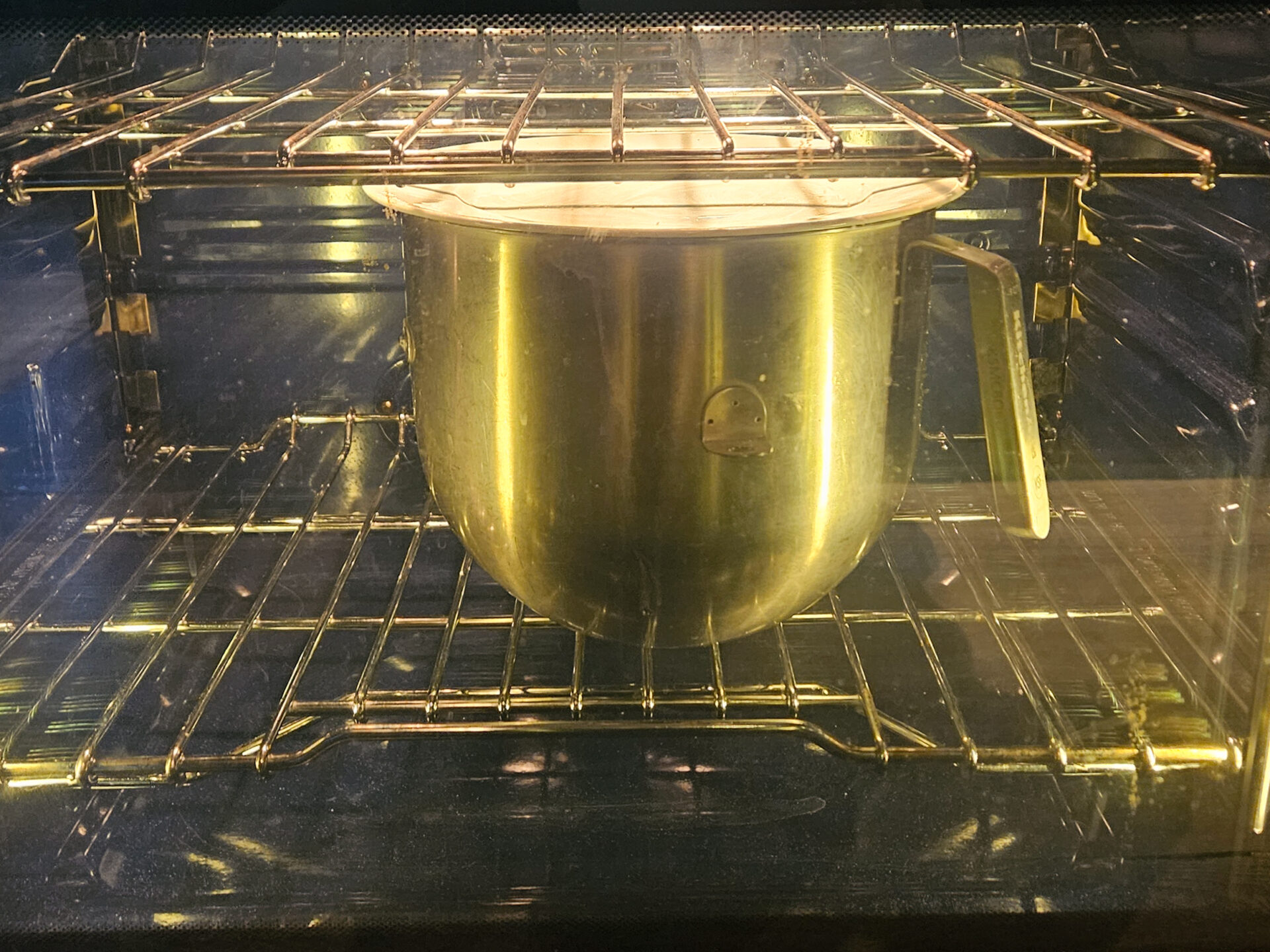
Proofing is where the magic happens for this yeast dough. After kneading, I cover the bowl with a plate and let it rise in a warm place until doubled, which takes 2 to 3 hours. I always tell home bakers that if their oven does not have a bread-proofing program, they can create one. I preheat the oven slightly for a couple of minutes and then turn it off. I carefully verify that the oven has reached a comfortable, sauna-like temperature. I imagine myself being in the oven; if I would feel comfortable, it is the right temperature for the dough. This controlled environment is crucial for the heavy sweet bread to rise properly. Alternatively, I suggest using the proximity of a fireplace or a spot near a stove where things are cooking.
5. Constructing the Six-Strand Braid
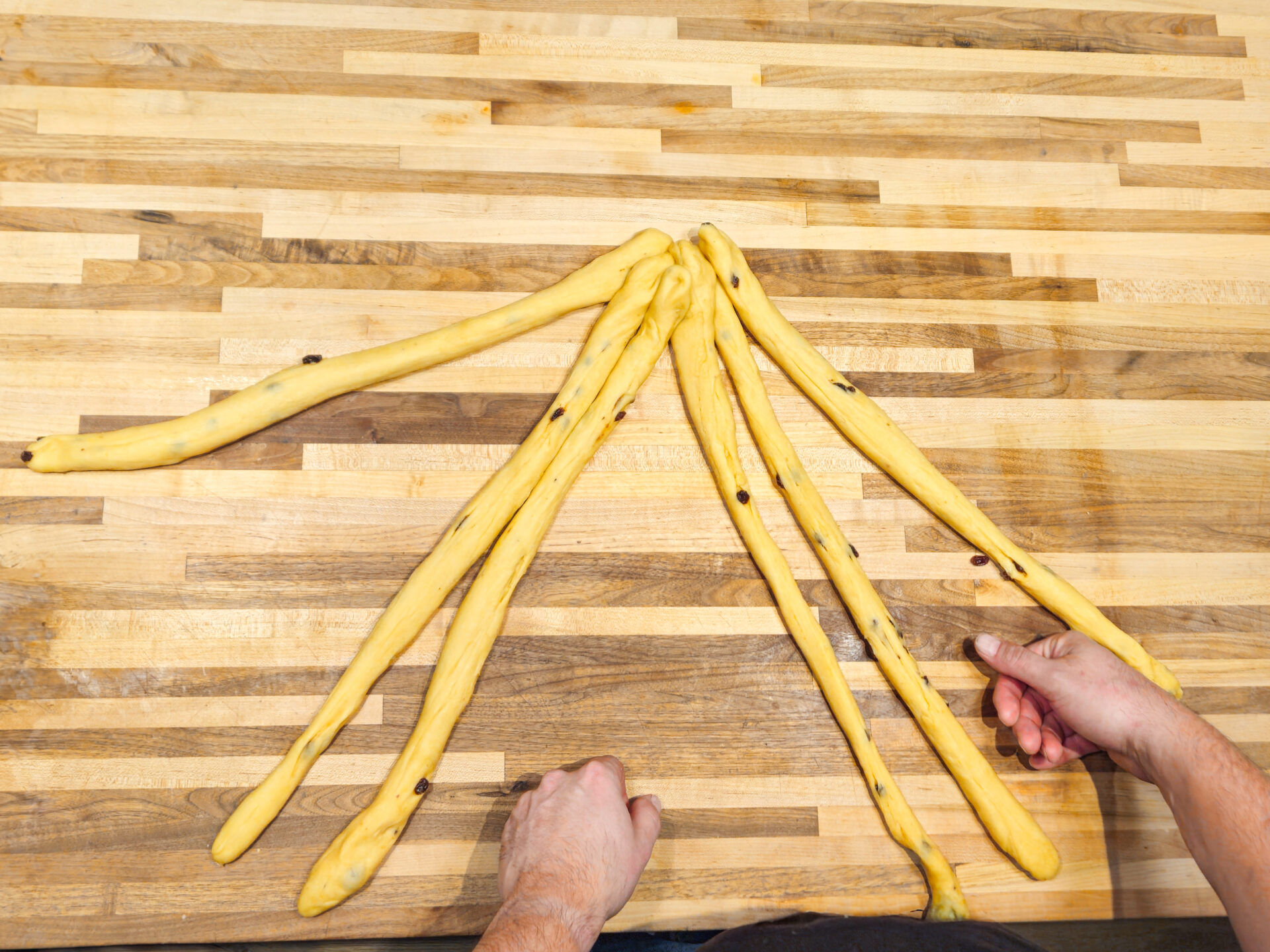
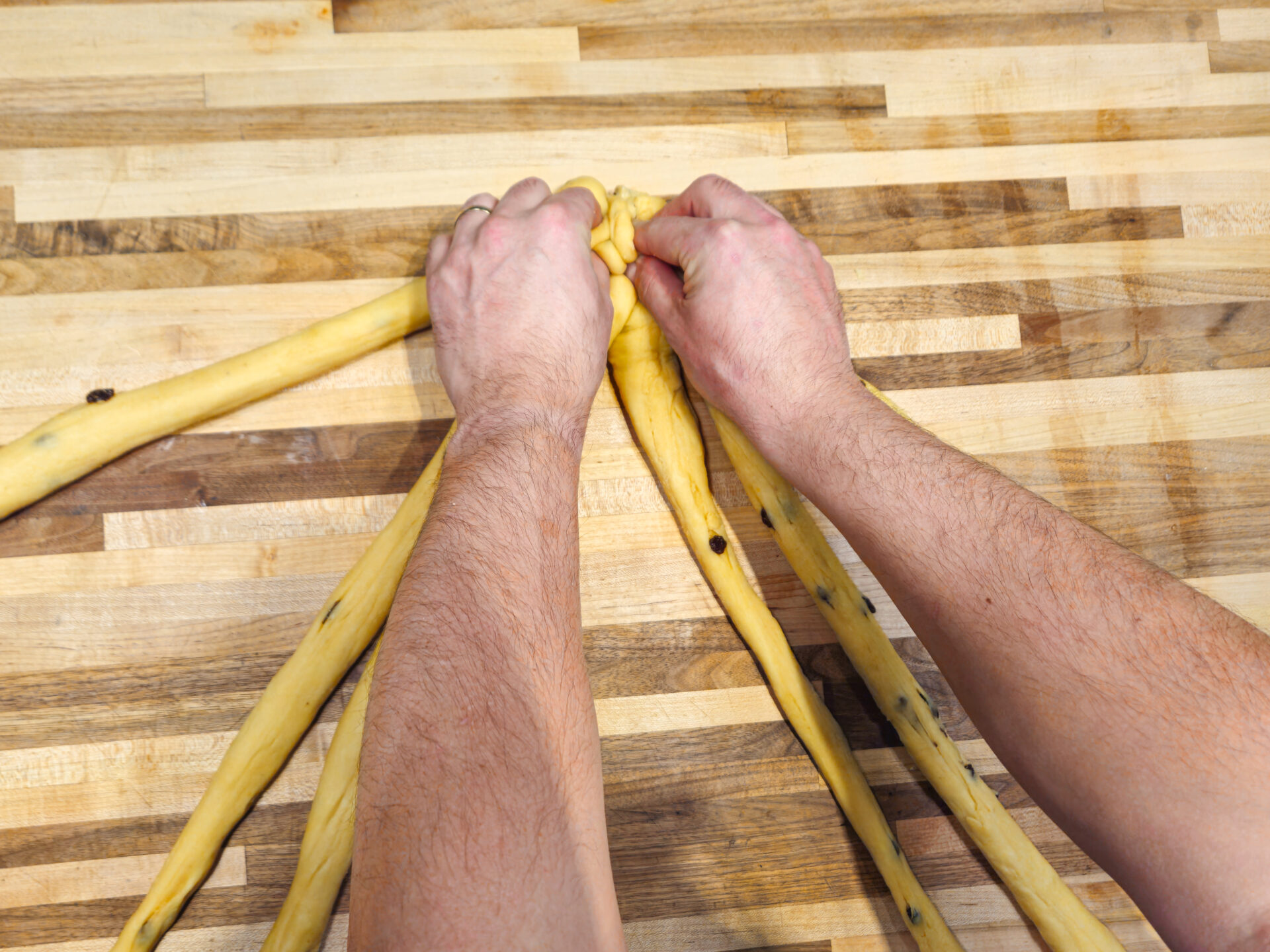
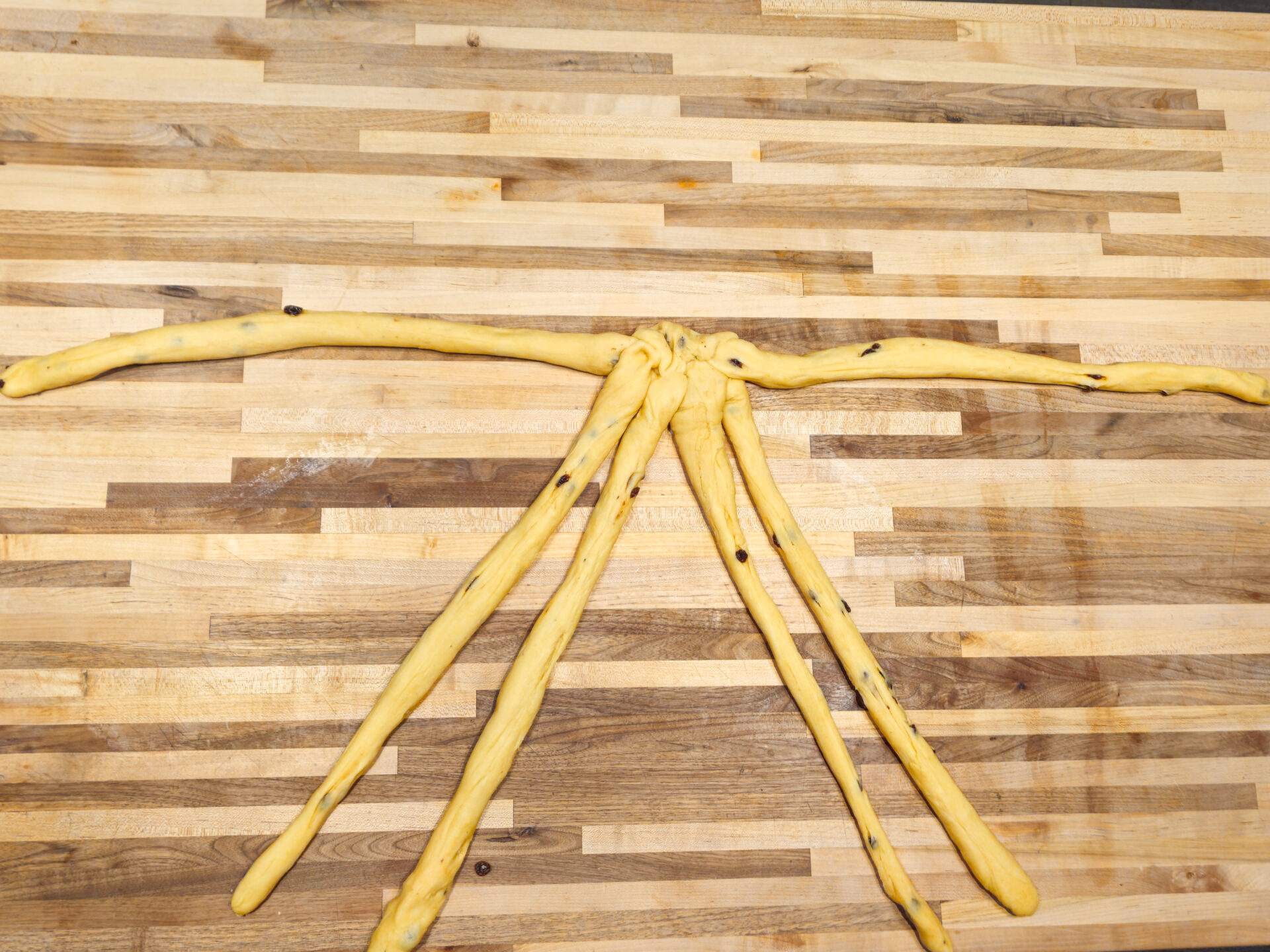
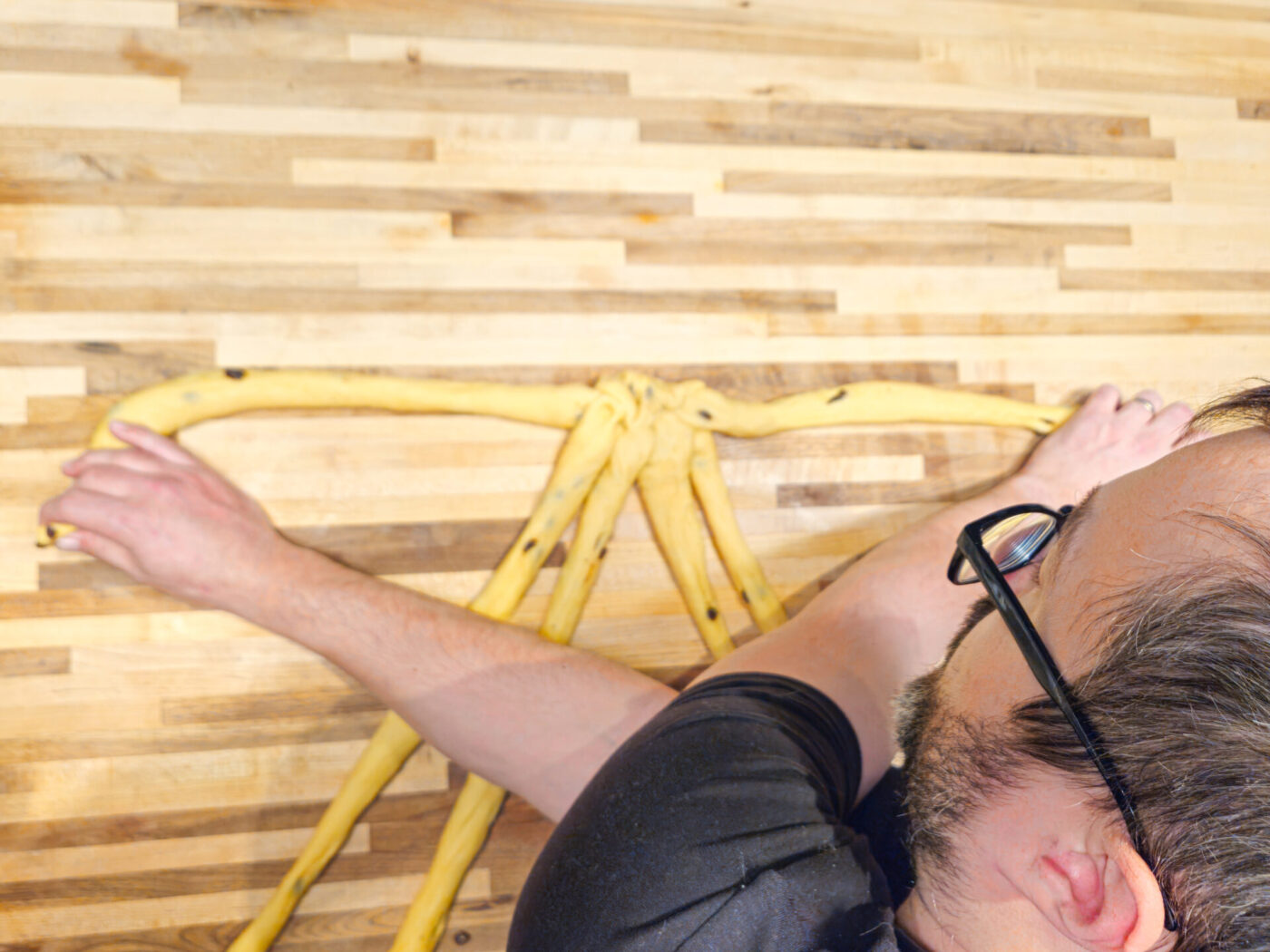
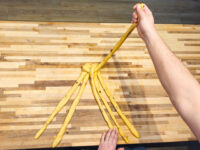
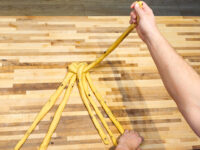
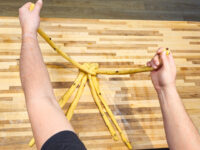
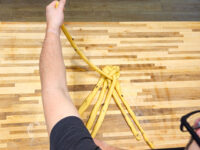
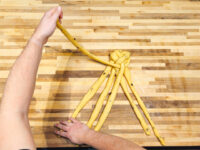
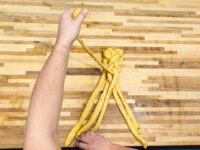
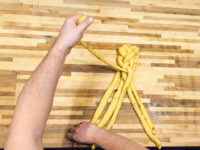
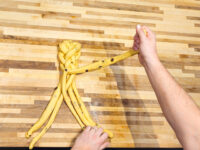
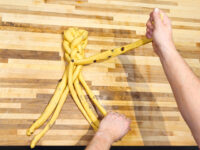
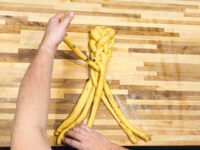
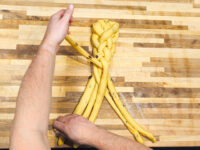
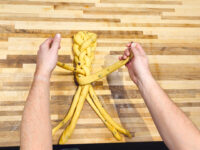
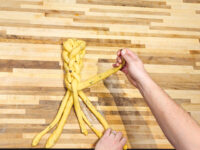
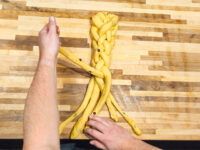
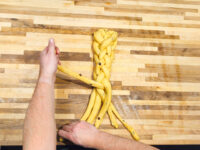
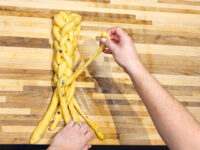
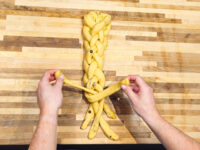
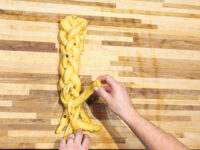
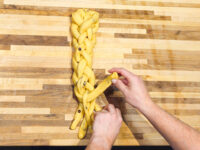
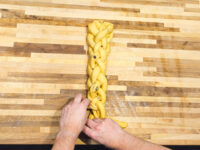
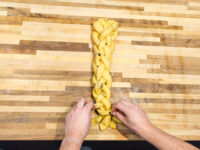
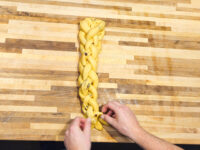
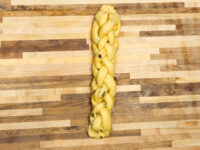
The visual appeal of this braided bread comes from a specific shaping technique. I work on a non-floured surface and separate the dough into 6 even pieces using a bowl scraper. I roll each piece into a strand about three-quarters to one inch thick. I arrange them with 3 on the right and 3 on the left, pinching them all together at the top. The braiding process involves crossing hands. With my left hand on top, I grab the outermost strands. I cross my hands and place the right strand in the center. Then, with my empty left hand, I take the outermost right strand. I cross my left hand under my right, place the strand in the center, and grab the left outermost strand with my right hand. I repeat this hypnotic process until the loaf is complete, creating the traditional structure of the Houska.
6. The Double-Stage Baking Method
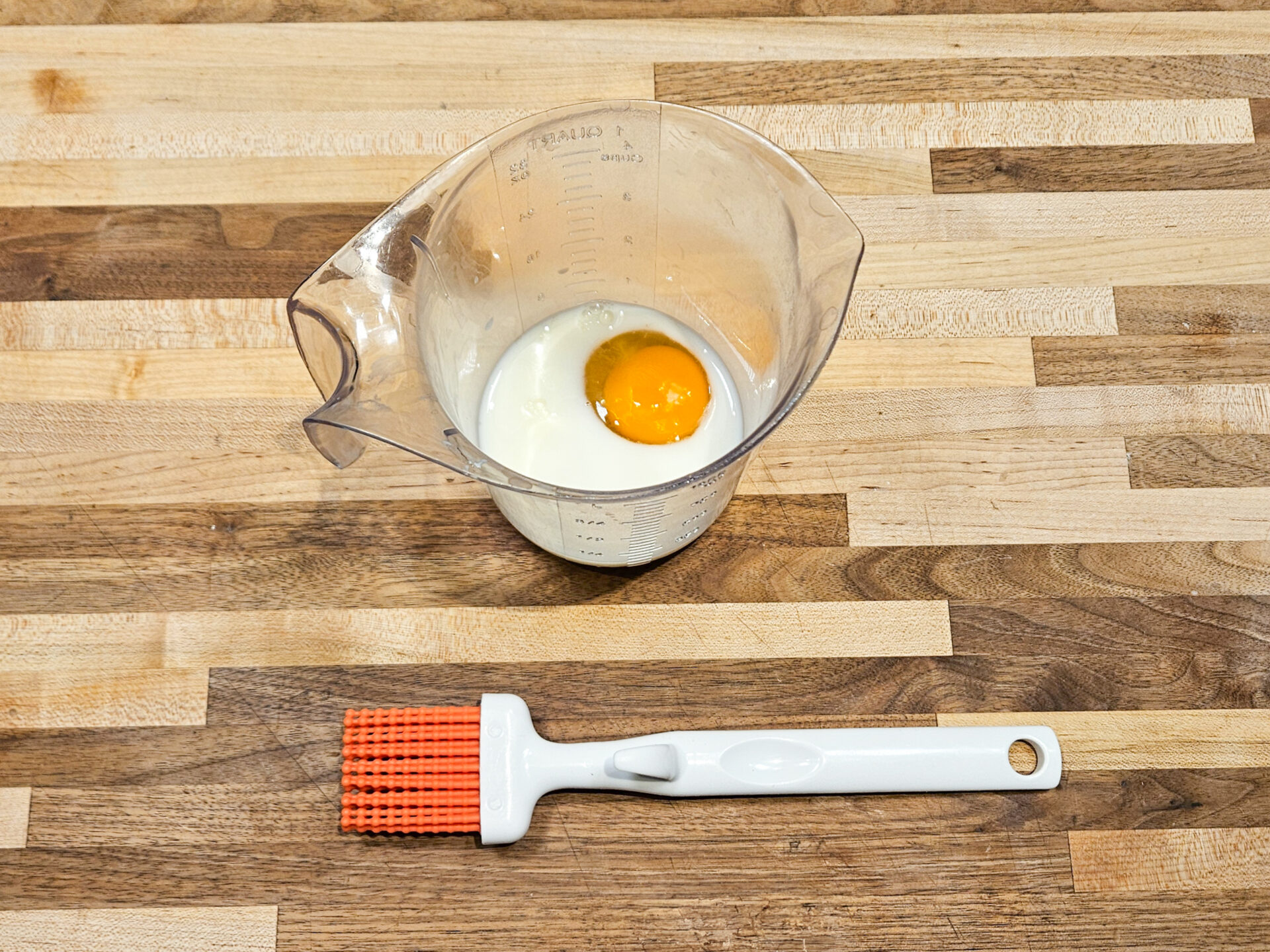
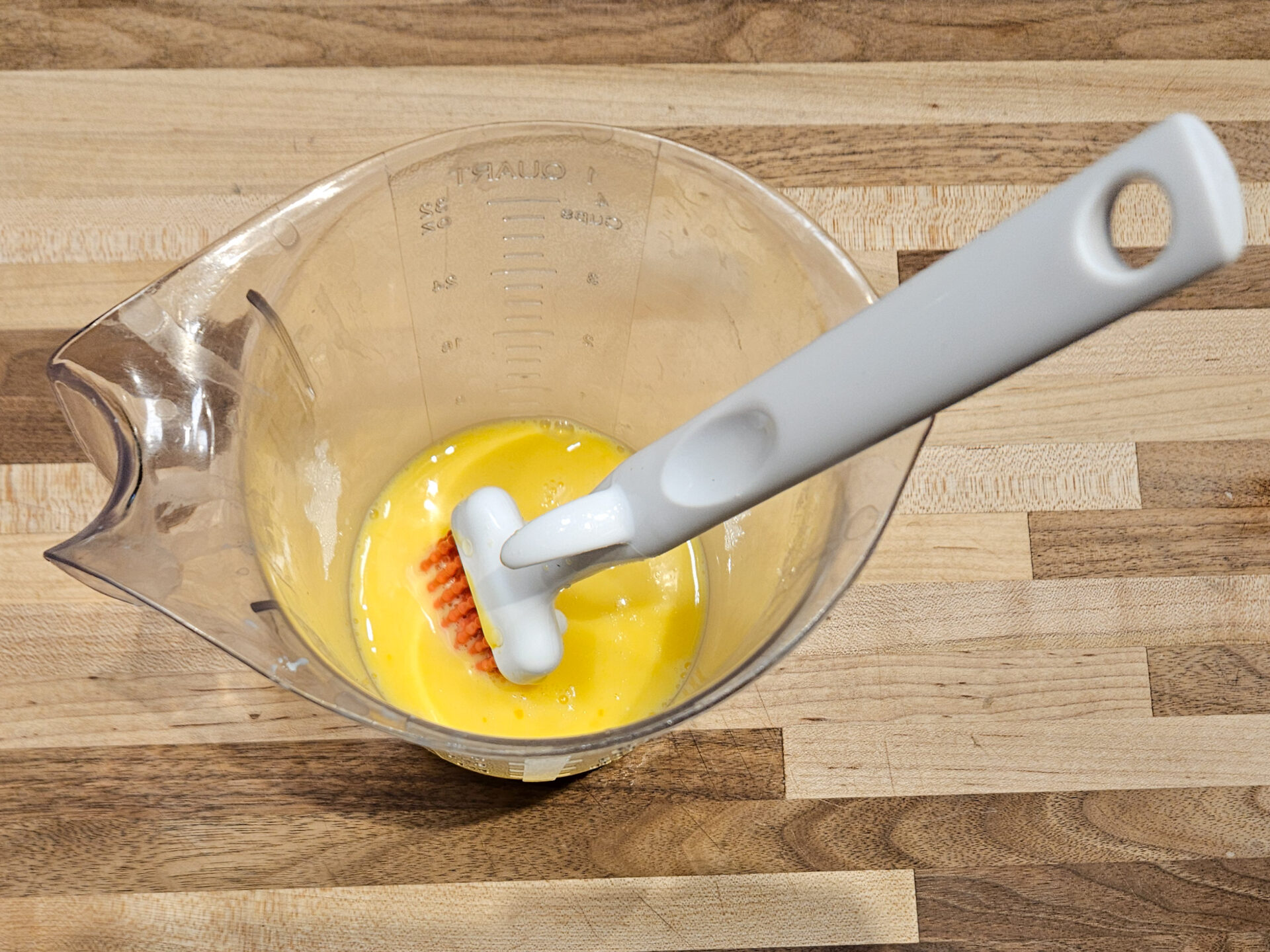
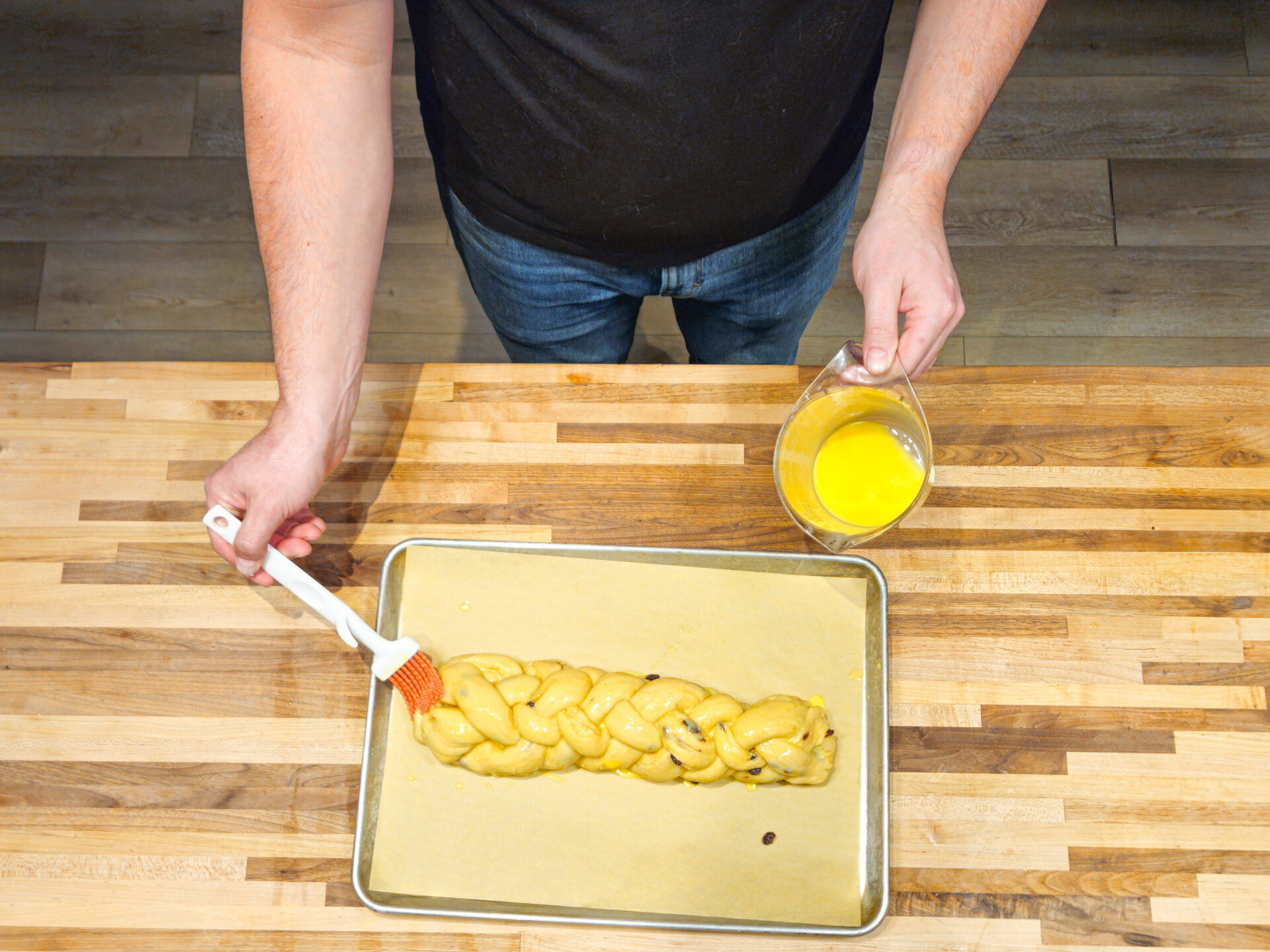
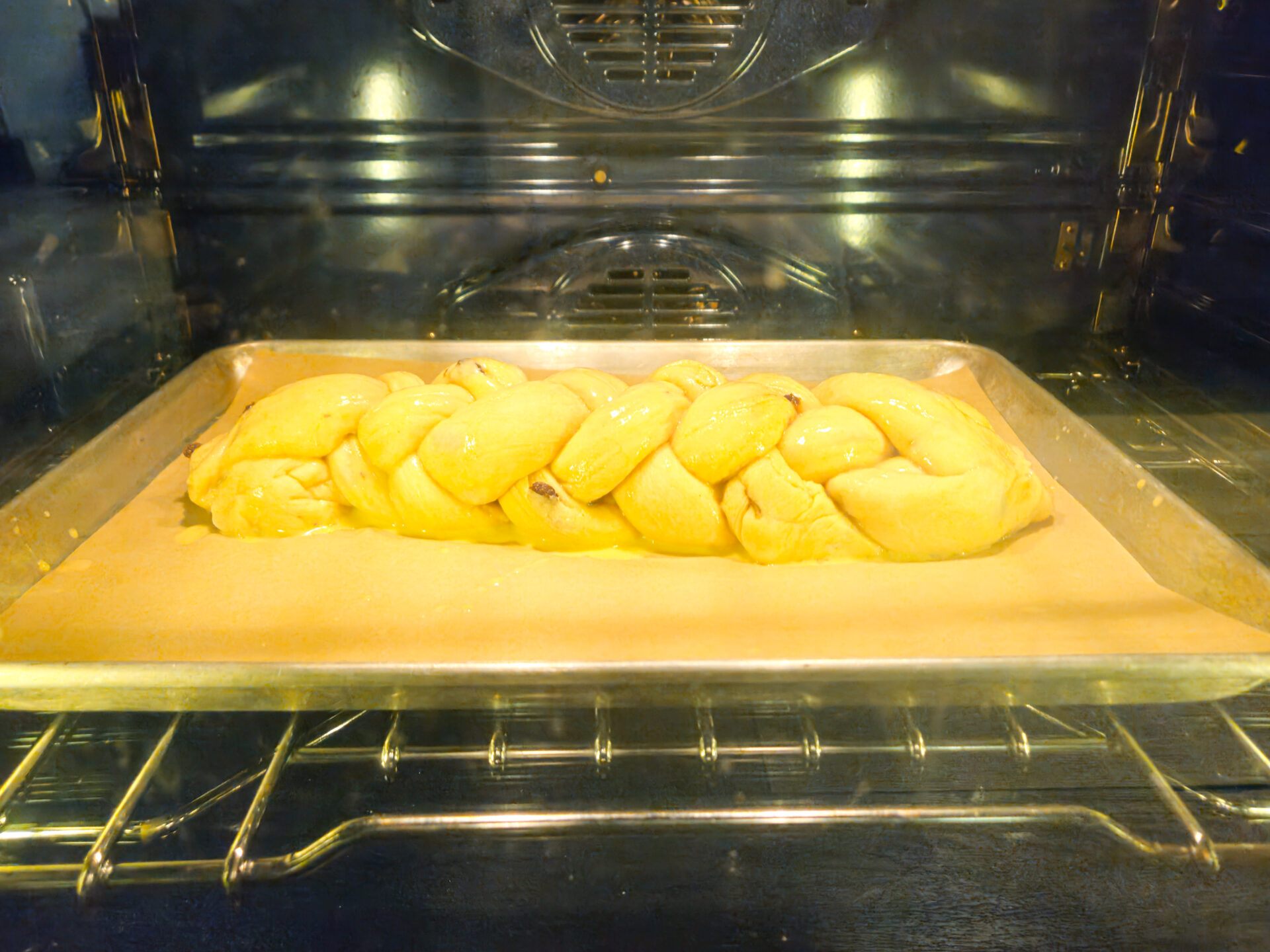
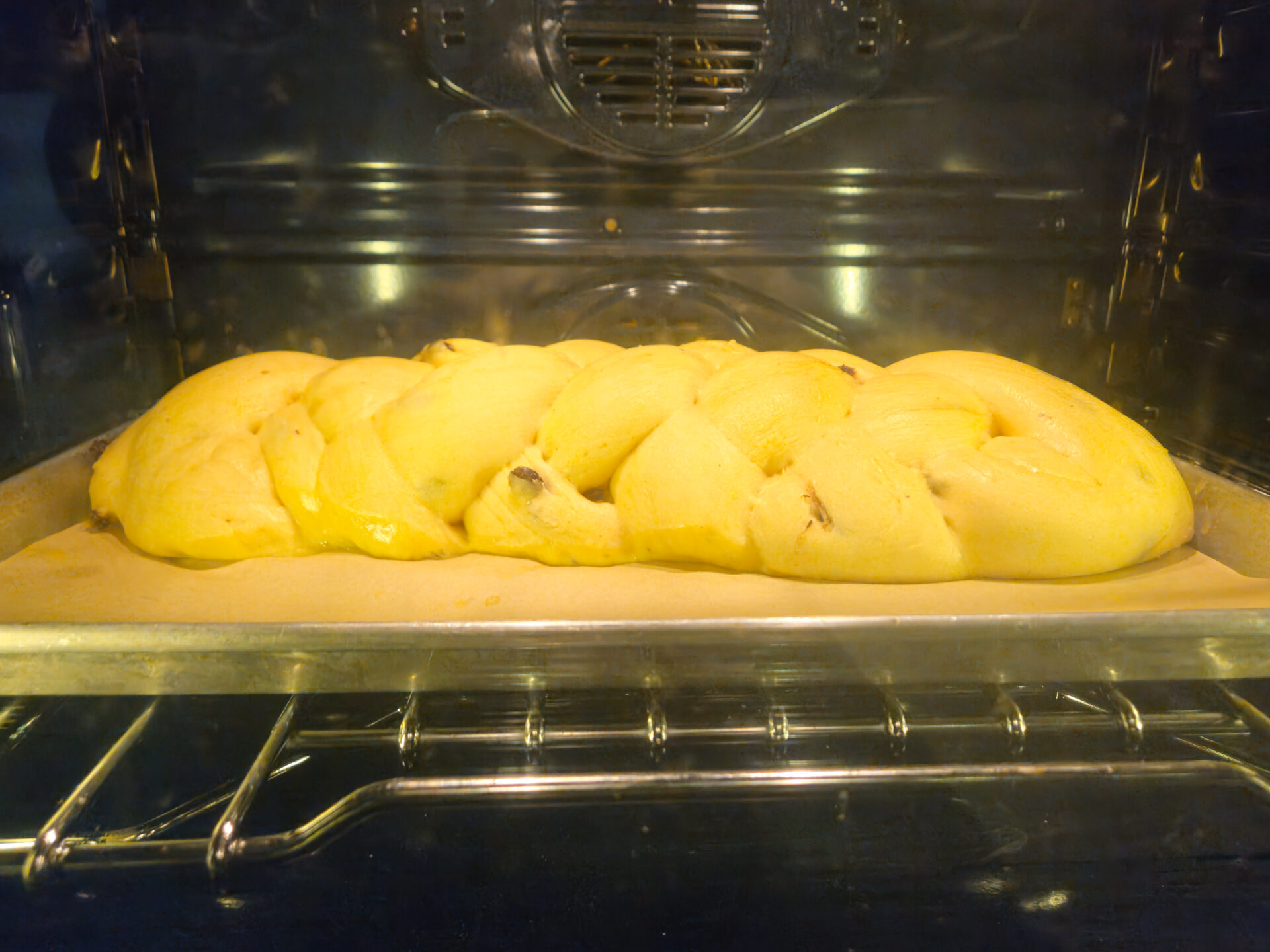
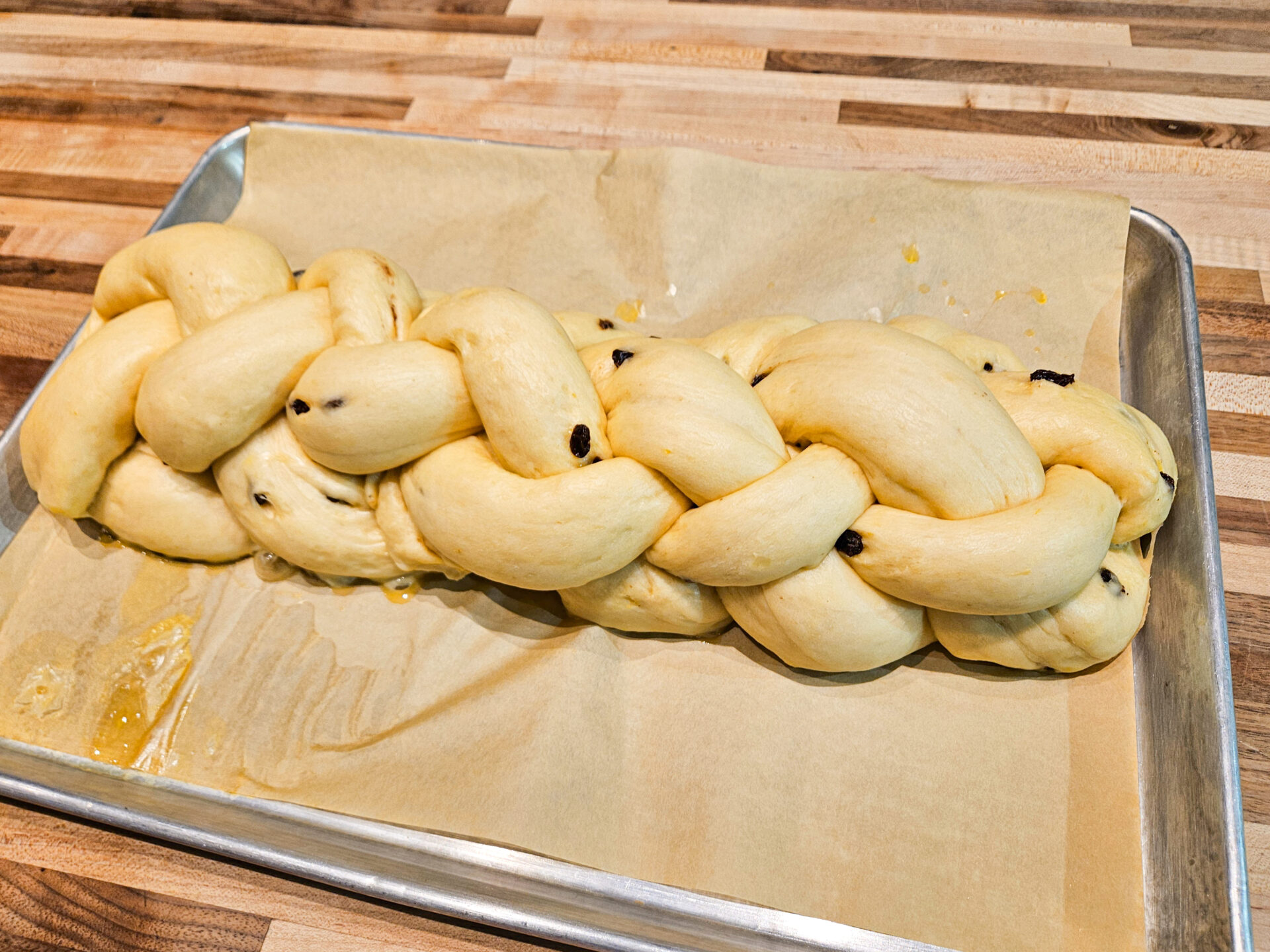
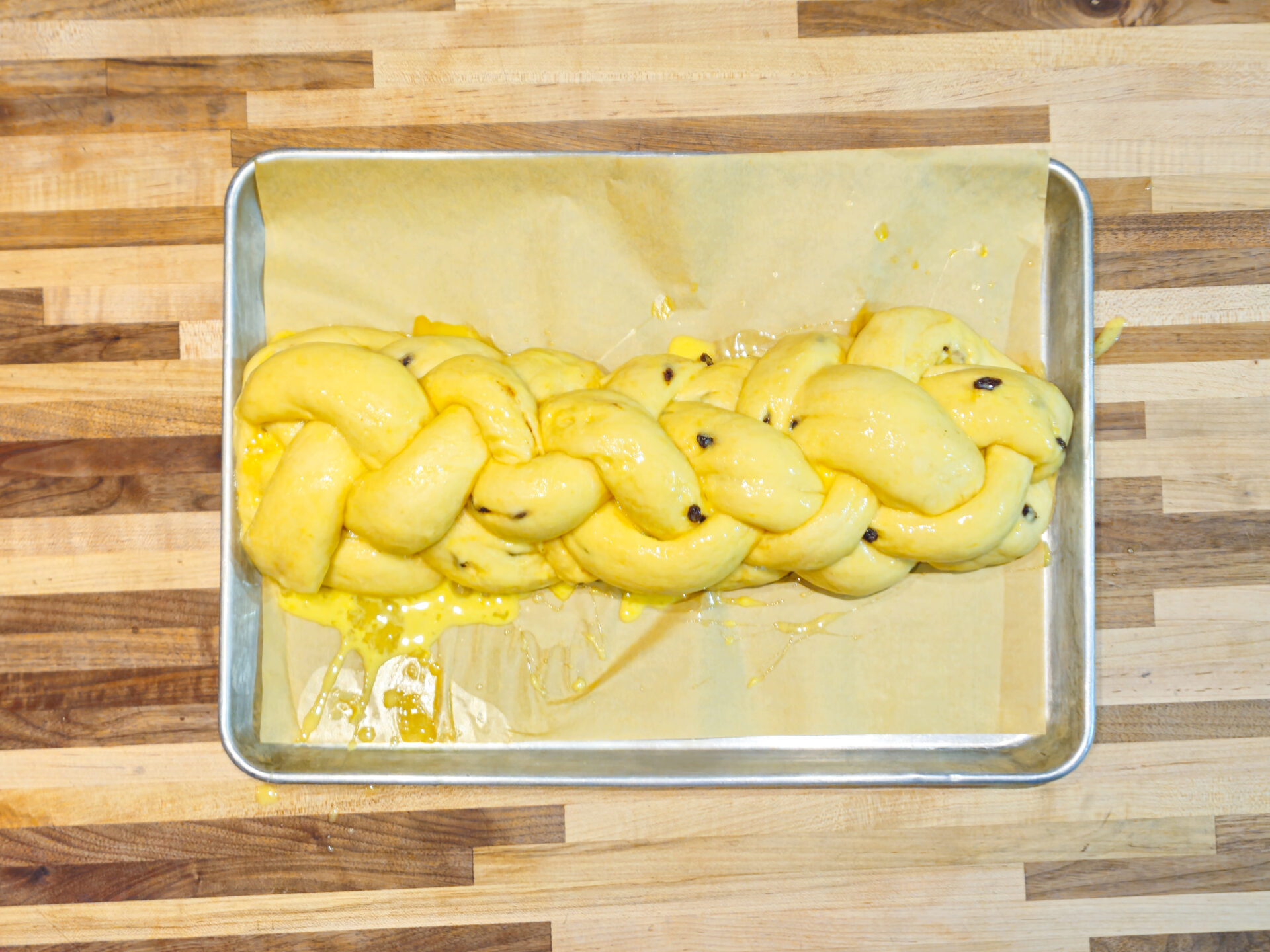
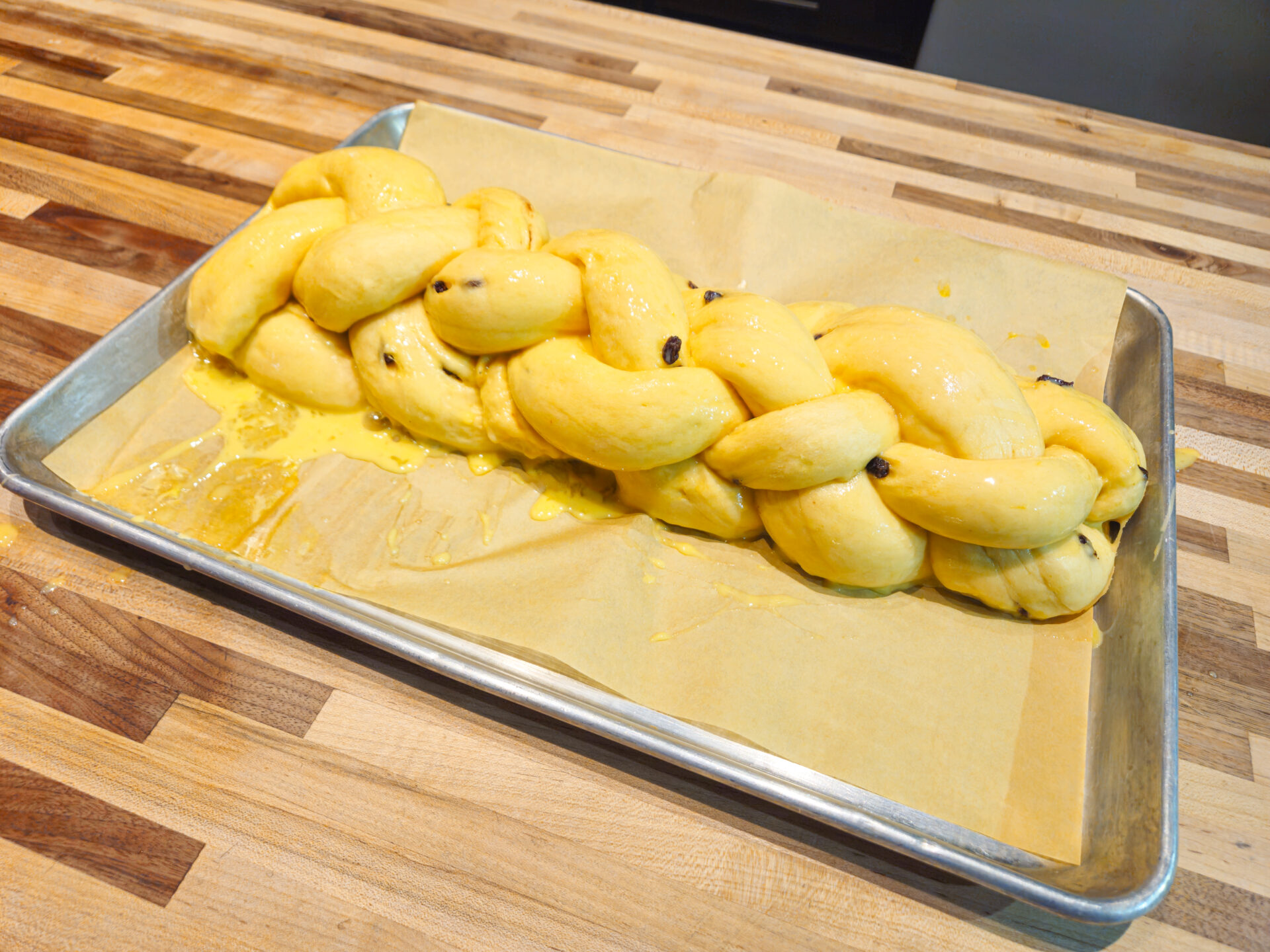
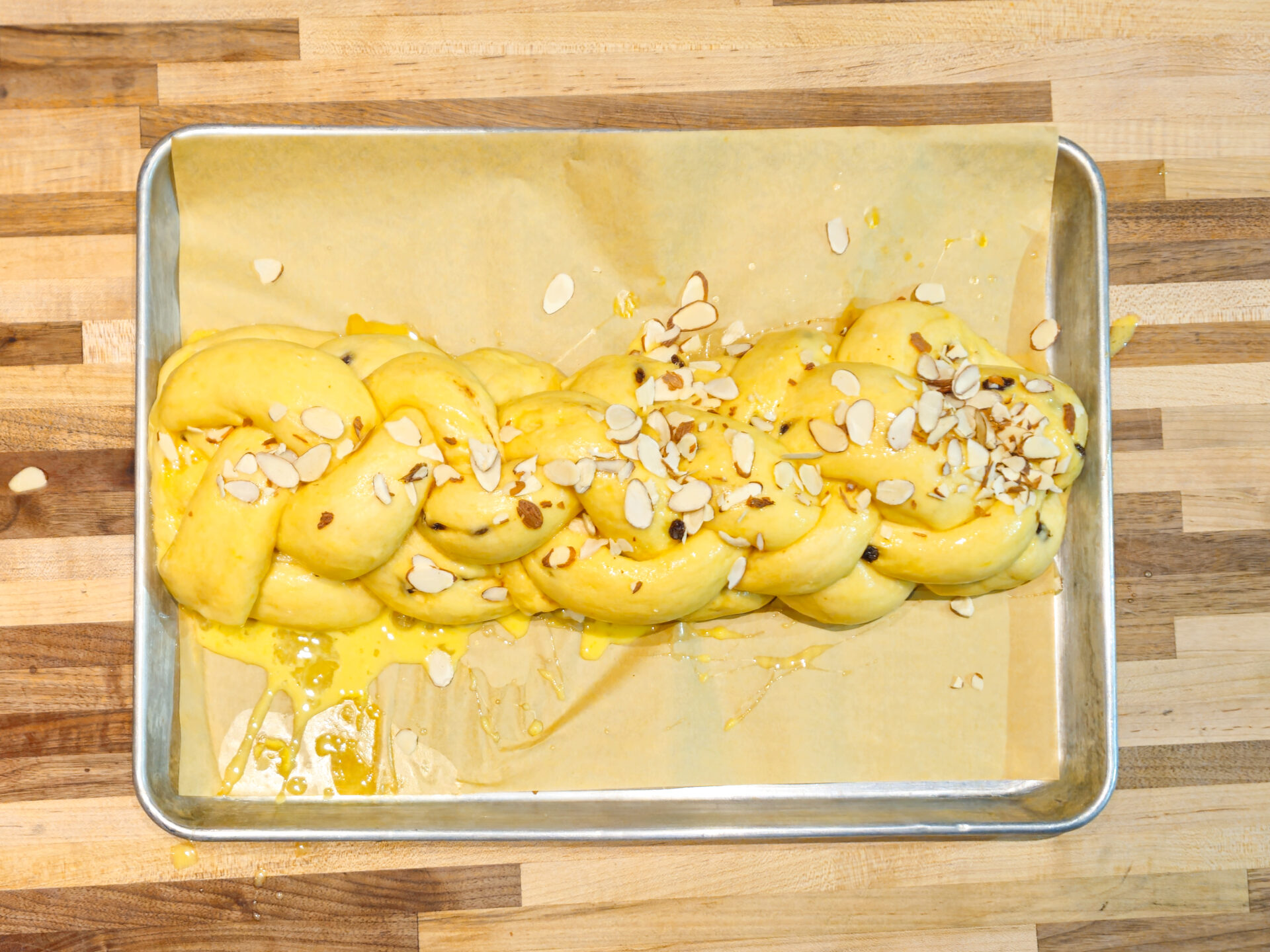
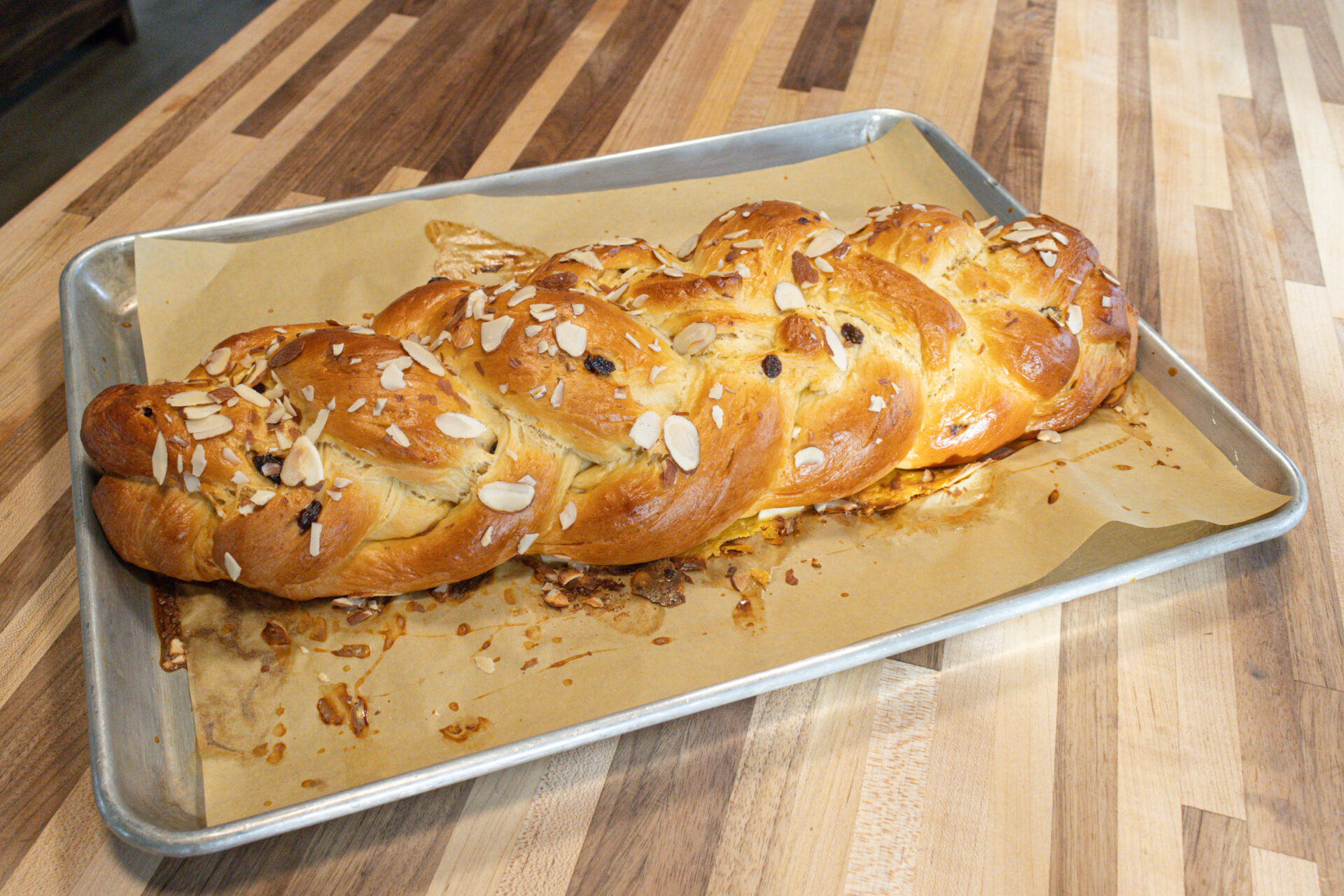
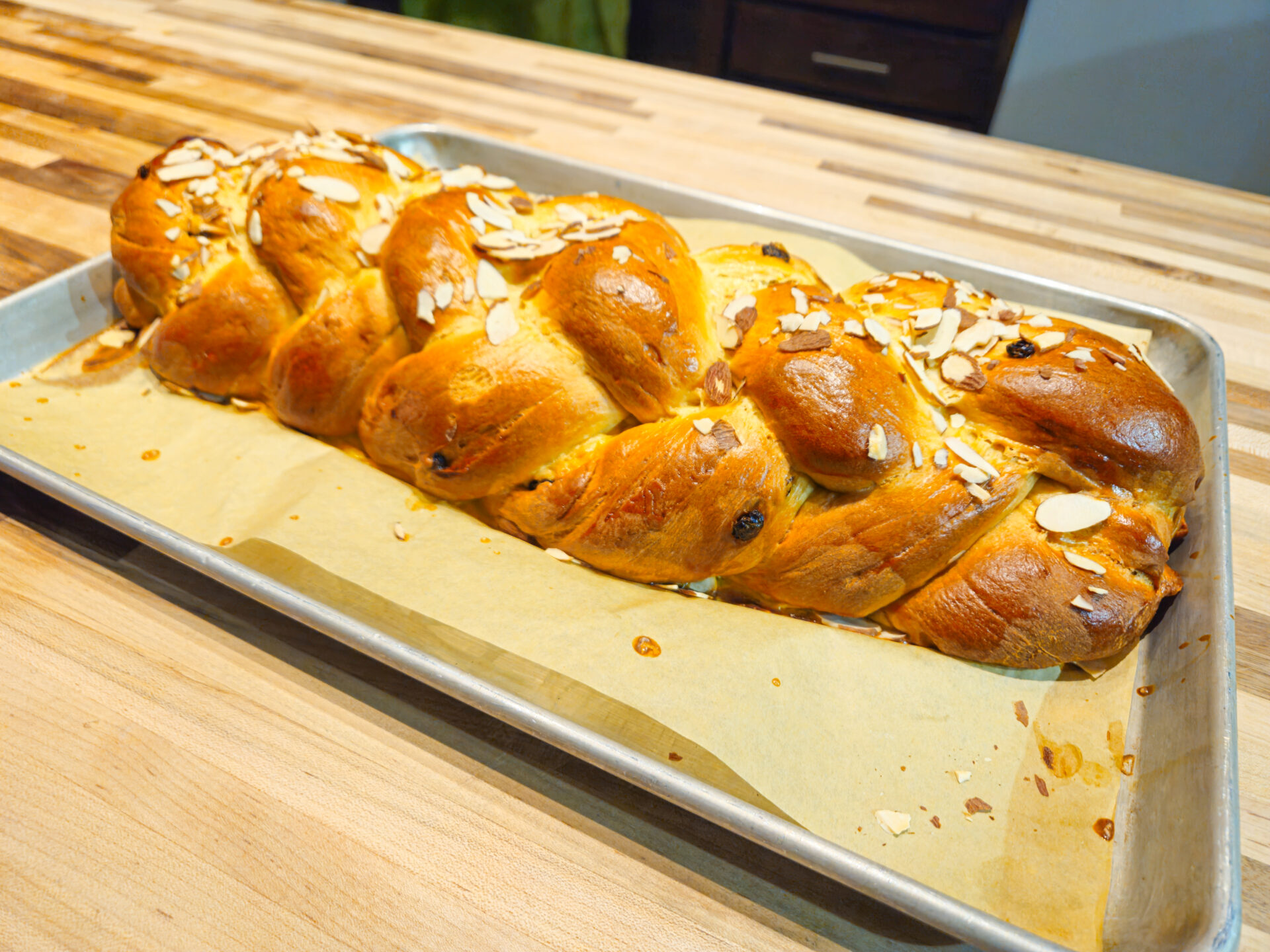
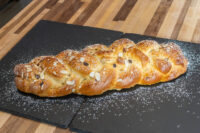
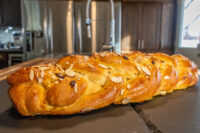
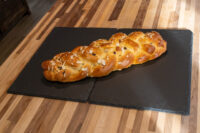
To bake the Christmas Vánočka (Houska) Recipe perfectly, I use a two-step temperature process. First, I let the braided loaf proof again for 60 minutes. I brush it with a mixture of one egg and milk, and optionally sprinkle sliced almonds on top. I preheat the oven to 350 degrees Fahrenheit and bake the loaf for 15 minutes. Then, I lower the heat to 300 degrees Fahrenheit and bake for an additional 35 to 45 minutes. This is essential because the dough is dense and rich; the lower temperature allows the inside to bake fully without burning the crust. I know it is done when I reach a nice dark, but not burnt, color. Once cooled, I sometimes sprinkle it with confectioners’ sugar for the final touch.
Popular questions
How do I know if the oven is the right temperature for proofing the dough if I don't have a proofing setting?
I suggest you preheat the oven slightly for a couple of minutes and then turn it off. Carefully verify that your oven has reached a comfortable, sauna-like temperature. I always say that if you can imagine yourself being in the oven and feeling comfortable, it is the right temperature for proofing your Christmas Vánočka (Houska) Recipe.
Christmas Vánočka (Houska) Recipe
Ingredients:
Click any ingredient to learn moreLeaven:
½ cup of milk - preheat in microwave to lukewarm (about 90 to 100°F)
½ cup of bread flour (or all-purpose)
1 TBSP of confectioners’ sugar
1 TBSP of active dry yeasts
Dough:
½ cup of raisins (dried grapes)
2 TSP of rum extract
2 eggs - room temperature (remove from the fridge about an hour before you start) (remove from the fridge about an hour before preparing the dough)
1 cup of granulated sugar
1 stick of unsalted butter (¼ LB)
1 TSP of vanilla extract
4 cups of bread flour (or all-purpose)
½ cup of milk - preheat in microwave to lukewarm (about 90 to 100°F)
Egg brush:
1 egg
¼ cup of milk
Optional Topping:
½ cup of almonds - sliced (adjust if needed)
Final touch:
Nutrition per 1 Serving:(recipe split into 12 servings)
EstimatedCalories 396
Protein 9.7 g
Fat 13.0 g
Saturated fat 5.9 g
Carbohydrate 61.1 g
Sugars 19.4 g
Fiber 2.6 g
Sodium 34 mg
Cholesterol 69 mg
VegetarianLow-sodium
Estimated. Worked out from the ingredients above using the United States Department of Agriculture’s FoodData Central reference data. An estimate, not a measurement — brands, sizes and how much of a marinade actually ends up on the plate all move it.
Directions:
1.Leaven:
Let’s start the preparation of Christmas Vánočka (Houska) Recipe.
1.1.
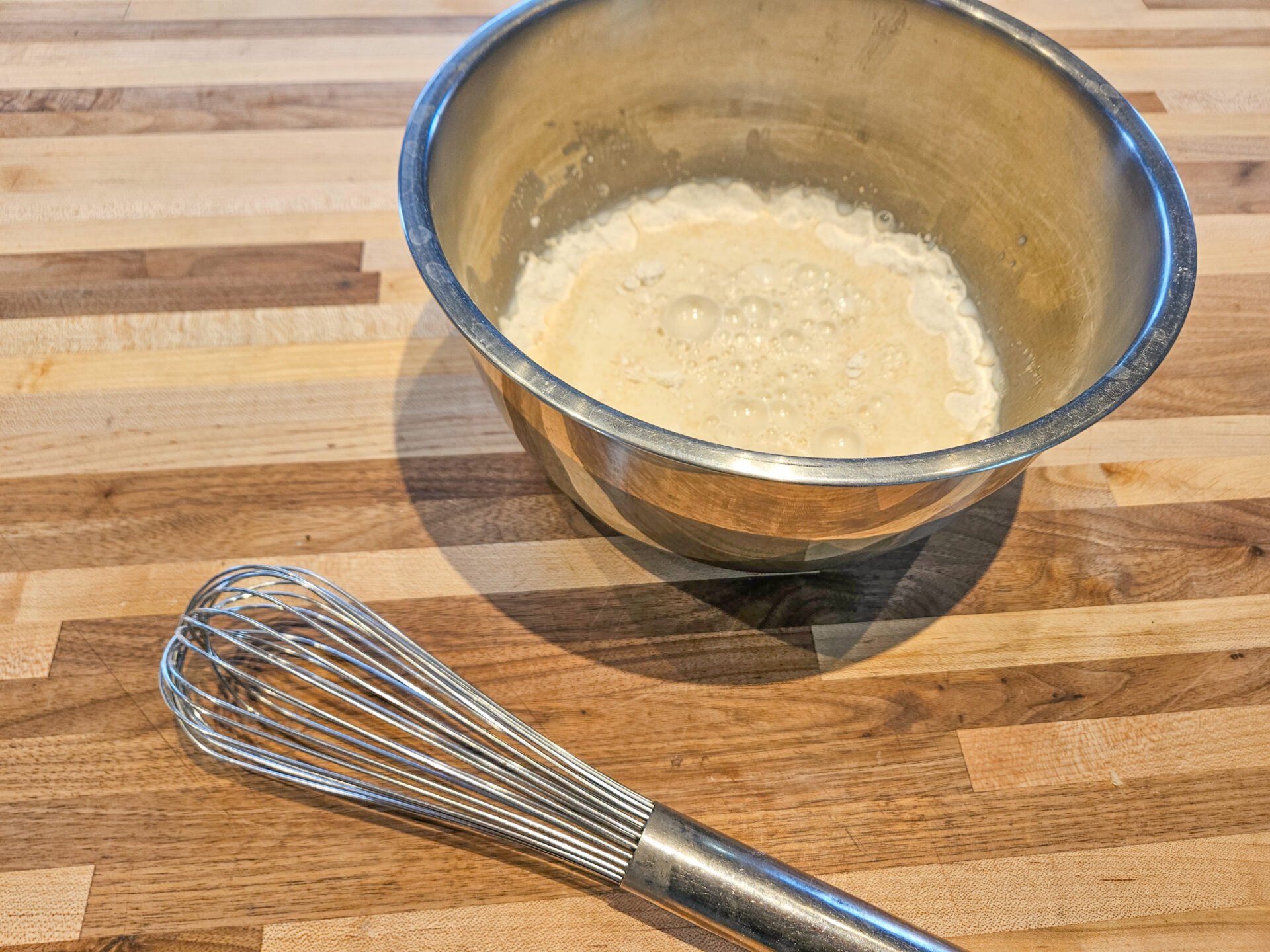
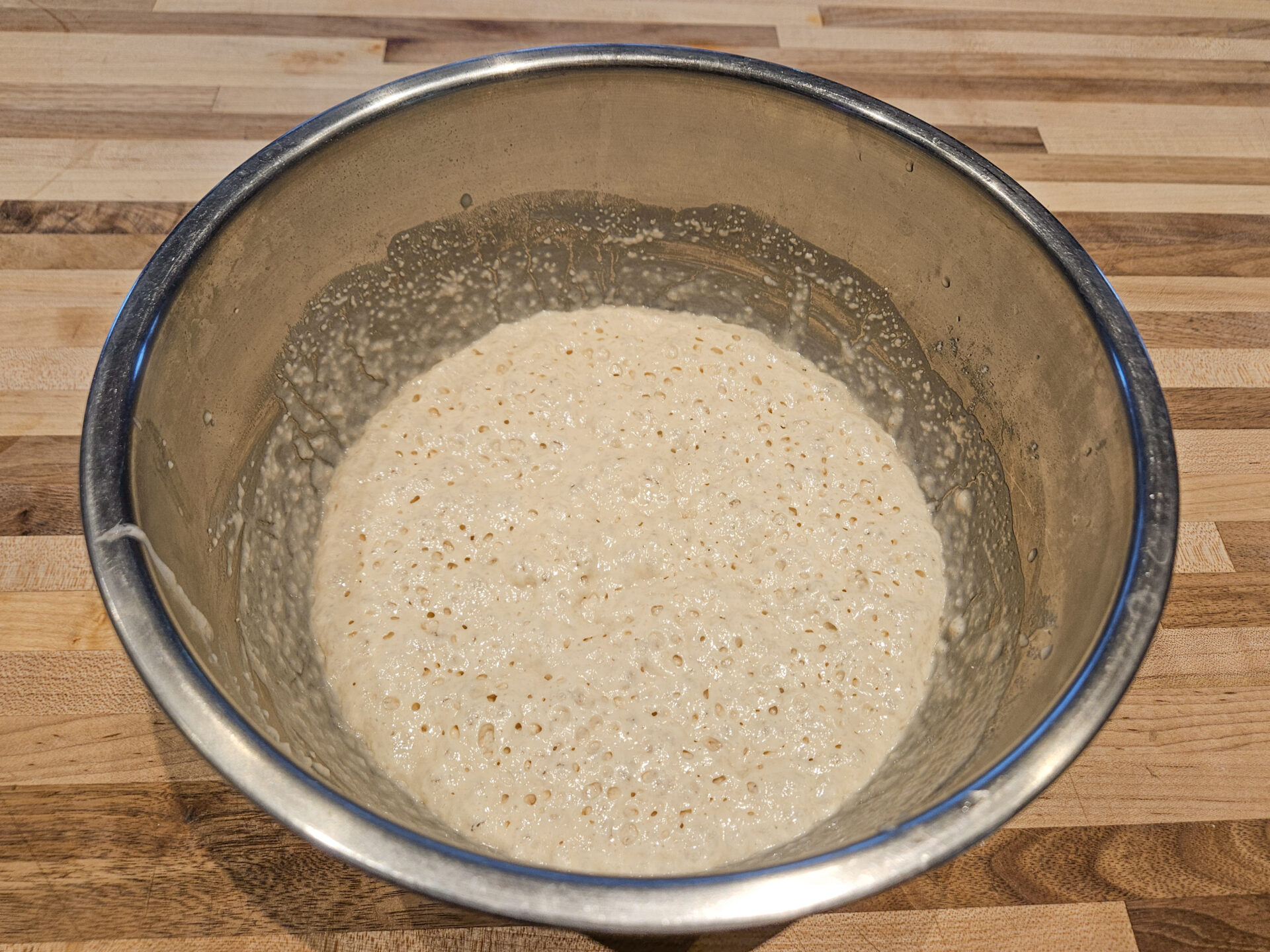
1.2.
Cover with plastic wrap and using a knife, create 1 small hole to let the leaven breathe.
1.3.
Set aside until it doubles in volume (about 15 – 20 minutes).
2.Raisin Preparation:
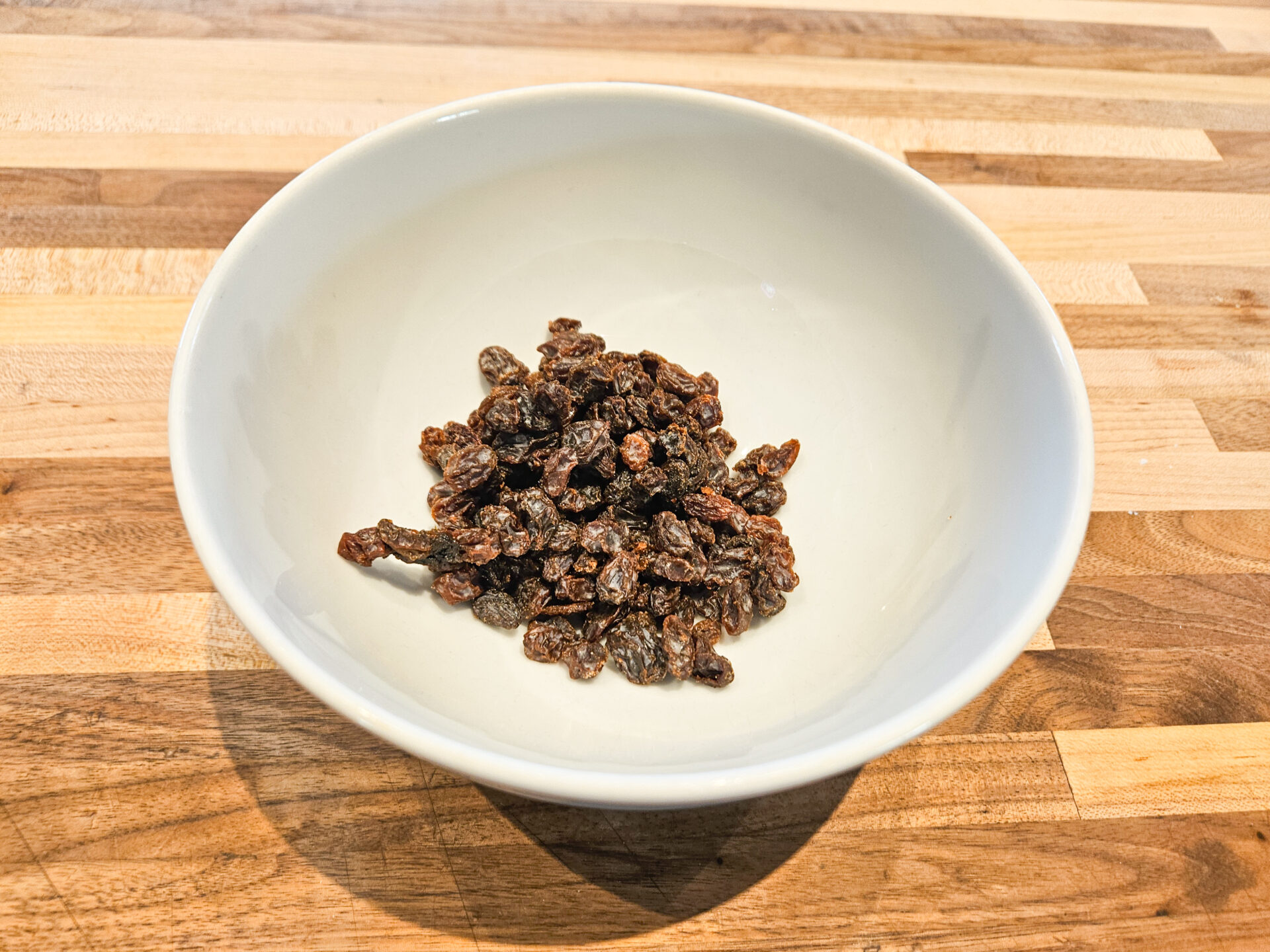
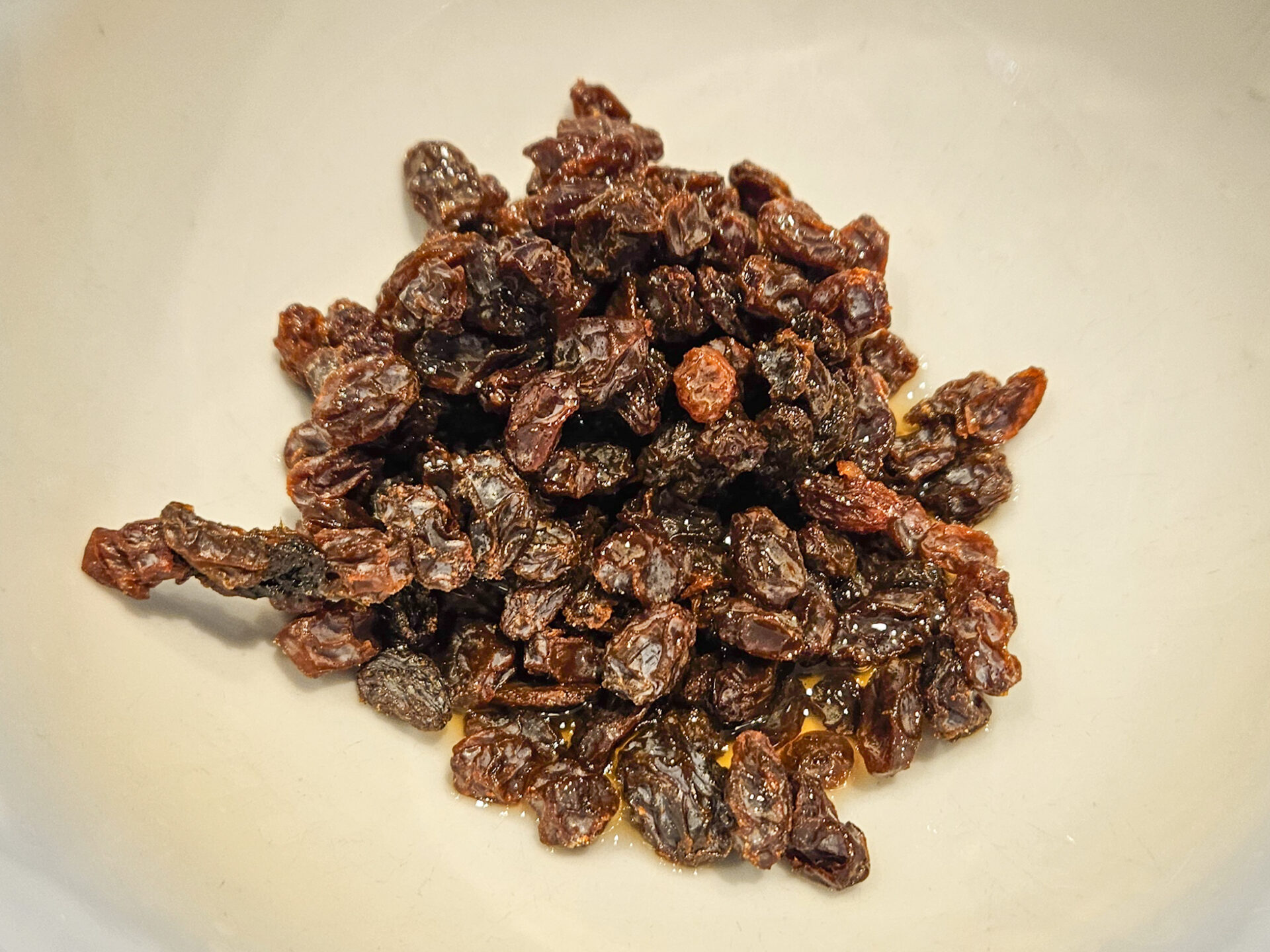
2.2.
Let it sit on a countertop until needed in a later step.
3.Dough:
3.1.
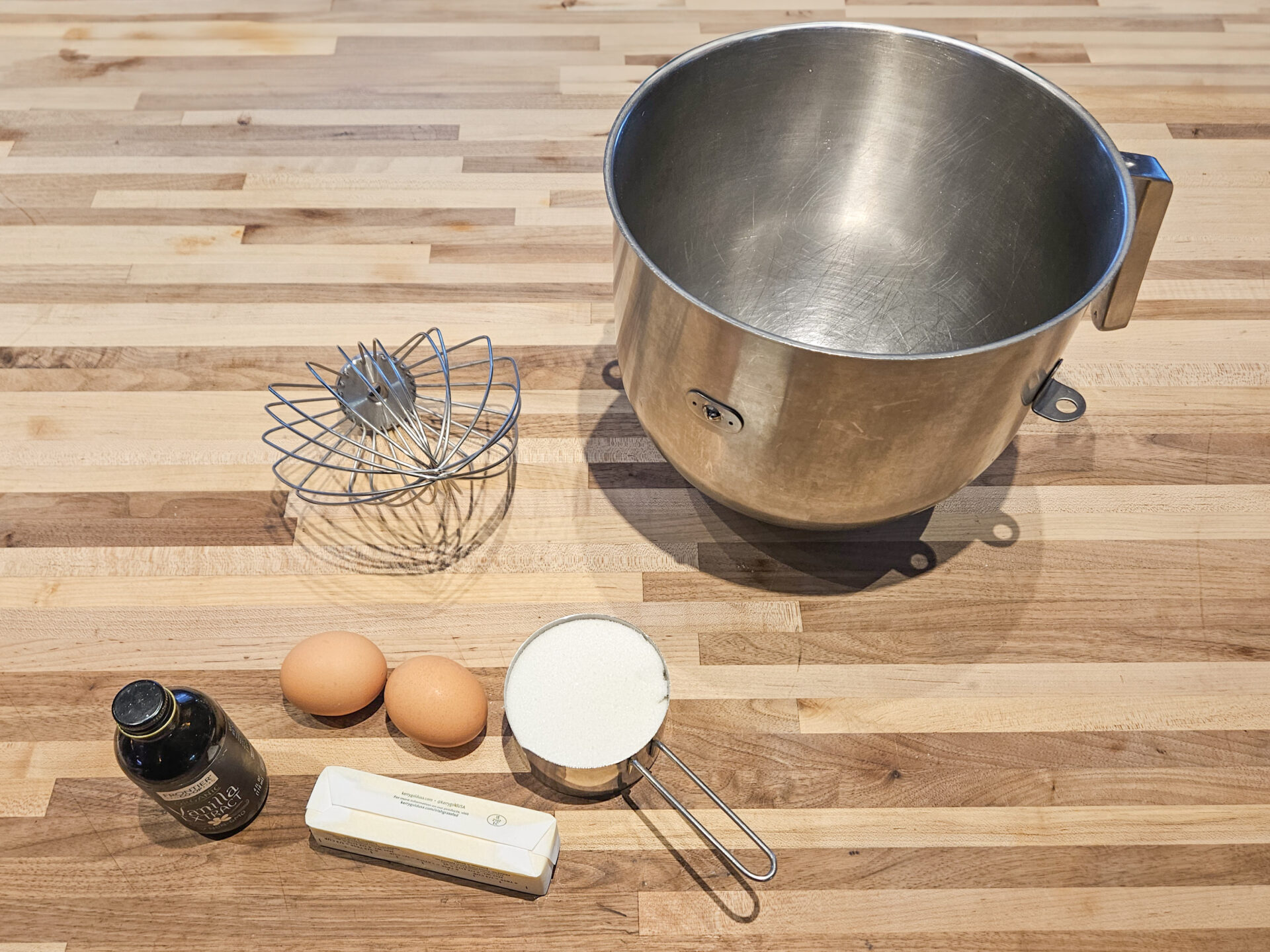
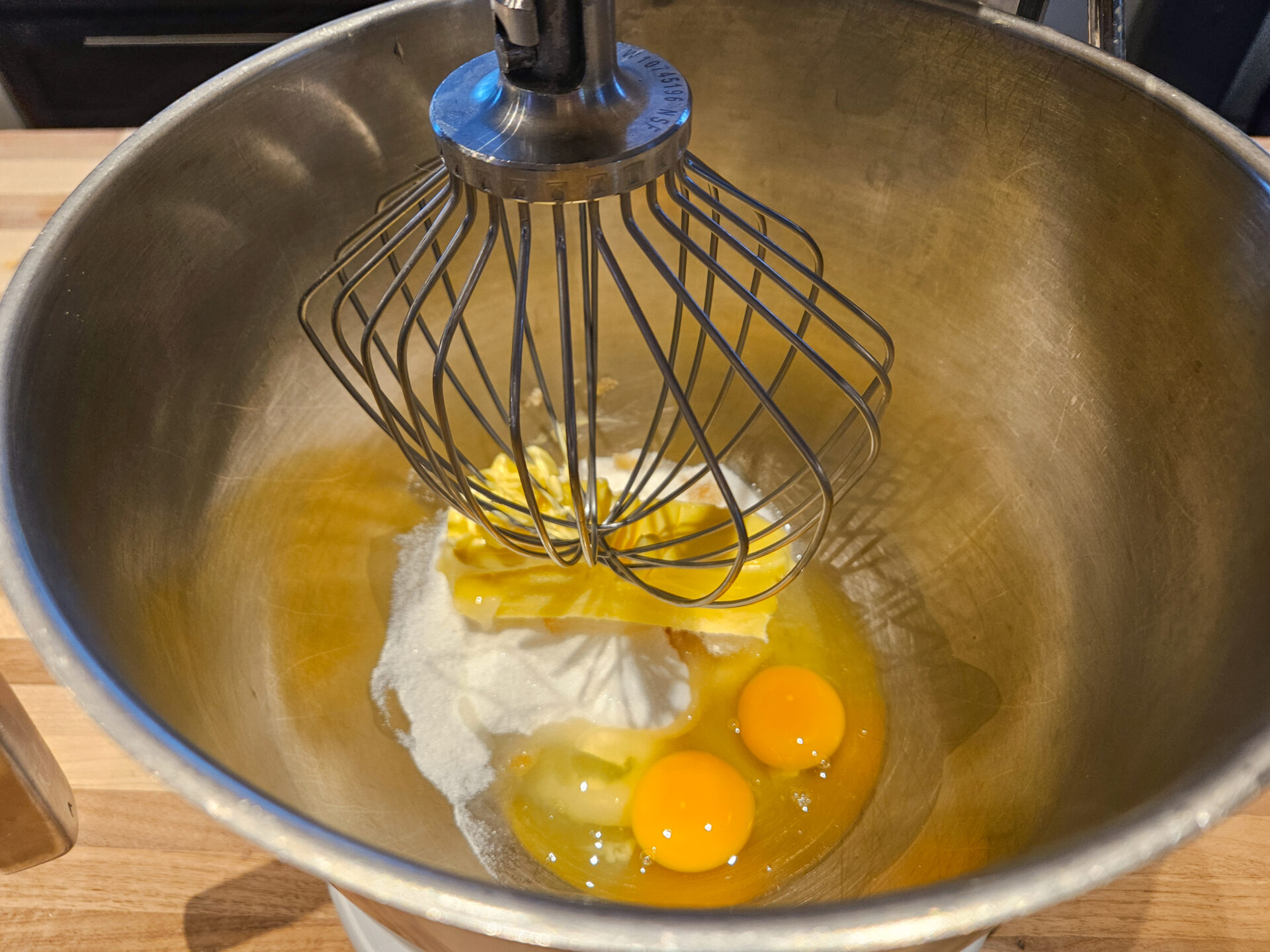
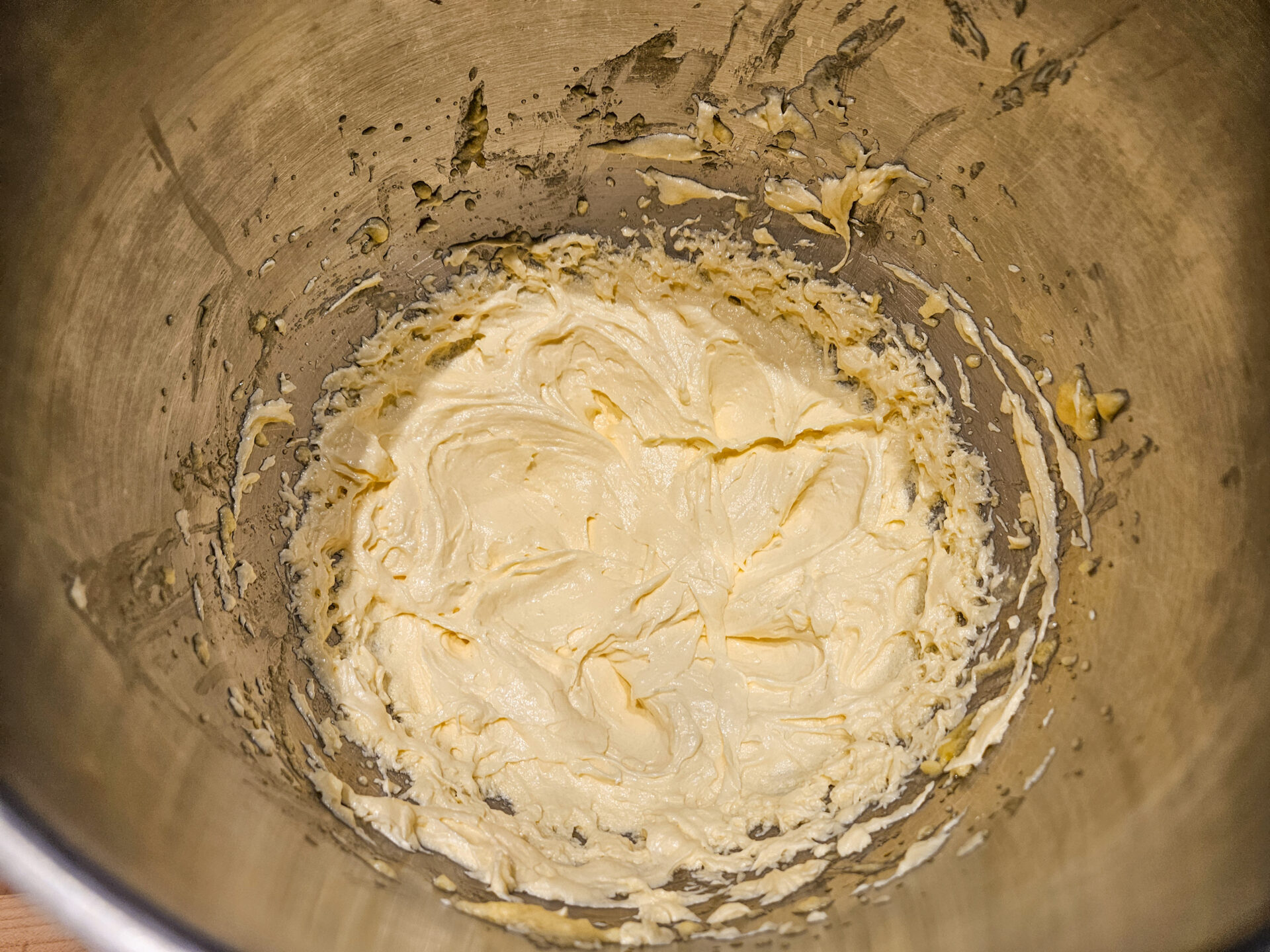
3.2.
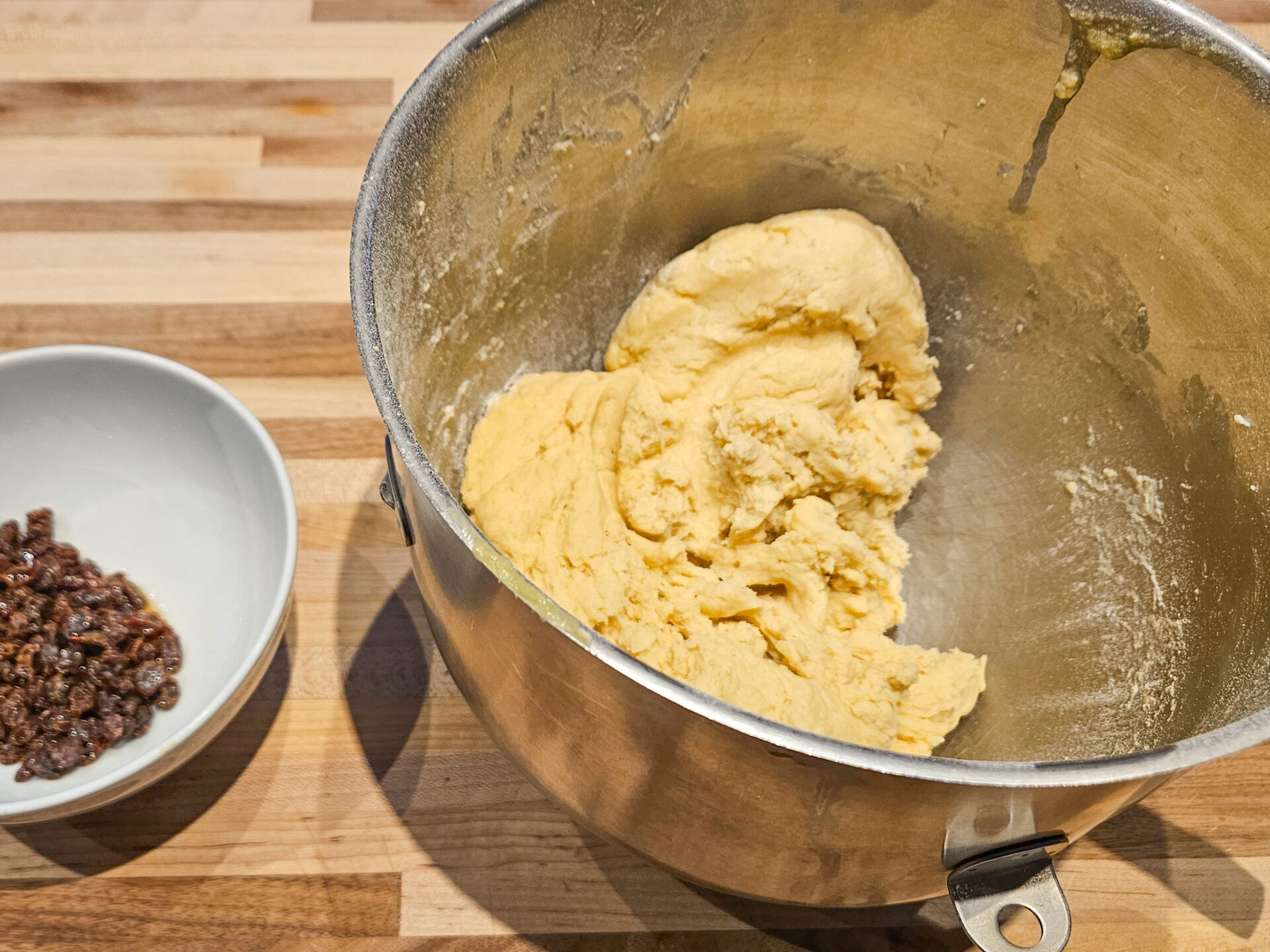
3.4.
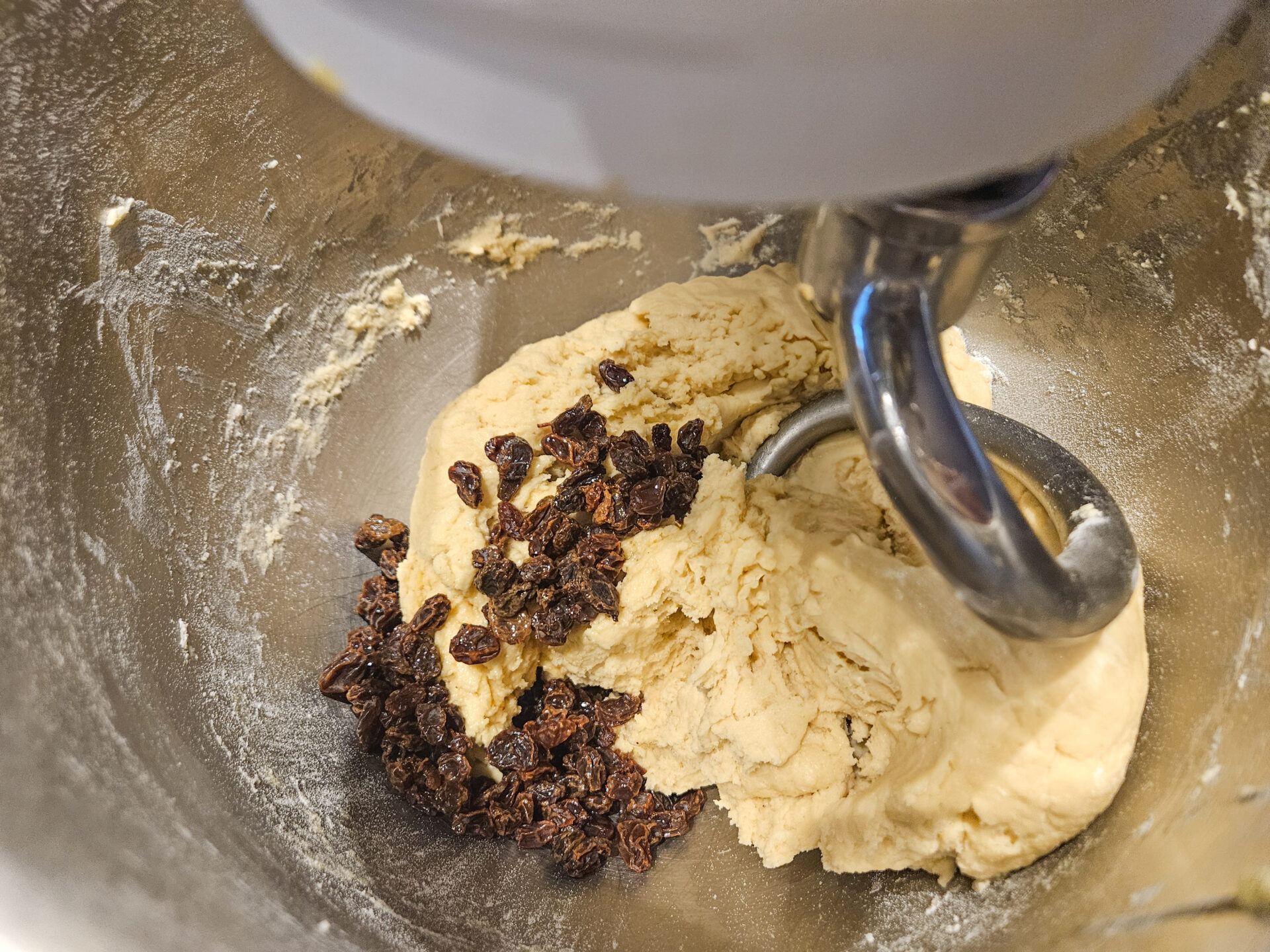
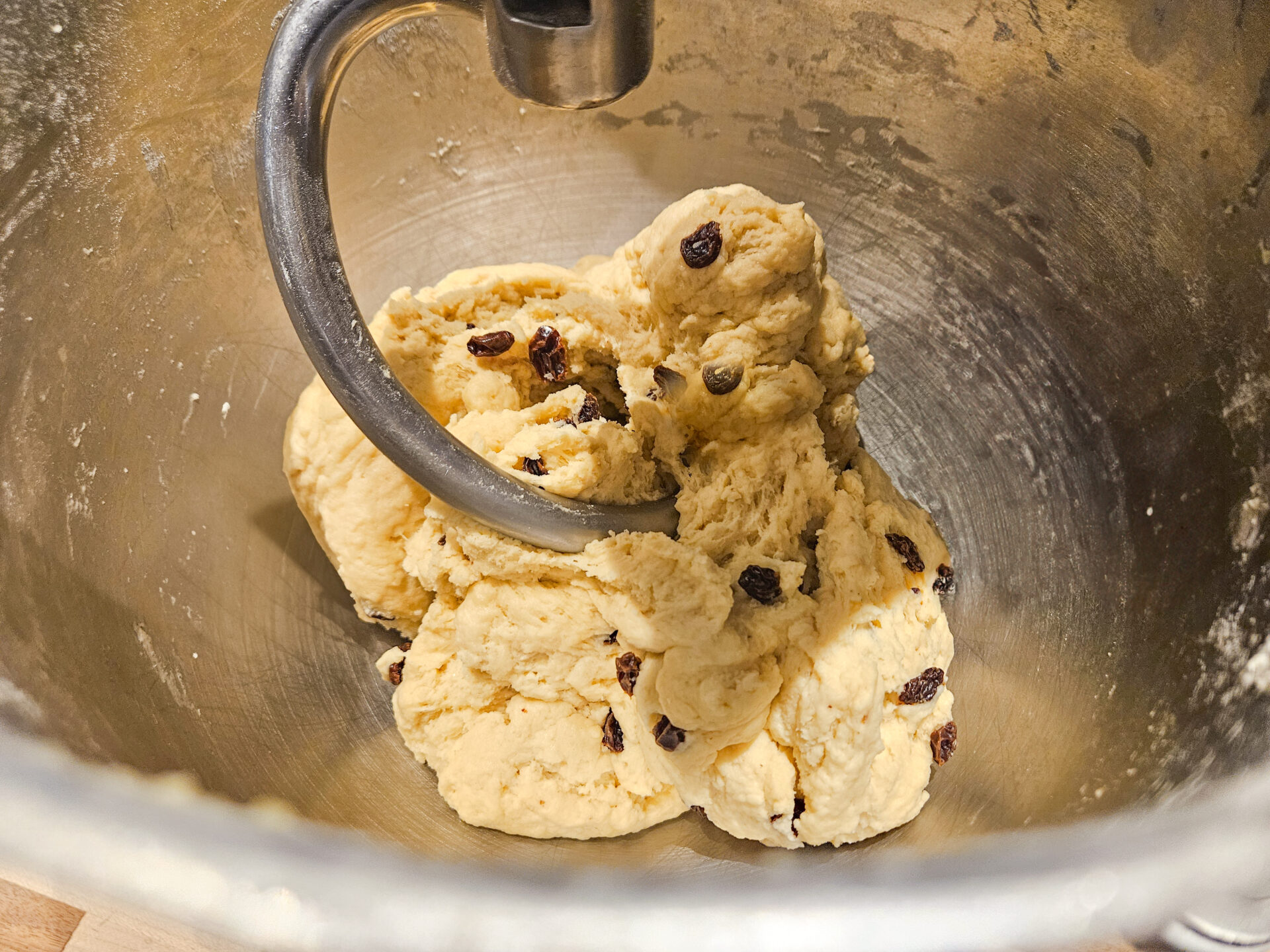
3.5.
The final dough is slightly sticky and can partially stick to the bottom of the bowl. Use a bowl scraper to release it from the hook and the bottom of the bowl.
4.Rise the Dough:
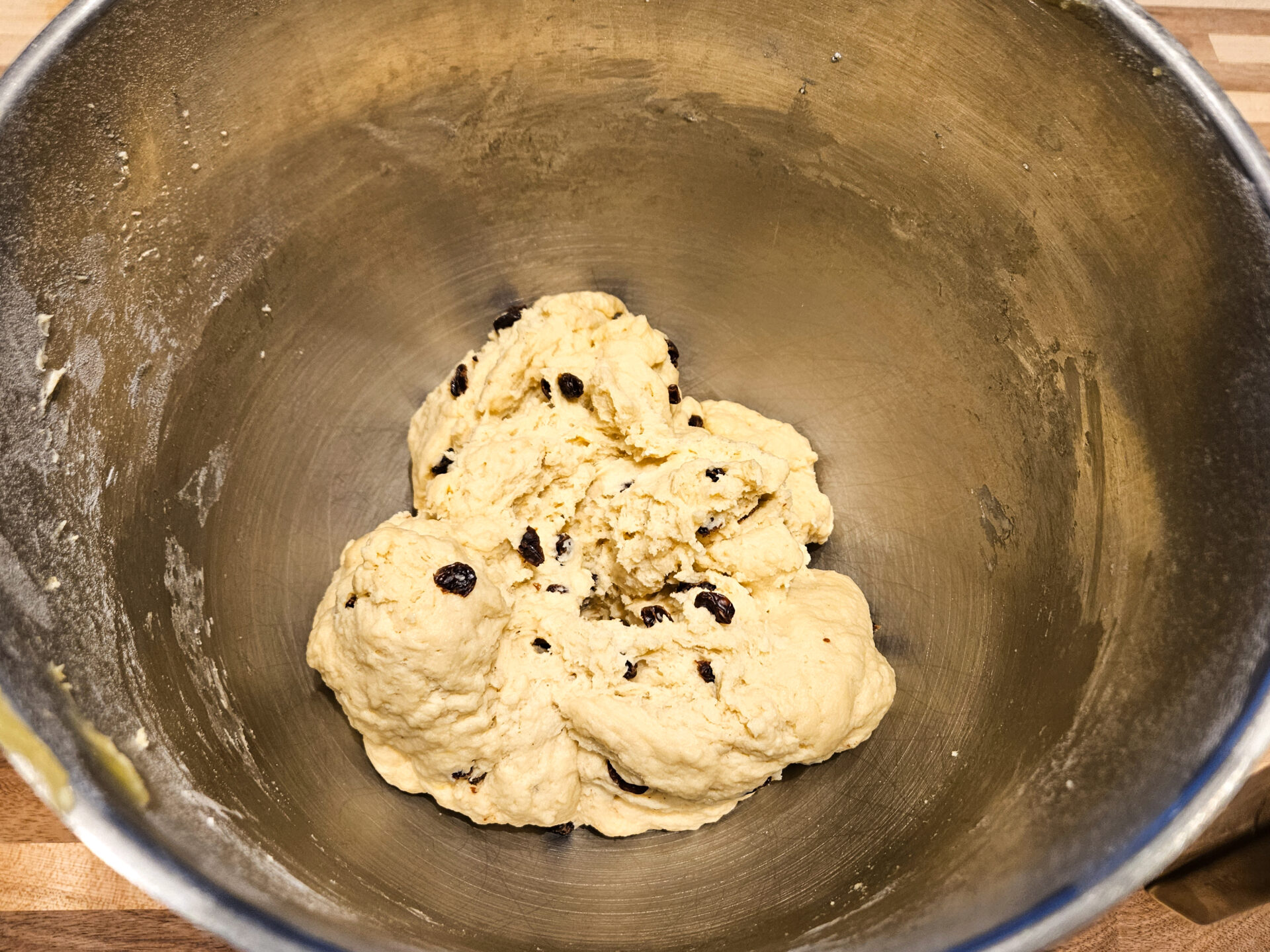
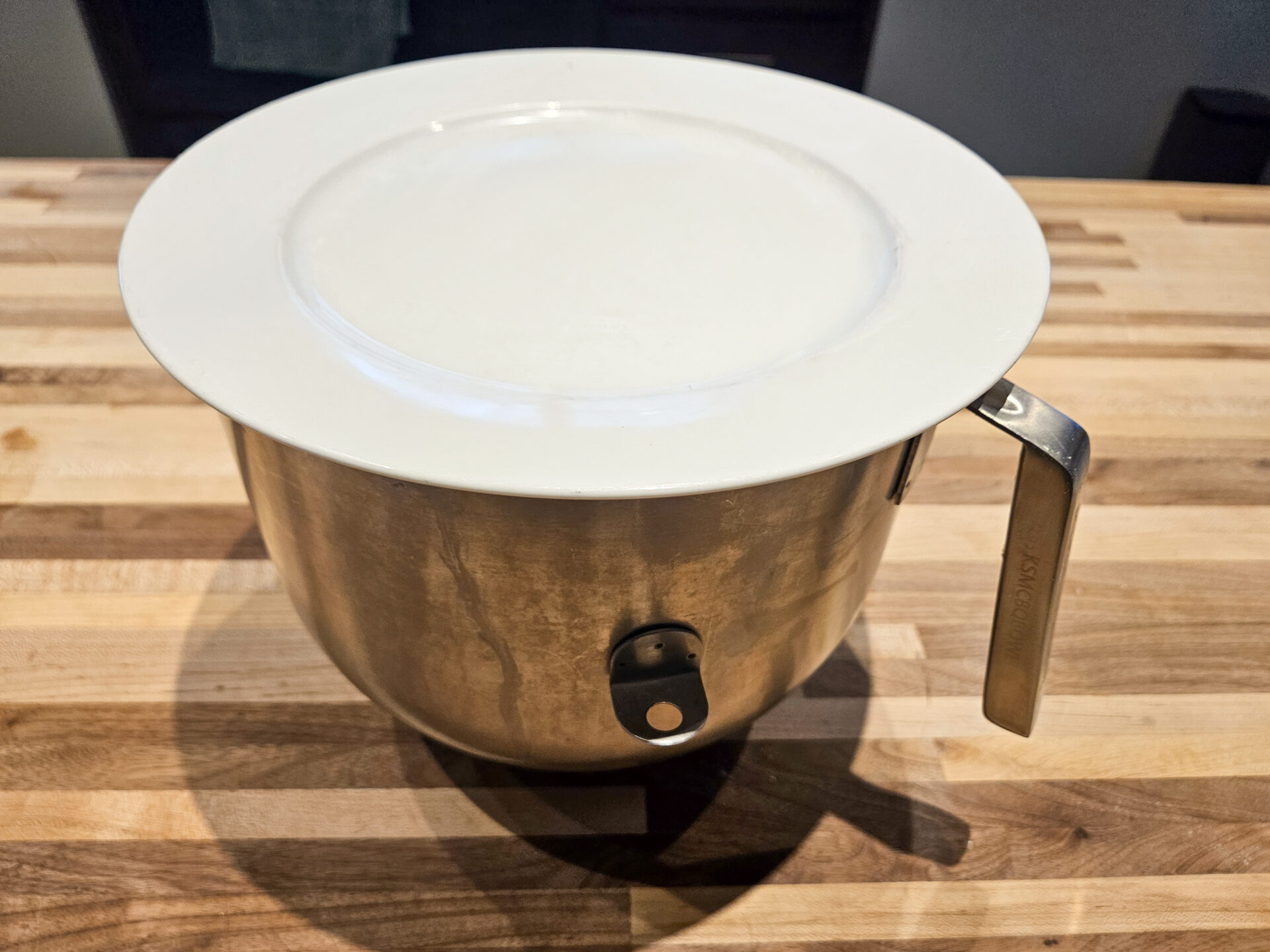
4.2.
Let it rise in a warm place until it has doubled in size (about 2 – 3 hours).
Important:
Some ovens have a bread-proofing/rising program. If your oven doesn’t have this feature, you can still use it to proof your dough. Just preheat the oven slightly for a couple of minutes and then turn it off. Carefully verify that your oven has reached a comfortable, sauna-like temperature (imagine yourself being able to be in the oven and feeling comfortable :); if so, it’s the right temperature). Another option would be to utilize any source of heat, such as the near proximity of a fireplace or a spot close to a stove that has a few things cooking. You can also rise and proof the dough at room temperature, but be prepared for it to take much longer.
5.Vánočka Houska Pre-shaping:
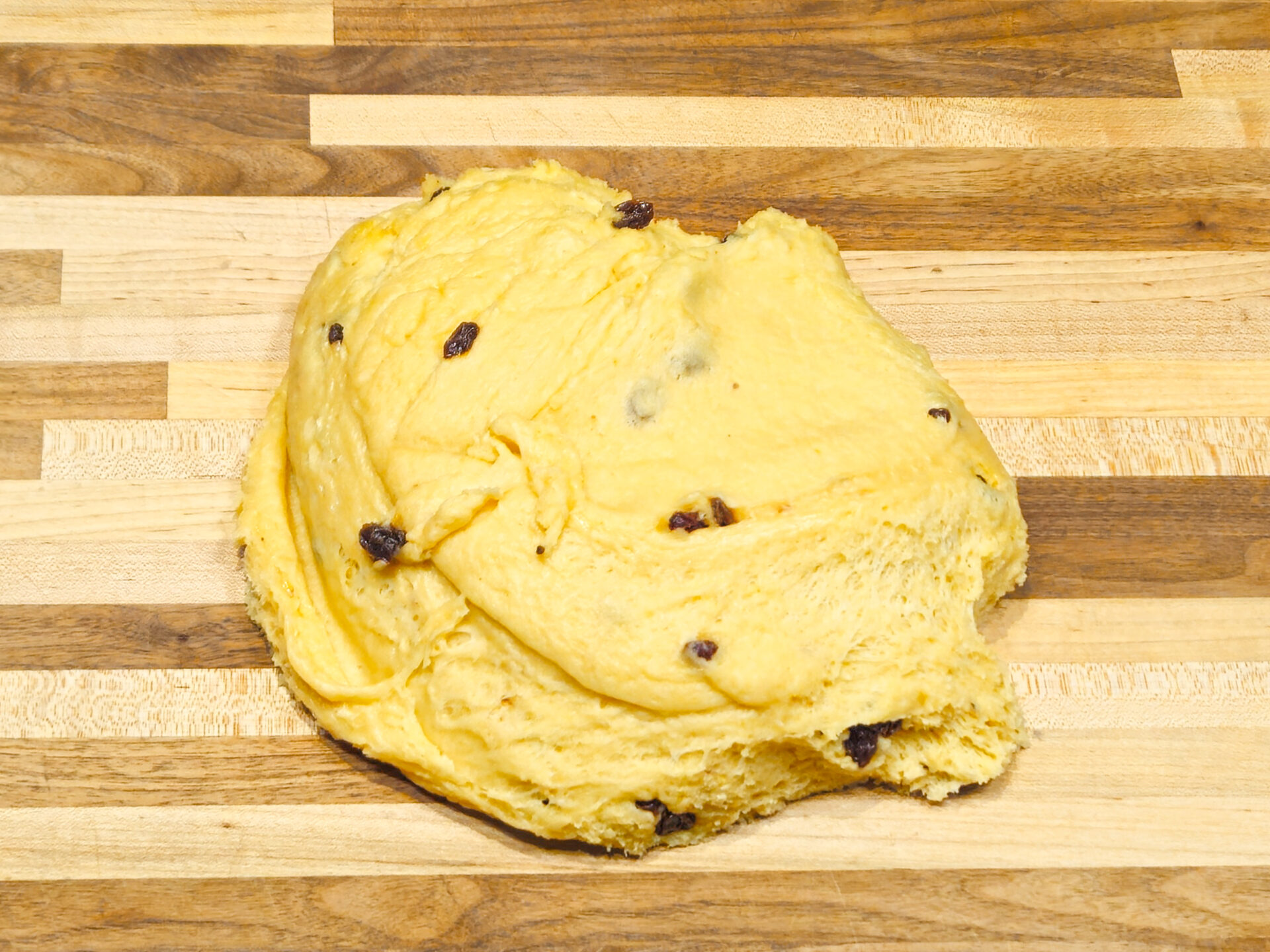
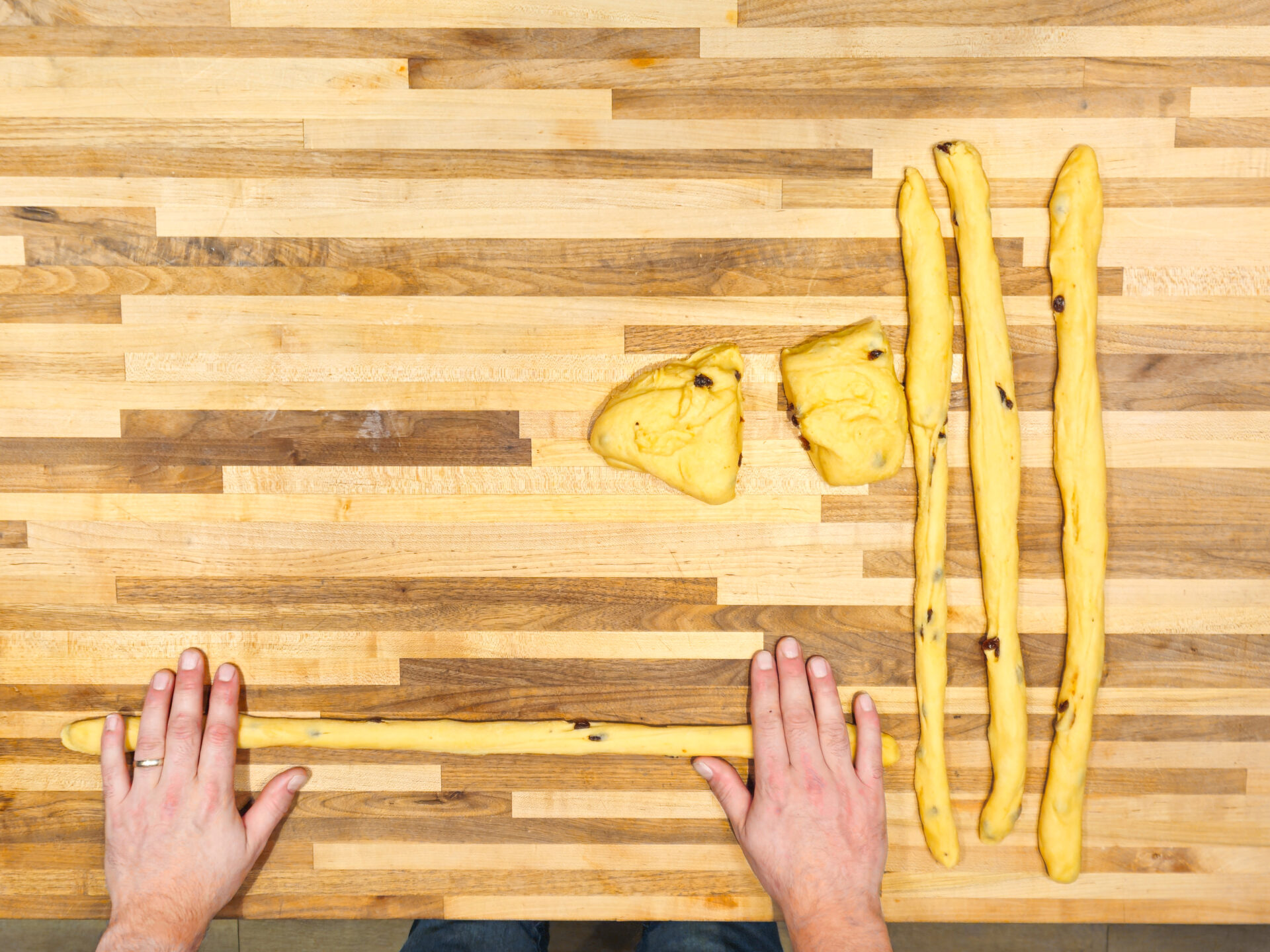
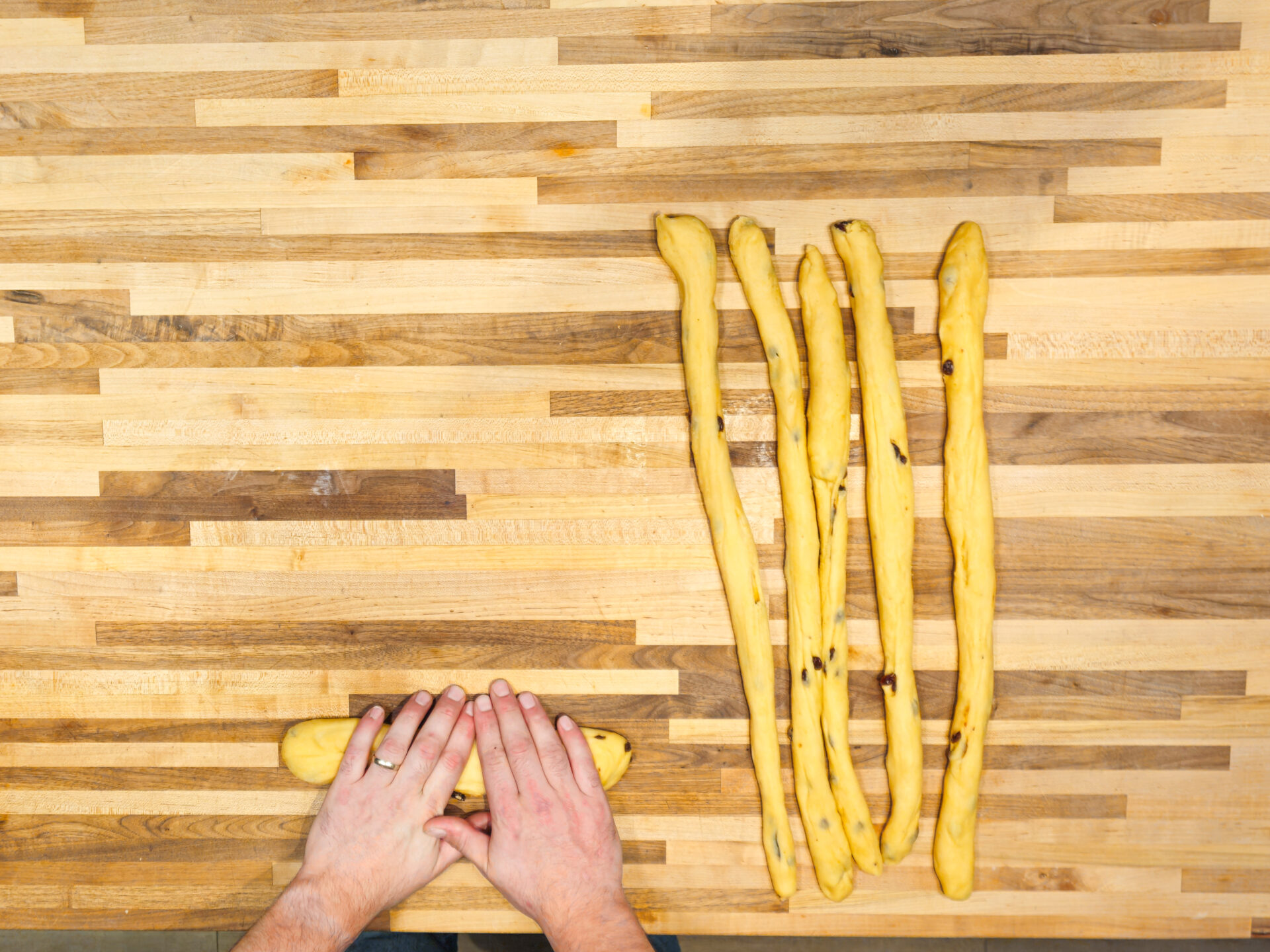
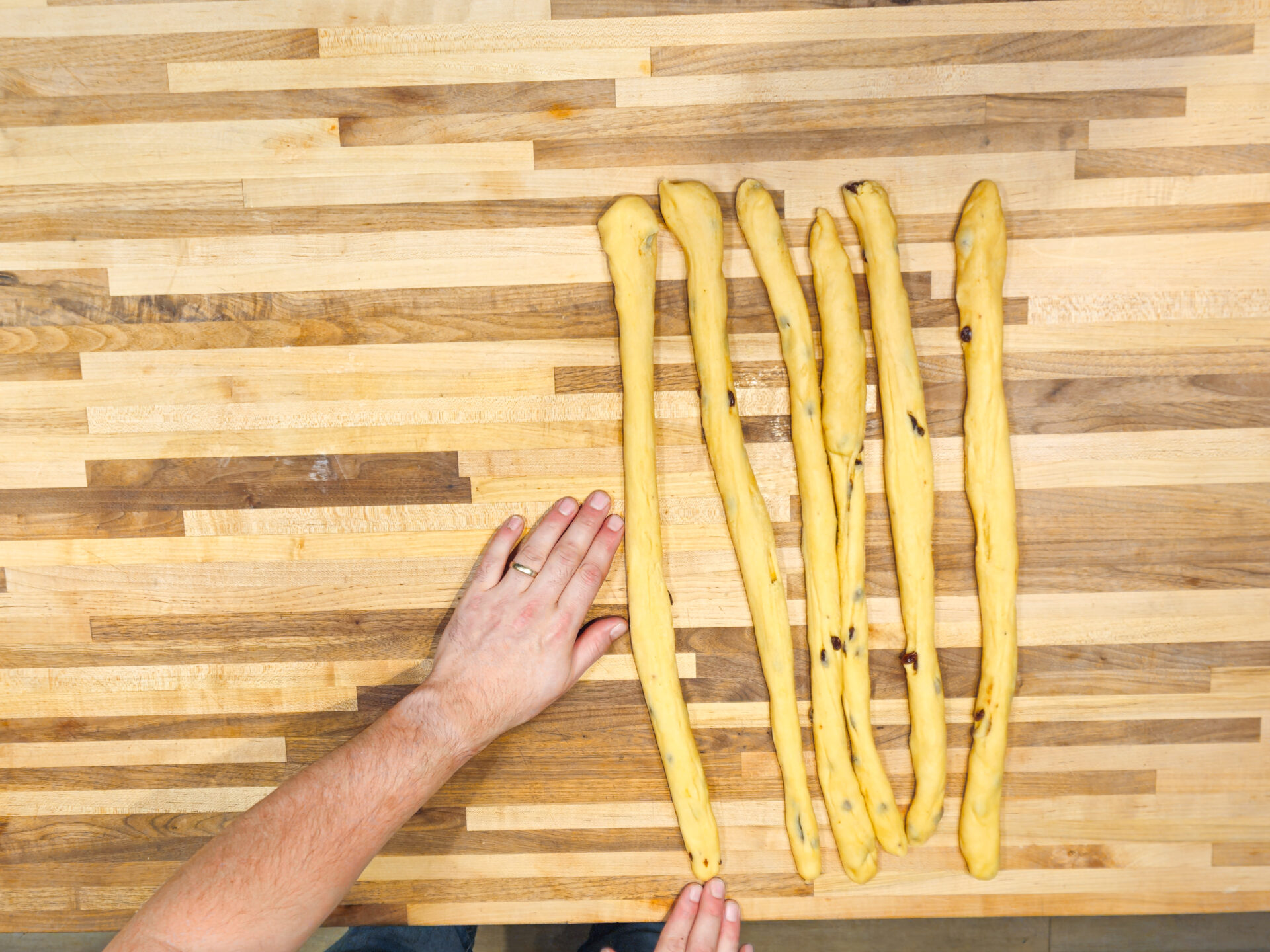
5.1.
Using a bowl scraper, separate the dough into 6 even pieces.
5.2.
Then roll each piece into a strand – a long rope shape with a thickness of about ¾ – 1”.
5.3.
Separate the strands so 3 are on the right and 3 are on the left, and connect all six strands by pinching them together at the top.
6.Vánočka Houska Shaping:
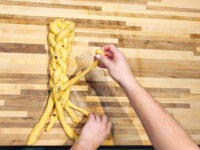
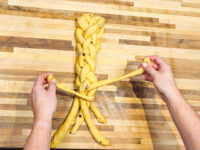
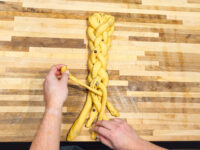
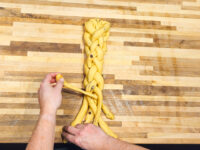
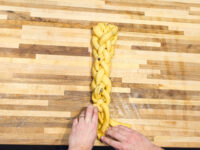
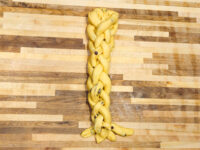
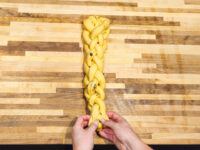
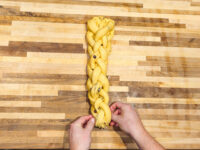
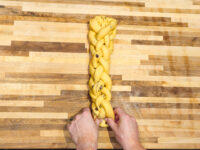
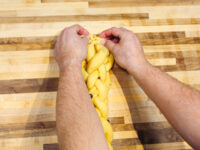
Important: Vánočka (Houska) is a braided bread. Please see the step-by-step image instructions in the gallery below this paragraph.
6.1.
Cross hands (with the left on the top), and with each hand, grab the outermost strand from both sides.
6.2.
Cross your hands and then place the strand from the right into the center (your left hand then becomes empty}. Then, with your left hand, take the outermost strand on the right side.
6.3.
Cross your left hand under your right hand, and place the strand in your right hand into the center. Then, with your right hand, take the outermost strand on the left side.
6.4.
Repeat this process until your Vánočka is complete.
6.5.
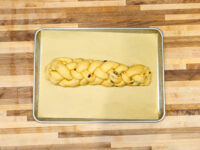
When you get to the end of the Vanocka, push the ends together and then fold under the Vanocka.
6.6.
Then, place the Vanocka on a baking sheet with parchment paper or a silicone mat.
7.Proofing of Vánočka Houska:
7.1.
8.Baking of Vánočka Houska:
8.1.
Preheat oven to 350°F.
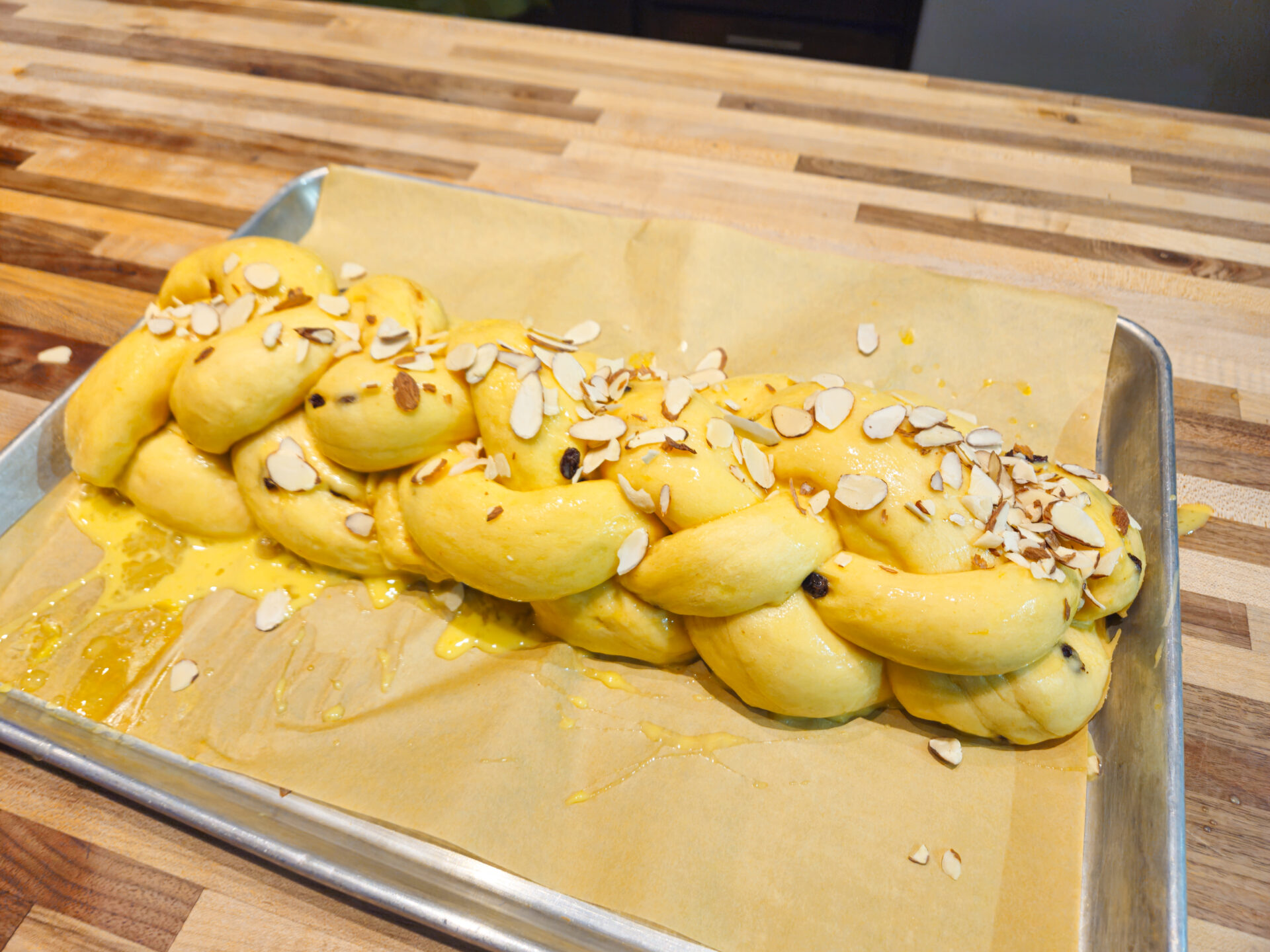
8.4.
Bake in a preheated oven for 15 minutes.
8.5.
Then lower heat to 300°F and bake for an additional 35 – 45 minutes until fully baked (you reach a nice dark, but not burnt, color).
9.Serving of Vánočka Houska Czech Christmas Bread:
9.1.
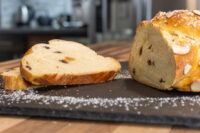
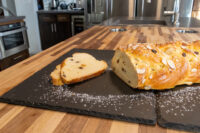
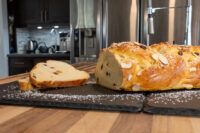
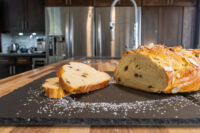
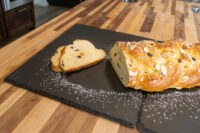
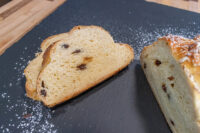
Slice and optionally serve with butter and/or a preserve of any kind.
9.2.
Optionally, sprinkle with confectioners’ sugar.













Share
Click on the icons below to share "Title of the item to share"