
Main Course Recipes
Chicken Tikka Masala
4 servings
Chicken Tikka Masala is most often found at Indian restaurants where I have eaten, but you will be amazed at how easy this meal is to prepare at home! By creating a rich seasoning mixture featuring vibrant ground turmeric, marinating tender chicken breasts in plain yogurt inside a medium mixing bowl, and letting the savory tomato and heavy cream sauce simmer in your fry pan before smoothing it out with an immersion blender, you get a restaurant-quality meal. It is absolutely perfect when served with fresh garlic naan. Read More
Main Course Recipes
Gluten-freeLow-carb
Before You Start
Let’s talk about important parts of the recipe before you start…
Welcome to My Easy Chicken Tikka Masala
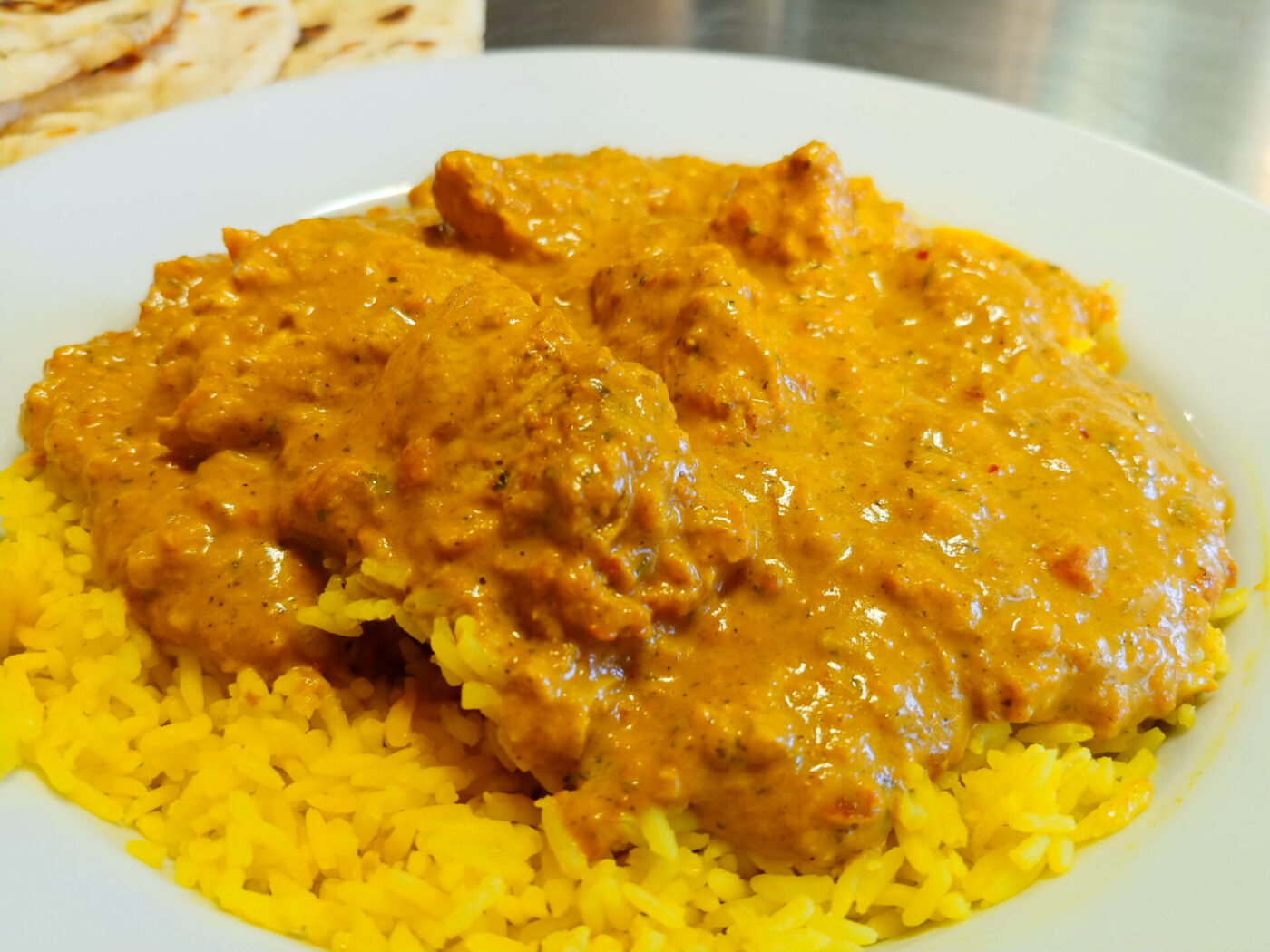
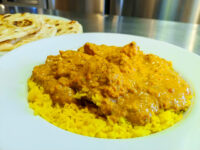
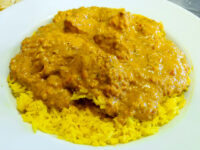
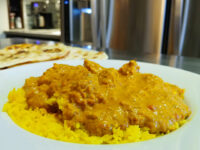
I am so excited to share my favorite Chicken Tikka Masala recipe with you. Chicken Tikka Masala is most often found at Indian restaurants where I have eaten, but you will be amazed at how easy this meal is to prepare in your own kitchen! The magic begins when we create a heavily spiced seasoning mixture using fragrant ground turmeric, coriander, cumin, and fresh garlic in a medium mixing bowl. We use a portion of this mix to marinate our chicken breasts along with white plain yogurt, which tenderizes the meat beautifully. After searing the meat, we build a luscious sauce in a large fry pan, enriching crushed tomatoes with heavy cream. We let the sauce simmer gently, process it with an immersion blender to achieve that silky smooth texture, and then finish cooking the meat inside the sauce. Serving this warm, comforting dish with a side of garlic naan and Indian rice makes for an unforgettable dinner. You can top the final plate with some toasted almond slices, but please note that is a modification that is not part of the recipe. I know you will love how this turns out!
Creating the Perfect Seasoning Mixture
The foundation of this incredible Chicken Tikka Masala relies heavily on the authentic seasoning mixture we put together first. I start by placing my spices into a medium mixing bowl. You will need 5 teaspoons of ground turmeric, 4 teaspoons of ground ginger, 1 tablespoon of ground cumin, 1 tablespoon of ground coriander, 1 teaspoon of ground pepper, a quarter teaspoon of ground cinnamon, a pinch of ground cloves, half a teaspoon of salt, and 5 cloves of peeled and grated garlic. I stir all of these together with a french whisk until they are fully mixed, which takes about 30 seconds. This step is crucial because it distributes the ground turmeric and other spices evenly. Once mixed, I take about two thirds of this seasoning mixture and put it into a small food container, placing it in the refrigerator for later when we build the sauce in our fry pan. The remaining one third stays right in the medium mixing bowl for the next step, where it will meet the plain yogurt and chicken breasts.
Prepping and Marinating the Chicken Breasts
Correct preparation of meat should be a regular step for any cook, and it is vital for our Chicken Tikka Masala. I take 1 and a half pounds of chicken breasts, which is about 3 to 4 pieces, and ensure they are properly rinsed under cold water with all unwanted parts removed. Using my chef’s knife on a cutting board, I cut the chicken breasts into large pieces, getting about 6 pieces from each breast. I then add the cut chicken breasts directly into the medium mixing bowl that still holds the reserved one third of our seasoning mixture. To this, I add 1 cup of white plain yogurt. I thoroughly fold all of it together with a silicone spatula so every piece is coated in the plain yogurt and ground turmeric spice blend. I cover the medium mixing bowl with plastic wrap and let it marinate for at least 30 minutes on the countertop, though letting it sit overnight in the refrigerator is highly preferred. This step ensures the meat will be incredibly flavorful before we sear it in the fry pan and let it simmer in the heavy cream sauce.
Searing the Marinated Meat in the Fry Pan
Once the chicken breasts have finished marinating in the plain yogurt and seasoning mixture, it is time to cook them for our Chicken Tikka Masala. You have two options here: you can grill them on skewers over medium heat, or you can sauté them. For the sauté method, I preheat a large stir fry pan or sauté pan on medium-high heat with 2 tablespoons of frying oil. I add the marinated chicken breasts from the medium mixing bowl and sear them with occasional stirring. You want to reach a nice sear, which takes about 3 to 4 minutes, but it is very important that the protein is not fully cooked yet. The inside should still be raw because the chicken breasts will finish cooking later when they simmer in the sauce alongside the heavy cream. Once I achieve that beautiful sear from the ground turmeric and plain yogurt marinade, I put the protein aside on a plate while I prepare to make the sauce in the same fry pan.
Building and Simmering the Heavy Cream Sauce
The rich, creamy sauce is what makes Chicken Tikka Masala so iconic. In my large stir fry pan, I preheat another 2 tablespoons of frying oil on medium-high heat and add 1 finely chopped medium onion, sautéing it with occasional stirring for about 2 to 3 minutes until glossy. Next, I add 4 cups of crushed tomatoes, 2 tablespoons of ground cardamom, 1 teaspoon of crushed dried pepper flakes, 1 tablespoon of dried cilantro, half a teaspoon of salt, 1 and three quarter cups of heavy cream, and the reserved seasoning mixture from the small food container in the refrigerator. I thoroughly stir them together until the heavy cream and ground turmeric blend beautifully. I bring the mixture to a simmer at about 195 degrees Fahrenheit with occasional stirring. Then, I lower the heat to medium and let it simmer for about 10 minutes. If the sauce thickens too much during this cooking phase in the fry pan, I consider adding water a quarter cup at a time, followed by vigorous stirring until fully combined.
Using the Immersion Blender and Finalizing the Dish
After the sauce has had time to simmer and the flavors of the heavy cream and seasoning mixture have married, it is time to achieve that perfect restaurant texture for our Chicken Tikka Masala. While the sauce is still cooking in the fry pan, I take my immersion blender and briefly process the sauce for about 30 to 60 seconds until it is completely smooth. You can use a food processor or a regular blender, but an immersion blender is by far the easiest tool. Once the sauce is silky, I add the seared chicken breasts back into the fry pan and briefly stir everything together. I let it simmer on medium heat with occasional stirring for about 10 to 15 minutes, ensuring all ingredients are nicely blended and the chicken breasts are fully cooked. I always check with a food thermometer to make sure the poultry has reached the minimum recommended safe serving temperature of 165 degrees Fahrenheit. I taste the sauce, add salt and pepper if needed, and then serve this glorious meal over Indian rice alongside fresh garlic naan for the ultimate dining experience!
Popular questions
Can I fully cook the chicken breasts in the fry pan before adding them to the heavy cream sauce?
I highly recommend that you do not fully cook the chicken breasts during the initial searing stage. In my Chicken Tikka Masala recipe, you want to sear the meat—which has been marinated in plain yogurt, ground turmeric, and the seasoning mixture inside your medium mixing bowl—just until it develops a nice crust in the fry pan. By putting the partially cooked protein aside and adding it back to the pan later, you allow the chicken to gently simmer and finish cooking inside the heavy cream sauce. Then, after using your immersion blender on the sauce, the chicken finishes cooking to a safe 165°F, keeping it wonderfully tender for serving with your garlic naan!
Chicken Tikka Masala
Ingredients:
Click any ingredient to learn moreSeasoning mixture:
5 TSP of ground turmeric - ground
4 TSP of ginger root - ground
1 TBSP of cumin seeds - ground
1 TBSP of coriander - ground
1 TSP of pepper - ground
¼ TSP of cinnamon - ground
Pinch of cloves - ground
½ TSP of salt
5 cloves of garlic - peeled and grated (or pressed)
Protein preparation:
1 ½ LB of chicken breasts (about 3 - 4 PIECES)
1 cup of plain yogurt
2 TBSP of frying oil (any kind) (adjust if needed, for sauteing the protein only)
Sauce:
2 TBSP of frying oil (any kind) (adjust if needed)
1 onion - peeled and chopped
4 cups of tomato - crushed (or diced, from a can with liquid, or puree or fresh diced*)
2 TBSP of cardamom
1 TSP of crushed pepper flakes (dried)
1 TBSP of cilantro (or 2 TBSP of finely cut fresh one)
½ TSP of salt
1 ¾ cups of heavy cream
*Use any kind of tomato you like. Peeling them is unnecessary since you will end up processing the sauce with an immersion blender anyway. But if you want to peel them anyway, the easiest way is to perform a crosscut on the bottom and cut off the part after the stem. Then, blanch them in boiling water for about 30 seconds. Place them into ice water to cool (about 1 – 2 minutes), and then simply peel them by hand.
Nutrition per 1 Serving:(recipe split into 4 servings)
EstimatedCalories 919
Protein 48.8 g
Fat 70.0 g
Saturated fat 30.8 g
Carbohydrate 27.8 g
Sugars 12.0 g
Fiber 6.8 g
Sodium 577 mg
Cholesterol 234 mg
Gluten-freeLow-carb
Estimated. Worked out from the ingredients above using the United States Department of Agriculture’s FoodData Central reference data. An estimate, not a measurement — brands, sizes and how much of a marinade actually ends up on the plate all move it.
Directions:
1.Seasoning Mixture:
1.1.
Place into a medium mixing bowl:
5 TSP of ground turmeric
4 TSP of ground ginger
1 TBSP of ground cumin
1 TBSP of ground coriander
1 TSP of ground pepper
¼ TSP of ground cinnamon
Pinch of ground cloves
½ TSP of salt
5 cloves of garlic – grated
Stir with a whisk until fully mixed (about 30 seconds).
1.2.
Then, put about 2/3 of the mixture into a small food container and place it in the refrigerator for later sauce preparation.
1.3.
Leave the remaining ⅓ in a mixing bowl for the following step.
2.Chicken Preparation:
2.1.
Make sure that the chicken breasts are properly rinsed under cold water and that the unwanted parts are removed.
2.2.
Cut chicken breasts into large pieces (about 6 from each breast).
2.3.
Add chicken into the medium mixing bowl with seasoning mix.
2.4.
Add:
1 cup of white plain yogurt
Thoroughly fold all together with a spatula.
2.5.
Cover with plastic wrap and marinate for at least 30 minutes on the countertop (or preferably overnight in the refrigerator).
3.Grill or Sauté the Chicken:
3.1.
Grill:
Tip:
Put chicken meat on skewers for easier manipulation.
3.1.1.
Place on the medium heat grill:
Chicken from step 2
Grill until you reach a nice sear, but the protein is not fully cooked yet (about 2 minutes from each side).
3.1.2.
Put protein aside – it will be added and cooked in the sauce later.
3.2.
Sauté:
3.2.1.
While the sauce is simmering, preheat a fry pan on medium-high heat with 2 TBSP of frying oil and add:
Chicken from Step 2
Sear with occasional stirring until you reach a nice sear — but the protein is not fully cooked yet (about 3 – 4 minutes).
3.2.2.
Put protein aside – it will be added and cooked in the sauce later.
4.Sauce:
4.1.
Preheat stir fry pan on medium-high heat with 2 TBSP of frying oil and add:
1 medium onion – finely chopped
Sauté with occasional stirring until onions are glossy (about 2 – 3 minutes).
4.2.
Add:
4 cups of tomatoes
2 TBSP of ground cardamom
1 TSP of crushed pepper flakes
1 TBSP of dried cilantro
½ TSP of salt
1 ¾ cups of heavy cream
Seasoning mixture from the small food container
Thoroughly stir them together.
4.3.
Bring it to a simmer (about 195°F) with occasional stirring.
4.4.
Lower heat to medium and let it simmer for about 10 minutes with occasional stirring.
Tip:
If the sauce thickens too much during any cooking phase, consider adding water followed by vigorous stirring until fully combined (¼ cup at a time).
4.5.
Then, by using an immersion blender, briefly process the sauce while still cooking (about 30 – 60 seconds).
5.Finalize:
5.1.
Add chicken and briefly stir together.
5.2.
Then let it simmer on medium heat with occasional stirring until all ingredients are nicely blended and the protein is fully cooked * (about 10 – 15 minutes).
5.3.
Taste and add salt and pepper if needed.
6.Serve:
6.1.
Serve over rice, Indian rice, and with garlic naan.
Kitchen Guide
Poultry
The USDA minimum safe internal temperature is 165°F.
The popular serving temperature is the same as the minimum serving temperature.
Read More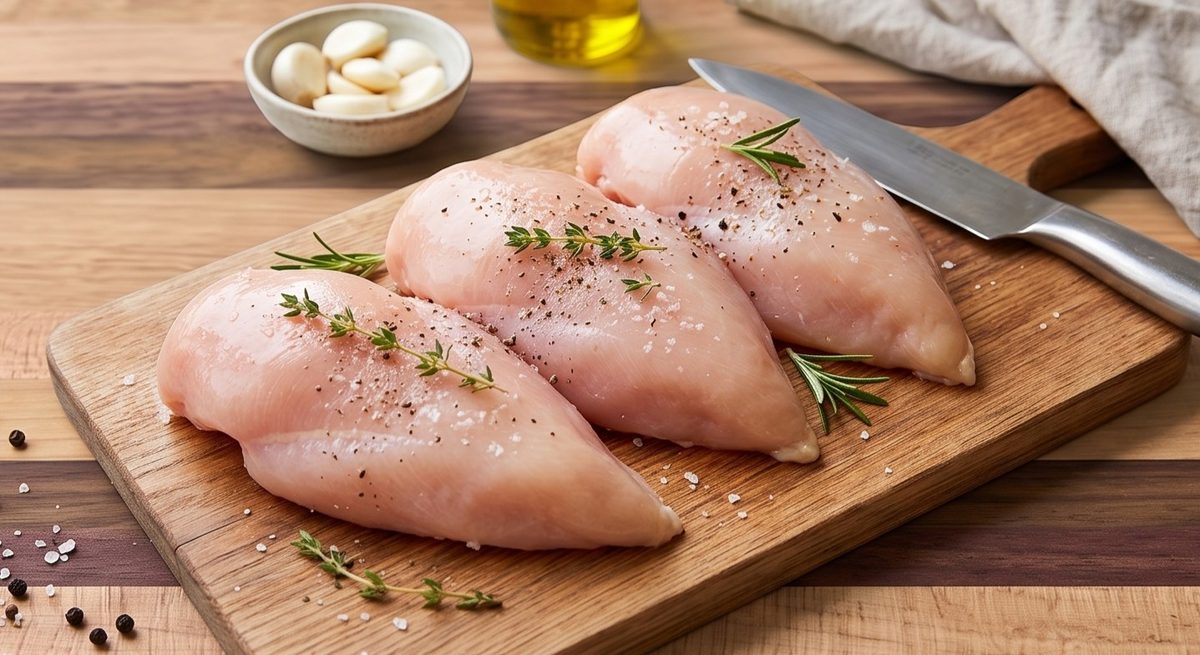
Share
Click on the icons below to share "Title of the item to share"