
Main Course Recipes
Asparagus Risotto with Shrimp
4 servings
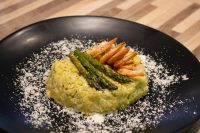
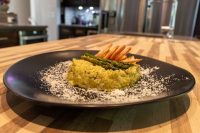
This elegant Asparagus Risotto with Shrimp is a perfect main course for a special evening or whenever you want to treat yourself. The creamy, vibrant flavor of asparagus puree melds beautifully with the rich, cheesy risotto, crowned with succulent, perfectly cooked shrimp. This recipe elevates a classic dish to a fine dining level that is sure to impress. Read More
Main Course Recipes
Gluten-free
Before You Start
Let’s talk about important parts of the recipe before you start…
Short Intro for Asparagus Risotto with Shrimp
I am so excited to share my recipe for Asparagus Risotto with Shrimp with you! This dish is a true showstopper, perfect for a special occasion or simply when you’re craving something comforting yet sophisticated. The secret is in the vibrant asparagus puree, which gives the entire dish a beautiful color and an intense, fresh flavor. Paired with perfectly cooked, succulent shrimp, this creamy risotto becomes an elegant dinner that feels like it came from a fine dining restaurant. It’s a wonderful way to enjoy a classic cheesy risotto with a fresh, modern twist.
Key Parts of the Asparagus Risotto with Shrimp Recipe
The magic of this Asparagus Risotto with Shrimp lies in a few key techniques and steps that transform simple ingredients into an extraordinary meal. I’ve identified several crucial parts of the process that really make a difference. Understanding why we do these things will not only help you perfect this dish but will also build your confidence in the kitchen.
The first is the preparation of the asparagus itself, involving blanching and an optional searing step to build layers of flavor. Next is creating the asparagus puree, which is the heart of this recipe, giving the risotto its signature color and taste. Then, there’s the classic risotto technique of adding the broth gradually, which is essential for achieving that perfect creamy texture without any cream. Choosing the right kind of rice, like Arborio, is also fundamental to the dish’s success. We’ll also cover the best way to prepare and pan-fry shrimp so they remain tender and succulent. Finally, the finishing touches, when you take the risotto off the heat to stir in the final ingredients, are what bring all the flavors together harmoniously.
The Two-Step Asparagus Preparation: Blanching and Searing
In my Asparagus Risotto with Shrimp recipe, preparing the asparagus is more than just a preliminary step; it’s foundational to the final flavor and appearance of the dish. I start by blanching the asparagus, which involves briefly boiling it for about 30 to 60 seconds. This quick process does two important things: it locks in the vibrant green color, ensuring your final risotto is visually stunning, and it tenderizes the spears just enough. After blanching, I offer an optional but highly recommended step: searing the asparagus in a hot pan with a bit of oil. Searing for about three minutes introduces a beautiful, subtle char and a deeper, more complex flavor that you just can’t get from boiling alone. This is how you elevate the asparagus from a simple vegetable to a star ingredient in this elegant dinner.
Creating the Vibrant Asparagus Puree
The secret to the intense flavor and beautiful color of this Asparagus Risotto with Shrimp is the asparagus puree. After blanching and searing, I set aside about half a pound of the asparagus spears for garnish and place the remaining pound into a blender. It’s crucial to include all the delicious juices from the searing pan, as they are packed with flavor. To this, I add a half-cup of the water we reserved from blanching the asparagus. Blending this on high speed for a minute or two transforms the asparagus into a silky-smooth puree. This puree is stirred into the risotto near the end of the cooking process, infusing every single grain of rice with its fresh, earthy essence and giving the entire dish its signature creamy, green character.
The Classic Risotto Method: Adding Broth in Stages
One of the most important techniques in learning how to make risotto is adding the broth gradually, and my Asparagus Risotto with Shrimp is no exception. After toasting the arborio rice and deglazing with white wine, I reduce the heat to medium and begin adding the vegetable broth one cup at a time. The recipe calls for four cups of broth, added in four parts. You must stir constantly and wait until the rice has absorbed most of the liquid before adding the next cup. This patient process is what coaxes the starches out of the rice grains, creating the wonderfully creamy consistency that risotto is famous for, all without adding any heavy cream. It takes about 15-20 minutes, and this constant stirring and slow addition of liquid is what truly defines a well-made, creamy risotto.
Why Arborio Rice is Key for Creamy Risotto
For this Asparagus Risotto with Shrimp, I call for arborio rice, and for good reason. Arborio is a short-grain Italian rice with a very high starch content, specifically amylopectin. It’s this particular starch that is the hero of any great risotto. As you perform the crucial step of stirring the rice while gradually adding hot vegetable broth, the friction rubs the starch off the outside of the grains. This starch dissolves into the cooking liquid, thickening it and creating a rich, velvety sauce that binds everything together. While the recipe notes you can use other short-grain rice, Arborio is the classic choice because it can absorb a lot of liquid and flavor while still retaining a satisfying al dente bite at its center, resulting in the perfect cheesy risotto texture.
Preparing and Cooking Succulent Shrimp
The shrimp are the crowning glory of this Asparagus Risotto with Shrimp, so it’s important to treat them right. I start by marinating the raw shrimp in a simple mixture of lemon juice, olive oil, salt, and pepper. This brief marinade, done at room temperature while you prepare the other components, seasons the shrimp perfectly and the acidity from the lemon helps to tenderize them slightly. When it’s time to cook, I use a hot frying pan with oil to pan-fry the shrimp quickly. High heat is essential here; it allows the shrimp to cook through in just a few minutes, preventing them from becoming tough and rubbery. For perfect results, I always recommend checking the internal temperature to ensure they reach the safe 145°F. This method guarantees you get perfectly succulent shrimp every time.
Finishing the Risotto Off the Heat
The final steps of making this Asparagus Risotto with Shrimp are just as important as the first. After the rice is perfectly cooked, creamy, and has absorbed the asparagus puree, the recipe instructs you to take the pan off the stove. This is a critical moment. With the residual heat, you stir in the final flavor-makers: the bright juice from a whole lemon, rich grated Parmesan cheese, salt, and freshly ground pepper. If you’re using it, this is also when you’d add the optional grated garlic. Stirring these ingredients in off the heat allows the cheese to melt into the risotto without becoming greasy or stringy, and it keeps the lemon juice’s flavor fresh and vibrant. This technique, known as ‘mantecatura’ in Italian cooking, emulsifies the fats and liquids into a final, perfectly balanced, and creamy risotto.
Asparagus Risotto with Shrimp
Ingredients:
Click any ingredient to learn moreRisotto Ingredients:
1 ½ LB of asparagus
About ½ cup of water from cooking asparagus
5 TBSP of frying oil (any kind) (adjust if needed)
1 ½ cup of arborio rice (or other short-grain rice or white rice of your choice)
1 cup of white wine of your choice (I prefer dry wine)
4 cups of vegetable broth/stock (or chicken broth)
1 stick of butter (1/4 LB)
2 cloves of garlic - peeled and grated (or pressed)
1 TSP of salt
½ TSP of black pepper - ideally freshly ground
1 cup of parmesan cheese - grated
Shrimp: **
2 TBSP of frying oil (any kind) (adjust if needed)
1 LB of peeled extra-large shrimp (deveined, tail off) - fresh (or defrosted frozen) (or tail off or medium shrimp***)
Drizzle of Extra Virgin Olive Oil
Pinch of salt
Pinch of black pepper - ideally freshly ground
Final Touch:
parmesan cheese - grated
black pepper - ideally freshly ground
* Garlic is optional. If you use it, it will help to create a harmonic flavor. If you skip it, the apsaragus flavor will stand out more. I use garlic about half of the time, and it is very good either way.
** Vegetarians can skip the shrimp and all related steps entirely. For the best results, use large, raw shrimp, which are typically gray in color.
*** You can choose shrimp with the tail on for a better presentation or without for easier eating, based on your preference. If you purchase cooked shrimp, which are typically pink, all you need to do is defrost them in hot water. You can then skip all other steps, including the seasoning and other ingredients. This version may not be as flavorful, but it will still provide a good shrimp taste.
Tools:
Click any tool to learn more1x Chef’s knife
1x Tongs
1x Plate
1x Paper Towel
1x Garlic Press (optional)
1x Lemon Squeezer (optional)
1x Fish Turner (or regular turner)
Nutrition per 1 Serving:(recipe split into 4 servings)
EstimatedCalories 967
Protein 39.4 g
Fat 54.8 g
Saturated fat 20.6 g
Carbohydrate 71.2 g
Sugars 5.1 g
Fiber 4.7 g
Sodium 1884 mg
Cholesterol 265 mg
Gluten-free
Estimated. Worked out from the ingredients above using the United States Department of Agriculture’s FoodData Central reference data. An estimate, not a measurement — brands, sizes and how much of a marinade actually ends up on the plate all move it.
Directions:
1.Shrimp Preparation:
Let’s start the preparation of Asparagus Risotto with Shrimp.
1.1.
Rinse raw shrimp under cold water and place them on a plate.
1.2.
Squeeze the juice from ½ lemon evenly over the shrimp, drizzle with olive oil, and season with salt and pepper.
1.3.
Cover with food wrap and let marinate at room temperature for cooking in the later steps.
2.Asparagus Preparation:
2.1.
Blanch Asparagus:
2.1.1.
Fill a medium pot about halfway with water and place it on a high heat burner to boil.
2.1.2.
Meanwhile, rinse the asparagus, then cut off and dispose of the bottom ⅓.
2.1.3.
When the water reaches a boil, place all 1 ½ LB of asparagus into the pot to blanch for about 30 – 60 seconds.
2.1.4.
Remove the asparagus from the water using tongs, let the water drip off briefly, and place it on a plate with a paper towel to dry briefly.
2.1.5.
Reserve about ½ cup of the asparagus water for the later steps.
2.2.
Optional Searing (for elevated flavor):
2.2.1.
Preheat a fry pan on high heat with 1 TBSP of frying oil.
2.2.2.
Place all of the blanched asparagus into the preheated pan.
2.2.3.
Sear on high heat for about 3 minutes, turning occasionally.
2.2.4.
Lower the heat to medium-low and add:
Juice from ½ of a lemon,
Drizzle of Extra Virgin Olive Oil,
2 TBSP of butter,
¼ TSP of salt, and
¼ TSP of ground pepper.
Sauté until the butter melts (about 1 minute).
2.3.
Asparagus Puree:
2.3.1.
Set about ½ LB of the asparagus aside for later decoration.
2.3.2.
Place the remaining 1 LB asparagus into a blender or food processor.
Important: If previously seared, also include all the pan juices.
2.3.3.
Add:
½ cup of reserved asparagus water
2.3.4.
Process on high speed until smooth (usually about 1 – 2 minutes).
2.3.5.
Set aside for a later step.
3.Risotto Base:
3.1.
Preheat a stir-fry pan on medium-high heat with 5 TBSP of frying oil and add:
1 ½ cups of arborio rice
Cook with constant stirring for about 2 minutes.
3.2.
Then add:
1 cup of white wine of your choice
Cook with constant stirring until about half of the wine gets absorbed and evaporated (usually about 1 minute).
4.Risotto Body:
Important:
We are going to add vegetable broth in parts (about 4 parts total). If you reduce the temperature to medium, as the recipe asks for, 4 cups of the broth should be enough to cook the risotto in about 15 – 20 minutes. If you run out of vegetable broth before the rice softens, simply just add water (the broth flavor will already be part of the meal, and there is no reason to add more broth).
4.1.
Reduce heat to medium and add:
1 cup of vegetable broth (first about ¼ of the total amount)
Cook with constant stirring until the broth gets partially absorbed and partially evaporates – until the rice is almost dry (usually about 3- 5 minutes).
4.2.
Add:
1 cup of vegetable broth (the second which is about ¼ of the total amount)
Cook with constant stirring until the broth gets partially absorbed and partially evaporated – until the rice is almost dry (usually about 3- 5 minutes).
4.3.
Add:
1 cup of vegetable broth (the third, which is about ¼ of the total amount)
Cook with constant stirring until the broth gets partially absorbed and partially evaporated – until the rice is almost dry (usually about 3- 5 minutes).
4.4.
Add:
1 cup of vegetable broth (the fourth which is about ¼ of the total amount)
Cook with constant stirring until the broth gets partially absorbed and partially evaporated – until the rice is almost dry (usually about 3- 5 minutes).
Important:
Right now, your rice should be almost soft and pretty much edible. If not, add some water and slightly extend the cooking time.
4.5.
Add:
1 stick of butter
And cook with constant stirring until fully dissolved (about 30 seconds to 1 minute).
4.6.
Add:
Asparagus puree from step 1.3.
Cook with constant stirring until the puree becomes part of the rice (usually about 2 minutes).
Tip:
If you prefer drier risotto, extend the cooking time.
5.Complete the Risotto:
5.1.
Take off the stove and add to the pan:
Juice from 1 lemon
Optional: 2 cloves of garlic –grated
1 TSP of salt
½ TSP of pepper
1 cup of parmesan – grated
Stir thoroughly until fully combined.
5.2.
Taste and add salt and pepper.
5.3.
Cover with a lid (or aluminum wrap) and leave it in the pan until you plate.
6.Pan-fry Shrimp:
6.1.
Preheat a frying pan on high heat with 2 TBSP of frying oil.
6.2.
Place the shrimp in the hot pan and pan-fry, stirring occasionally, until they are cooked through. Check with a food thermometer to ensure they have reached a safe internal temperature. *
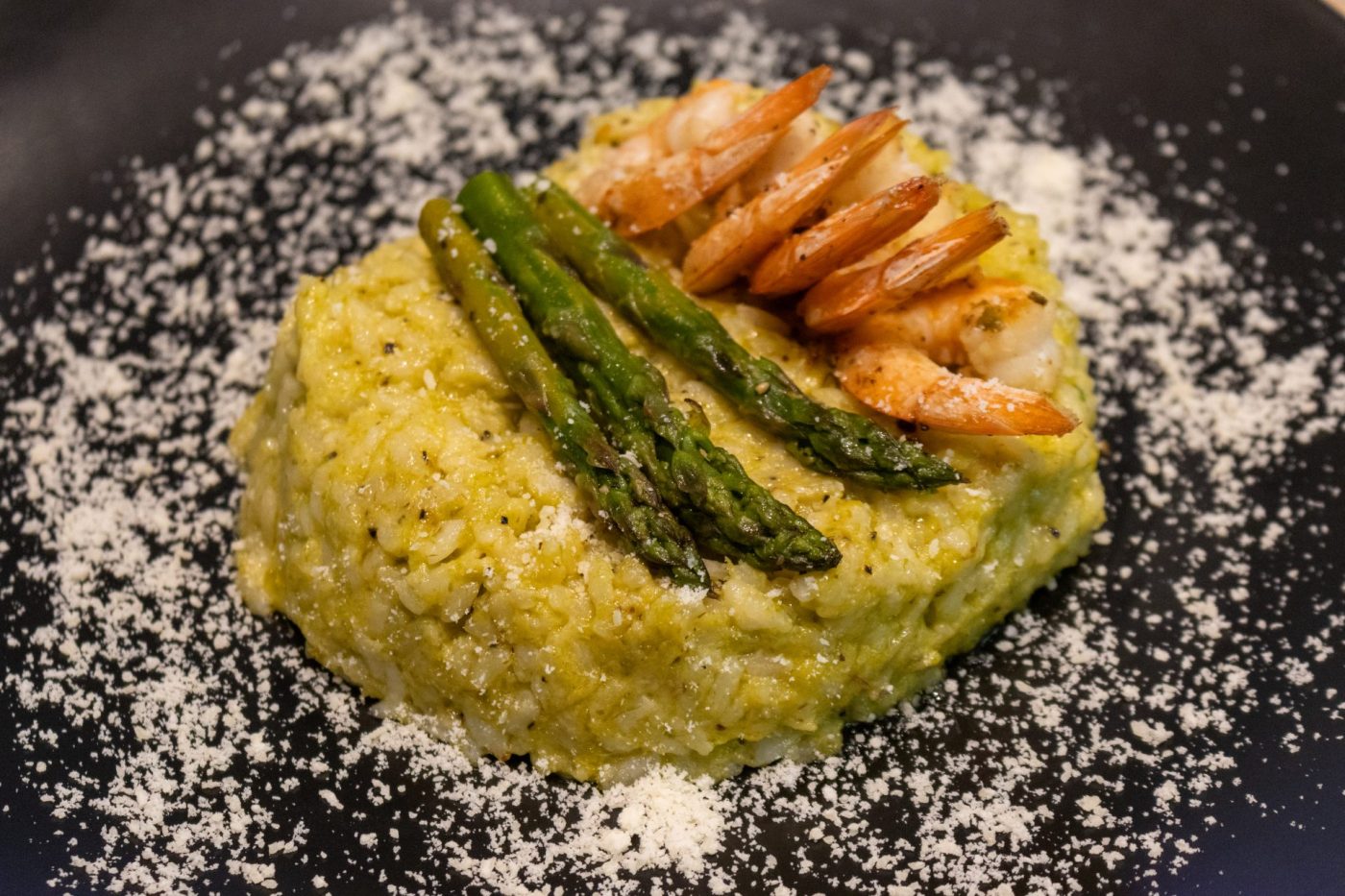
7.Plating of Asparagus Risotto with Shrimp:
7.1.
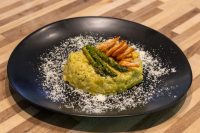
Place a portion of the risotto onto a plate.
7.2.
Arrange 3-5 cooked shrimp on top of the risotto.
7.3.
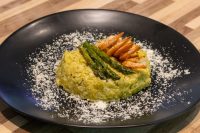
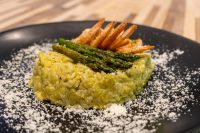
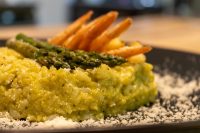
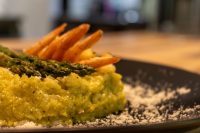
Garnish with the reserved blanched or seared asparagus spears.
7.4.
Gently sprinkle with extra grated parmesan, salt, and pepper to finish.
Kitchen Guide
Shellfish
The USDA minimum safe internal temperature is 145°F.
The popular serving temperature is the same as the minimum serving temperature.
Read More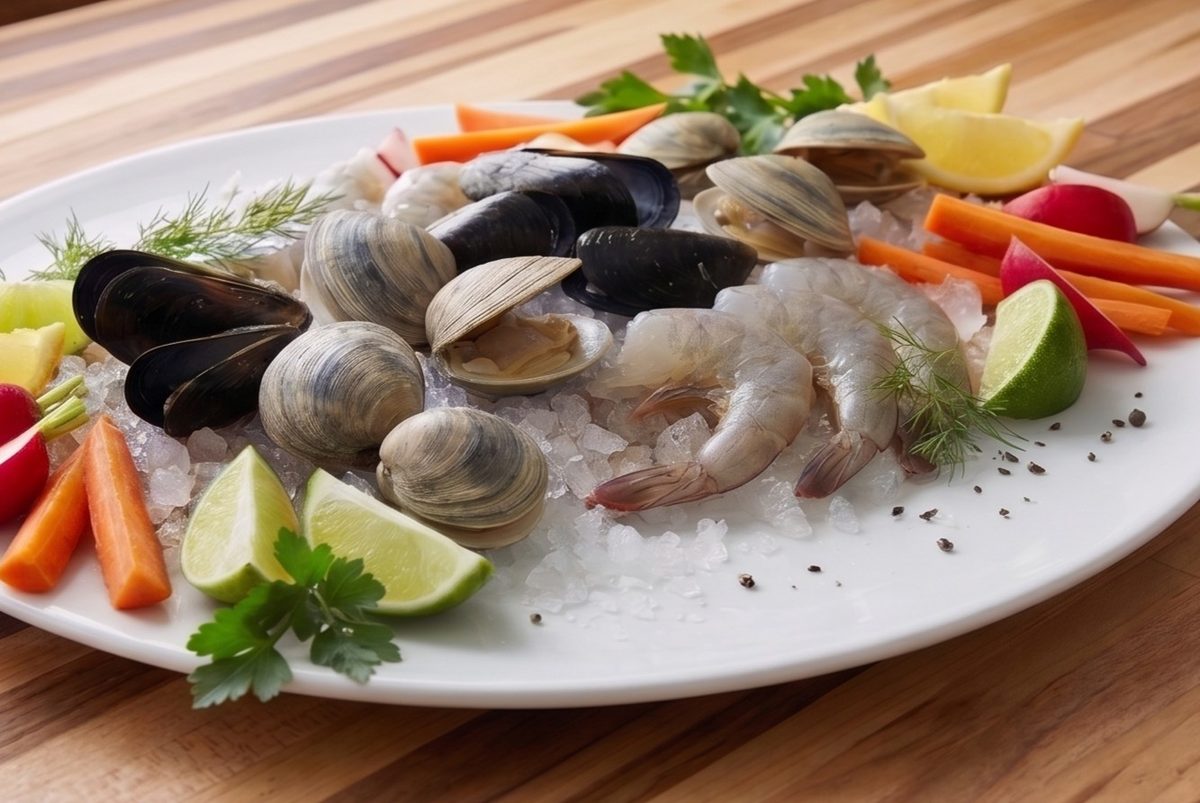
Popular questions
Is it really necessary to add the broth one cup at a time for the Asparagus Risotto with Shrimp?
Yes, it absolutely is, and this is the most important technique for achieving a truly authentic and creamy risotto. My recipe for Asparagus Risotto with Shrimp specifically calls for adding the four cups of vegetable broth in four separate parts. The reason for this is all about starch. Arborio rice is full of starch, and by adding the hot liquid slowly and stirring constantly, you are gently washing the starch off the surface of each grain. This released starch is what thickens the broth and creates that signature creamy, velvety sauce that risotto is known for. If you were to dump all the liquid in at once, you would essentially just be boiling the rice, and it wouldn't release its starches properly, resulting in a much thinner, less satisfying dish. Patience in this step is the key to a perfect result.
Share
Click on the icons below to share "Title of the item to share"