
Side Recipes
Sauerkraut (Kysane Zelí)
4 servings
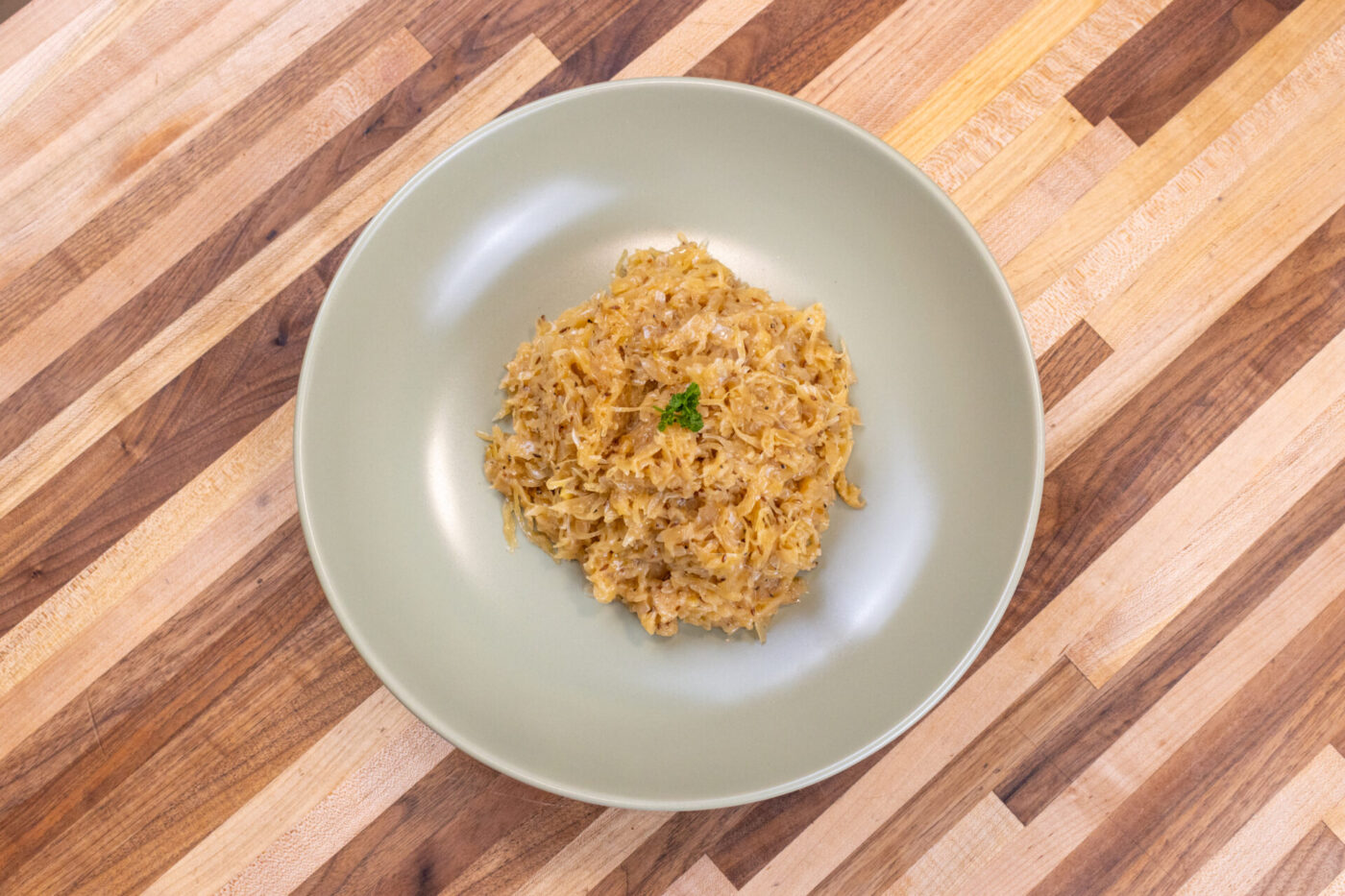
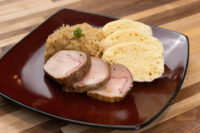
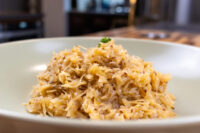
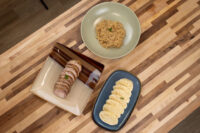
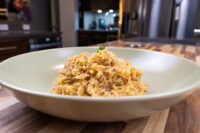
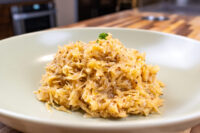
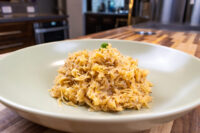
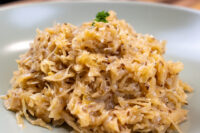
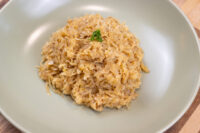
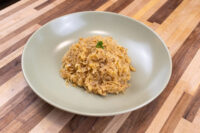
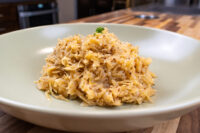
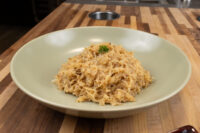
I am excited to share my traditional recipe for Sauerkraut (kysane zelí), a versatile and easy-to-make side dish that perfectly complements many meals. Whether you enjoy it simply with boiled potatoes or as a vital component of the famous Czech pork-dumpling-sauerkraut (vepřo-knedlo-zelo), this preparation provides the authentic taste of Central Europe right in your kitchen. Read More
Side Recipes
Before You Start
Let’s talk about important parts of the recipe before you start…
The Importance of Sautéing the Onion and Bacon for Sauerkraut (kysane zelí)
In my recipe for Sauerkraut (kysane zelí), the first step involves preheating a sauce pan on medium-high heat with 2 TBSP of frying oil. I add one large, finely chopped onion and sauté it with occasional stirring until it becomes glossy, which usually takes about 3 to 4 minutes. This creates a sweet, aromatic base for the dish. If you choose to include the optional 1/4 LB of diced bacon, I add it here and sauté for an additional 2 minutes. I make sure to stir constantly until the bacon is partially cooked but not yet crispy. This step is crucial for infusing the Sauerkraut (kysane zelí) with a rich, savory fat that carries the flavors of the caraway seeds and salt throughout the entire dish.
Managing the Liquid and Initial Sauté of the Cabbage
A specific technique I use for Sauerkraut (kysane zelí) involves handling the cabbage liquid separately. While the onions are cooking, I drain the liquid from the 2 LB of sauerkraut into a medium mixing bowl using a strainer. I never throw this liquid away because it contains the heart of the fermented flavor. Once my bacon and onions are ready, I add the drained sauerkraut into the sauce pan. I sauté the cabbage with constant stirring for about 2 to 3 minutes. Sautéing the cabbage before adding liquids helps to mellow the raw fermented bite and integrates the fats from the oil and bacon into the fibers of the Sauerkraut (kysane zelí).
The Stewing Process and Flavor Integration
To achieve the perfect texture for Sauerkraut (kysane zelí), the stewing phase is essential. I add 1 cup of water, the reserved liquid from the sauerkraut, 1/2 stick of sliced unsalted butter, 2 TSP of caraway seeds, 1 TSP of salt, and 1/2 TSP of ground pepper. I stir everything thoroughly and cover the pot with a lid. I bring the mixture to a simmer, aiming for approximately 195°F. I then lower the heat to medium and cook for about 20 minutes. During this time, I stir occasionally and check the consistency. If it seems to be thickening too much or drying out, I might add a little more water as a modification, though this is not strictly required by the base recipe. This slow simmer allows the Sauerkraut (kysane zelí) to soften and absorb the butter and caraway notes.
The Traditional Thickening Method with All-Purpose Flour
The finishing phase of my Sauerkraut (kysane zelí) is what gives it that classic, slightly creamy consistency found in Czech cuisine. After 20 minutes of stewing, when most of the liquid has been absorbed, I dust the mixture with 2 TBSP of all-purpose flour. I make sure to stir it in thoroughly so no clumps form. I continue to cook the mixture for another 2 to 5 minutes, stirring occasionally, until it has noticeably thickened. This flour-based thickening ensures that the Sauerkraut (kysane zelí) isn’t watery on the plate and holds its own next to dumplings or meats.
A Quick Thickening Tip for Efficient Cooking
I know that sometimes we are all in a rush. In my recipe for Sauerkraut (kysane zelí), I have included a specific tip for when you don’t want to wait any longer during the finishing phase. You can simply add an extra 1 TBSP of flour directly into the sauerkraut, stir it vigorously, and cook for just 1 additional minute. This shortcut helps achieve the desired thickness quickly without the full 5-minute simmer. Once thickened, I always taste my Sauerkraut (kysane zelí) one last time and add a bit more salt or pepper if needed to ensure the seasoning is perfect before serving.
Balancing Flavors with Caraway and Butter
The soul of this Sauerkraut (kysane zelí) lies in the balance between the acidity of the cabbage and the richness of the 1/2 stick of unsalted butter. I use 2 TSP of caraway seeds because they are the traditional spice paired with cabbage, aiding in digestion and providing a distinct earthy flavor. The butter provides a silky mouthfeel that counters the sharp vinegar notes of the fermentation. When I prepare Sauerkraut (kysane zelí), I ensure these ingredients are well-incorporated during the simmer so that every bite is consistent and comforting.
Sauerkraut (Kysane Zelí)
Ingredients:
Click any ingredient to learn more2 TBSP of frying oil (any kind) (adjust if needed)
1 onion - peeled and finely chopped (large size)
Optionally: 3 slices of bacon (pork) - diced (about ¼ LB)
2 LB of sauerkraut - reserve the liquid
1 cup of water
½ stick of unsalted butter - sliced into thick slices
2 TSP of caraway seeds - whole
1 TSP of salt
½ TSP of pepper - ideally freshly ground
2 TBSP of all-purpose flour
Nutrition per 1 Serving:(recipe split into 4 servings)
EstimatedCalories 341
Protein 11.7 g
Fat 26.2 g
Saturated fat 9.7 g
Carbohydrate 17.8 g
Sugars 6.4 g
Fiber 8.1 g
Sodium 2473 mg
Cholesterol 74 mg
Estimated. Worked out from the ingredients above using the United States Department of Agriculture’s FoodData Central reference data. An estimate, not a measurement — brands, sizes and how much of a marinade actually ends up on the plate all move it.
Directions:
1.Sauté:
1.1.
Preheat a sauce pan on medium-high heat with 2 TBSP of frying oil and add:
1 large onion – finely chopped
Sauté with occasional stirring until glossy (about 3 – 4 minutes).
1.2.
Optionally add:
¼ LB of bacon – diced
Sauté with constant stirring for an additional 2 minutes (until partially cooked but not crispy).
2.Sauerkraut:
2.1.
Meanwhile, drain the liquid from the sauerkraut into a medium mixing bowl using a strainer (liquid will be used for the next step).
2.2.
After the bacon is sautéed, add the sauerkraut into the sauce pan and sauté with constant stirring for about 2 – 3 minutes.
3.Stew:
3.1.
Add:
1 cup of water
Liquid from sauerkraut
½ stick of butter
2 TSP of caraway
1 TSP of salt
½ TSP of ground pepper
Thoroughly stir and cover with a lid. Bring to a simmer (about 195°F) with occasional stirring.
3.2.
Lower the heat to medium and cook for about 20 minutes with occasional stirring. Optionally, add water during stewing to dilute the sauerkraut (if thickening too much).
3.3.
After about 20 minutes most of the liquid should be absorbed (some can still be present). If not, slightly extend cooking time.
3.4.
4.Finishing Phase:
4.1.
Dust the stewed sauerkraut with:
2 TBSP of flour
Thoroughly stir.
4.2.
Cook with occasional stirring until thickened (for another 2 – 5 minutes).
Tip:
If you are in a rush and don’t want to wait any longer, just simply add an extra 1 TBSP of flour directly into the sauerkraut, stir, and cook for 1 additional minute.
4.3.
Taste and add salt and/or pepper if needed.
Popular questions
Can I make this Sauerkraut (kysane zelí) vegetarian?
Yes! While my recipe includes an option for 3 slices of diced bacon to add a smoky depth, you can simply omit the bacon and stick to the 2 TBSP of frying oil and the 1/2 stick of unsalted butter. The Sauerkraut (kysane zelí) will still be rich, flavorful, and traditional without the meat products.
Share
Click on the icons below to share "Title of the item to share"