
Main Course Recipes
Karbenátky (Czech Burger)
4 servings
This authentic recipe for Karbenátky (Czech Burger) offers a unique twist on the classic patty, combining ground beef and pork sausage with a rich blend of traditional Czech spices like marjoram and allspice. Whether you choose air frying or deep frying, these savory patties deliver a flavorful experience that stands as a cornerstone of traditional Czech food. Read More
Main Course Recipes
Dairy-free
Before You Start
Let’s talk about important parts of the recipe before you start…
Welcome to my kitchen for the ultimate Karbenátky (Czech Burger) experience
Burgers are extremely popular in the US, and this recipe for Karbenátky (Czech Burger) is basically another version of a burger but with a Czech twist. You may be wondering if Czechs copied the American version, but Karbenátky (Czech Burger) were actually invented by Czechs. In my kitchen, I have found that Karbenátky (Czech Burger) typically consists of delicious ground beef and pork sausage mixed with a bunch of aromatic spices. This Czech recipe is a staple in my home, providing a hearty meal that everyone loves. When I prepare these savory patties, I make sure to use plenty of breadcrumbs to get that perfect texture. Whether you are interested in air frying for a lighter version or deep frying for that classic crunch, this Karbenátky (Czech Burger) will not disappoint. It is a true representation of traditional Czech food that I am proud to share. As a modification that is not in the recipe, you could try adding a bit of chopped parsley, but I prefer the classic marjoram profile. Let’s dive into the details of this Karbenátky (Czech Burger).
The Foundation of Meat in Karbenátky (Czech Burger)
When I start making my Karbenátky (Czech Burger), the most important part is the meat mixture. I use 1 LB of 85/15 ground beef and 1 LB of plain pork sausage. This combination is essential for the authentic flavor of this Czech recipe. The pork sausage provides a necessary fat content and seasoning that complements the ground beef perfectly. I find that using this specific 1:1 ratio ensures the savory patties remain juicy during the cooking process. As I mix the ground beef and pork sausage in my large mixing bowl, I am creating the base for what many consider the ultimate traditional Czech food. If you want a modification that is not in the recipe, you could use a spicy Italian sausage, but I recommend sticking to the plain pork sausage to keep the flavor profile focused on the marjoram and cumin. This meat blend is what truly defines the heart of Karbenátky (Czech Burger).
The Aromatic Spice Profile for Karbenátky (Czech Burger)
What sets my Karbenátky (Czech Burger) apart from a standard American burger is the heavy use of spices. In this Czech recipe, I include 5 cloves of garlic, 2 TBSP of dried marjoram, 1 TSP of fancy paprika, 1 TSP of ground cumin, and ½ TSP of ground allspice. The marjoram is particularly important; it is the signature scent of traditional Czech food. When I press the garlic and add the allspice, the kitchen fills with a wonderful aroma. These spices are thoroughly stirred into the ground beef and pork sausage mixture. I also add salt and ground pepper to taste, specifically ½ TSP of each. This spice blend ensures that every bite of these savory patties is bursting with complex flavors. It is this specific combination that makes the Karbenátky (Czech Burger) so distinctive and beloved in my culture.
Binding the Karbenátky (Czech Burger) Dough
To ensure my Karbenátky (Czech Burger) holds its shape, I use several binding agents. I add 2 large eggs, ¼ cup of ketchup, and ¼ cup of Dijon mustard to the bowl. These liquid ingredients, along with 1 cup of breadcrumbs, act as the “glue” for the ground beef and pork sausage. I also include a finely chopped onion which adds moisture and flavor. When I stir these into the meat and spices, I am creating what I call the Karbenátky (Czech Burger) “dough.” It is vital to stir until fully combined so that the breadcrumbs are evenly distributed. This step is crucial for the success of this Czech recipe, as it prevents the savory patties from falling apart during air frying or deep frying. The breadcrumbs help soak up the juices, keeping the Karbenátky (Czech Burger) tender on the inside while preparing them for their outer coating.
Shaping and Uniformity of Karbenátky (Czech Burger)
For my Karbenátky (Czech Burger), I take great care in forming the patties. I use a 5.33 FL OZ disher to scoop the dough, which results in about 8 portions, each weighing 7 OZ. I always form them one by one, completing one before starting the next to maintain consistency. For perfect uniformity and a good workflow, this method is best. After scooping, I roll the meat into a ball and then move it to the breading station. I lightly press the ball with my hands into the breadcrumbs to partially form the patty, then turn and press again. I aim for a thickness between ½” to ¾” based on my preference. This uniform size ensures that when I move to deep frying or air frying, all my Karbenátky (Czech Burger) cook at the same rate. This level of detail is what makes this traditional Czech food look and taste professional.
The Breading Station for Karbenátky (Czech Burger)
The breading station is a simple but vital step for my Karbenátky (Czech Burger). I place 1½ cups of breadcrumbs on a plate. Each of the savory patties gets fully coated in these breadcrumbs. I make sure to press the breadcrumbs into the surface of the ground beef and pork sausage mixture. This coating is what creates that wonderful golden crust that characterizes this Czech recipe. Once coated, I place them on a plate, ready for the heat. This layer of breadcrumbs protects the meat and creates a satisfying texture contrast. Whether I am shallow frying in a pan or using the air frying method, the breadcrumbs are the key to achieving that classic traditional Czech food appearance. I never skip this step when making my Karbenátky (Czech Burger).
Cooking Methods: Air Frying and Deep Frying Karbenátky (Czech Burger)
I provide three ways to cook your Karbenátky (Czech Burger): shallow frying, deep frying, or using an air fryer. If I choose to shallow fry, I preheat a pan with oil and cook for 6–9 minutes per side. For deep frying, I set the oil to 350°F and fry for 3–6 minutes per side until a nice golden color is reached. This is the most traditional way to enjoy this Czech recipe. However, air frying is a fantastic modern alternative. I preheat the air fryer to 370°F, place the Karbenátky (Czech Burger) inside, and drizzle the top with oil. I air fry them for about 7–8 minutes per side. No matter which method I use, I always use a food thermometer to ensure they are fully cooked. This flexibility makes the Karbenátky (Czech Burger) a versatile dish for any kitchen setup, ensuring these savory patties are always delicious.
Serving and Final Touches for Karbenátky (Czech Burger)
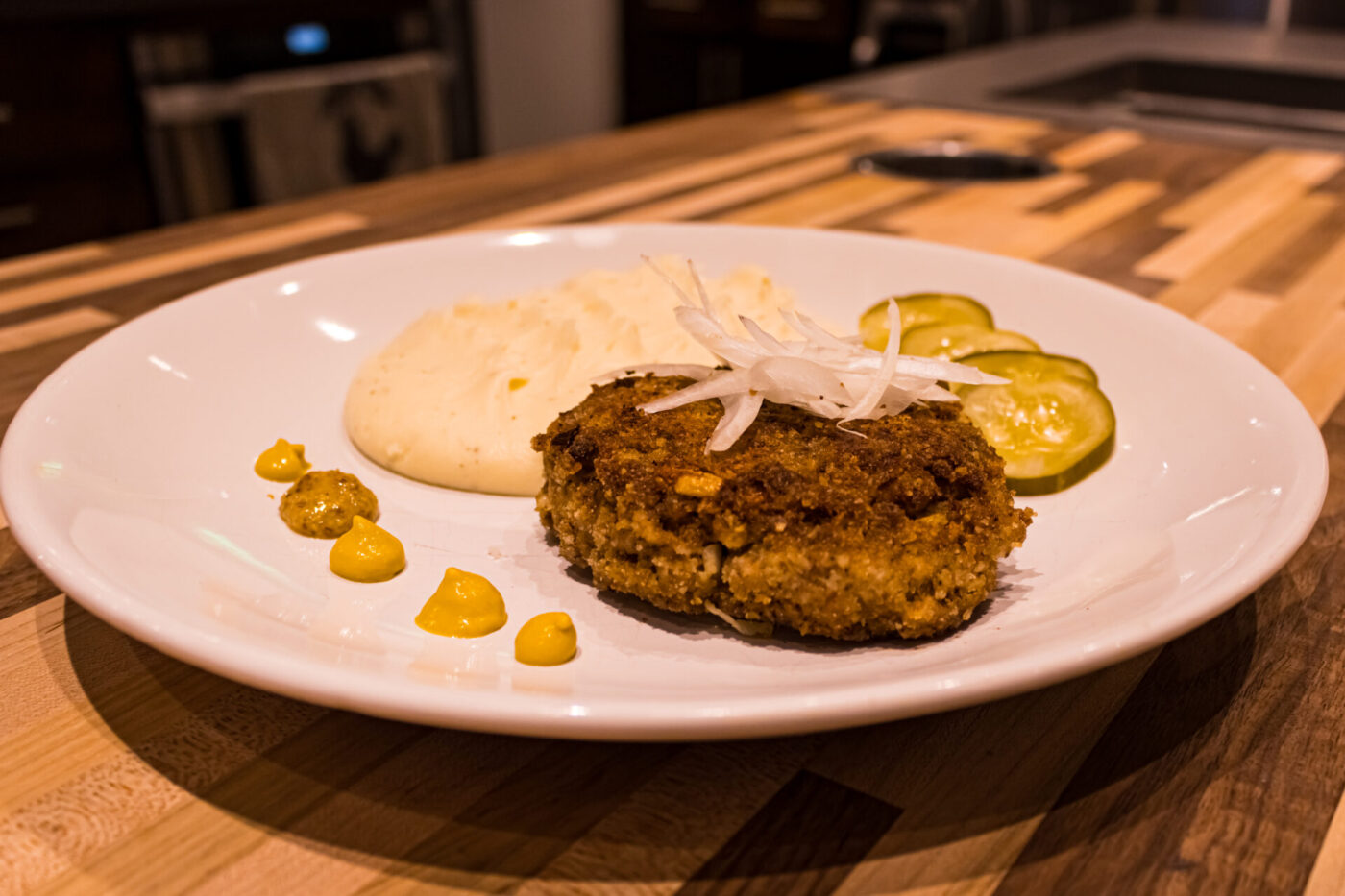
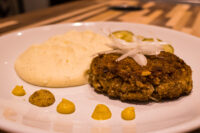
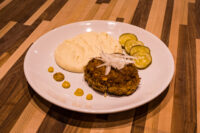
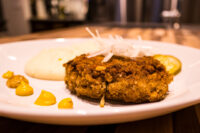
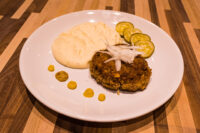
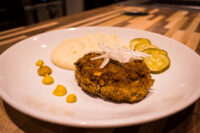
Once my Karbenátky (Czech Burger) are cooked to a nice golden color, I let them rest on a cooling rack or paper towel for about a minute to let any excessive oil drip off. This is an important step in my Czech recipe to keep the crust crispy. To serve, I lightly salt them with freshly ground salt. I love to plate my Karbenátky (Czech Burger) with sliced onion, pickles, and a side of mashed potatoes. As for sauces, I recommend mustard of your choice, tartar sauce, ketchup, or mayonnaise. Traditional Czech food is often served simply to let the flavors of the ground beef and pork sausage shine. These savory patties are best enjoyed warm, and the addition of a Czech Cucumber Salad or Czech Tartar Sauce really completes the meal. This is how I bring the taste of my home to your table with Karbenátky (Czech Burger).
Karbenátky (Czech Burger)
Ingredients:
Click any ingredient to learn moreKarbenatky:
1 LB of 85/15 ground beef meat (or other kind of ground beef)
1 LB of plain pork sausage (or Italian)
2 eggs
¼ cup of ketchup
¼ cup of Dijon mustard
1 onion - peeled and finely chopped (any kind)
5 cloves of garlic - peeled and grated (or pressed)
2 TBSP of dried marjoram (or 3 TBSP of fresh, chopped))
1 TSP of fancy paprika (ground)
1 TSP of ground cumin
½ TSP of ground allspice
½ TSP of salt
½ TSP of ground pepper
1 cup of breadcrumbs (regular)
Breading Station:
1½ cups of breadcrumbs (regular) (adjust if needed)
Final Touch:
salt - ideally freshly ground
ground pepper - ideally freshly ground
onion - sliced
Recommended Sauces:
Tools:
Click any tool to learn more1x Chef’s knife
1x Plate
1x Turner
1x Paper Towel (or cooling rack)
1x
Nutrition per 1 Serving:(recipe split into 4 servings)
EstimatedCalories 879
Protein 49.2 g
Fat 50.8 g
Saturated fat 17.7 g
Carbohydrate 55.6 g
Sugars 10.2 g
Fiber 6.4 g
Sodium 1591 mg
Cholesterol 248 mg
Dairy-free
Estimated. Worked out from the ingredients above using the United States Department of Agriculture’s FoodData Central reference data. An estimate, not a measurement — brands, sizes and how much of a marinade actually ends up on the plate all move it.
Directions:
1.Karbenátky “Dough”:
1.1.
Place into a large mixing bowl:
1 LB of ground beef
1 LB of pork sausage
2 large eggs
¼ cup of ketchup
¼ cup of Dijon mustard
1 onion – finely chopped
5 cloves of garlic –graded
2 TBSP of dried marjoram
2 TSP of paprika
1 TSP of ground cumin
½ TSP of ground Allspice
½ TSP of salt
½ TSP of ground pepper
1 cup of breadcrumbs
And thoroughly stir until fully combined.
2.Prepare Breading Station:
2.1.
Place the remaining 1½ cups of breadcrumbs on the plate for the following breading steps.
3.Form Karbenátky Patties:
Important:
- Form one by one (always complete one before you start forming the other one).
- Try to create even portions for even cooking time during the following steps.
- For perfect uniformity and good workflow, it is best to scoop the Dutch Schnitzel “dough” with a disher. The best disher sizes would be 5.33 FL OZ (about 8 portions, 7 OZ each), but feel free to use other all other sizes of dishes as you wish.
3.1.
Scoop the dough and place into the breadcrumbs (if you are using a scale, roll it into a ball with your hands before placing it in the breadcrumbs).
3.2.
When in the breadcrumbs, lightly press with your hands (the patty will get partially formed).
3.3.
Then turn and press again. The final thickness should be anywhere between ½” to ¾” based on your preference.
Notes:
After completing this step, karbenátek should be fully coated with breadcrumbs.
3.4.
Place on a plate for the following cooking steps.
4.Shallow, Deep Fry or Prepare in the Air Fryer:
4.1.
Shallow Fry:
4.1.1.
Preheat a fry pan on medium heat with a layer of frying oil (between ¼ to ½”).
4.1.2.
Shallow fry until a nice golden color is reached and the karbenátky are fully cooked (usually about 6 – 9 minutes from each side based on the thickness you have selected). *
4.1.3.
When done, remove to a cooling rack and let the excessive oil drip off (about one minute).
4.2.
Deep Fry:
Important:
Work in two or more batches (based on the size of your deep fryer or your pot for frying).
4.2.1.
Set oil preheat to 350°F.
4.2.2.
Carefully place the karbenátky into the fryer one by one.
4.2.3.
Fry immersed in oil until a nice golden color is reached and the karbenátky are fully cooked (about 3 – 6 minutes from each side based on the thickness you have selected). *
4.2.4.
When done, remove to a cooling rack and let the excessive oil drip off (about one minute).
4.3.
Air Fryer:
4.3.1.
Preheat your air fryer to 370°F.
4.3.2.
Place Karbenátky in.
4.3.3.
Drizzle the top of them with oil.
4.3.4.
Air fry until a nice golden color is reached (usually about 7 – 8 minutes from each side, based on the thickness you selected). *
4.3.5.
Optionally, drizzle with more oil during air frying if needed.
5.Plate & Serve:
5.1.
Lightly salt
5.2.
Serve with sliced onion, pickles, mashed potatoes, and the sauce of your choice.
Kitchen Guide
Ground Meat With the Exception of Poultry
The USDA minimum safe internal temperature is 160°F.
Read More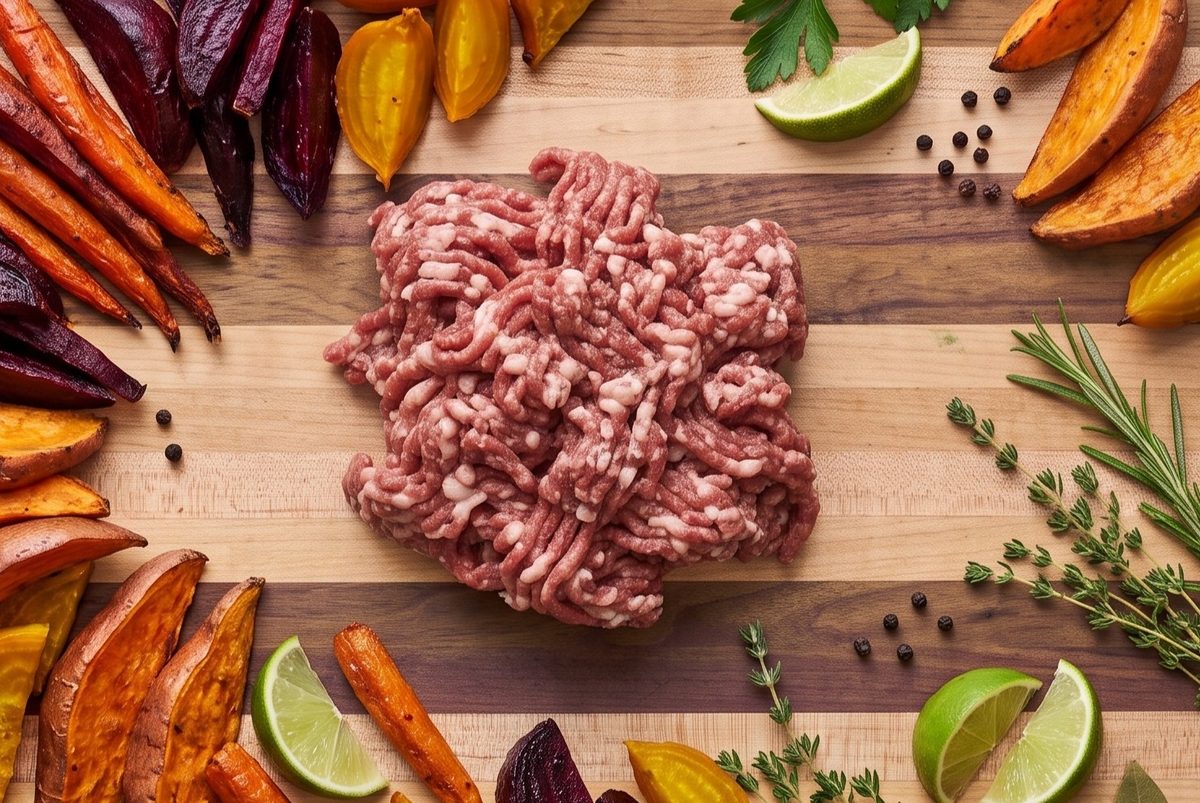
Kitchen Guide
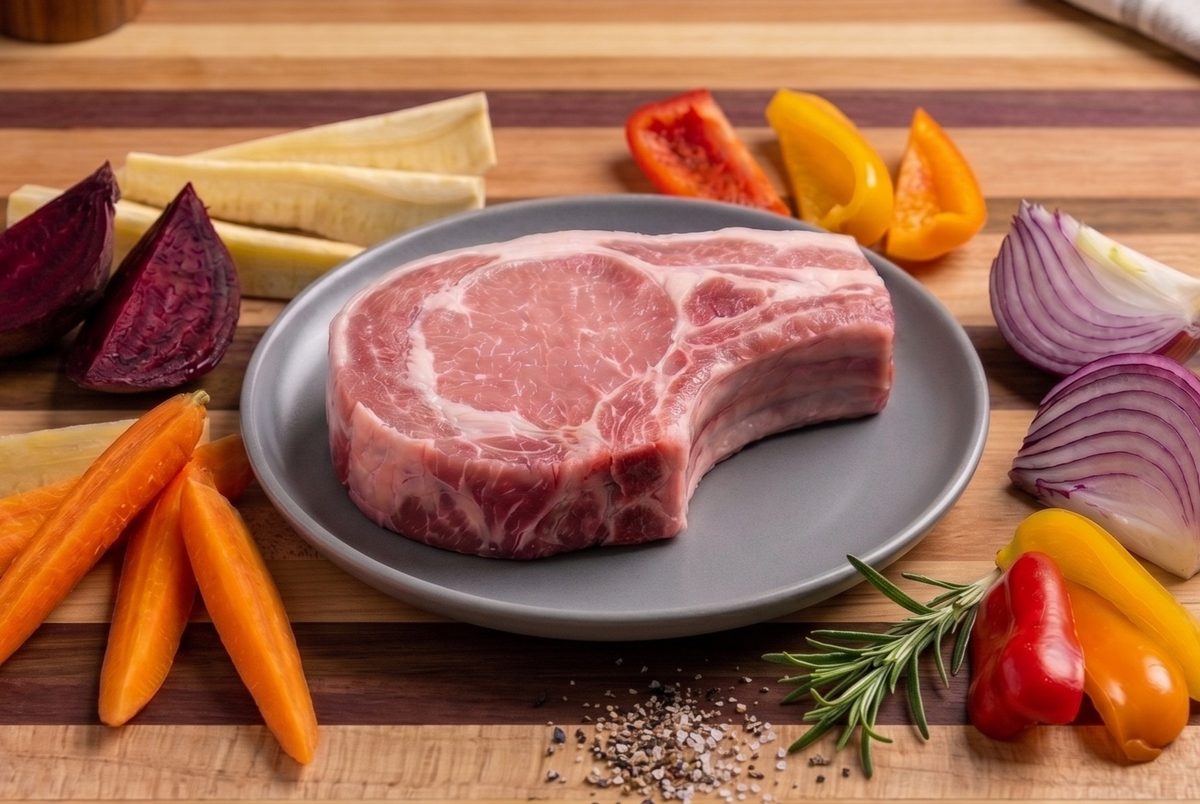
Pork and Veal (steaks, chops, roast)
The USDA minimum safe internal temperature is 145°F.
Popular serving temperatures:
- 120 – 130°F – Rare
- 130 – 135°F – Medium Rare
- 135 – 145°F – Medium (most popular, especially by chefs)
- 145 – 155°F – Medium Well
- 155°F and more – Well Done
Popular questions
What makes the Karbenátky (Czech Burger) different from a standard hamburger?
Unlike a standard hamburger, the Karbenátky (Czech Burger) is a savory mix of ground beef and pork sausage combined with traditional spices like marjoram, allspice, and cumin. It is also bound with eggs and breadcrumbs and then fully coated in more breadcrumbs before cooking. This gives the Karbenátky (Czech Burger) a unique texture and flavor profile that is a hallmark of this traditional Czech food, rather than just being a plain grilled meat patty.
Share
Click on the icons below to share "Title of the item to share"