
Side Recipes
Greek Salad
4 servings
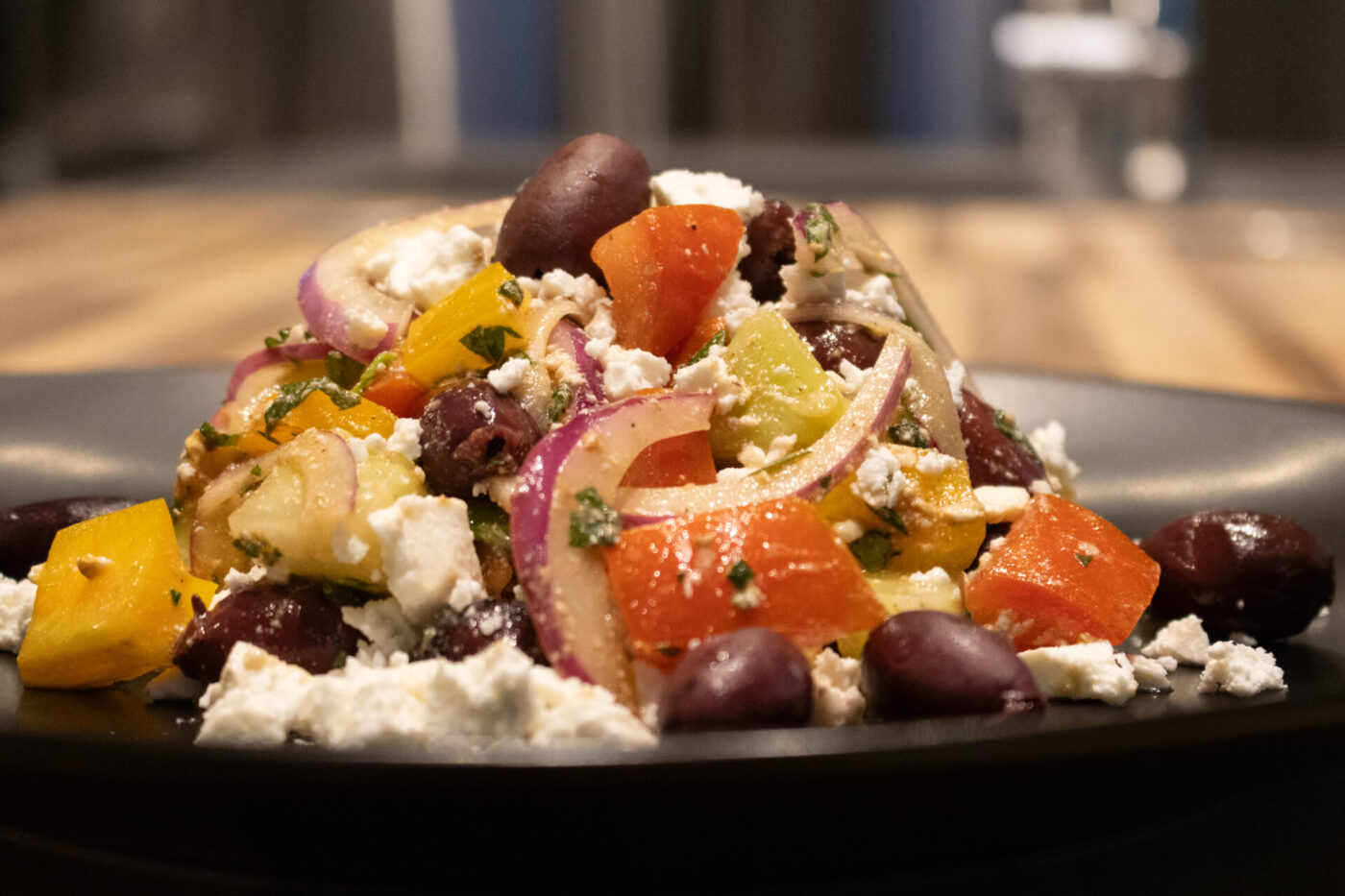
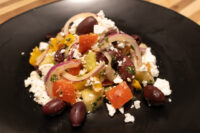
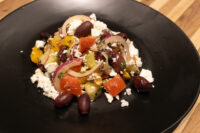
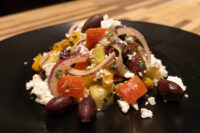
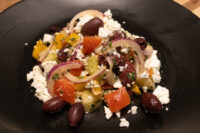
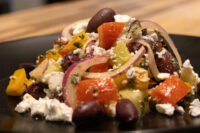
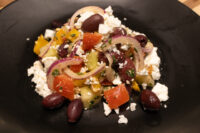
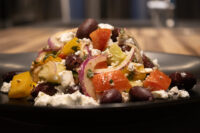
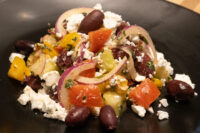
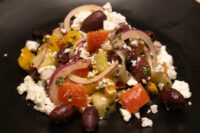
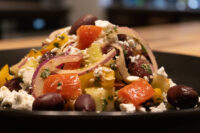
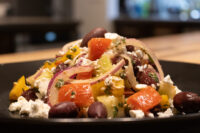
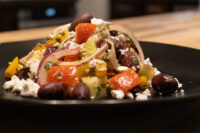
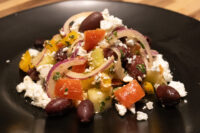
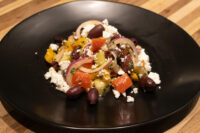
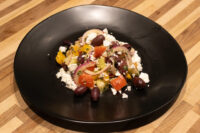
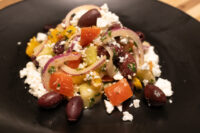
I can hardly wait for summer when my garden is full of fresh sweet tomatoes and juicy cucumbers, but I have found that Greek Salad is just as essential during the winter months. Even when vegetables may not be in their absolute prime, it is vital to keep eating fresh salads to enjoy those vibrant flavors and necessary vitamins throughout the colder season. This refreshing dish combines diced tomatoes, cucumber, yellow bell pepper, red onion, and kalamata olives, all tossed in a light dressing of extra virgin olive oil, lemon, and balsamic vinegar, then topped with crumbled feta cheese and fresh herbs. Read More
Side Recipes
VegetarianGluten-freeLow-carb
Before You Start
Let’s talk about important parts of the recipe before you start…
My Year-Round Refreshment
As the founder of CookingHub, I believe that a great Greek Salad should not be reserved only for the warmest days. While the peak of summer brings the most juice, I find that preparing this Greek Salad in the winter is a wonderful way to maintain a healthy recipe routine. It is important to still eat salads for fresh flavor and vitamins during the winter, even if the produce isn’t at its seasonal peak. This Cold Cuisine staple acts as a vibrant Main Course Salad Recipes option that brings a bit of sunshine to a gray day. Using extra virgin olive oil, feta cheese, and kalamata olives, we can create a Mediterranean diet masterpiece any time of year. This vegetarian salad remains an easy meal prep choice that delivers essential nutrients when you need them most.
Selecting and Dicing the Base Vegetables
The foundation of my Greek Salad relies heavily on the quality and preparation of the produce, which is especially important during the winter. For the 1 LB of tomatoes, I prefer dicing them to a uniform size. If standard tomatoes are less flavorful in the winter, using baby tomatoes cut in half is a great way to ensure sweetness in this healthy recipe. The cucumber provides the essential crunch; I recommend dicing it, and while you can optionally peel it, leaving some skin on adds a lovely color. My Greek Salad also features a yellow bell pepper for sweetness and a half of a red onion, peeled and finely sliced. Precision in dicing ensures that every forkful of this Cold Cuisine contains a bit of every flavor, helping you get those fresh vitamins even when it’s cold outside.
Incorporating Kalamata Olives and Feta Cheese
To achieve that iconic salty and tangy profile in my Greek Salad, I use one cup of kalamata olives and one brick of feta cheese. It is important to dispose of the liquid from the feta brick before crumbling it—this ensures the salad doesn’t become soggy. If you prefer, you can use a pre-crumbled cup of feta. These two ingredients are the heart of the Mediterranean diet and provide the savory depth and healthy fats required for Main Course Salad Recipes. I always save a little extra of both to sprinkle on top as a final touch to enhance the presentation of the vegetarian salad, making it a visual treat during the winter months.
Mastering the Herb and Garlic Infusion
A great Greek Salad is nothing without its aromatics, which provide a burst of fresh flavor when seasonal produce is quiet. I use a quarter cup of finely chopped fresh herbs. My personal favorites are an equal combination of basil, oregano, mint, and thyme. If you don’t have fresh available, 1 TBSP of dried herbs works as well. For an optional but highly recommended kick, I add one clove of peeled and grated garlic. This small addition, combined with the herbs, elevates the summer flavors even in the dead of winter and makes the easy meal prep feel like a gourmet experience. This infusion is what separates a basic salad from a professional Greek Salad.
Emulsifying the Dressing with Extra Virgin Olive Oil
The dressing for my Greek Salad is simple yet sophisticated, designed to bring out the best in the vegetables. I use 4 TBSP of extra virgin olive oil as the primary fat, which carries the flavors of the other ingredients. To this, I add the juice from half a lemon and 1 TBSP of balsamic vinegar. A pinch of salt and half a teaspoon of freshly ground pepper provide the necessary seasoning. When you stir these into the large mixing bowl with a spatula, do so thoroughly but gently to avoid bruising the delicate tomatoes. This balance of acidity and oil is crucial for Cold Cuisine and ensures the Greek Salad is delicious year-round.
Finishing with Balsamic Glaze and Seasoning
The final steps of my Greek Salad preparation are what make it truly stand out. After placing the mixture into a salad bowl or onto individual plates, I drizzle it with a thick balsamic glaze vinegar. This is a specific Greek Salad finishing technique that adds a hint of sweetness and visual appeal. I also suggest a final sprinkle of extra feta crumbles and kalamata olives. As a modification not found in the original recipe instructions but common in kitchens, some might add toasted nuts for extra winter crunch, but I stick to the fresh vegetables for the purest flavors. This finishing touch ensures your healthy recipe is always satisfying.
Proper Tool Usage for Best Results
To make my Greek Salad, having the right tools is essential for efficient easy meal prep. I utilize a Chef’s knife and a sturdy cutting board for all the dicing. A large mixing bowl (8 QT or larger) is necessary to ensure you have enough room to toss the ingredients without them spilling over. I use a silicone spatula for stirring because it is gentle on the feta cheese and tomatoes. For the optional garlic, a small hand grater or garlic press ensures the garlic is fine enough to distribute evenly throughout the healthy recipe, ensuring every bite of the Greek Salad is perfect regardless of the season.
Greek Salad
Ingredients:
Click any ingredient to learn moreSalad ingredients:
1 LB of tomato - diced (adjust if needed, or baby tomatoes cut in half)
1 cucumber - diced (optionally peeled)
1 yellow bell pepper - diced (or other kinds of bell pepper)
½ red onion - peeled and finely sliced (adjust if needed, or other kinds of onion)
1 cup of kalamata olives (or other kind of olives)
¼ cup of fresh herbs of your choice - finely chopped (or 1 TBSP dried *)
1 brick of feta cheese - crumbled (about 7 – 8 OZ - dispose of liquid or 1 cup of crumbled feta)
4 TBSP of Extra Virgin Olive Oil (adjust if needed)
Optionally: 1 clove of garlic - peeled and grated (or pressed)
1 TBSP of balsamic vinegar (adjust if needed)
Pinch of salt
½ TSP of pepper - ideally freshly ground
Optional final touch:
Drizzle of balsamic glaze vinegar
feta cheese - crumbled
Pinch of salt
Pinch of pepper
* Use the herbs you like or have available. I like to use an equal combination of basil, oregano, mint, and thyme.
Nutrition per 1 Serving:(recipe split into 4 servings)
EstimatedCalories 493
Protein 20.9 g
Fat 38.9 g
Saturated fat 15.6 g
Carbohydrate 16.6 g
Sugars 5.2 g
Fiber 2.2 g
Sodium 808 mg
Cholesterol 72 mg
VegetarianGluten-freeLow-carb
Estimated. Worked out from the ingredients above using the United States Department of Agriculture’s FoodData Central reference data. An estimate, not a measurement — brands, sizes and how much of a marinade actually ends up on the plate all move it.
Directions:
1.Salad Preparation:
1.1.
Place all ingredients into a large mixing bowl:
1 LB of tomatoes – diced
1 cucumber – diced
1 yellow pepper – diced
½ red onion – peeled and finely sliced
1 cup of kalamata olives – pitted
¼ cup of fresh herbs of your choice – finely chopped
1 brick of feta cheese – crubled
4 TBSP of Extra Virgin Olive Oil
Optional: 1 clove of garlic – grated (or pressed)
Juice from half a lemon
1 TBSP of balsamic vinegar
Pinch of salt
½ TSP of ground pepper
Thoroughly but gently stir together with a spatula.
1.2.
Taste and add Extra Virgin Olive Oil, balsamic vinegar, salt and pepper if needed.
1.3.
Place in a salad bowl or individual plates and drizzle with thick balsamic vinegar.
1.4.
Sprinkle with extra feta crumbles, extra olives, and freshly ground salt and pepper.



Popular questions
Is it worth making a Greek Salad in the winter when tomatoes aren't as fresh?
Absolutely! While the vegetables might not be in their prime, it is still very good to eat salads for the fresh flavor and vitamins they provide during the winter. My Greek Salad uses kalamata olives, feta cheese, and a robust dressing of extra virgin olive oil and balsamic vinegar which provides plenty of flavor. It remains a top choice among Main Course Salad Recipes for staying healthy and energized during the colder months.
Share
Click on the icons below to share "Title of the item to share"