
Bread and Pastry Recipes
Czech Rye Bread
One large loaf
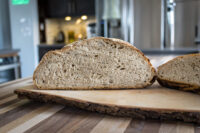
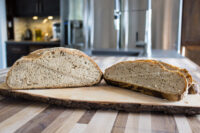
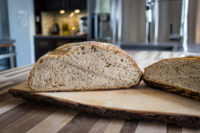
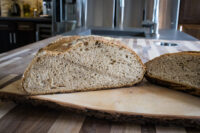
This is a delicious Czech version of popular Czech Rye Bread. It is full of flavor and is even more supported by whole caraway seeds. Yes, it takes some time since you need to raise the compact dough in a warm place and deflate it with a dough scraper, but if you actually count how much time you really spend mixing the bread flour, rye flour, and active dry yeasts, you will see how rewarding it is to turn it out from a proofing basket and bake it on a baking sheet or pizza stone. Read More
Bread and Pastry Recipes
VegetarianVeganDairy-free
Before You Start
Let’s talk about important parts of the recipe before you start…
Welcome to my favorite Czech Rye Bread journey
I am absolutely thrilled to share this amazing Czech Rye Bread with you! Whenever I want to bring a taste of home into my kitchen, I reach for my bread flour and rye flour to make this beautiful loaf. The magic of this Czech Rye Bread comes from the earthy aroma of caraway seeds blending with the active dry yeasts, filling the whole house with a bakery-worthy scent. I love taking my time with the dough scraper and my trusty proofing basket to ensure the texture is just right. Whether I bake it on a pizza stone or a simple baking sheet, the results are always incredible. Finding a nice warm place for the compact dough to rise makes all the difference, and tossing a few ice cubes into the oven gives it that perfect crust. I cannot wait for you to experience this process alongside me!
Choosing the Perfect Rye Flour for Your Czech Rye Bread
When I set out to make my signature Czech Rye Bread, selecting the right ingredients is the very first step. You can use any rye flour you have available, but the specific type you choose will dictate the final flavor profile of your loaf. For a more earthy flavor, dark rye flour will be a great choice. However, if you are looking for a little lighter flavor, classic medium organic rye flour would be great to use. In my experience, the medium rye is closest to the traditional Czech Rye Bread profile. Mixing this with high-quality bread flour ensures that the loaf gets the structure it needs from the gluten, while the rye flour provides that unmistakable, dense, and hearty crumb. Adding the whole caraway seeds and a touch of confectioners’ sugar directly into this flour mixture creates a balanced flavor base. Remember to keep extra flour handy for flouring your surface later on.
Mastering the Kneading Process for a Compact Dough
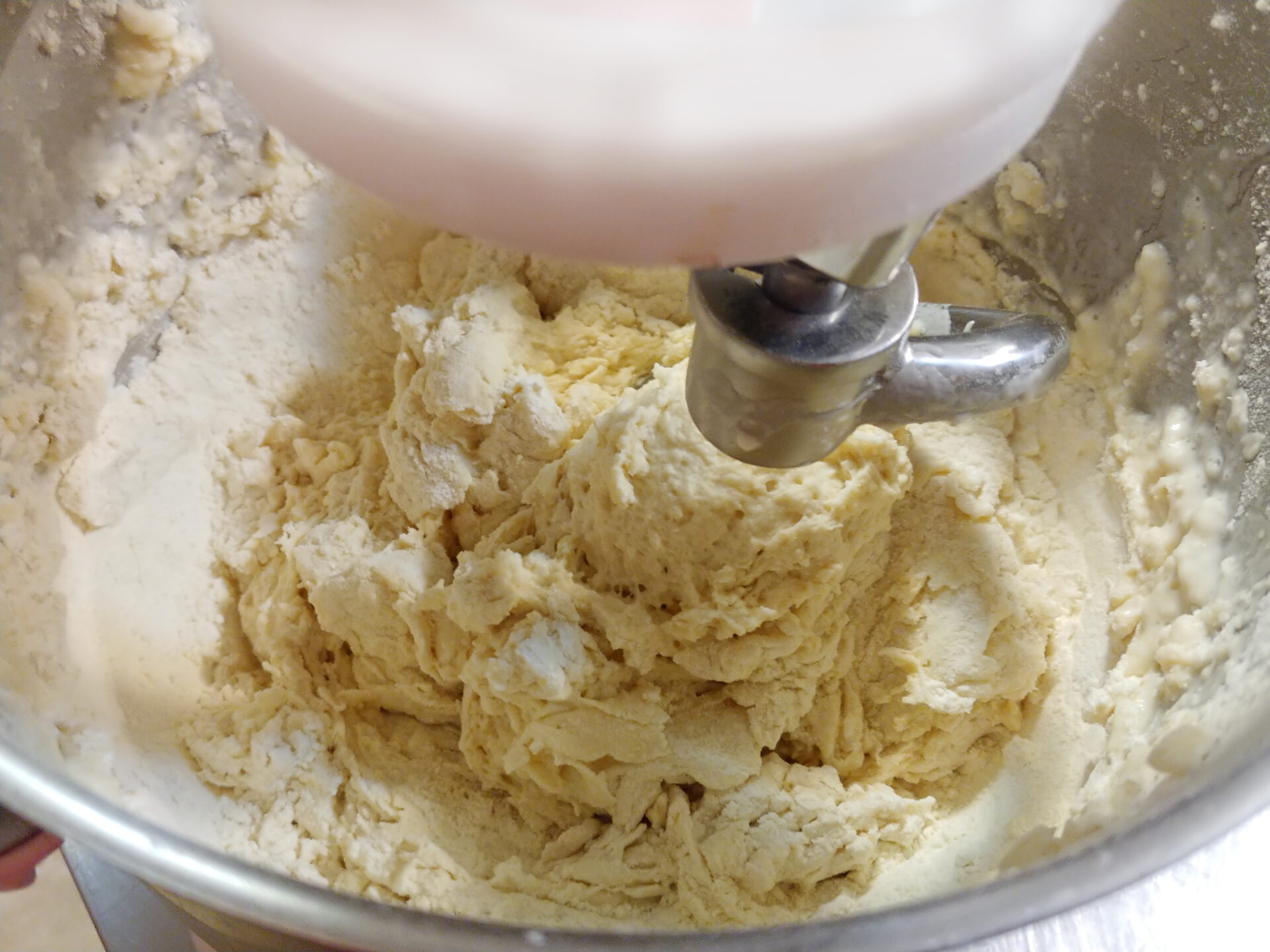
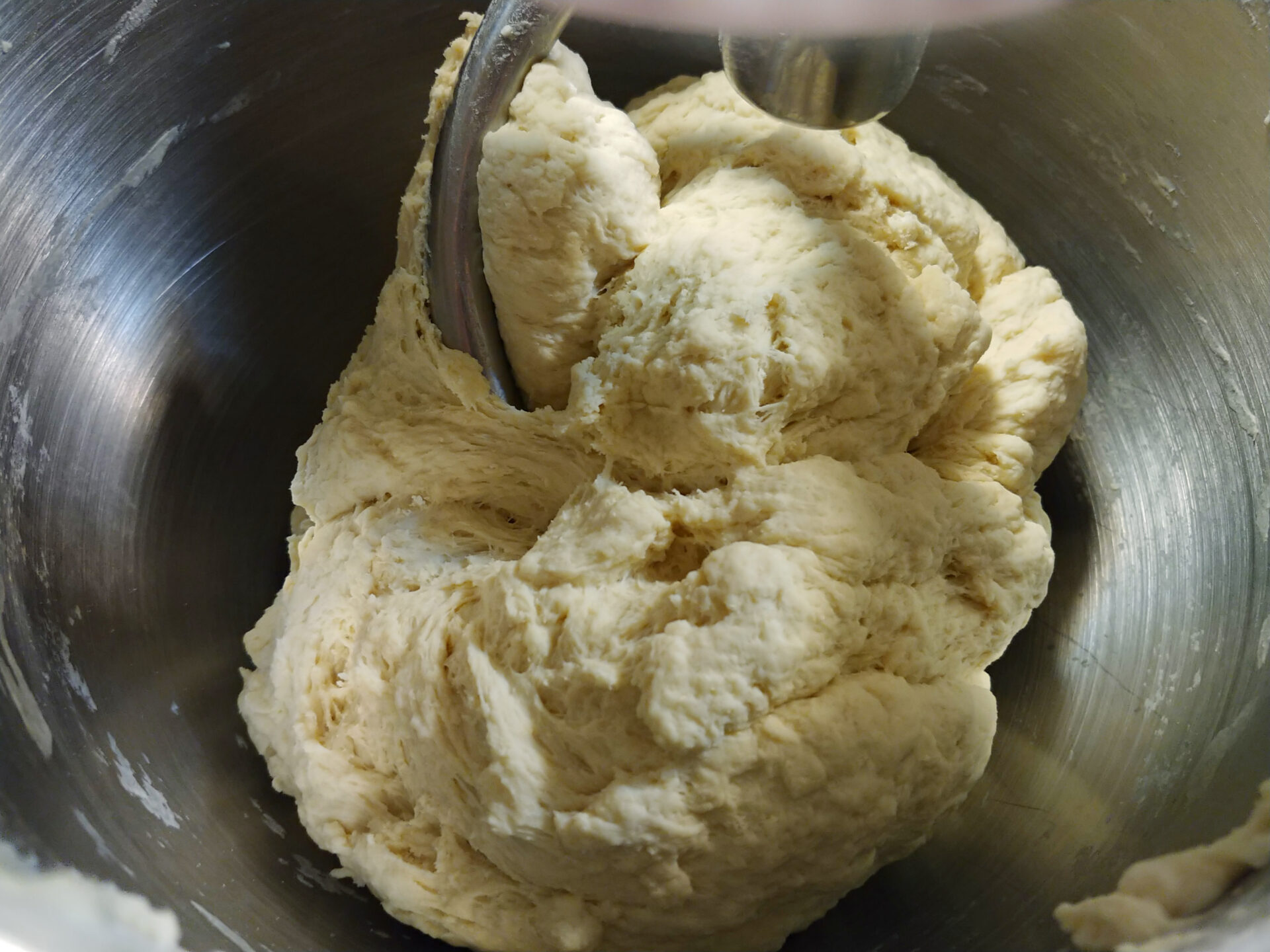
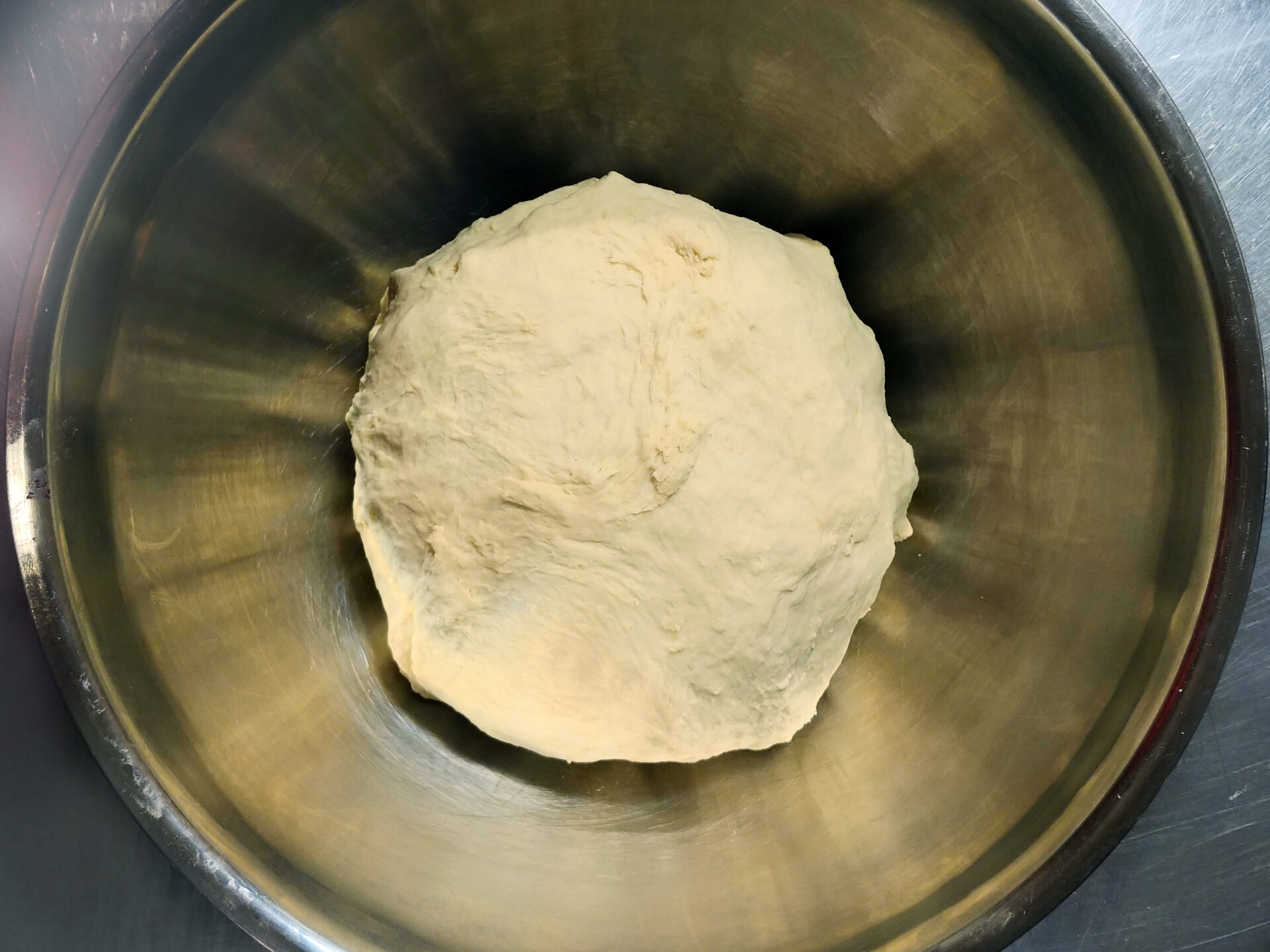
Creating the perfect texture for this Czech Rye Bread relies heavily on how I handle the kneading process. I always start by combining the bread flour, rye flour, active dry yeasts, caraway seeds, sugar, and salt in a kitchen mixer with a hook attachment. I briefly stir with a whisk just enough to combine all ingredients, which usually takes about one minute. Then, I add the water that I have preheated in the microwave to lukewarm, specifically between 90 to 100 degrees Fahrenheit. I knead on a low speed until all ingredients are partially incorporated for about one to two minutes. The crucial step is when I increase the speed to medium-high and knead until a compact dough is formed. The dough should not be too sticky. If I notice it sticks to the mixing bowl after about two to three minutes of processing, I simply add two tablespoons of flour and process for another one to two minutes. That usually solves the problem, but if not, I add a little more flour until the consistency is just right.
The Importance of Deflation and Rising in a Warm Place
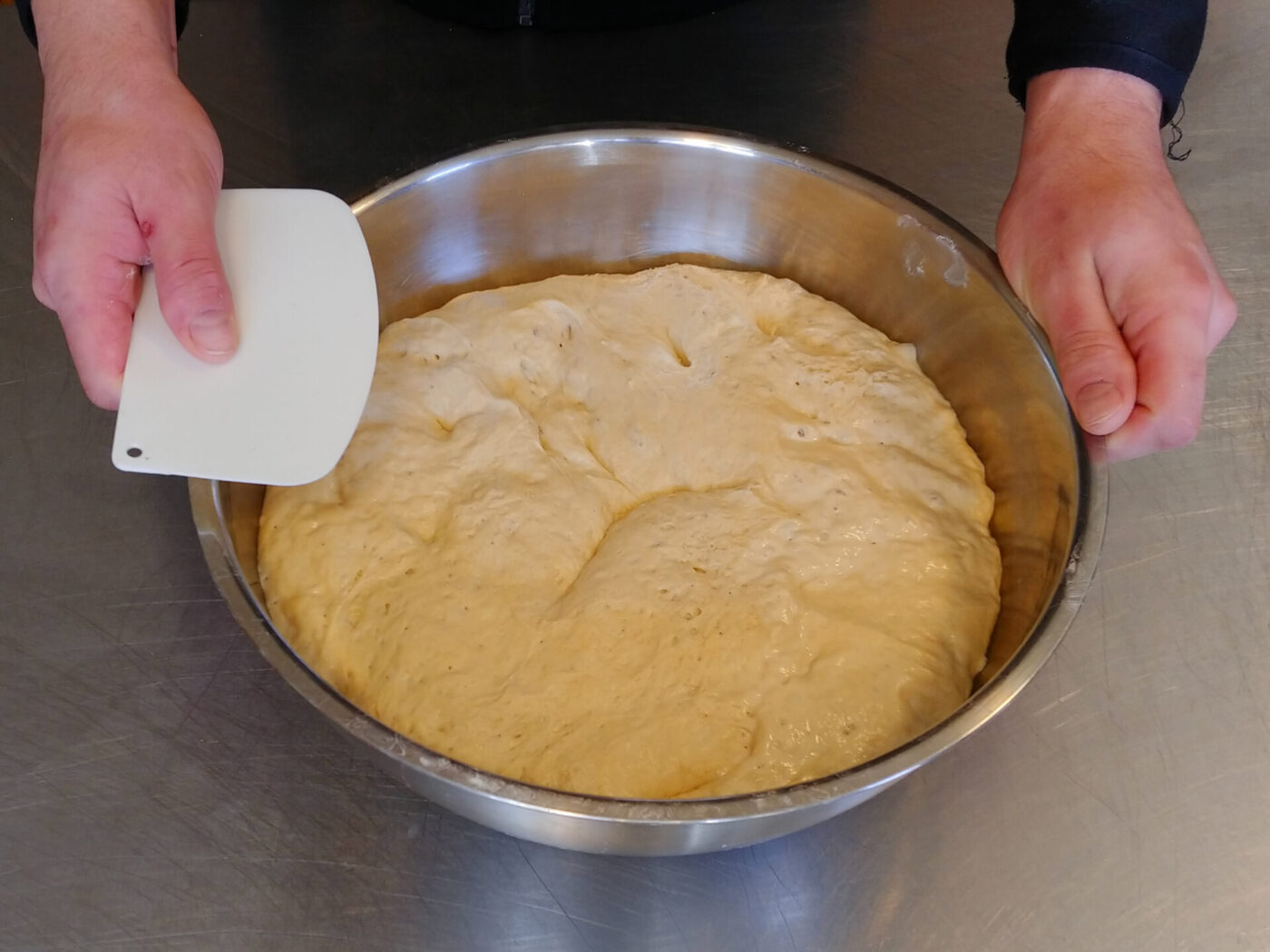
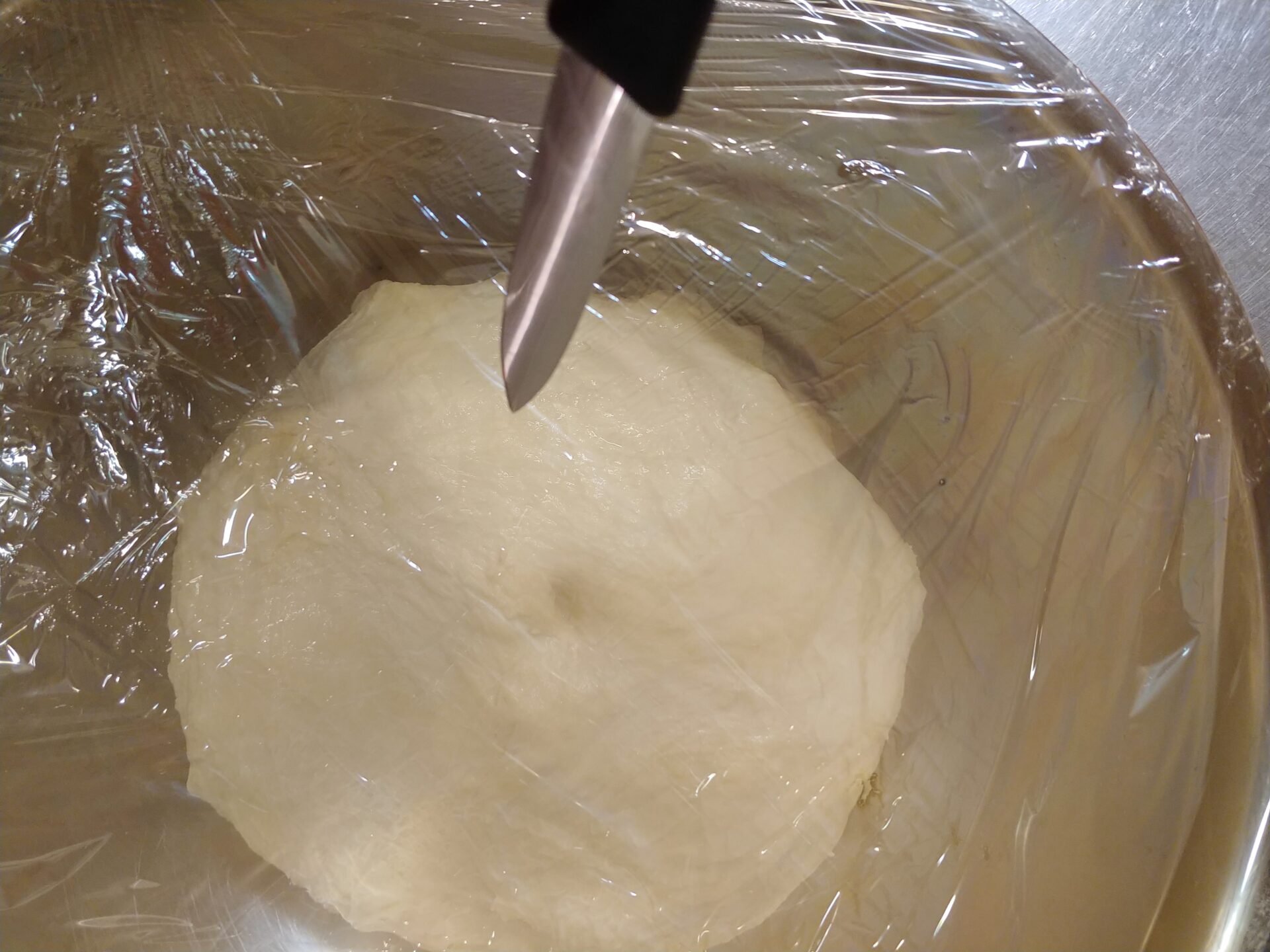
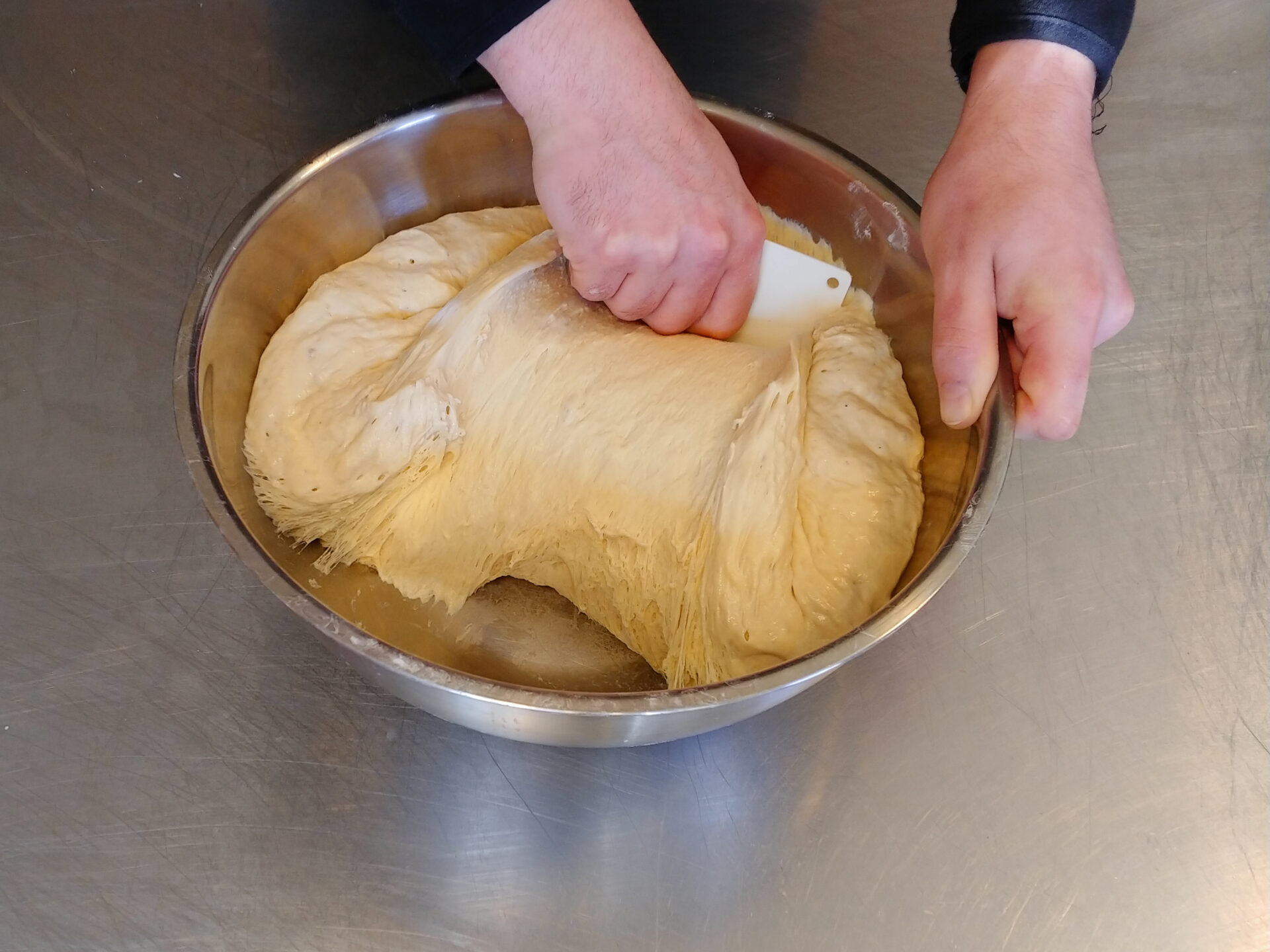
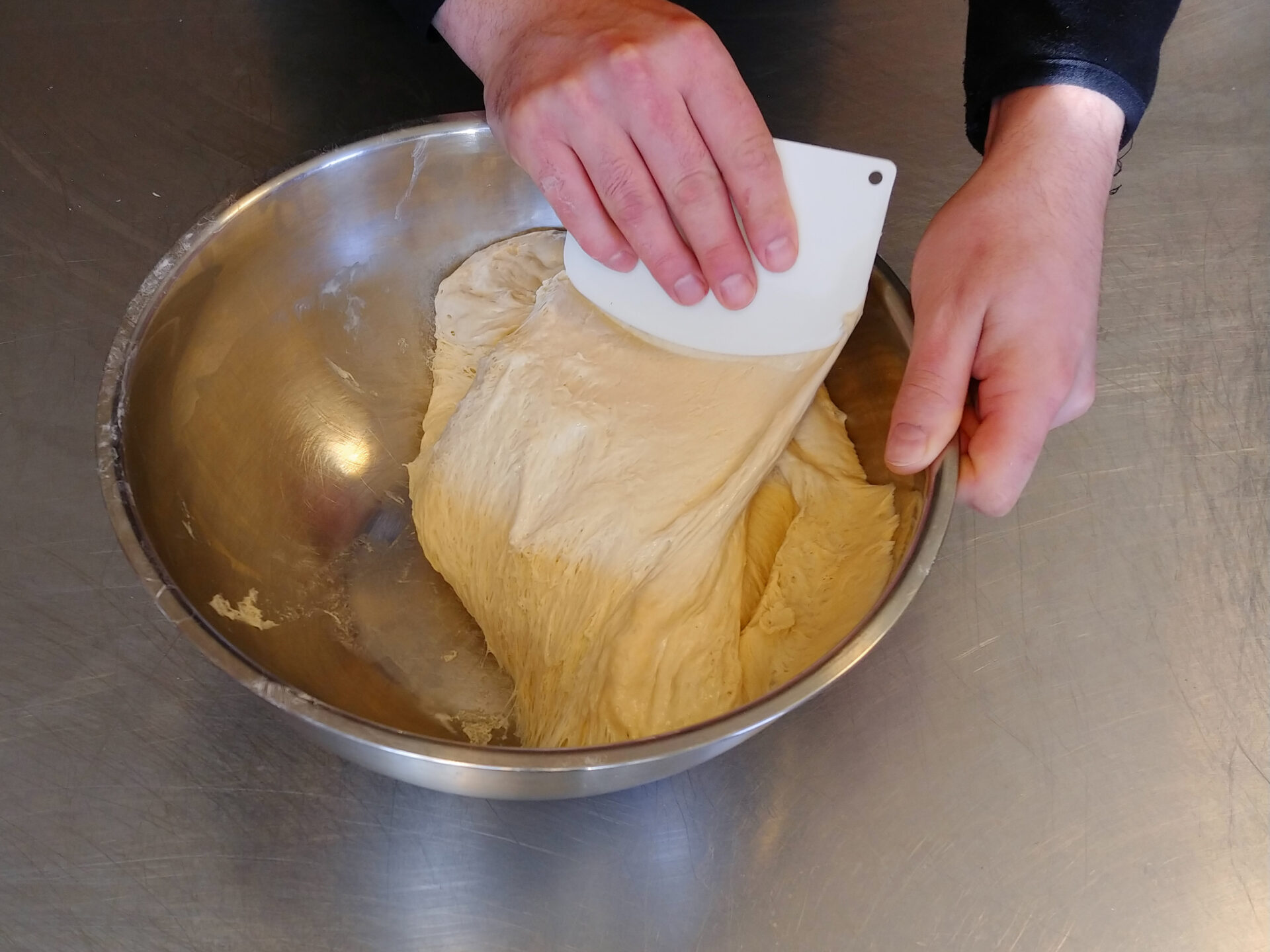
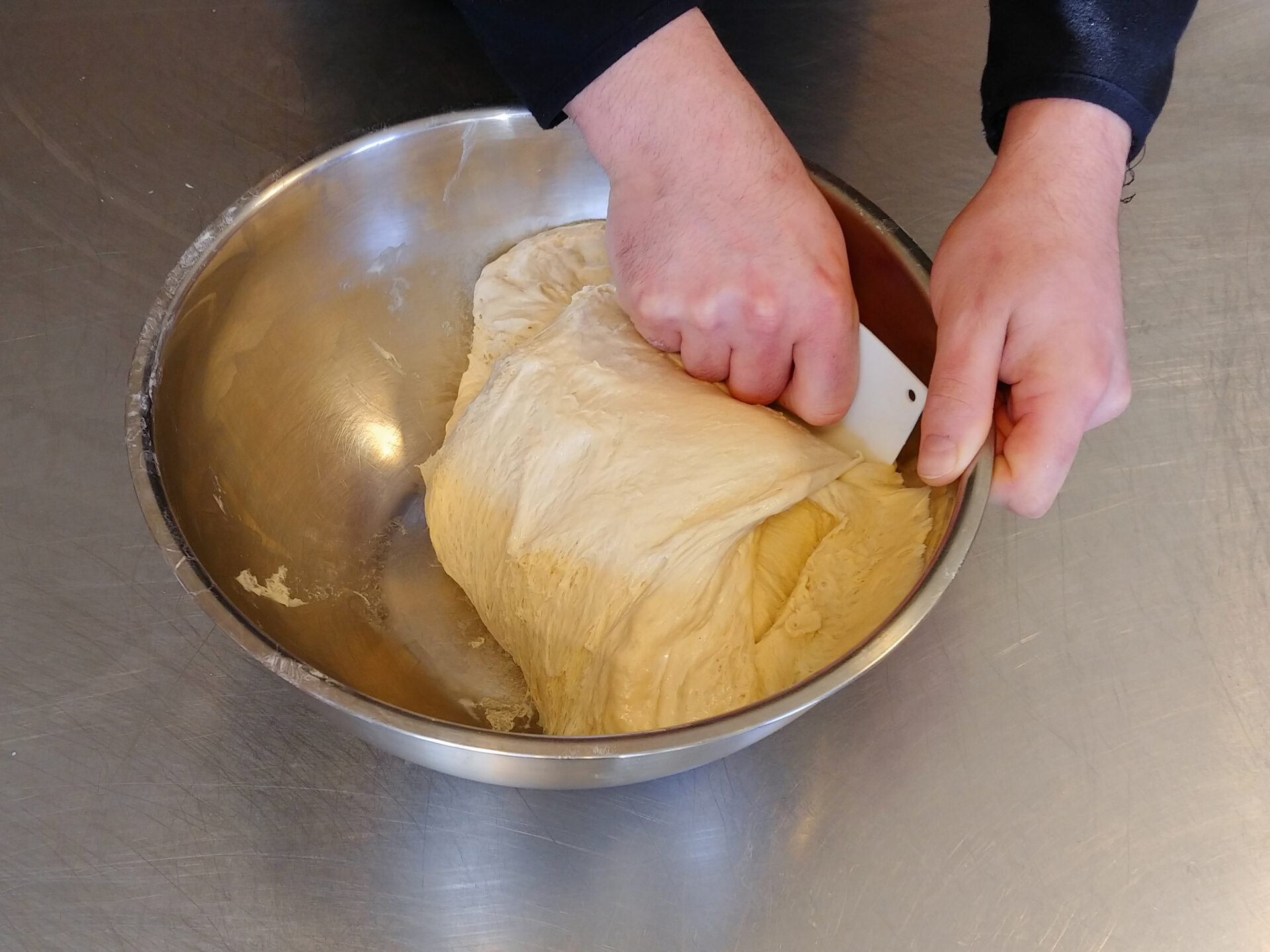
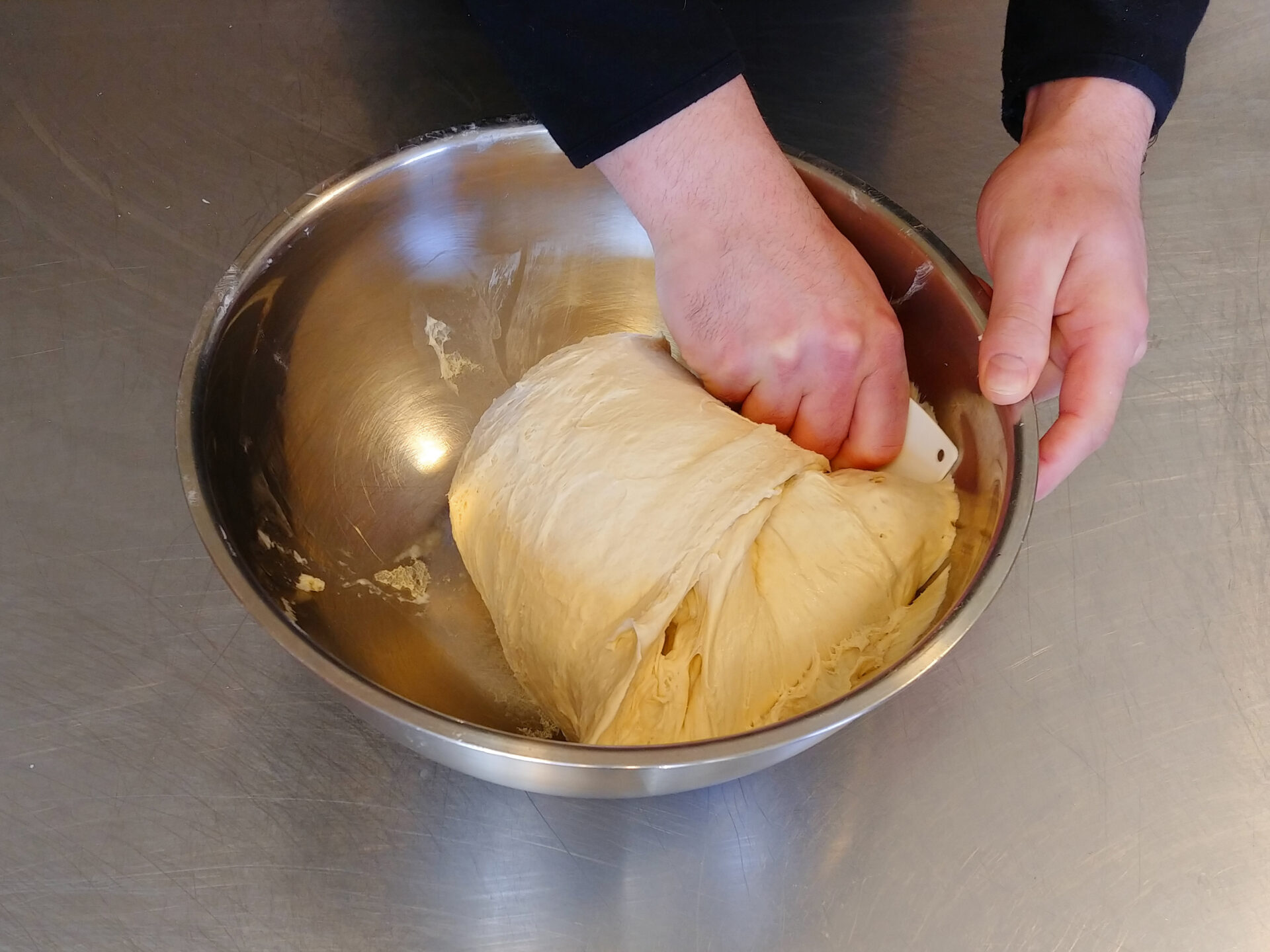
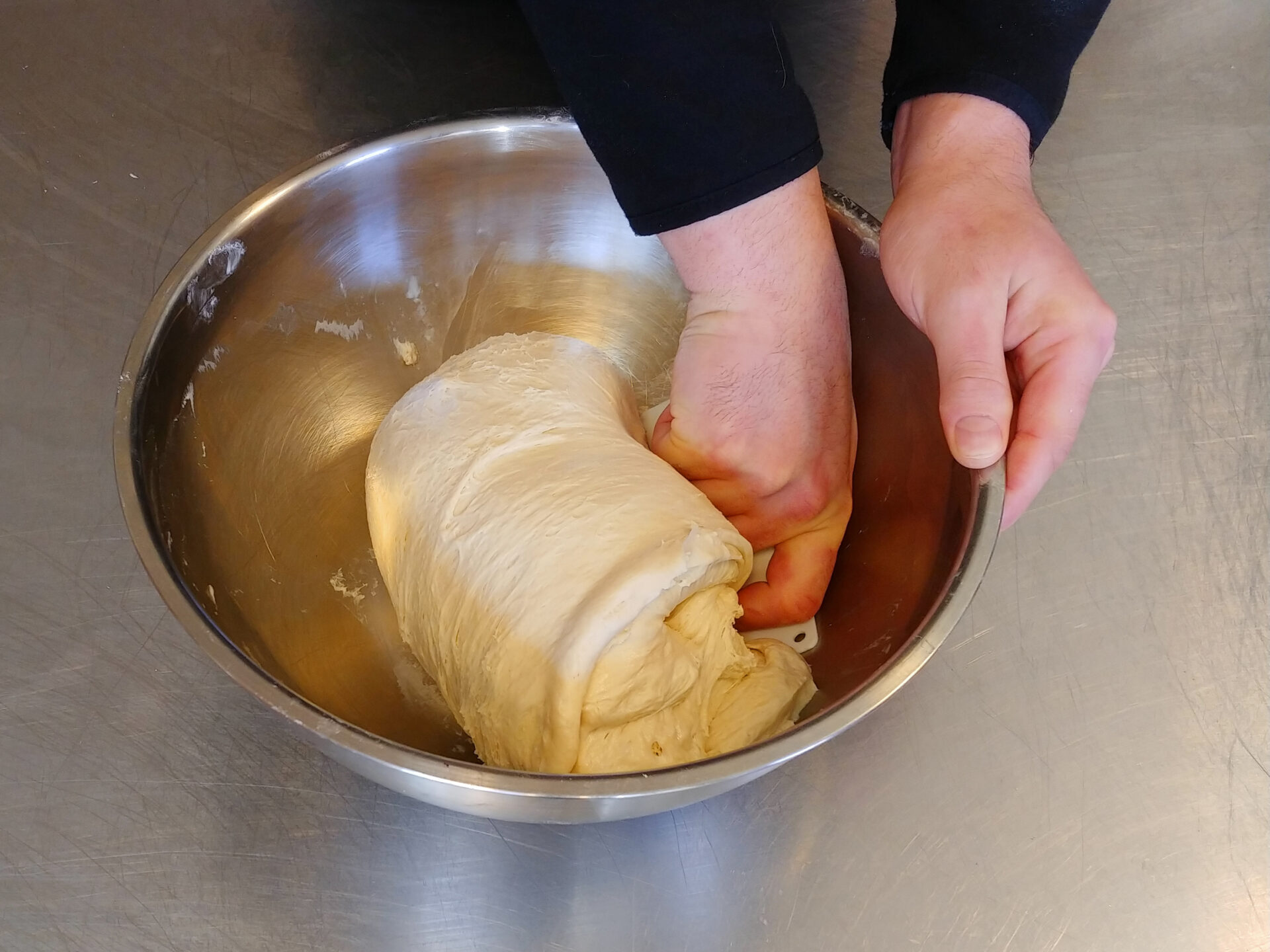
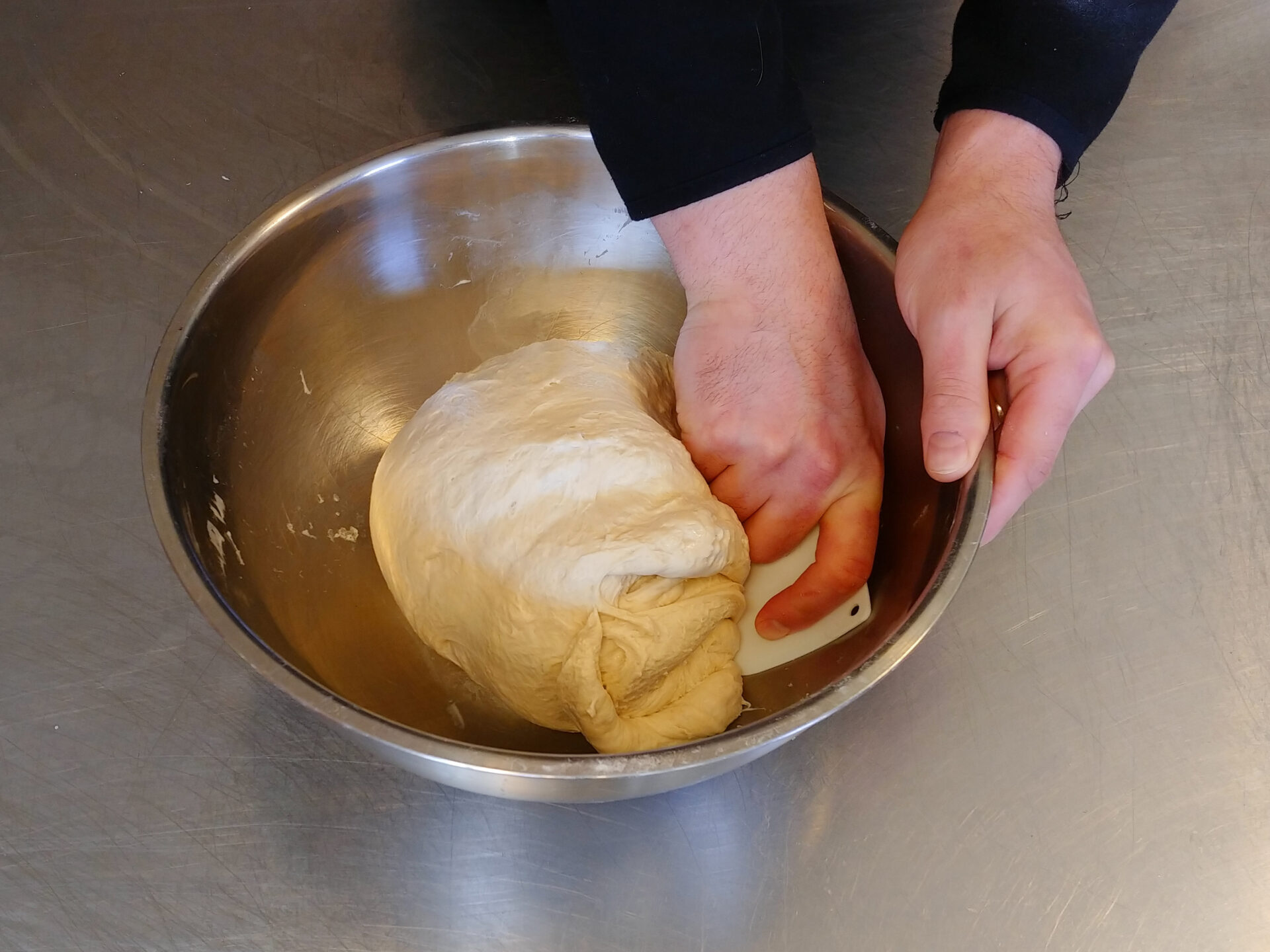
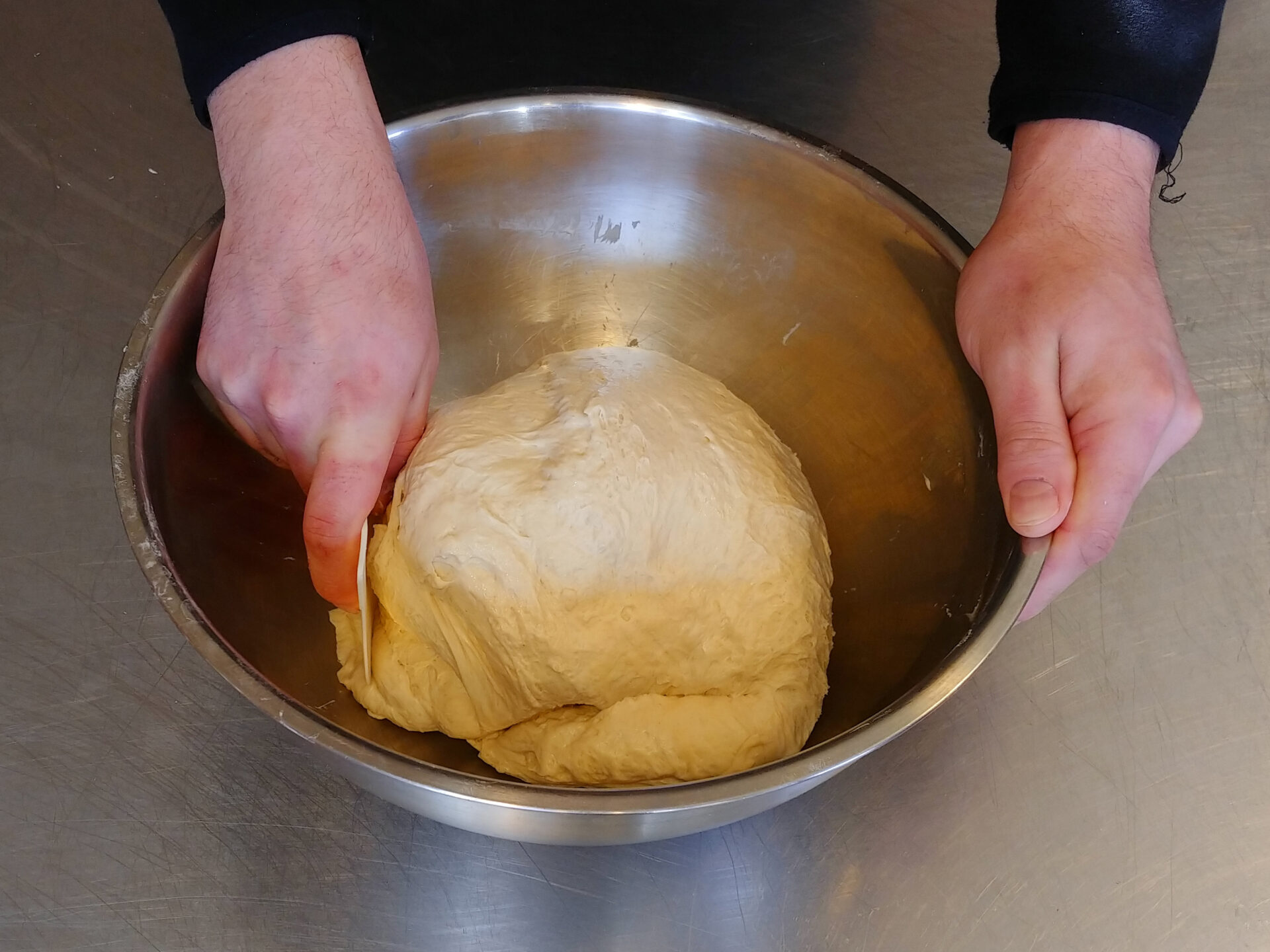
Patience is key when making Czech Rye Bread. Once my compact dough is mixed, I remove the bowl from the mixer, cover it with plastic wrap, and let it rise in a warm place until it doubles in size, which takes about two to three hours. But the secret to the best texture is the deflation process. I deflate the dough right in the bowl using a dough scraper, folding the dough from one side, then over the other side of the dough, and finally pressing it down. I repeat this process a few times from all sides of the dough. After deflating, I let the dough rise until it doubles in size before another deflation, taking another one to two hours. This deflation process is best to repeat at least three times, but more would be even better. If I need the schedule to be more flexible, the intervals between deflating can be longer, even overnight! If I want to rise my Czech Rye Bread longer, I keep it at room temperature rather than a warm place and use a significantly larger bowl. I just make sure the total rising time does not exceed 24 hours.
Shaping the Dough Using a Dough Scraper and Proofing Basket
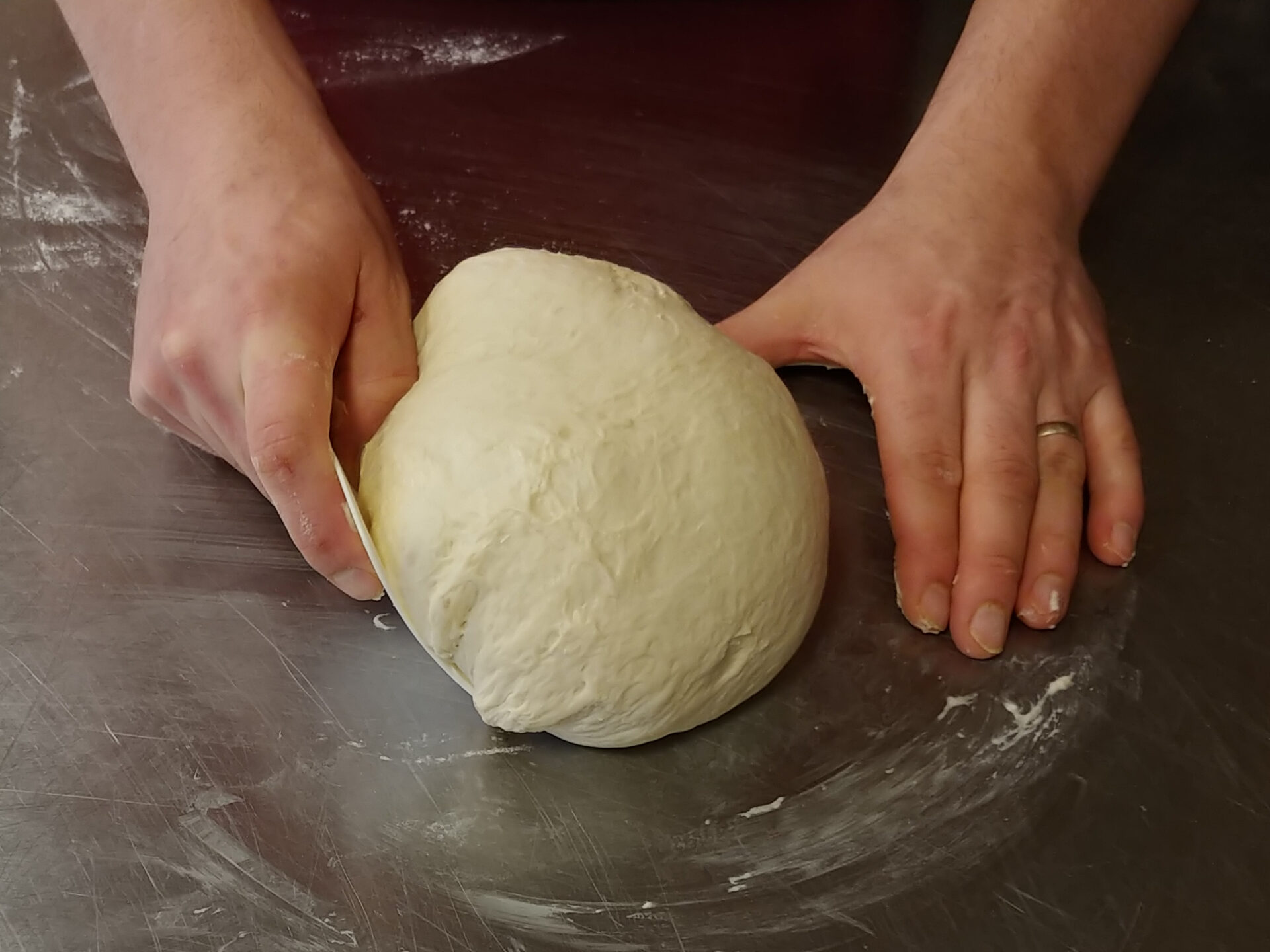
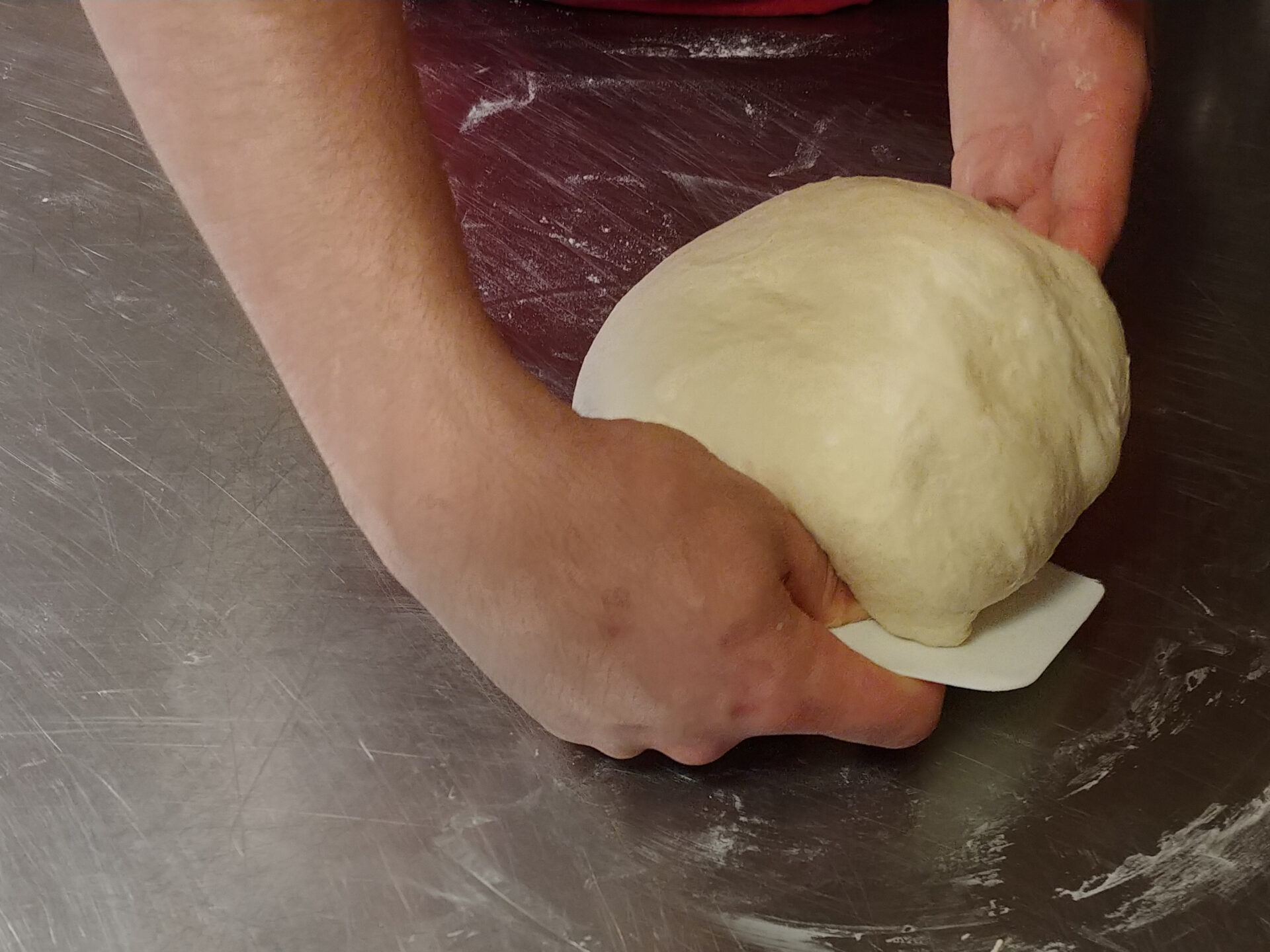
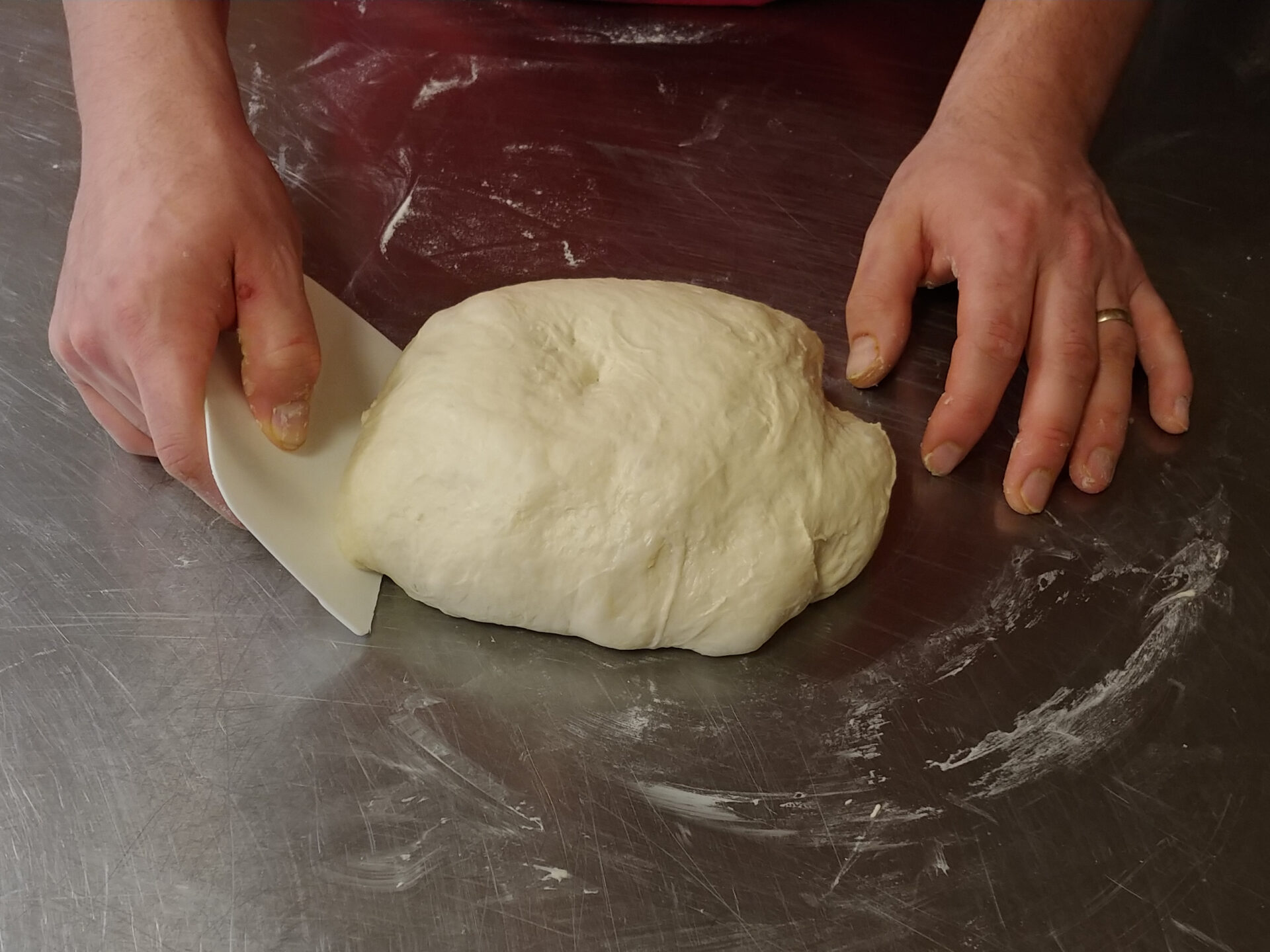
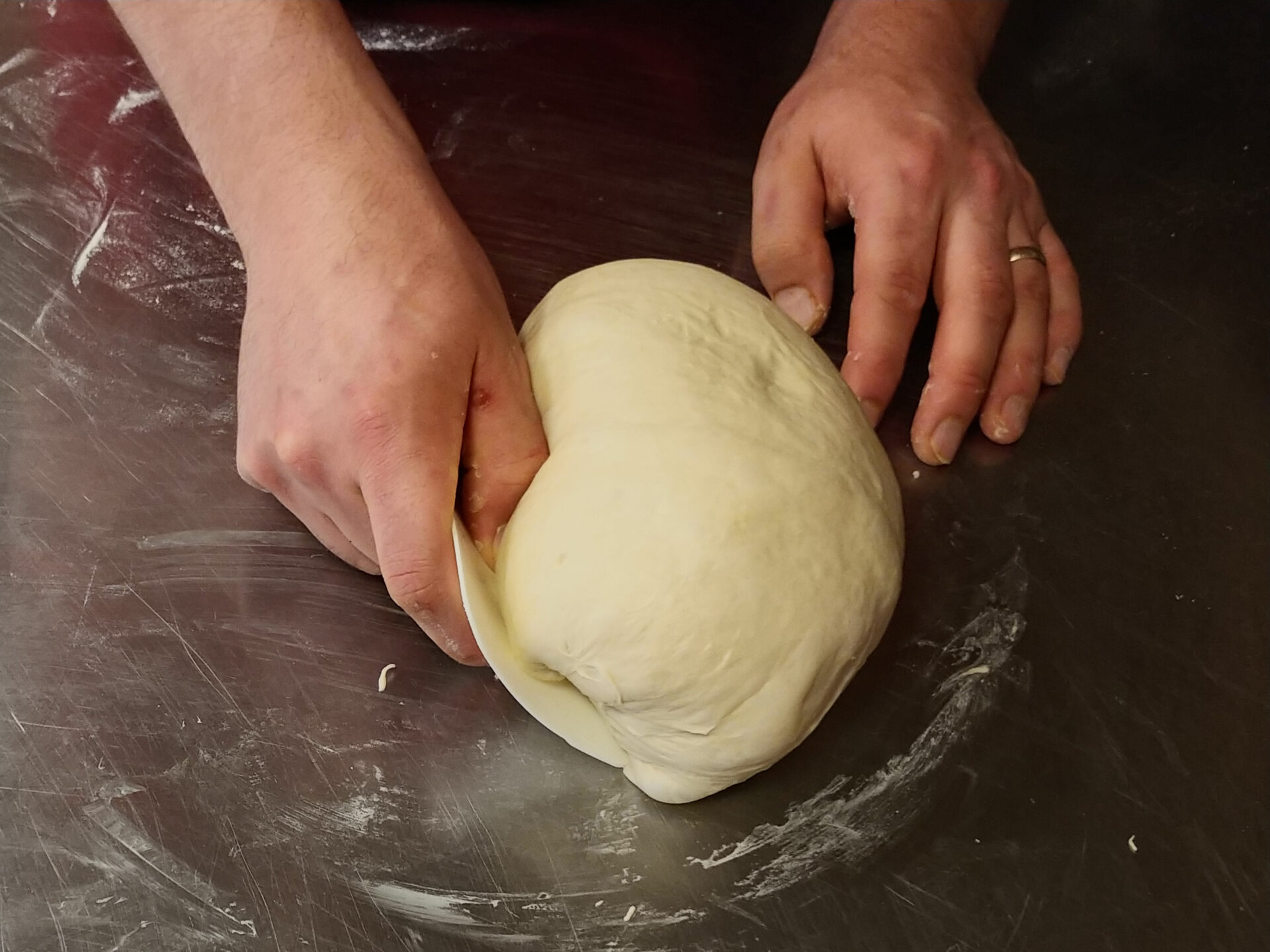
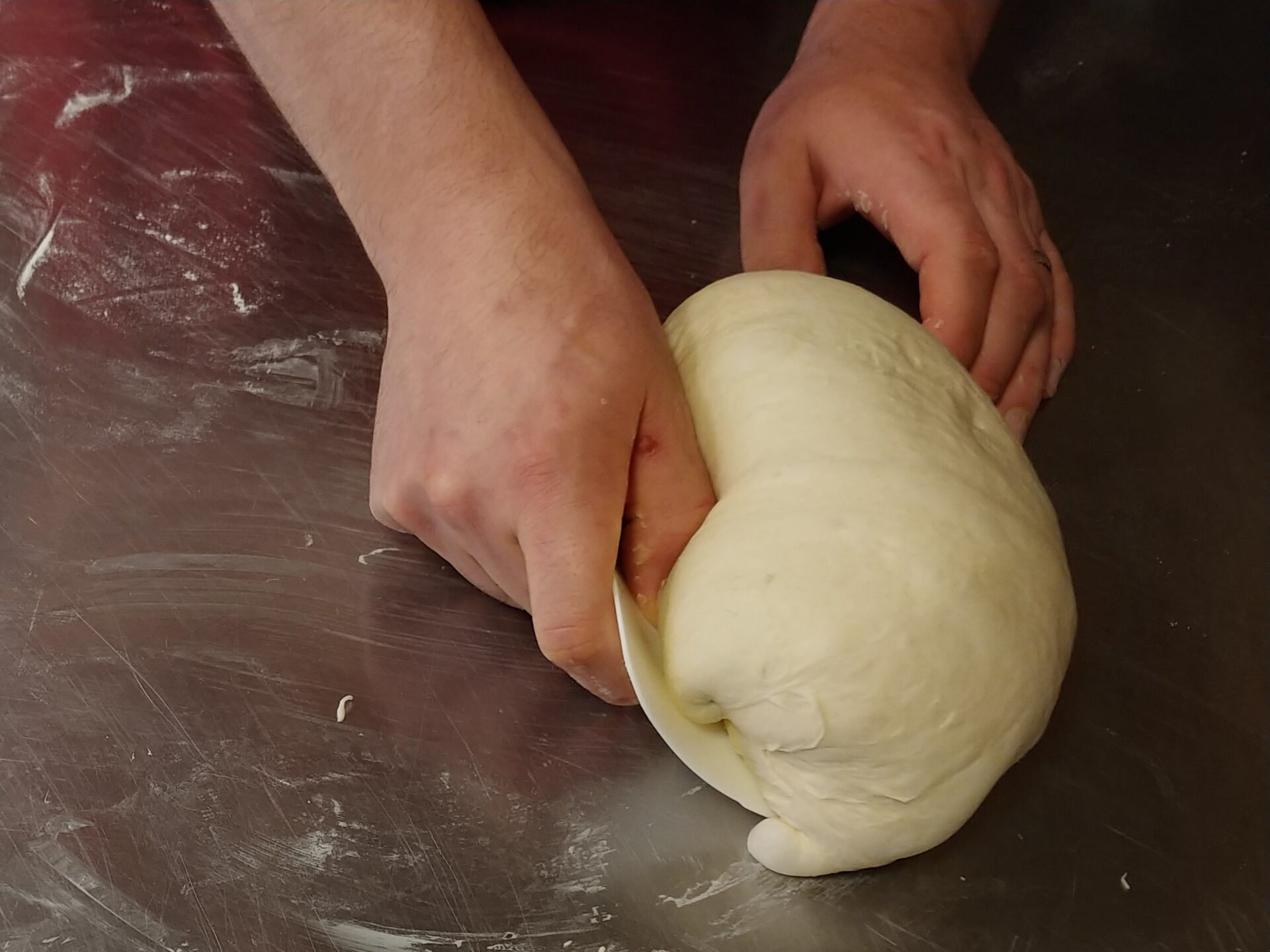
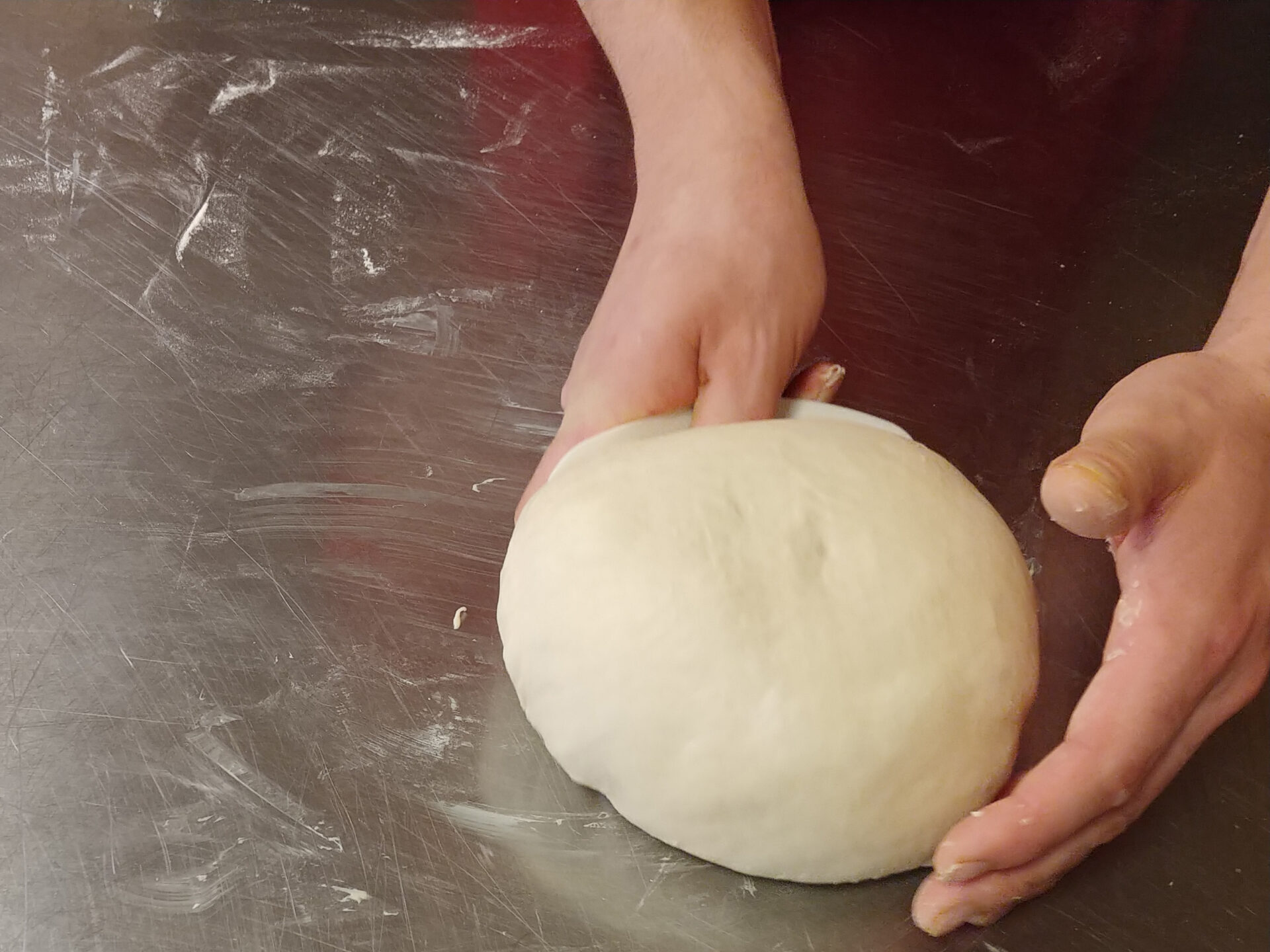
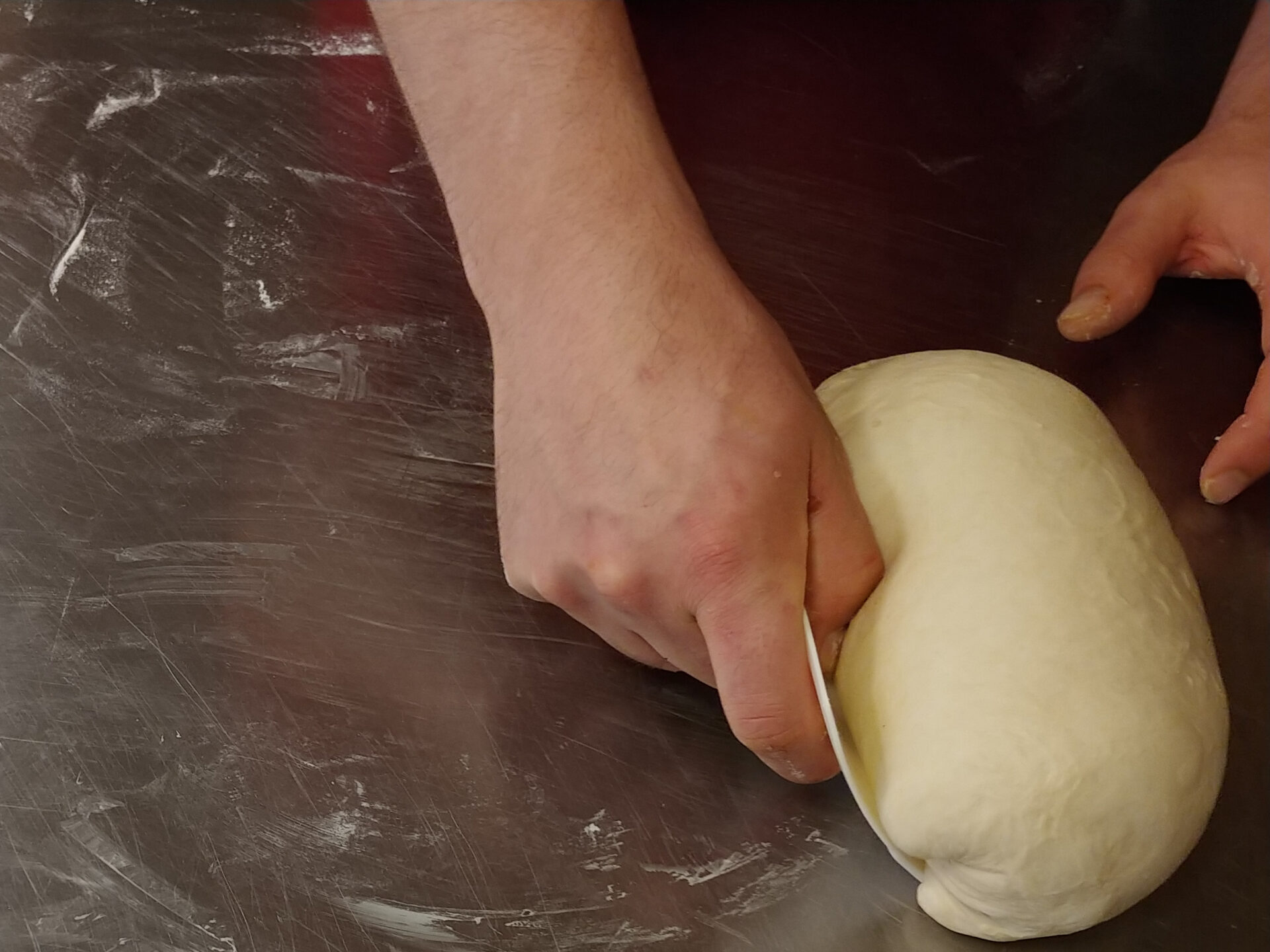
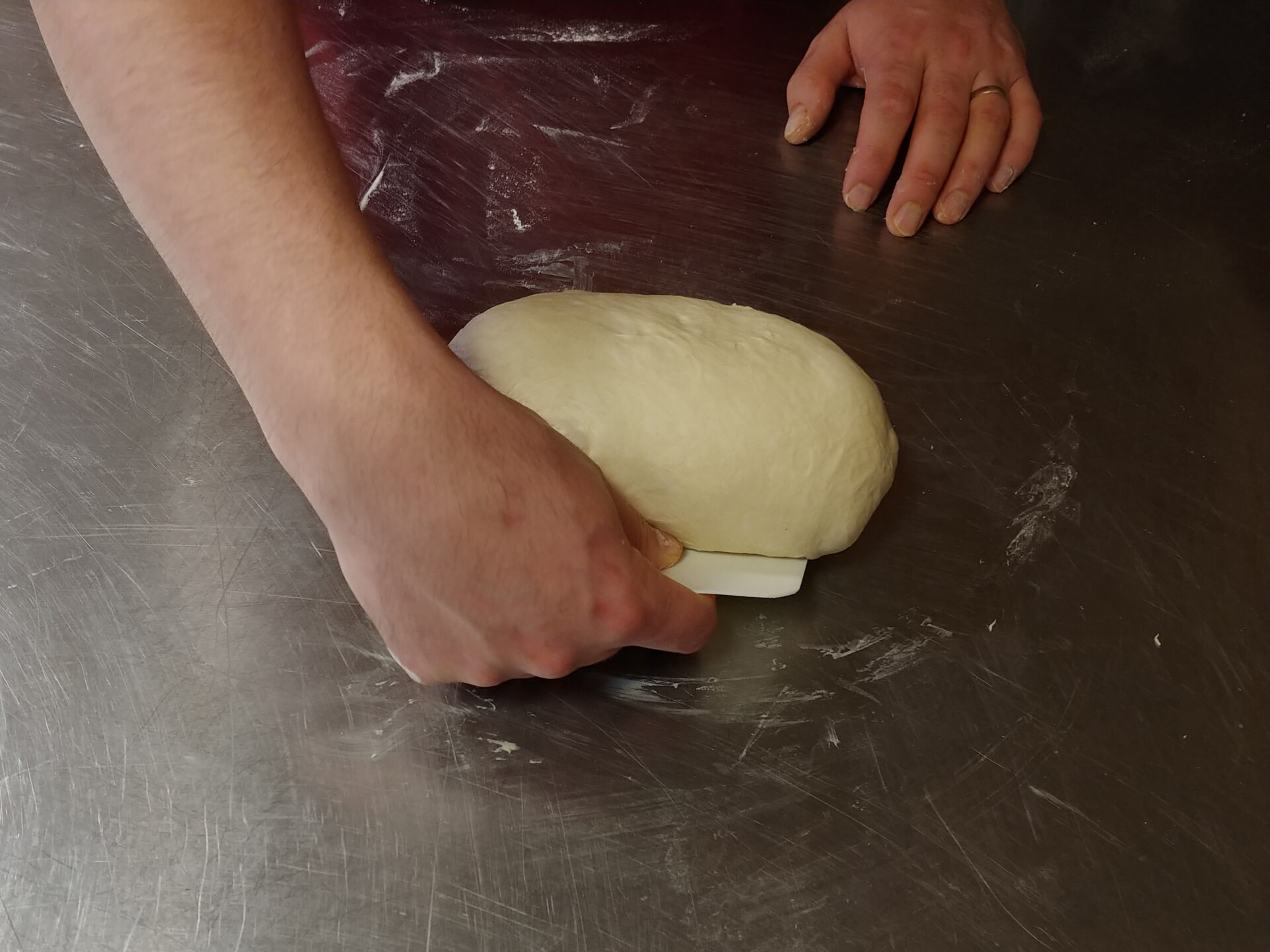
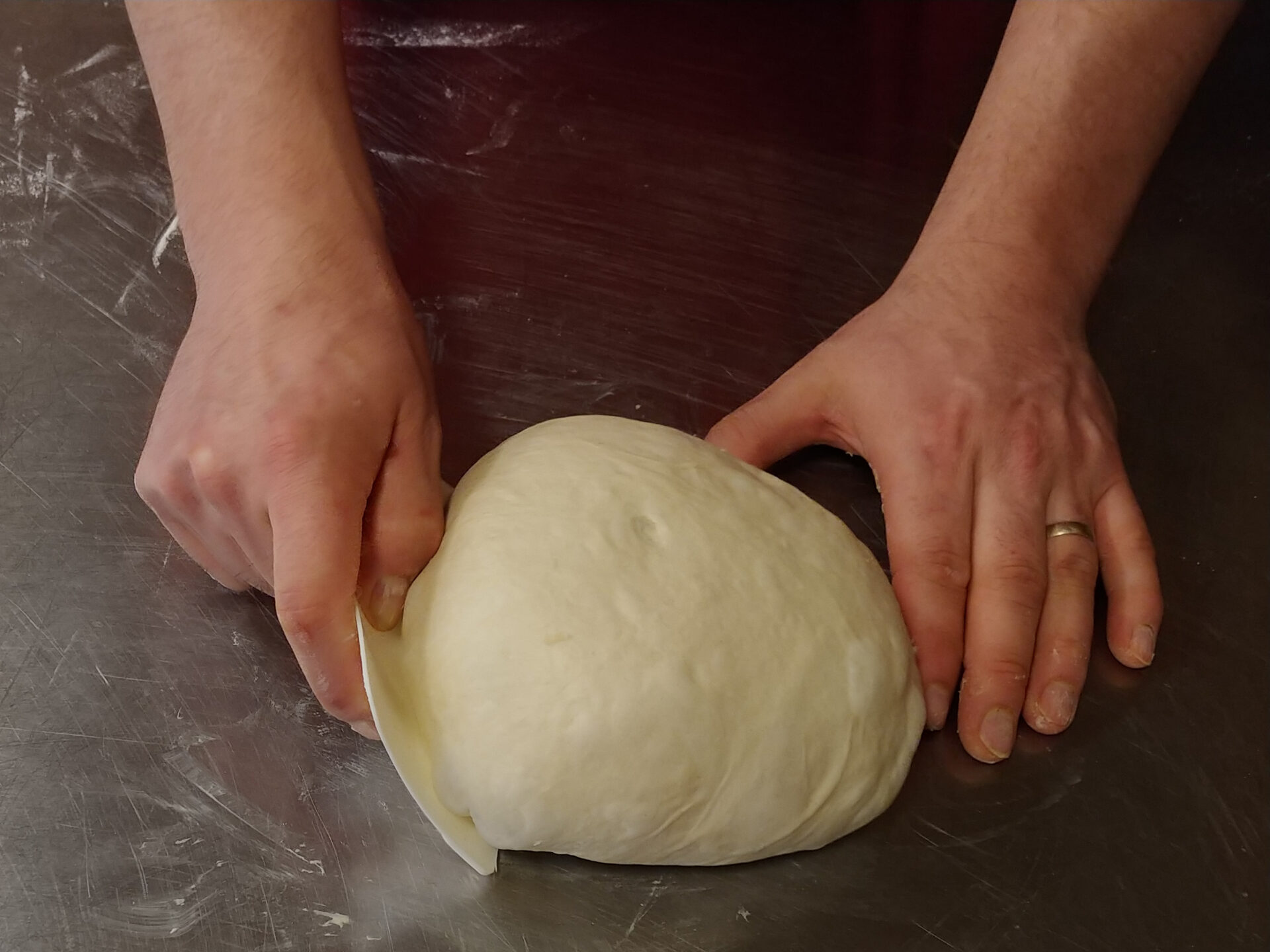
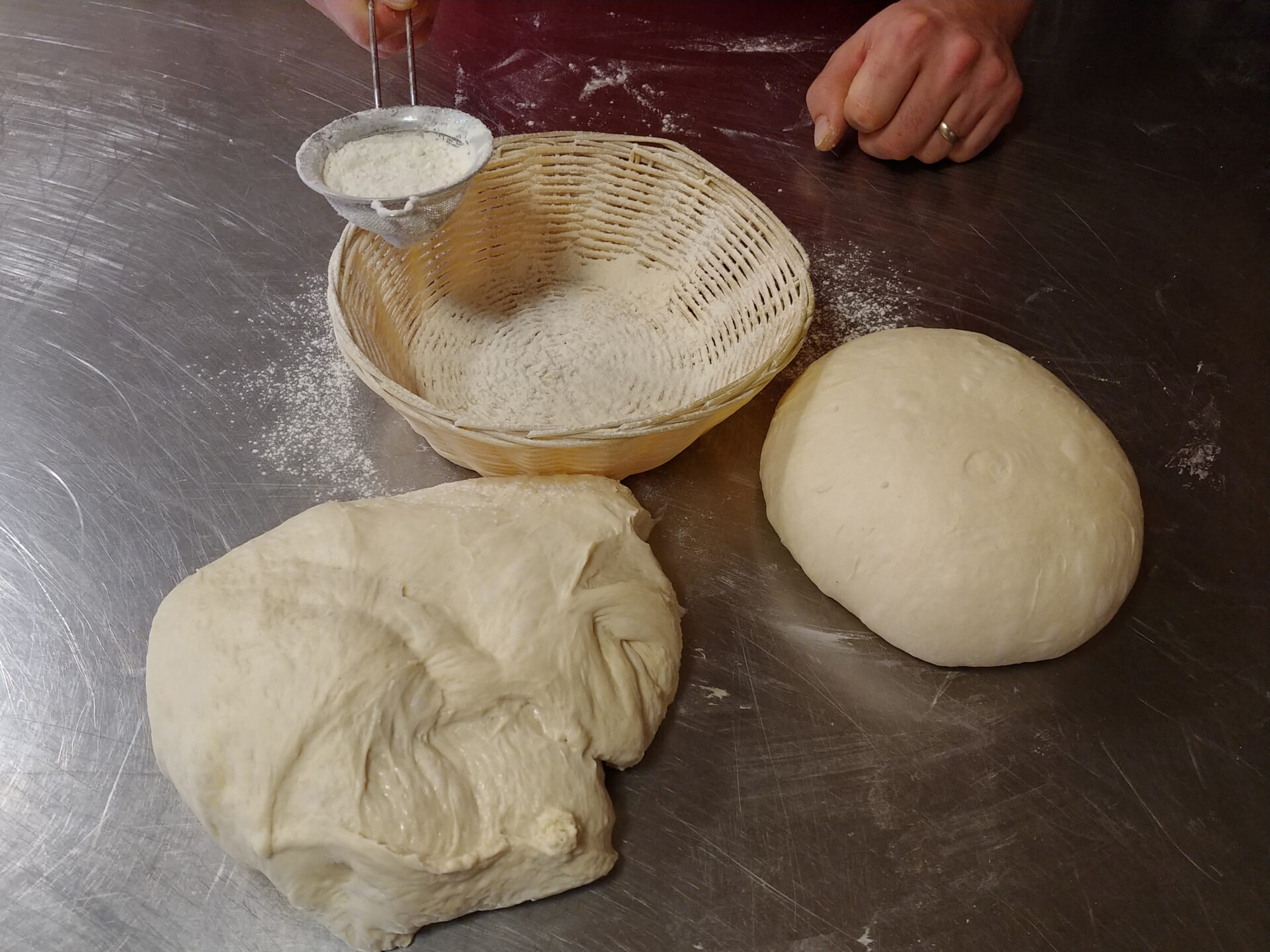
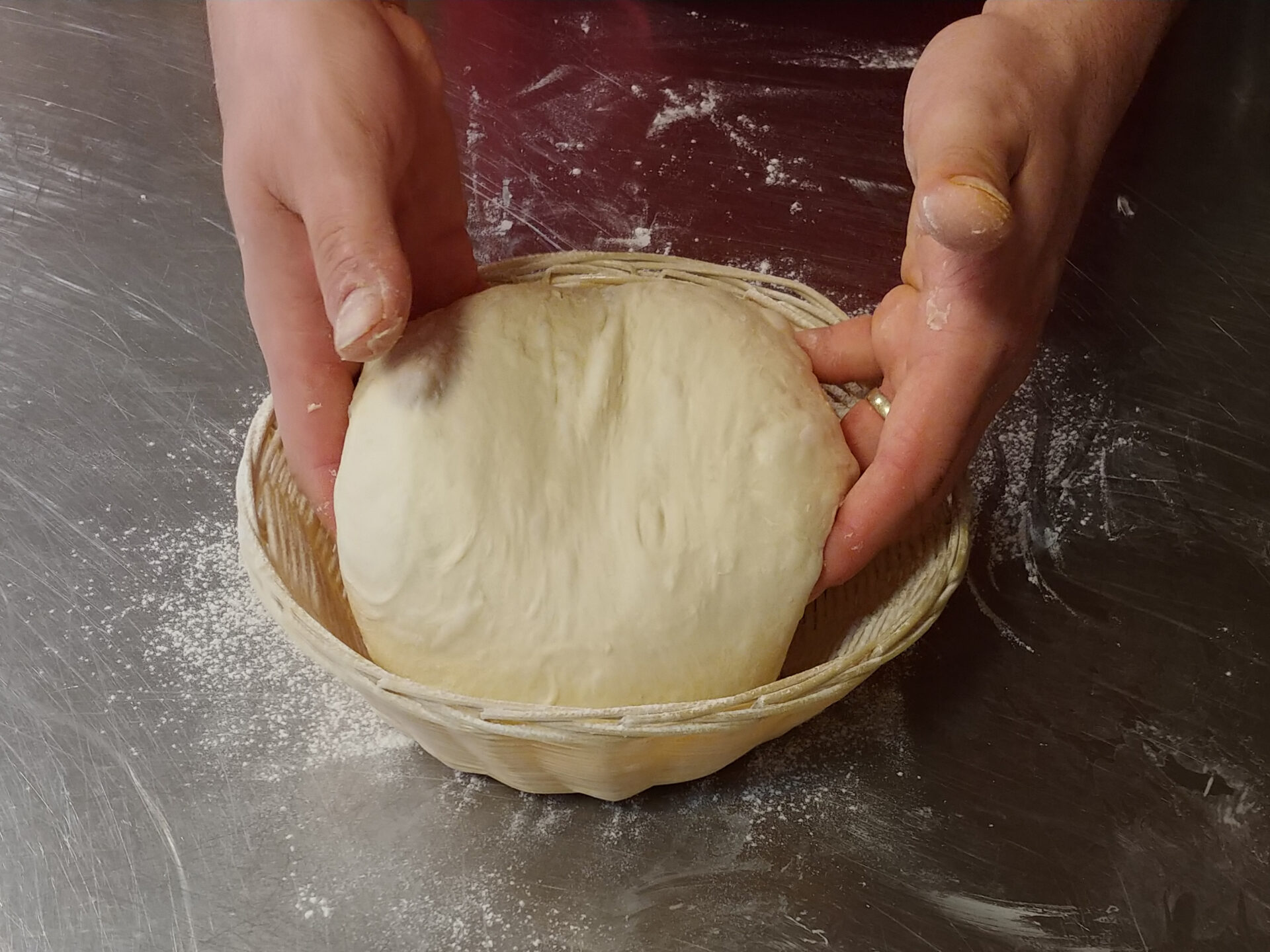
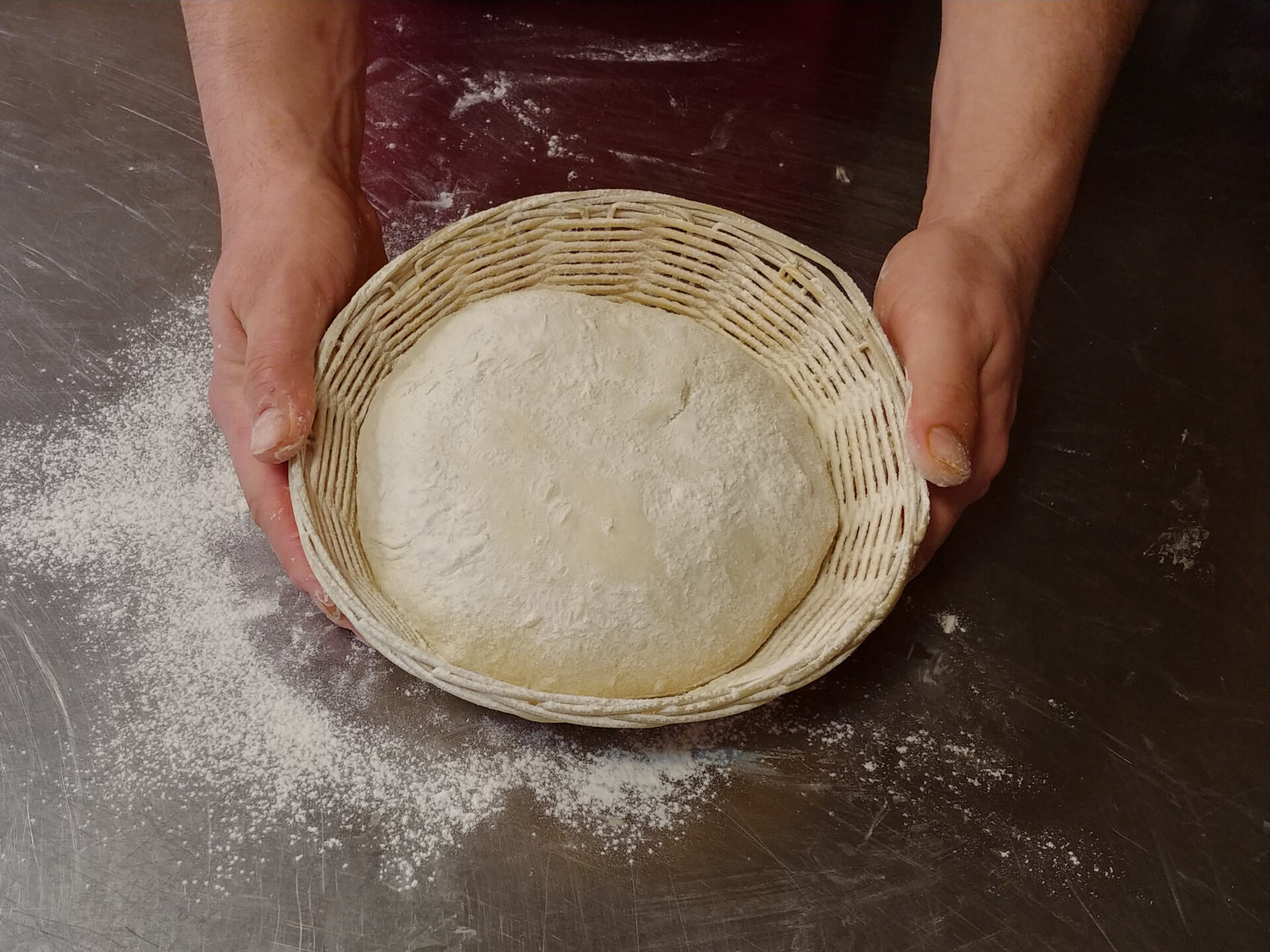
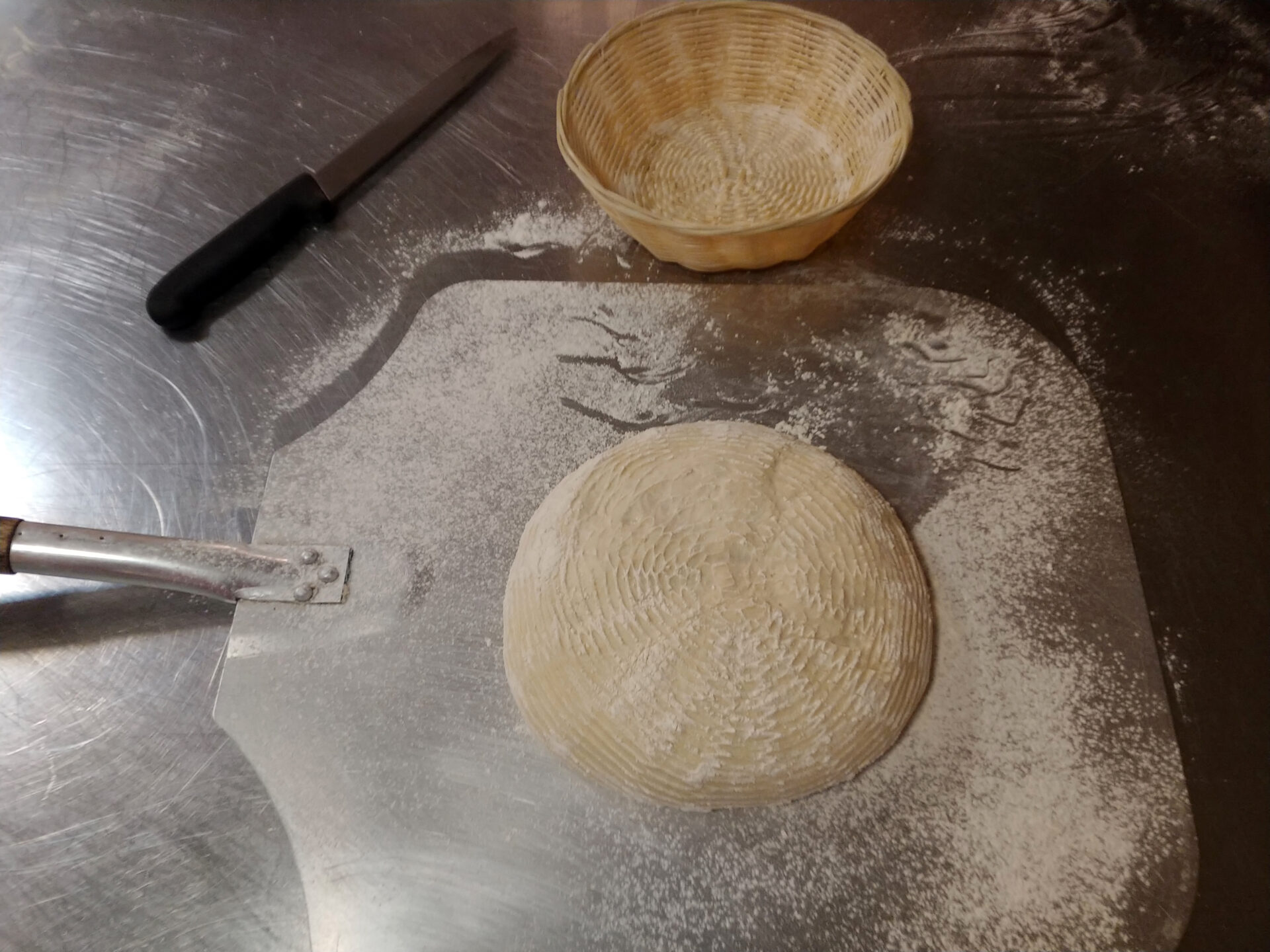
Shaping the Czech Rye Bread is one of my favorite tactile steps. I place the dough on a surface and form the bread loaf by stretching the dough. To do this efficiently, I place my dough scraper at a slight angle against the bottom part of the dough while making sure that the bottom of the scraper is touching the table. Keeping one hand on the top of the dough, I push the scraper to move the dough slightly so it rolls and stretches at the same time. I repeat this step a few times until a loaf of bread is shaped, turning the dough about 90 degrees to the right each time, usually doing this about two times from each of the four sides. Once beautifully shaped, I generously flour my proofing basket and place the shaped loaf inside, making sure to also flour the top of the loaf. Then, I let the Czech Rye Bread proof in the proofing basket in a warm place for about 20 to 30 minutes before baking. It is critical not to go much longer than that.
Baking Techniques Using a Baking Sheet, Pizza Stone, and Ice Cubes
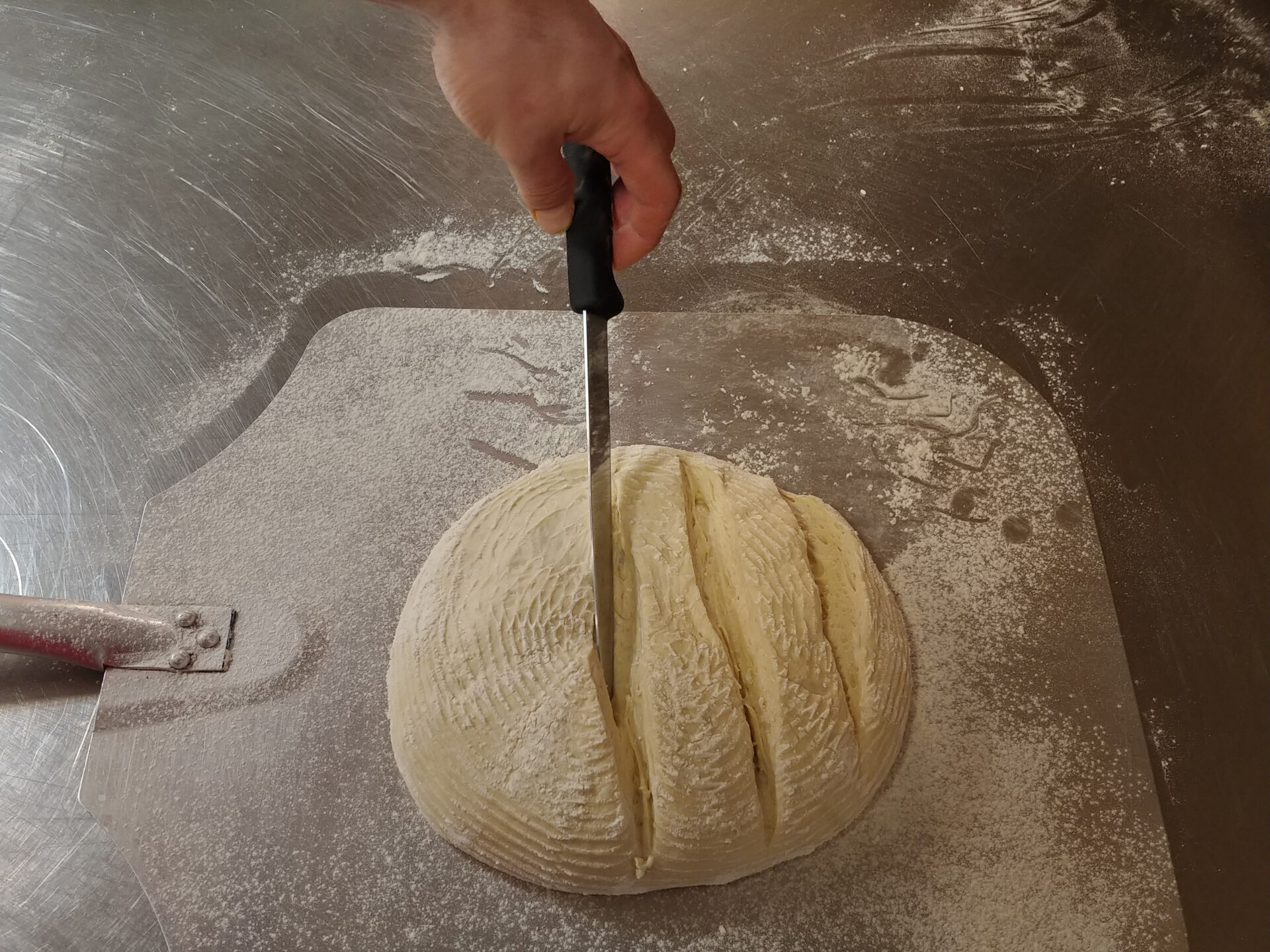
The baking phase is where the Czech Rye Bread truly comes to life. Whether I use an oven or a grill, generating steam is vital for a crispy crust. For oven baking, I preheat to 450 degrees Fahrenheit with an upside-down baking sheet in the center and a small heatproof bowl with water at the bottom. I flip the raised bread from the proofing basket onto a second upside-down baking sheet covered with parchment paper, score it with four to six cuts using a razor, and slide it onto the hot baking sheet in the oven. For the grill, I preheat to 500 degrees Fahrenheit, keeping a pizza stone on one side and a water bowl on the other, using indirect heat. After flipping the dough onto a floured pizza paddle and scoring it, I slide it onto the pizza stone. In both methods, the magic trick is to add ice cubes to the small heatproof bowl with water right as I start baking. I can even add more ice cubes during baking for an even crispier crust! After baking for 20 to 40 minutes, I test it with a toothpick to ensure my perfect Czech Rye Bread is completely done.
Storing and Freezing Your Czech Rye Bread
After your beautiful Czech Rye Bread finishes baking on the pizza stone or baking sheet, you must move it to a cooling rack. Letting the compact dough fully set as it cools is critical for the final texture. Once you have enjoyed the fresh slices, you might wonder about preservation. You can freeze this bread for later usage! It stays great in a freezer for up to a half year. When you are ready to enjoy it again, you can defrost it in only three to four hours. The wonderful flavors of the bread flour, rye flour, and caraway seeds will still be perfectly preserved. Just as a quick tip, while warming it slightly in the oven after defrosting is an option to add a modification that is not in the recipe, the standard instructions guarantee it is ready to eat as soon as it thaws.
Czech Rye Bread
Ingredients:
Click any ingredient to learn more3 ½ cups of bread flour
1 cup of rye flour (*)
1 TSP of confectioners’ sugar
2 TSP of active dry yeasts
2 TSP of caraway seeds - whole
1 TBSP of salt
2 ¼ cups of water - preheat in microwave to lukewarm (about 90 to 100°F)
* You can use any rye flour you have available. For a more earthy flavor, dark rye flour will be a great choice, and for a little lighter flavor, classic medium organic rye flour would be great to use. The medium rye is closest to traditional Czech Rye bread.
Tools:
Click any tool to learn more1x Piano Whisk
1x Plastic Wrap
1x Bowl Scraper
1x Ice Cubes
1x Cooling Rack
Nutrition per entire recipe (whole batch):
EstimatedCalories 2086
Protein 71.0 g
Fat 11.0 g
Saturated fat 1.4 g
Carbohydrate 423.2 g
Sugars 6.8 g
Fiber 30.6 g
Sodium 4794 mg
Cholesterol 0 mg
VegetarianVeganDairy-free
Estimated. Worked out from the ingredients above using the United States Department of Agriculture’s FoodData Central reference data. An estimate, not a measurement — brands, sizes and how much of a marinade actually ends up on the plate all move it.
Directions:
1.Dough:
1.1.
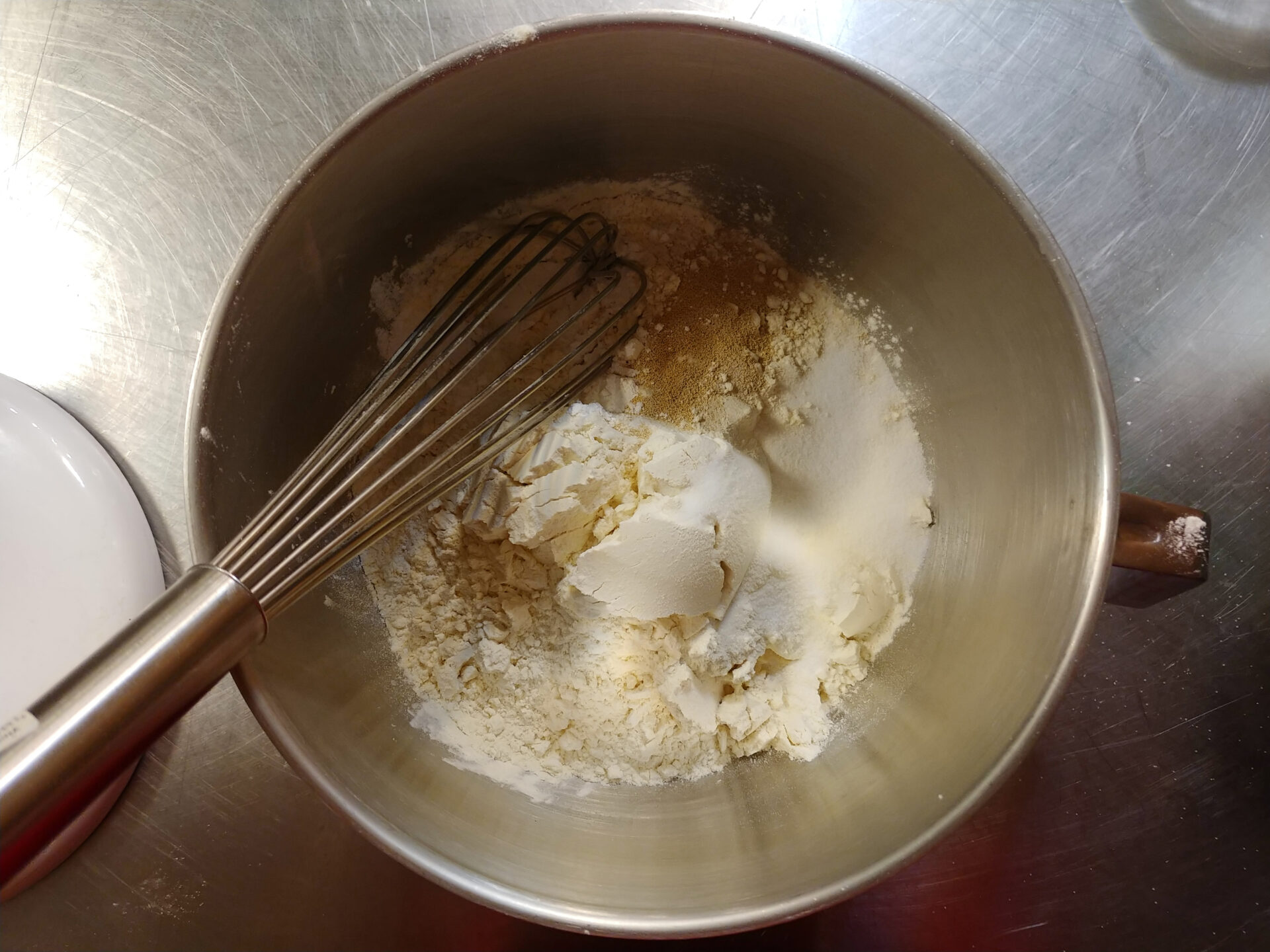
Add into the kitchen mixer with a hook attachment:
3 ½ cups of bread flour
1 cup of rye flour
1 TSP of confectioners’ sugar
2 TSP of active dry yeasts
2 TSP of caraway seeds (whole)
1 TBSP of salt
Briefly stir with a whisk just enough to combine all ingredients (about 1 minute).
1.2.
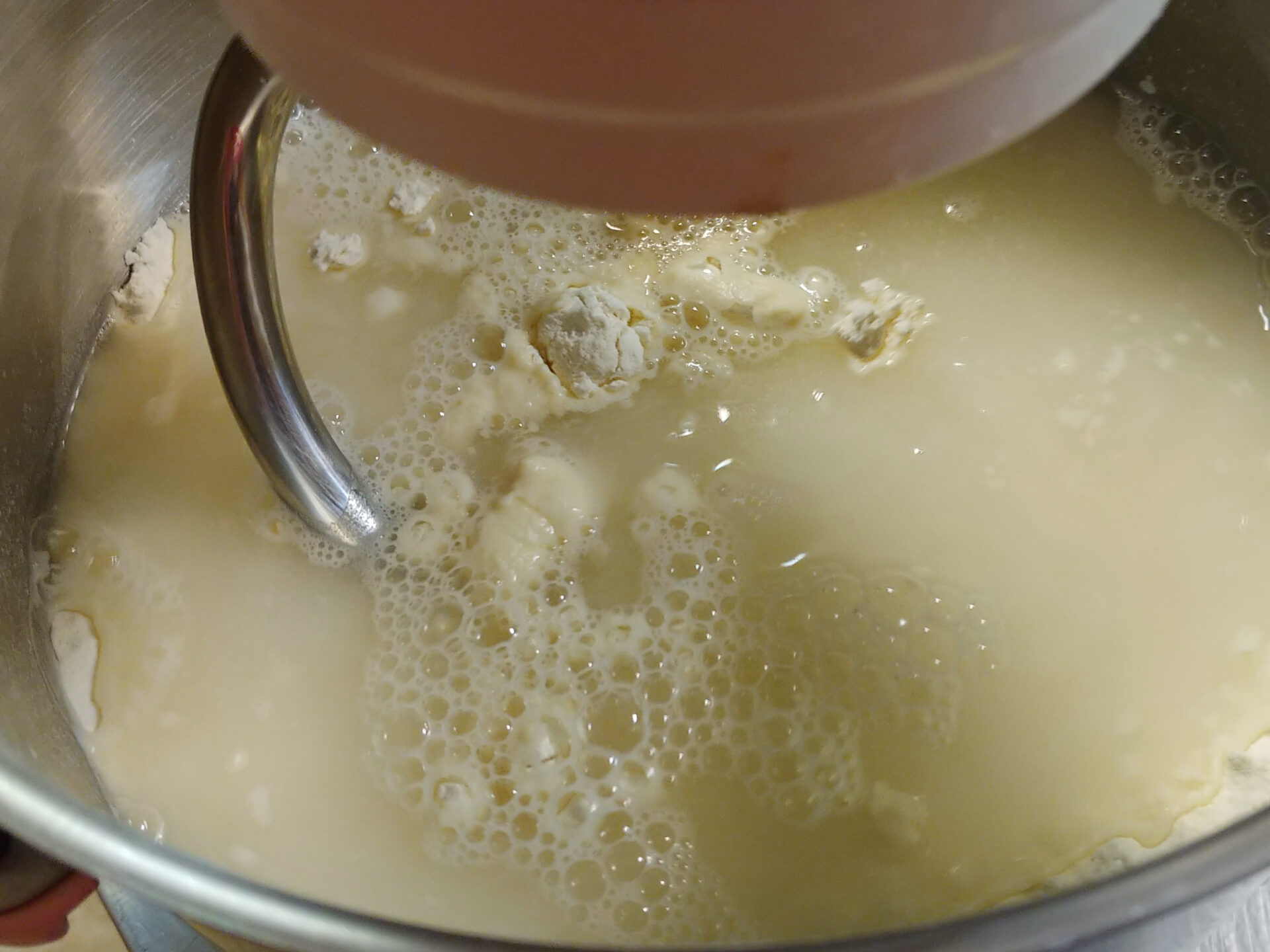
Add:
2 ¼ cups of water
Knead on a low speed until all ingredients are partially incorporated (about 1 – 2 minutes).
1.3.
Then, increase the speed to medium-high and knead until a compact dough is formed (about 1 – 2 minutes).
Note:
- The dough should not be too sticky (at least not too much).
- If it sticks to the mixing bowl after about 2 to 3 minutes of processing, add 2 TBSP of flour and process for 1 – 2 minutes. That should solve the problem. If not, add a little more flour.
2.Rising the Dough:
2.1.
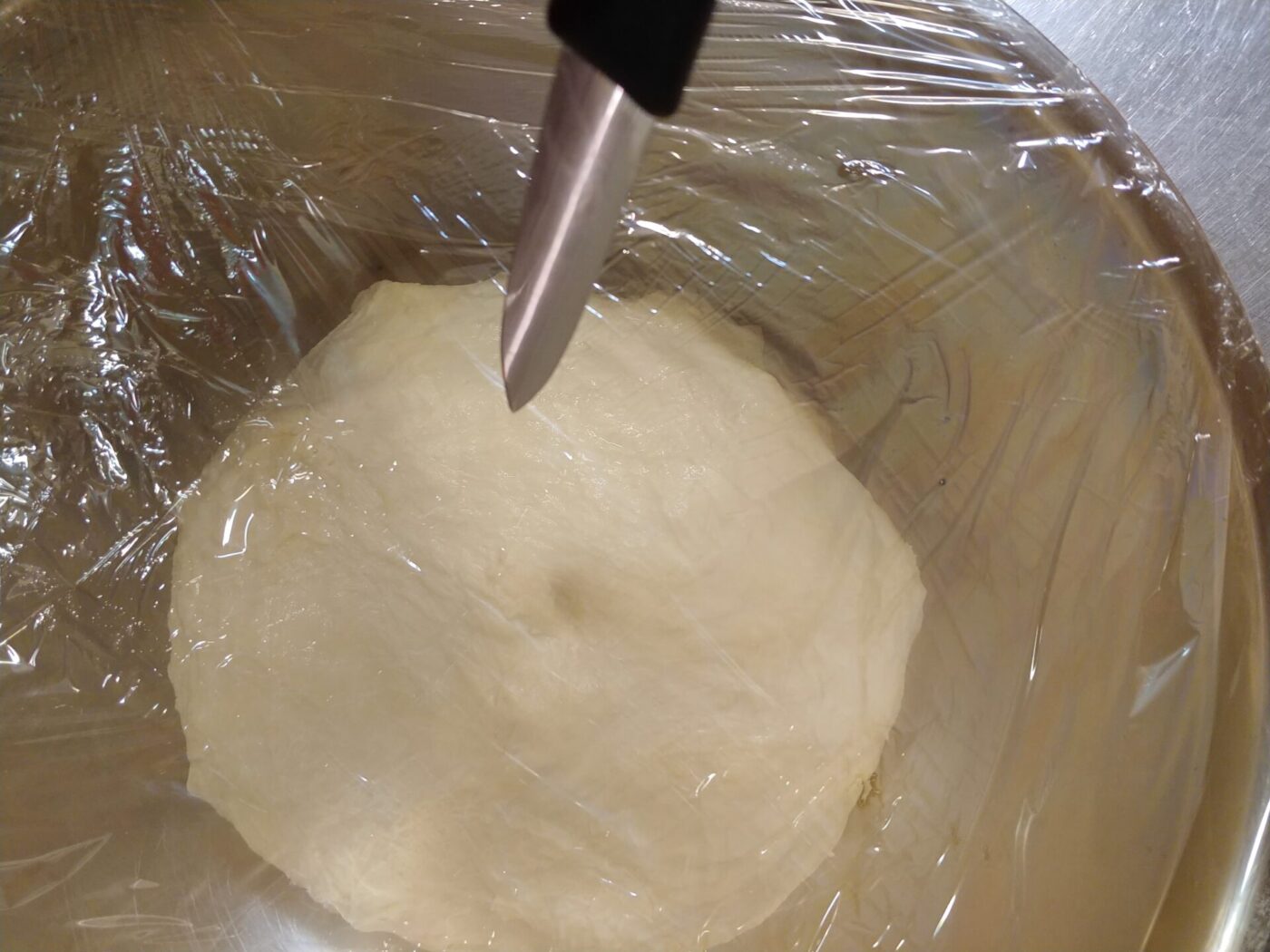
Remove the bowl with the dough from the mixer and cover the bowl with plastic wrap.
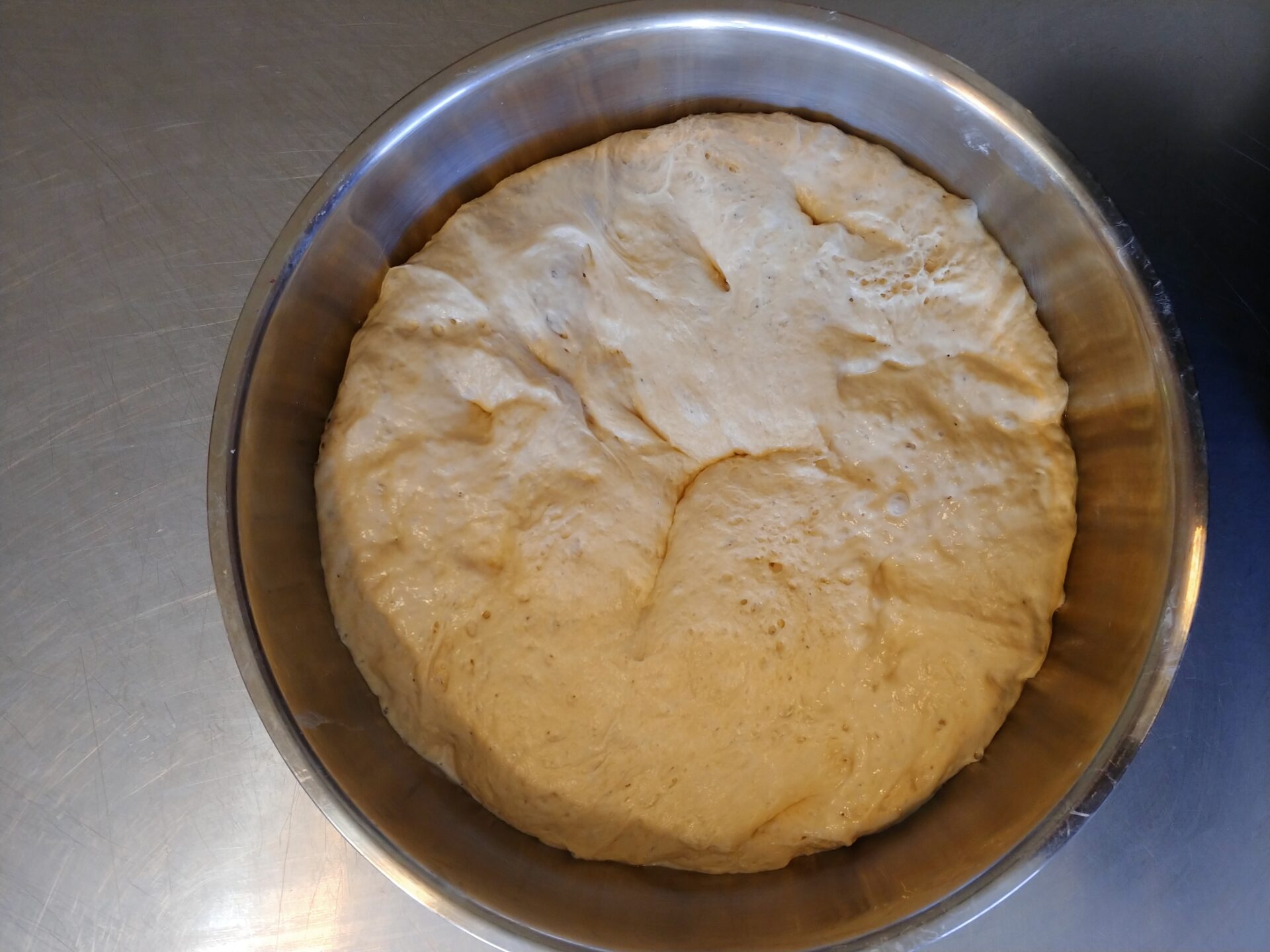
2.3.
Deflate the dough right in the bowl using a dough scraper, folding the dough from one side, then over the other side of the dough, and finally press it down. Repeat this process a few times from all sides of the dough. After deflating, let the dough rise until it doubles in size before another deflation (about 1 – 2 hours). The deflation process is best to repeat at least 3 times, but more would be even better.
Note:
Intervals between deflating can be longer (even overnight), so it’s better to make it fit your schedule. If you want to rise your bread longer, keep it at room temperature (not in a warm place) and use a significantly larger bowl to provide the dough enough space while it’s rising. Make sure that the total rising time (including all deflations) won’t be longer than 24 hours.
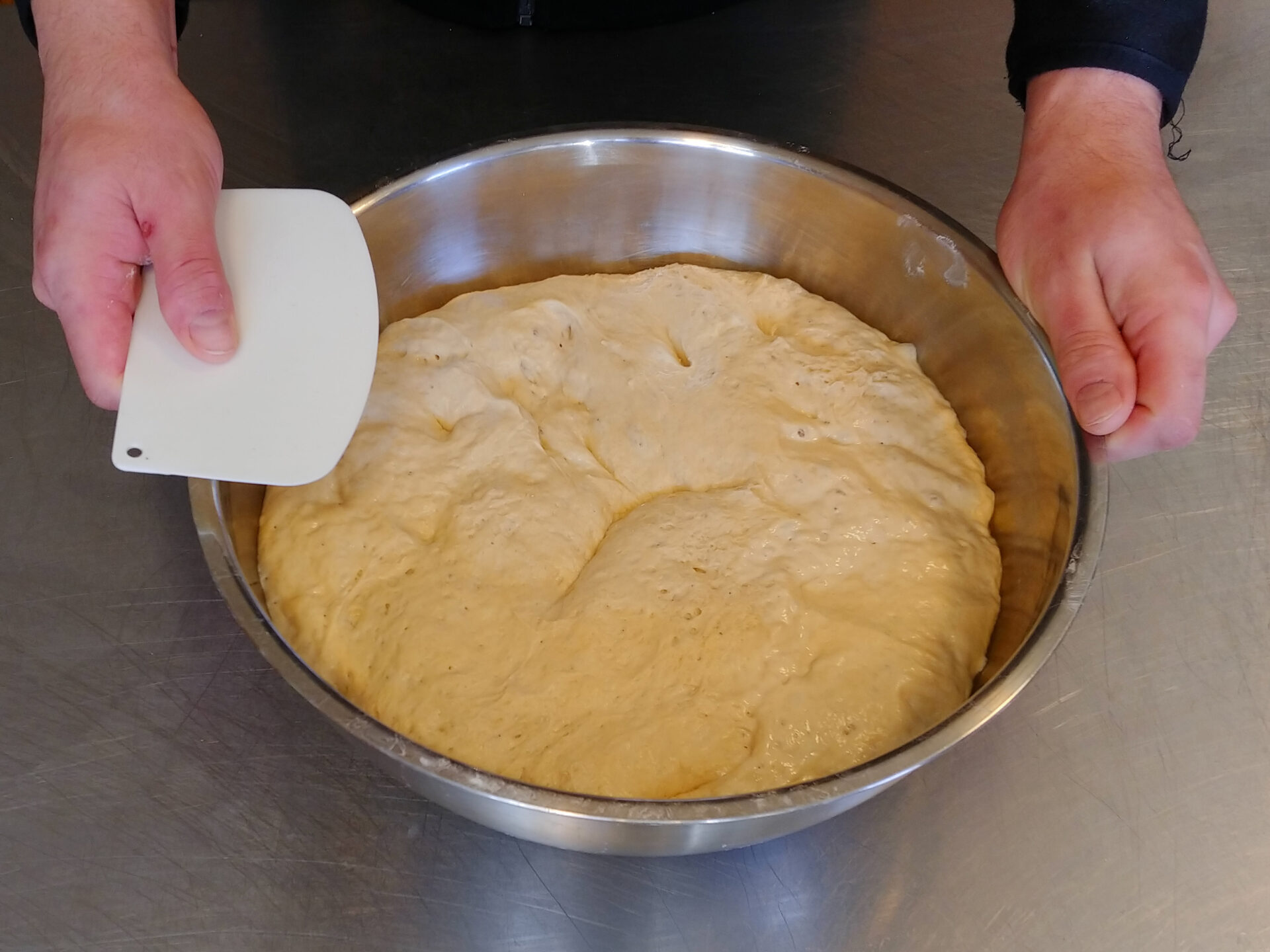
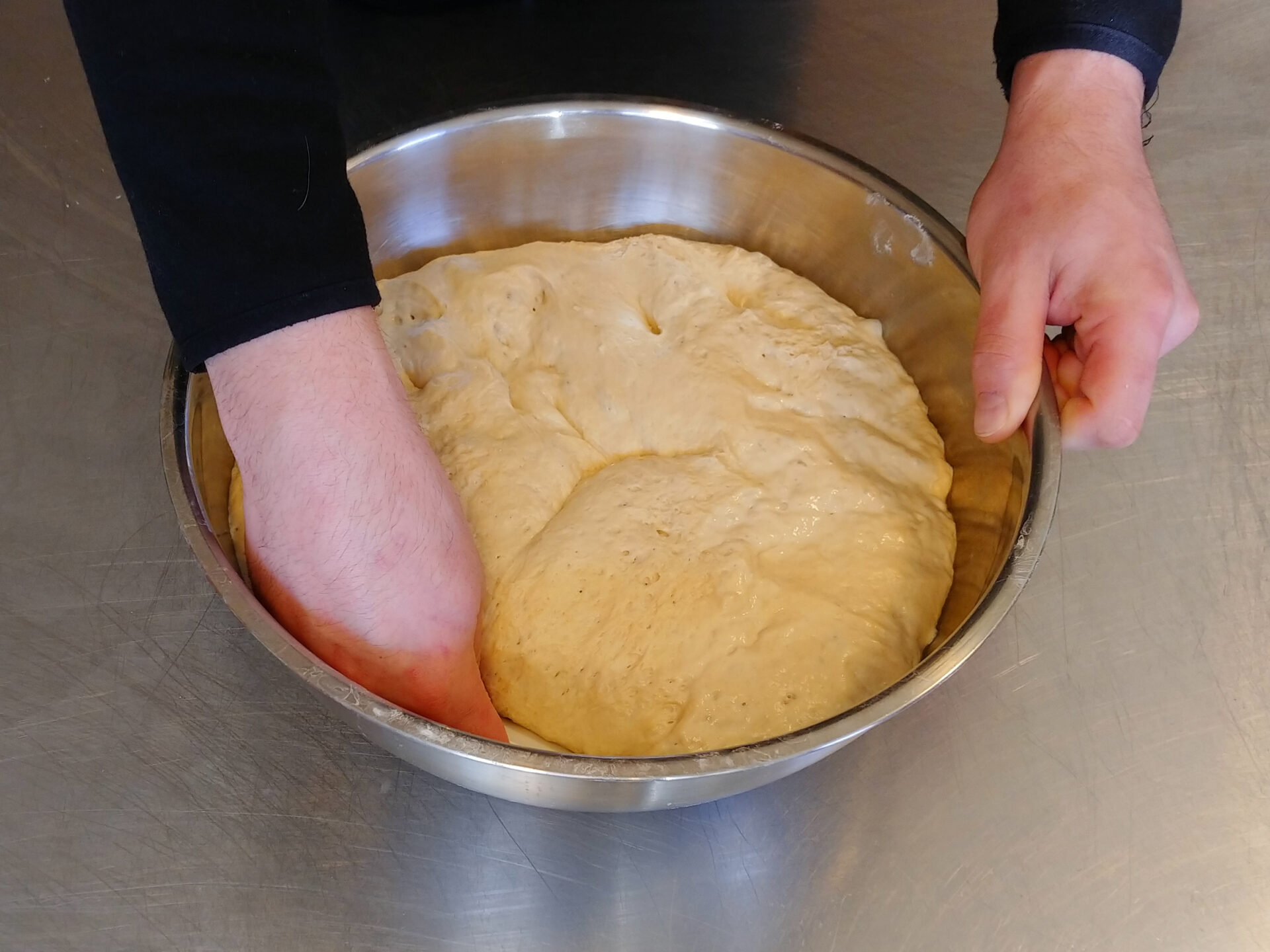
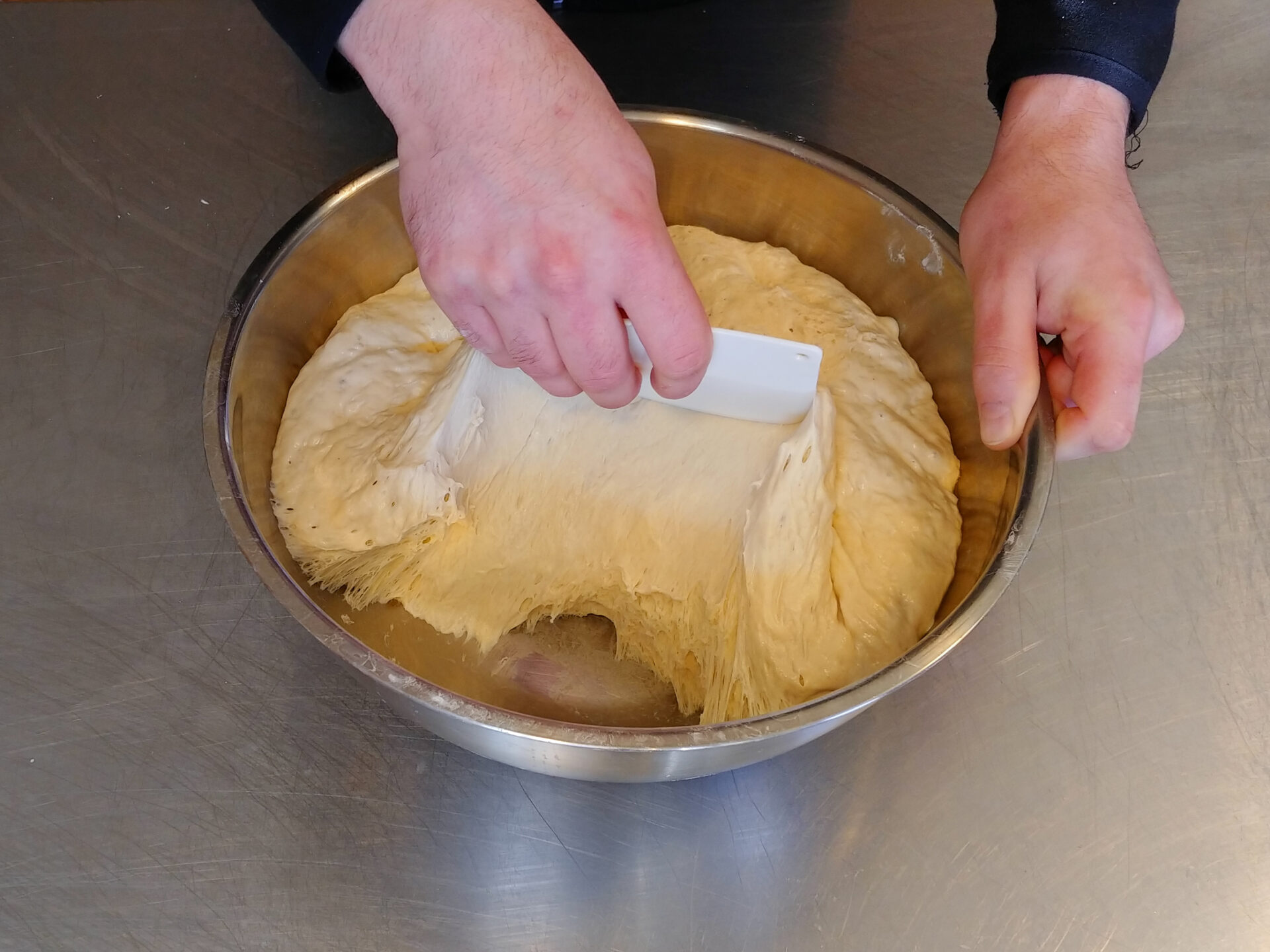
2.4.
3.Shape Bread:
3.1.
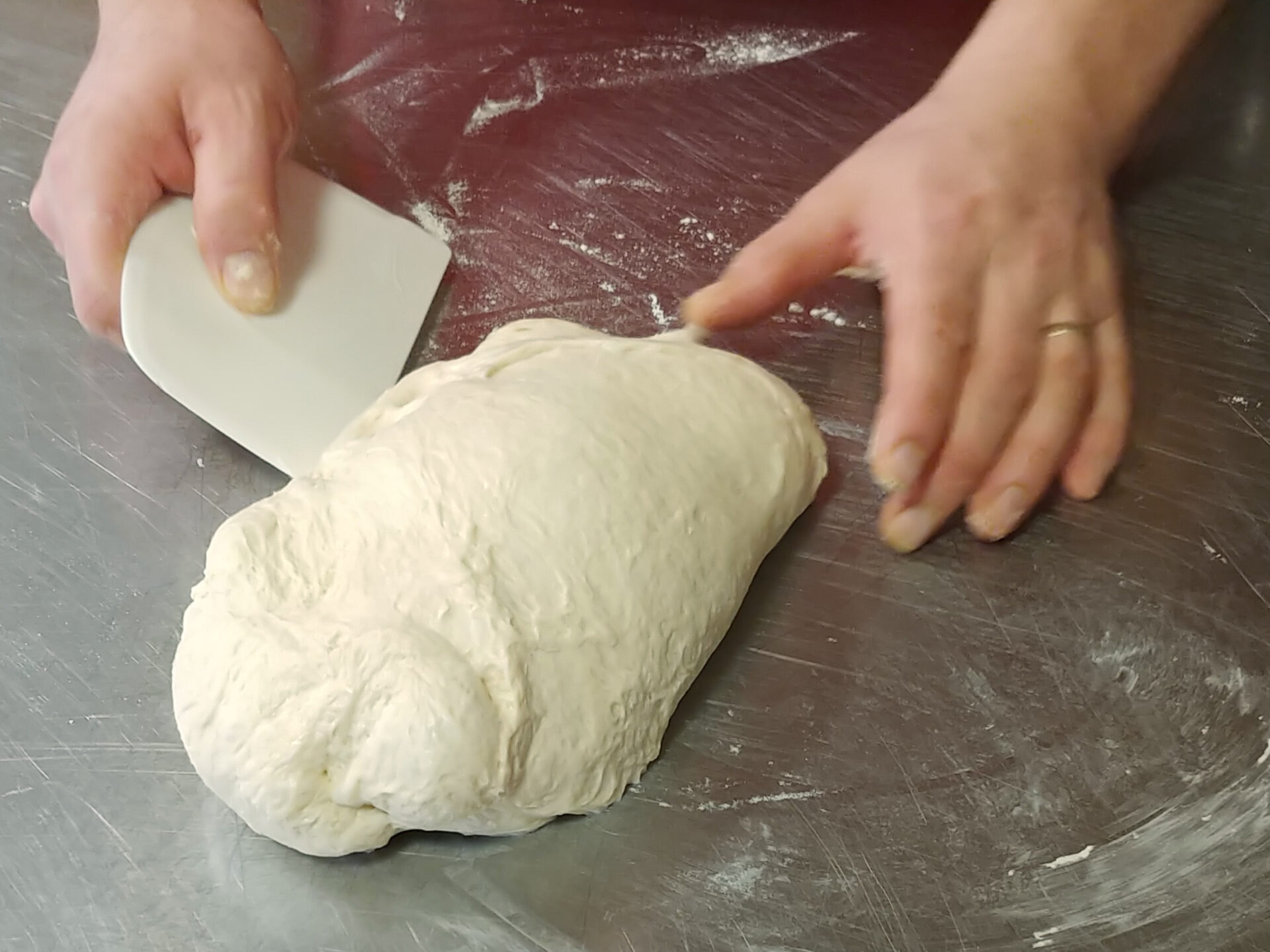
Place the dough on a surface and form the bread loaf by stretching the dough. To stretch the dough, place the bowl scraper at a slight angle against the bottom part of the dough while making sure that the bottom of the bowl scraper is touching the table.
3.2.
Then, keeping one hand on the top of the dough, push the scraper to move the dough slightly. The dough will roll slightly and stretch at the same time.
3.3.
Repeat this step a few times until a loaf of bread is shaped. Each time, turn the dough about 90° to the right (usually about 2 times from each of the four sides).
3.4.
Generously flour the proofing basket and place the shaped loaf in it.
3.5.
Flour the top of the loaf.
4.Proofing:
4.1.
Let your bread loaf proof in a proofing basket in a warm place for about 20 – 30 minutes before baking (do not go much longer than that).
5.Baking:
Bake in an oven or on a grill with a pizza stone and pizza paddle.
5.1.
Oven baking:
5.1.1.
Preheat your oven to 450°F with the first upside-down baking sheet in the center of your oven (without parchment paper) and a small heatproof bowl with water (in the bottom of the oven).
5.1.2.
Flip the raised bread from the basket onto a second upside-down baking sheet that is covered with parchment paper.
5.1.3.
Score the top of the bread with a razor/knife (4 – 6 cuts on the top of the bread).
5.1.4.
Carefully slide the parchment paper with the bread from the baking sheet to another baking sheet located in the oven.
5.1.5.
Add ice cubes to a small heatproof bowl with water. Optionally, add other ice cubes during baking for a crispier crust.
5.1.6.
Bake until done (about 20 – 40 minutes depending on the thickness and shape of the bread). Test with a toothpick.
5.2.
Grill baking:
5.2.1.
Preheat the grill to 500°F. While preheating keep a pizza stone on one side and a small heatproof bowl with water on the other side. Keep the temperature about 500°F and if possible, focus on less direct heat with the fire preferably on the side of pizza stone.
5.2.2.
Flip the raised bread from the basket onto a lightly floured pizza paddle.
5.2.3.
Score the top of the bread with a razor (4 – 6 cuts on the top of the bread).
5.2.4.
Carefully slide the bread from the pizza paddle onto the pizza stone on the grill.
5.2.5.
Add ice cubes into a small heatproof bowl with water. Optionally, add other ice cubes during baking for a crispier crust.
5.2.6.
Bake until done (about 20 – 40 minutes, depending on the thickness). Test with a toothpick.
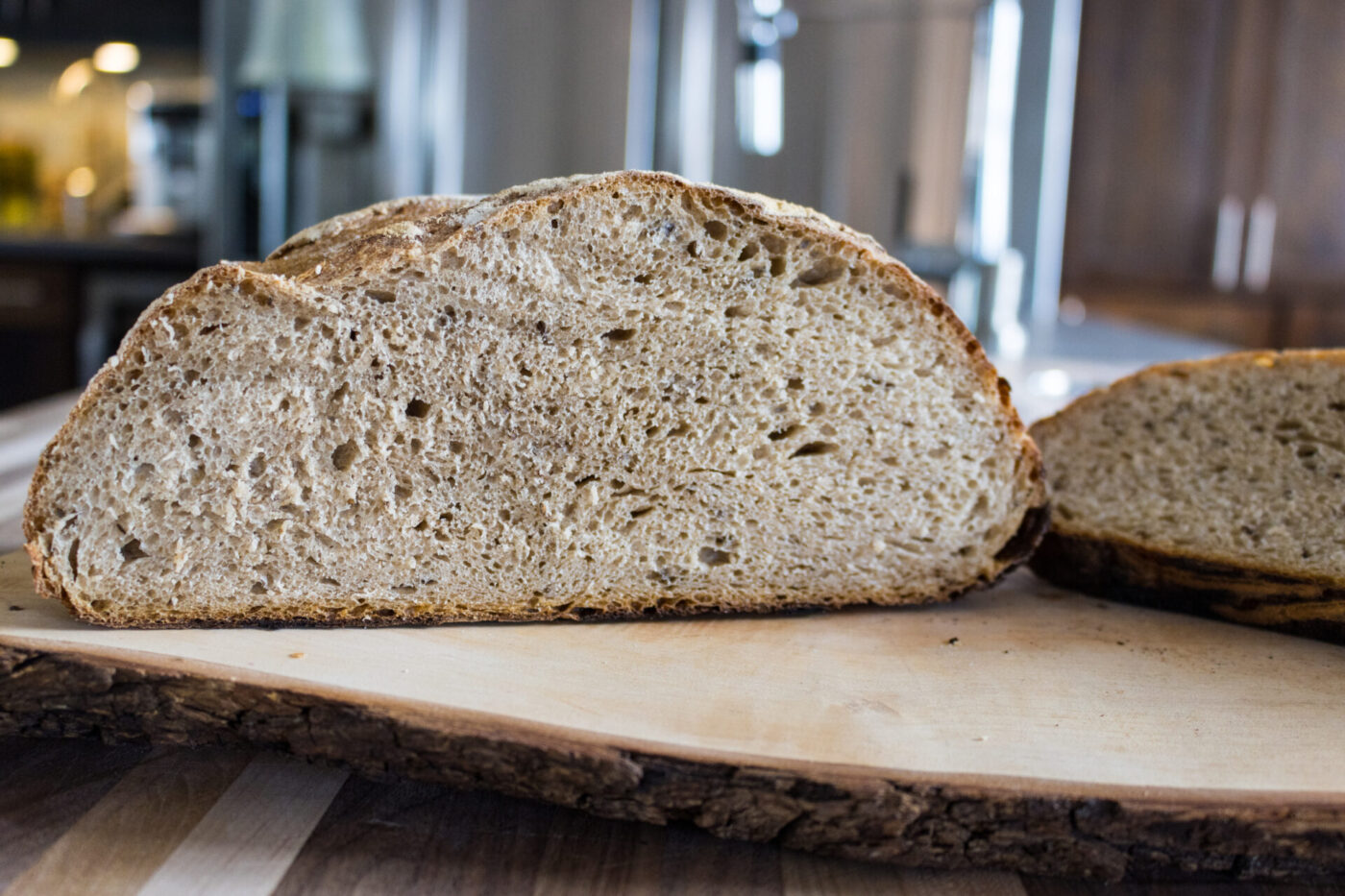
You can freeze bread for later usage (it stays great in a freezer for up to a half year). Defrost in only 3 – 4 hours.
Popular questions
Can I prepare this Czech Rye Bread dough ahead of time and bake it the next day?
Yes, you absolutely can! When I make this Czech Rye Bread, I often adjust the rising times to fit my personal schedule. After you mix your bread flour, rye flour, active dry yeasts, caraway seeds, and other ingredients into a compact dough, you must begin the deflation and rising cycles. Intervals between deflating can be longer, even overnight. If you want to rise your bread longer, simply keep it at room temperature instead of a warm place, and use a significantly larger bowl to provide the dough enough space while it is rising. Just make sure that the total rising time, including all deflations using your dough scraper, will not be longer than 24 hours before you shape it for your proofing basket and bake it on your pizza stone or baking sheet. As an option to add a modification that is not in the recipe, you could also let the dough retard in the refrigerator overnight, but please note that this is a modification that is not part of the recipe.
Share
Click on the icons below to share "Title of the item to share"