
Side Recipes
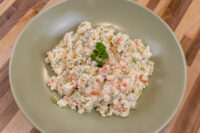
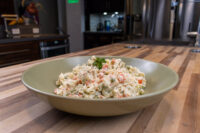
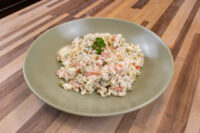
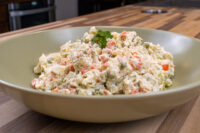
Czech Potato Salad
5 - 6 servings
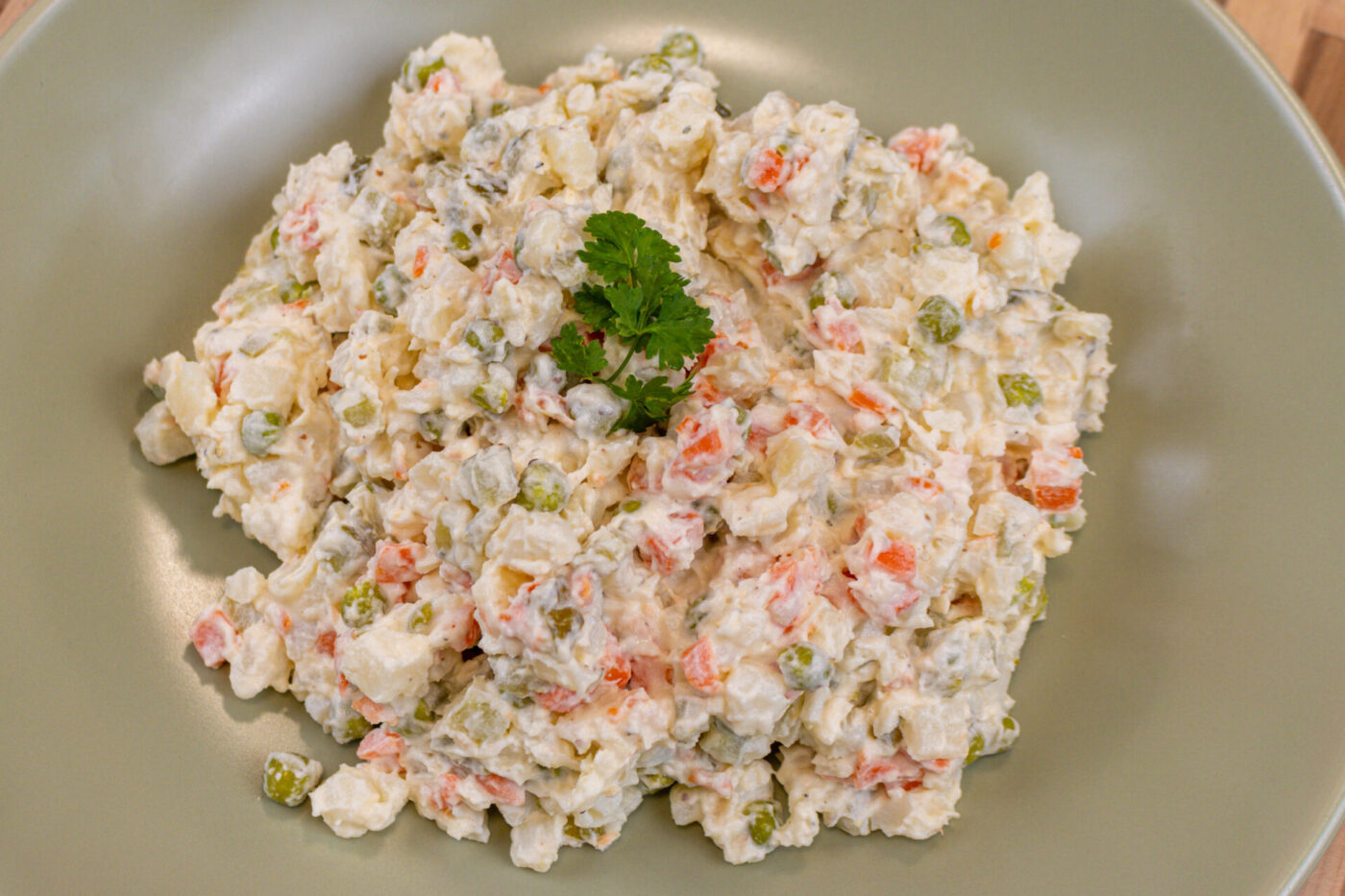
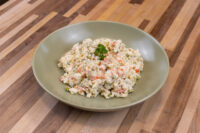
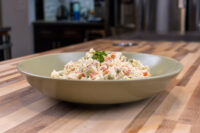
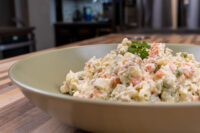
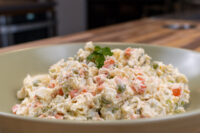
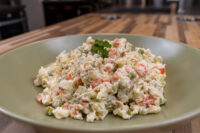
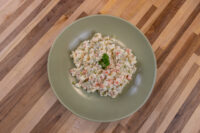
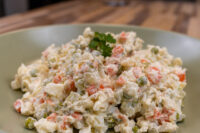
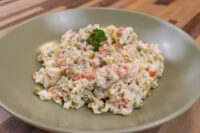
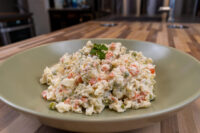
Step into the world of Czech cuisine with this authentic Czech Potato Salad recipe. This isn’t just any potato salad; it is a symphony of flavors and textures that sets it apart. The recipe combines tender potatoes and crisp vegetables, all harmoniously blended with a creamy mixture that’s quintessentially Czech. It serves as a perfect Christmas Side Recipe or a staple of Cold Cuisine for any occasion. Read More
Side Recipes
Before You Start
Let’s talk about important parts of the recipe before you start…
Step into the World of Czech Cuisine
I am delighted to share my authentic Czech Potato Salad recipe with you. This dish is not just a simple side; it is a symphony of flavors and textures that truly sets it apart from a standard Traditional Potato Salad. By combining tender potatoes, crisp carrots, and peas with a creamy, well-balanced mixture, you create a meal that is quintessentially Czech. Whether you are looking for a new Christmas Side Recipe or just want to explore Cold Cuisine, this salad delivers a delicious experience.
Uniform Vegetable Preparation
In my recipe, the Vegetable Preparation is critical for the final texture. I recommend that you rinse the potatoes and carrots under cold water and then peel them, though you can leave them unpeeled as you wish. The most important part is to dice the potatoes and carrots into uniform dices, specifically about 3/8 of an inch. This uniformity ensures that when we boil them, they cook evenly and provide a consistent bite, which is essential for a high-quality Root Vegetable Salad like this one.
The Boiling Technique
To cook the base of this Authentic Czech Potato Salad, I use a specific method to save time and ensure flavor integration. Place the diced potatoes and carrots together into a medium pot and fill it with water about one inch above the vegetables. Cover the pot with a lid and bring it to a boil on high heat before lowering it to medium. They should boil until fully cooked, which takes about 12 to 15 minutes. It is vital to take one of the potatoes out and taste it to make sure it is done before moving to the next step.
Adding the Peas
For this Christmas Side Recipe, I use peas to add sweetness and color, but timing is everything. You should only add the half cup of frozen peas after the potatoes and carrots are fully cooked. Cook them for an additional 30 seconds. This is enough time to cook even frozen peas without them becoming mushy. This quick blanching keeps the peas vibrant and adds a fresh element to the creamy mixture.
Cooling on a Baking Sheet
Once the boiling is complete, drain the water by pouring the vegetables over a colander. A key step in my process is to place the vegetables on a baking sheet to totally cool. Spreading them out on a sheet rather than leaving them in a deep bowl allows the steam to escape quickly and prevents the potatoes from overcooking in their own heat. This ensures that your Creamy Potato Salad maintains distinct vegetable textures rather than turning into mash.
Creating the Creamy Dressing
The dressing is the heart of this dish. In the final phase, I combine three-quarters of a cup of mayonnaise with half a cup of plain yogurt—preferably regular whole yogurt or whole Greek yogurt. To this base, I add one tablespoon of Dijon mustard, half a teaspoon of salt, and a quarter teaspoon of pepper, ideally freshly ground. This blend creates a rich yet tangy coating that binds the ingredients together perfectly.
The Importance of Pickle Juice
To give this Traditional Potato Salad its distinctive zest, I do not just use diced pickles. I specifically include two tablespoons of Dill Pickle Juice in the mixture. This acidic addition, combined with the half cup of diced dill pickles and half a finely chopped onion, cuts through the creaminess of the mayonnaise and yogurt. It provides a sharp, savory balance that is characteristic of authentic Czech flavors.
Overnight Refrigeration
For the best results, I instruct you to refrigerate the salad overnight. This allows the ingredients to nicely combine. As the salad sits, the potatoes absorb the flavors of the dressing, the Dill Pickle Juice, and the onions, while the mixture firms up. Serving it the next day ensures you are experiencing the full depth of flavor intended for this Holiday Side Dish.
Popular questions
Why is it recommended to refrigerate the salad overnight?
I recommend refrigerating the Czech Potato Salad overnight for best results because this allows the ingredients to nicely combine. The flavors of the vegetables, creamy dressing, and Dill Pickle Juice meld together during this time, creating a superior taste compared to serving it immediately.
Czech Potato Salad
Ingredients:
Click any ingredient to learn more1 LB of potatoes of your choice
2 carrots
½ cup of peas - fresh or frozen – no defrosting necessary before cooking
½ cup of dill pickles - canned, drained (save part of the liquid)
½ onion - peeled and finely chopped
2 TBSP of dill pickle juice
½ cup of plain yogurt (preferably regular whole yogurt or whole Greek yogurt)
¾ cup of mayonnaise
1 TBSP of Dijon mustard
½ TSP of salt
¼ TSP of pepper - ideally freshly ground
Nutrition per 1 Serving:(recipe split into 5 servings)
EstimatedCalories 329
Protein 5.9 g
Fat 24.2 g
Saturated fat 3.6 g
Carbohydrate 23.9 g
Sugars 4.7 g
Fiber 4.3 g
Sodium 526 mg
Cholesterol 2 mg
Estimated. Worked out from the ingredients above using the United States Department of Agriculture’s FoodData Central reference data. An estimate, not a measurement — brands, sizes and how much of a marinade actually ends up on the plate all move it.
Directions:
1.Potato, Carrots, & Peas Preparation and Cooking:
1.1.
Rinse potatoes and carrots under cold water.
1.2.
Then peel (or leave unpeeled as you wish).
1.3.
Dice potatoes and carrots into uniform dices (about 3/8”).
1.4.
Place together into a medium pot and then fill the pot with water (about 1” above the level of the vegetables).
1.5.
Cover the pot with a lid and place on a high heat burner. Bring to a boil.
1.6.
Lower heat to medium and boil until fully cooked (about 12 – 15 minutes). Take one of the potatoes out and taste to make sure it is done.
1.7.
Then add:
½ cup frozen peas
Cook for an additional 30 seconds (this is enough time to cook even frozen peas).
1.8.
Drain the water by pouring over a colander and place on a baking sheet to totally cool.
1.9.
When fully cooled, place into a mixing bowl.
2.Final Phase:
2.1.
Add into a large mixing bowl:
½ cup of dill pickles – diced
½ medium onion – finely chopped
2 TBSP of juice from dill pickles
½ cup of plain white yogurt
¾ cup of mayonnaise
1 TBSP of Dijon Mustard
½ TSP of salt
¼ TSP of ground pepper
Thoroughly fold together with a spatula.
2.2.
Taste and add salt and pepper if needed.
2.3.
Refrigerate overnight for best results (ingredients will nicely combine).
A Journey to the Heart of Czech Cuisine: Unveiling the Secrets of Bramborový Salát
Read moreImagine yourself stepping into a cozy Czech kitchen, the air filled with the comforting aroma of simmering potatoes and the tangy scent of dill. Sunlight streams through the window, illuminating a table laden with colorful ingredients, each playing a crucial role in a culinary masterpiece: Bramborový salát, the beloved Czech Potato Salad.
This isn’t just any potato salad, mind you. This is a dish steeped in tradition, a testament to the Czech people’s ability to transform humble ingredients into a symphony of flavors and textures. Forget the bland, mayonnaise-laden versions you might have encountered before. This is a potato salad with character, a dish that demands your attention and rewards you with every bite.
A Humble Beginning:
The journey begins with the star of the show: the potato. While any variety will do, Czechs often favor starchy potatoes like Russets for their fluffy texture, perfect for soaking up the flavorful dressing. Each potato is carefully washed, peeled (or not, depending on your preference), and diced into uniform pieces, ensuring even cooking and a harmonious texture.
But the potato isn’t alone in this culinary adventure. Carrots, vibrant and sweet, add a welcome crunch and a touch of color. Peas, whether freshly shelled or plucked from the freezer, contribute a burst of freshness and a hint of sweetness. And then, the secret weapon, the ingredient that sets this salad apart from the rest: dill pickles.
These tangy treasures, finely diced, introduce a delightful acidity that cuts through the richness of the dressing, adding a unique depth of flavor. Don’t even think about discarding that pickle juice! A couple of tablespoons add a subtle tang that elevates the other ingredients, creating a truly authentic Czech flavor.
The Maestro of the Symphony:
Now, for the element that binds this culinary orchestra together: the dressing. This isn’t your typical mayonnaise-heavy affair. Czech Potato Salad boasts a lighter, more nuanced dressing, a delicate dance between creamy and tangy.
Plain yogurt, preferably whole milk for its richness and tang, takes center stage. Mayonnaise plays a supporting role, adding a touch of classic creaminess, while Dijon mustard provides a subtle bite that awakens the taste buds. And of course, no symphony is complete without a pinch of salt and freshly ground pepper to enhance and harmonize the flavors.
The Culinary Dance:
With the ingredients prepared and the dressing ready, it’s time for the final act: the gentle folding together of potatoes, vegetables, and dressing. This is where the magic truly happens, as the flavors meld and intertwine, creating a harmonious blend that is greater than the sum of its parts.
But patience is key. Resist the urge to dive in immediately. Allow the salad to rest, preferably overnight, in the cool embrace of the refrigerator. This allows the flavors to deepen and mingle, transforming the salad into a truly unforgettable culinary experience.
A Feast for the Senses:
Imagine the scene: a table laden with traditional Czech fare. Roasted duck with crispy skin glistens under the warm light, its aroma mingling with the sweet and savory scent of dumplings. And there, in the center, sits a bowl of Bramborový salát, its vibrant colors and enticing aroma beckoning you closer.
As you take your first bite, the textures dance on your tongue: the creamy potatoes, the crunchy carrots, the tangy pickles, all enveloped in a luscious dressing. The flavors unfold like a symphony, each note complementing the others, creating a harmonious melody that delights the palate.
This is more than just a side dish; it’s a culinary journey, a taste of Czech history and tradition. It’s a reminder that the simplest ingredients, when combined with care and passion, can create something truly extraordinary.
Beyond the Festive Table:
While Czech Potato Salad is a staple at Christmas Eve feasts, its versatility knows no bounds. It shines alongside grilled meats, sausages, or even as a standalone light lunch. Pack it for a picnic, serve it at a potluck, or simply enjoy it as a satisfying snack.
A Legacy of Flavor:
With every bite of Bramborový salát, you’re not just savoring a delicious meal; you’re partaking in a culinary legacy passed down through generations. It’s a testament to the resourcefulness and ingenuity of the Czech people, who have transformed simple ingredients into a dish that embodies the heart and soul of their cuisine.
So, gather your ingredients, embrace your inner chef, and embark on a culinary adventure to the heart of Czech cuisine. This potato salad is more than just a dish; it’s an experience, a story waiting to be told with every delightful bite.
Read less
Share
Click on the icons below to share "Title of the item to share"