
Dessert Recipes
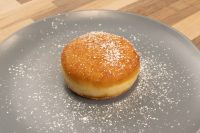
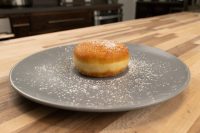
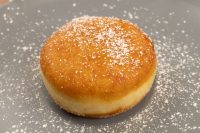
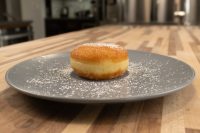
Czech Filled Donuts Koblihy
About 15 donuts
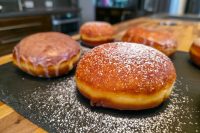
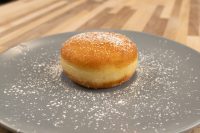
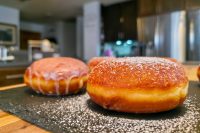
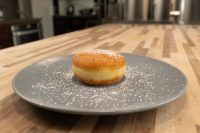
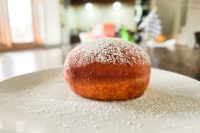
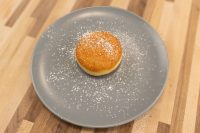
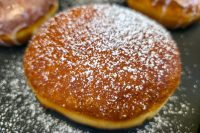
Dive into making Czech Filled Donuts Koblihy, a popular Czech pastry enjoyed year-round. Known for their soft, pillowy dough, these treats are typically filled with fruit preserves, though variations with vanilla or chocolate pastry cream are also enjoyed. Unlike treats reserved for special occasions, these delightful filled donuts are a joy to make and eat anytime. Read More
Dessert Recipes
Before You Start
Let’s talk about important parts of the recipe before you start…
Welcome to My Czech Filled Donuts Koblihy Recipe
I am Tom the Chef, and I am thrilled to share my recipe for Czech Filled Donuts Koblihy. As the founder of Tom the Chef, I love sharing recipes that bring people together, and this popular Czech pastry does just that. These donuts are known for their soft, pillowy dough that practically melts in your mouth. Whether you choose to fill them with a preserve or jelly of your choice, or perhaps a rich pastry cream, the result is always delicious. I have designed this recipe to be approachable, guiding you through the process of making the dough, deep frying, and filling these treats so you can enjoy fresh, homemade donuts right from your kitchen.
Preparing the Yeast Dough Base
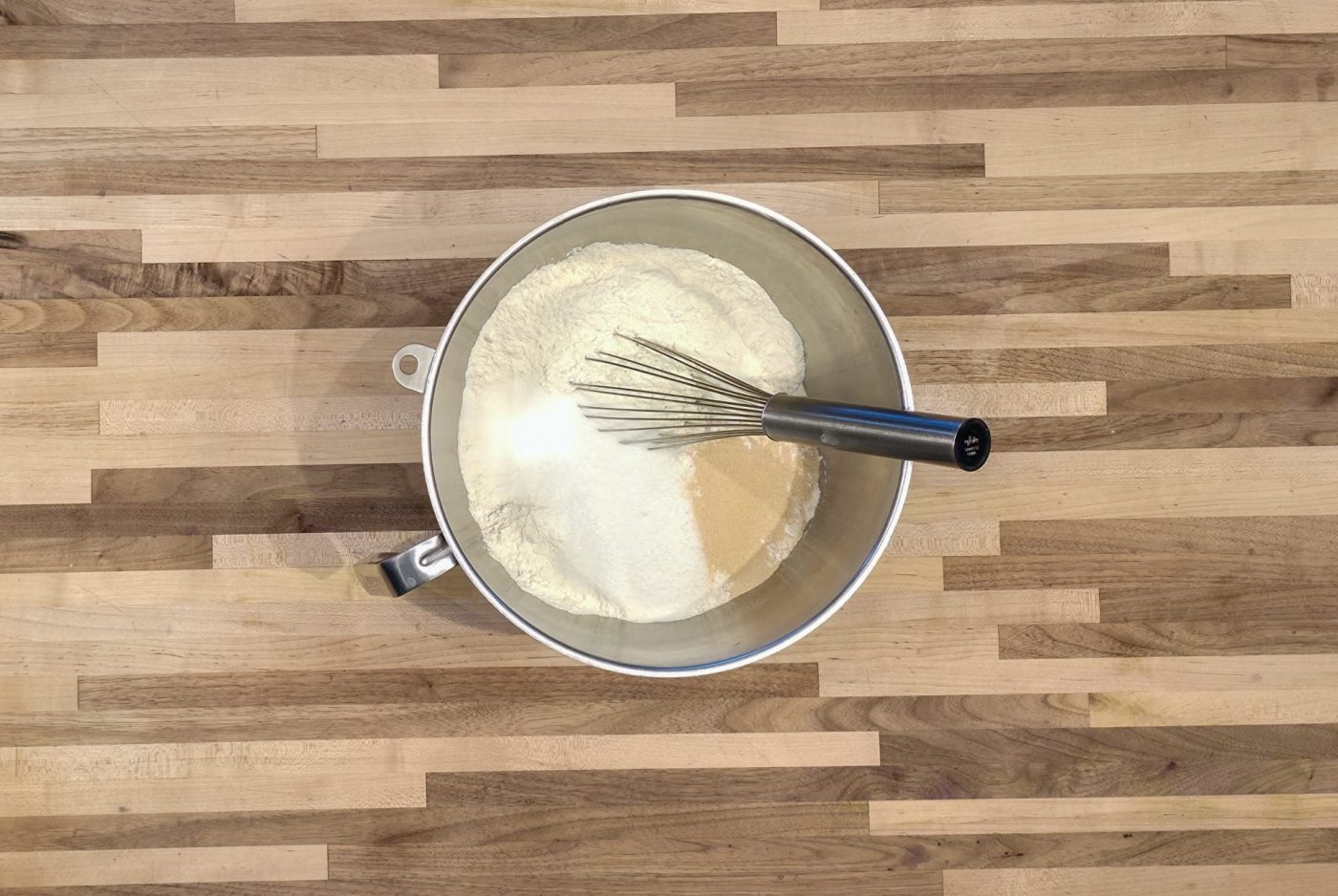
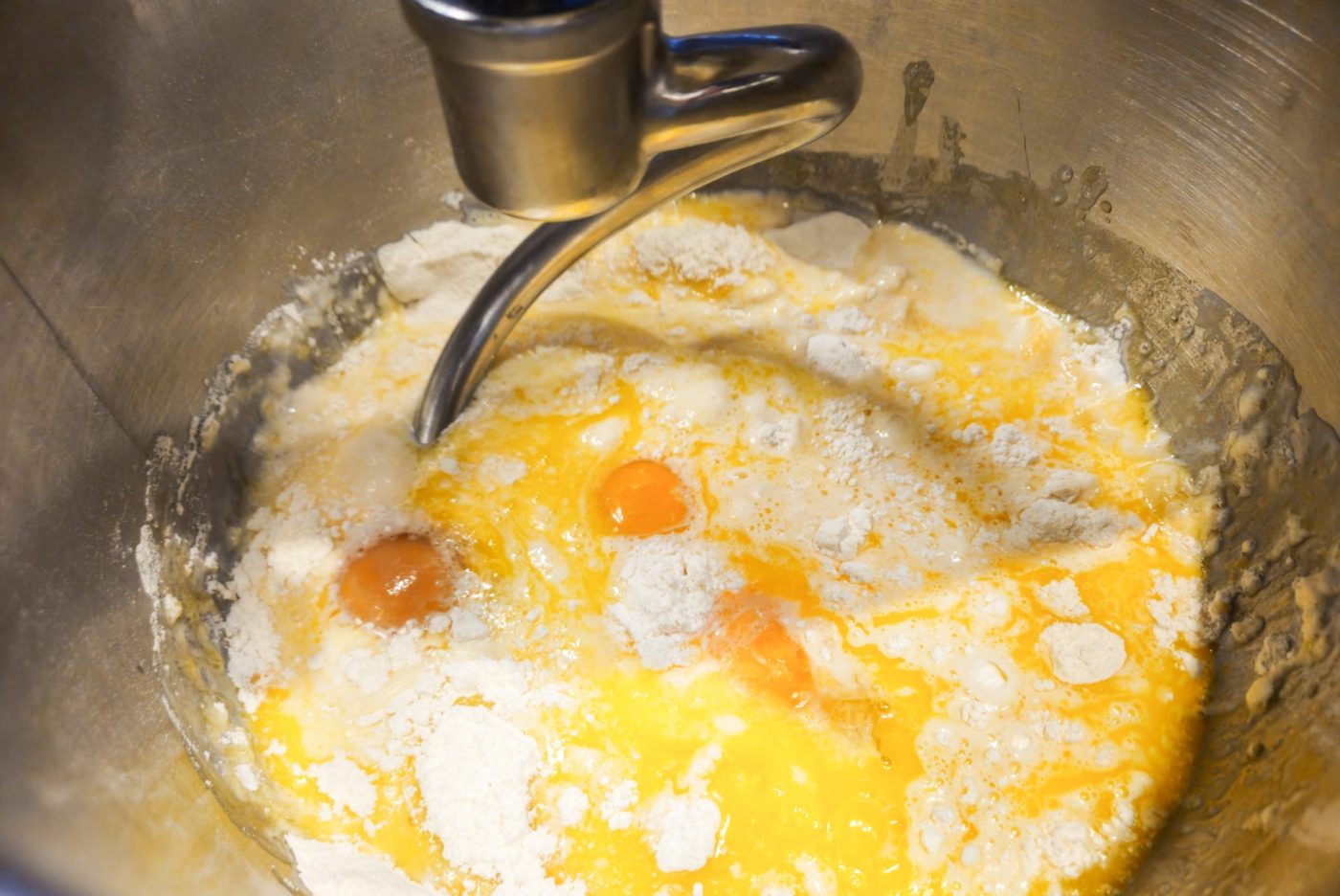
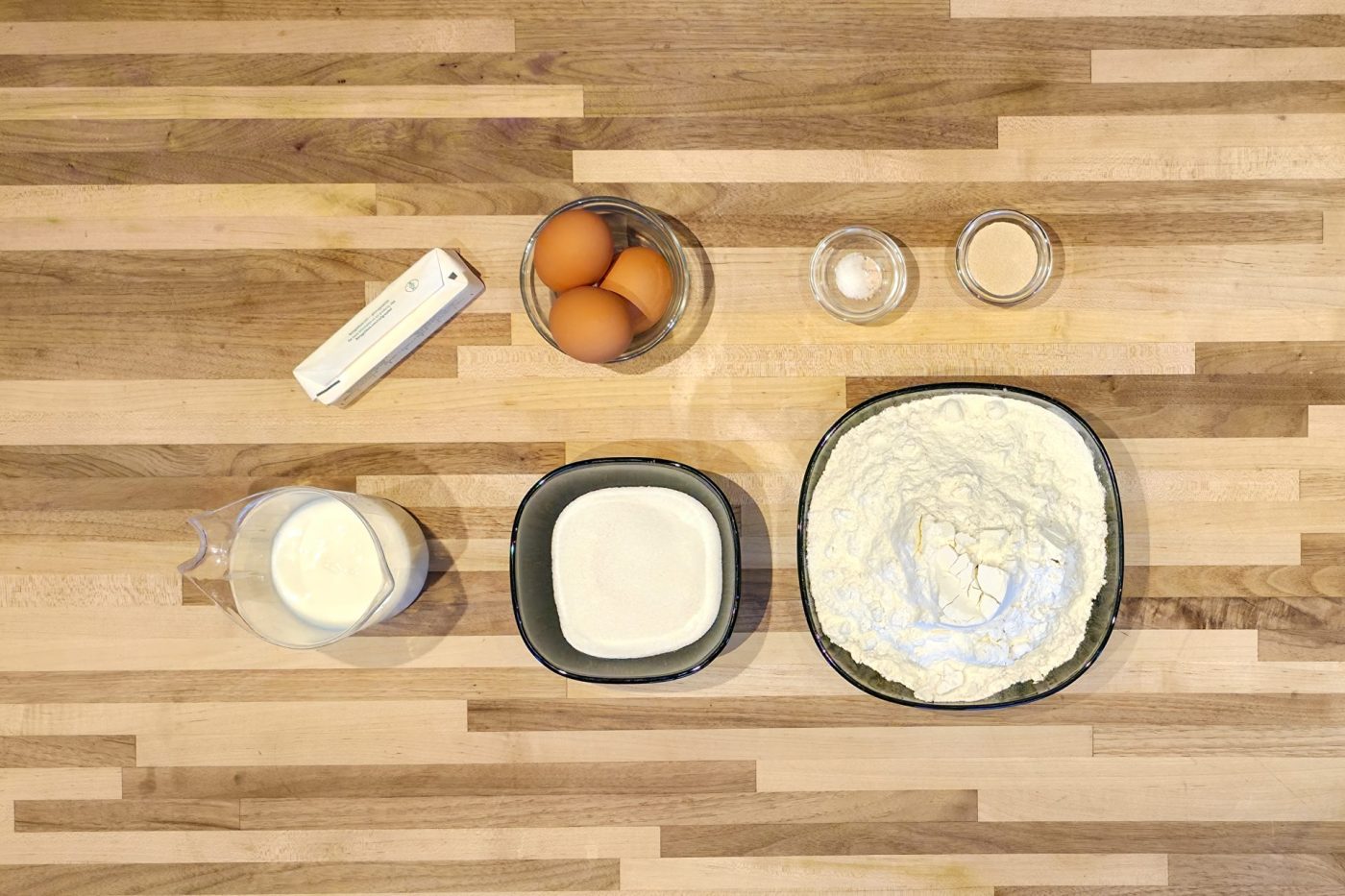
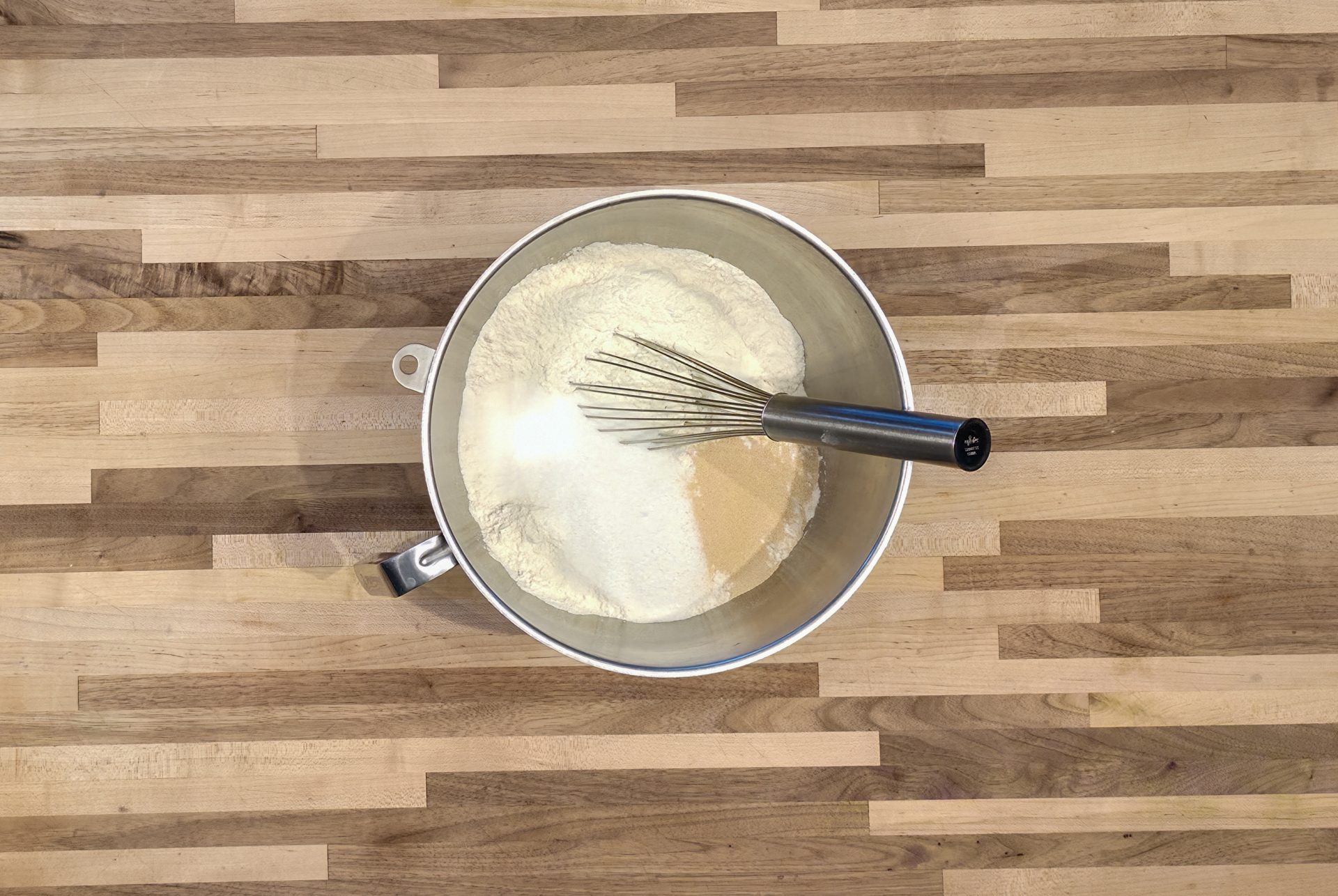
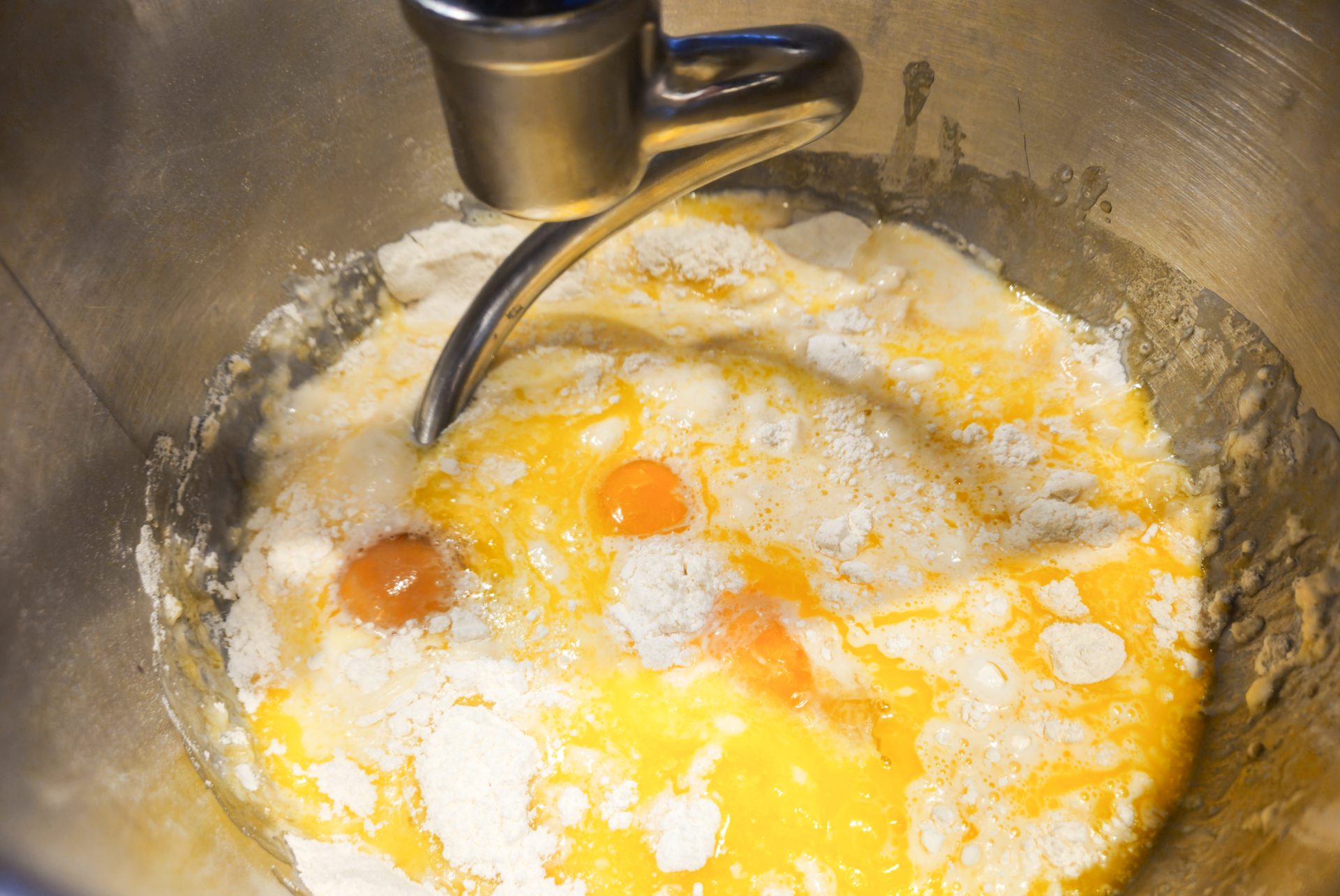
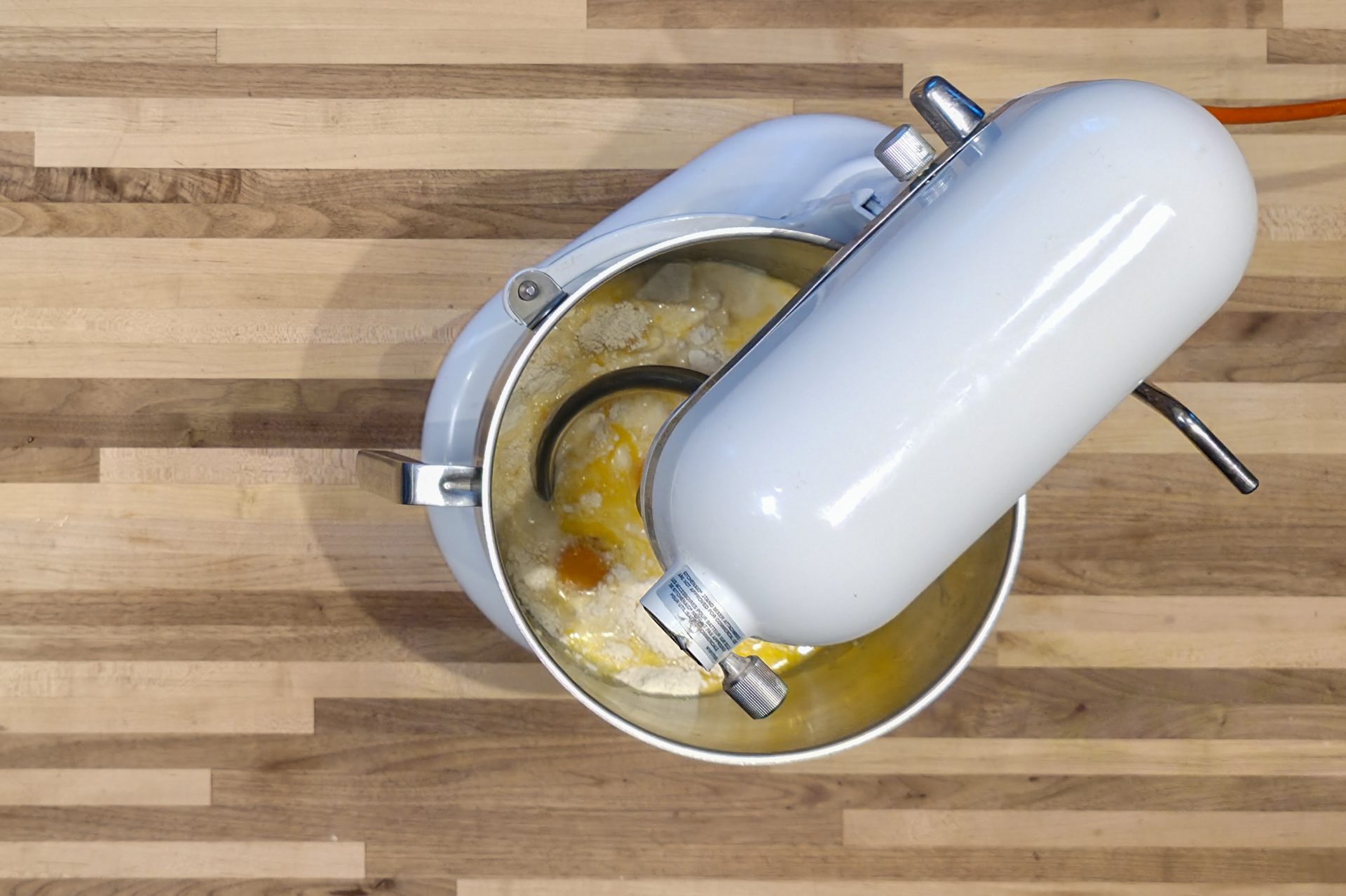
To start my Czech Filled Donuts Koblihy, the foundation is a rich yeast dough. I begin by placing 4 cups of bread flour, ½ cup of granulated sugar, 1 TBSP of active dry yeasts, and a pinch of salt into a kitchen mixer with a hook attachment. It is important to briefly stir with a whisk just enough to combine all ingredients before adding the wet components. I then add 1 cup of lukewarm milk (about 90 to 100°F), 1 stick of melted butter, and 3 eggs. The temperature of the lukewarm milk is crucial; I recommend preheating it in the microwave or on the stove to ensure the active dry yeasts activate properly without being killed by heat. This combination creates the soft, pillowy dough that makes these donuts so special.
Kneading for the Perfect Texture
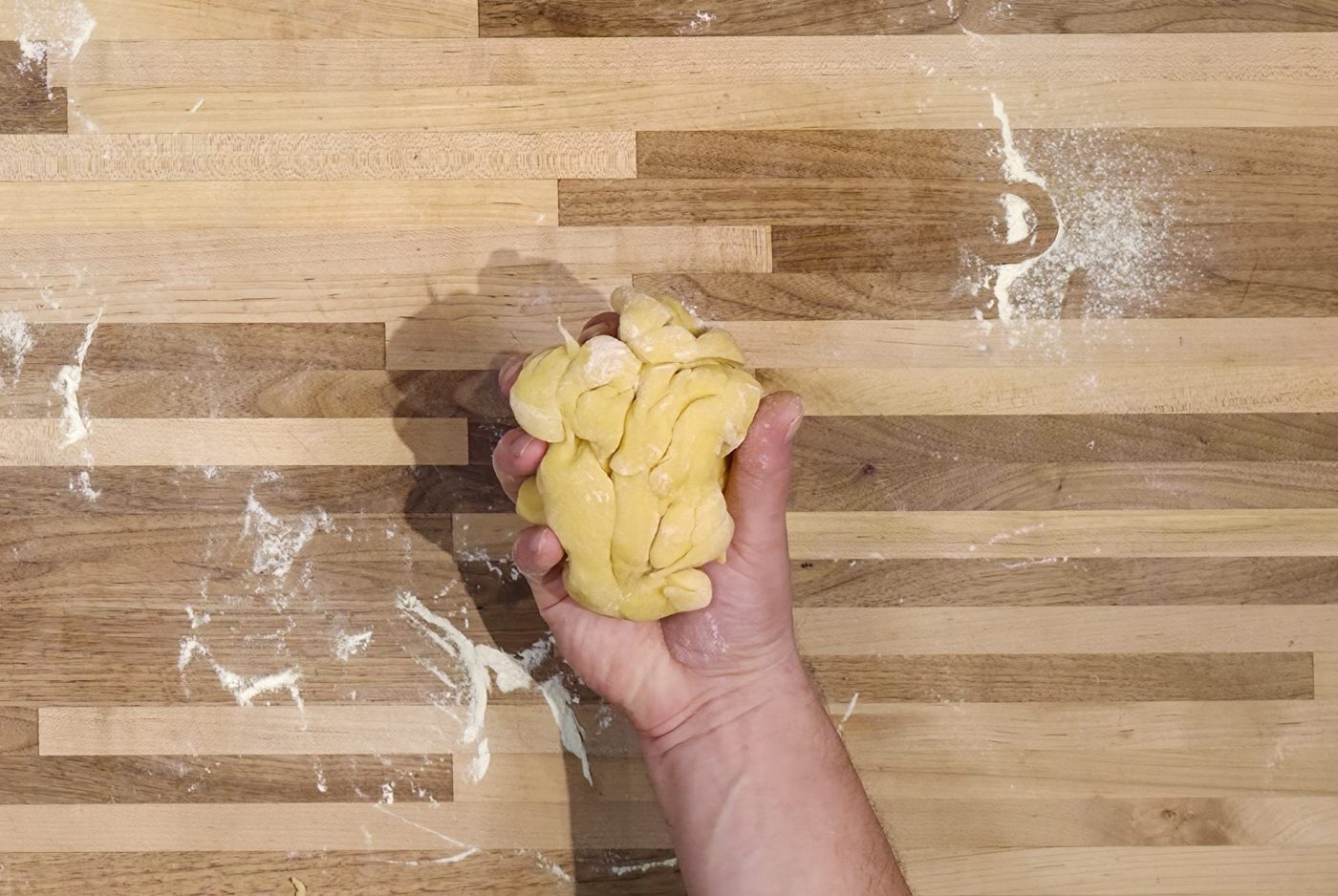
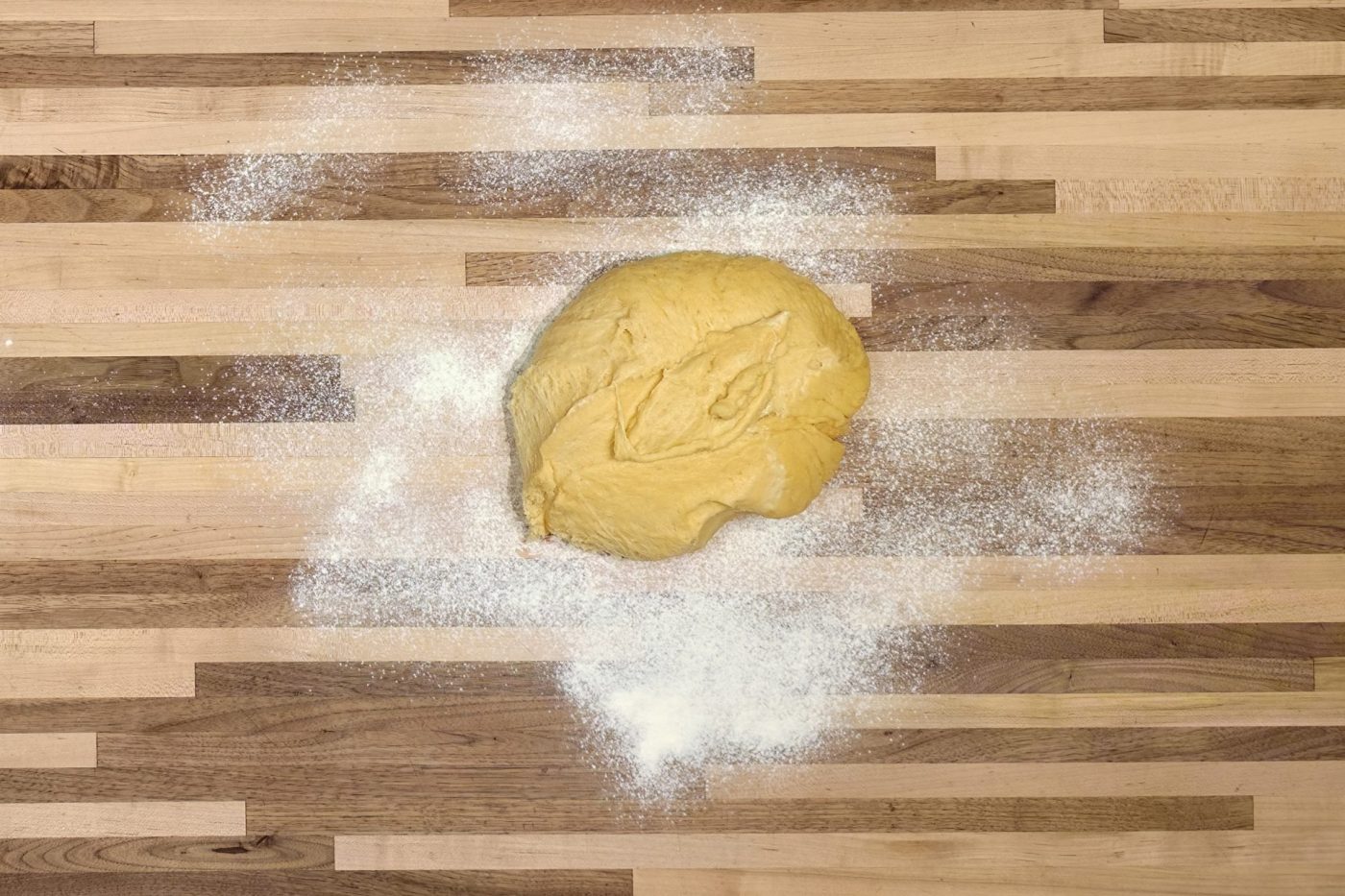
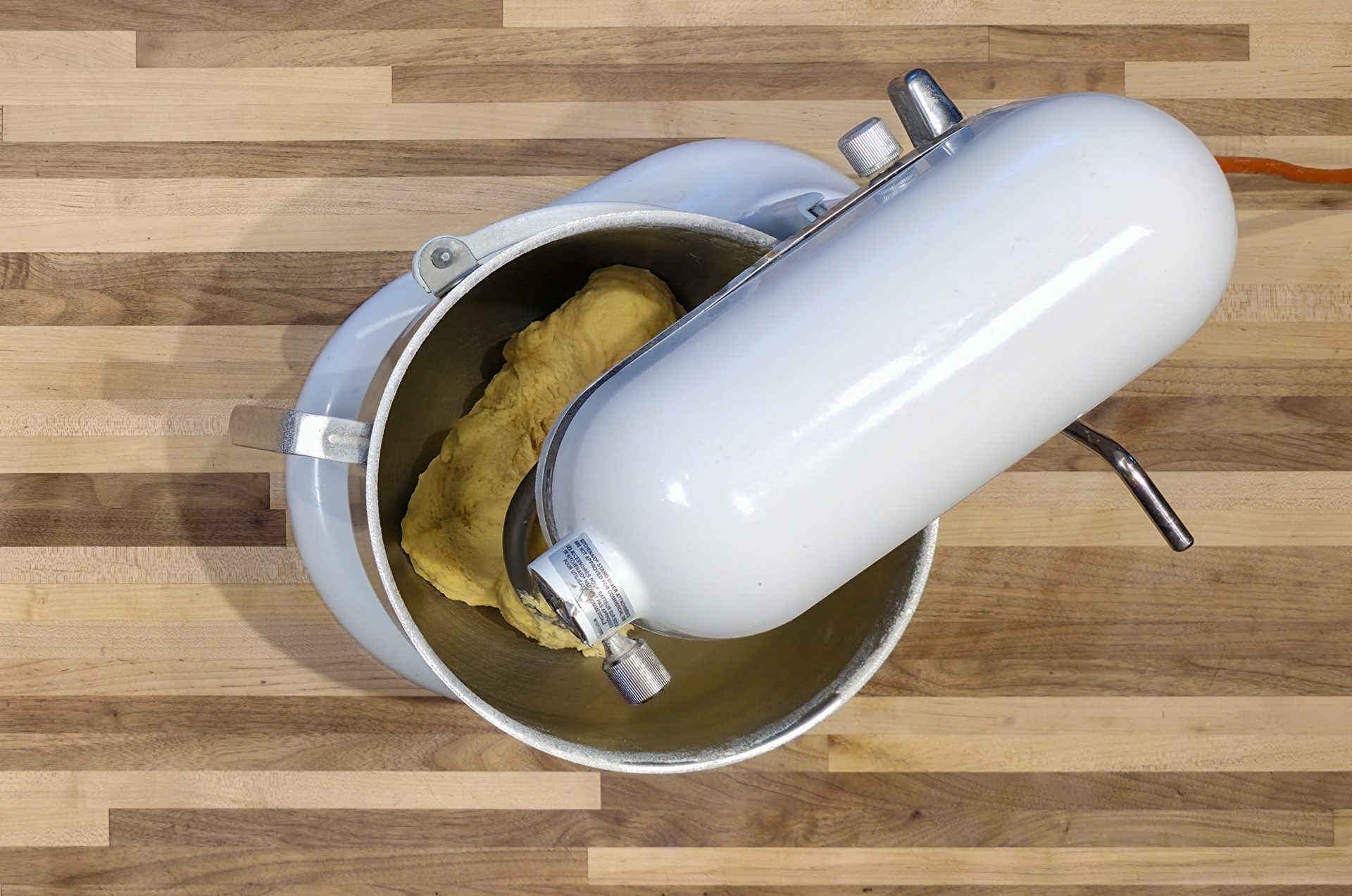
Once the ingredients are in the mixer, I knead on low speed until all ingredients are partially incorporated, which takes about 1 to 2 minutes. Then, I increase the speed to medium-high and knead until a sticky dough is formed. This usually takes about 3 to 4 minutes. Achieving the right consistency is key for this popular Czech pastry. The dough should come together but remain slightly sticky, which ensures the final product is light and airy. If you find the dough is generally too sticky during the shaping phase later, I suggest incorporating some extra flour into the dough using the mixer or your hands.
Rising and Shaping the Donuts
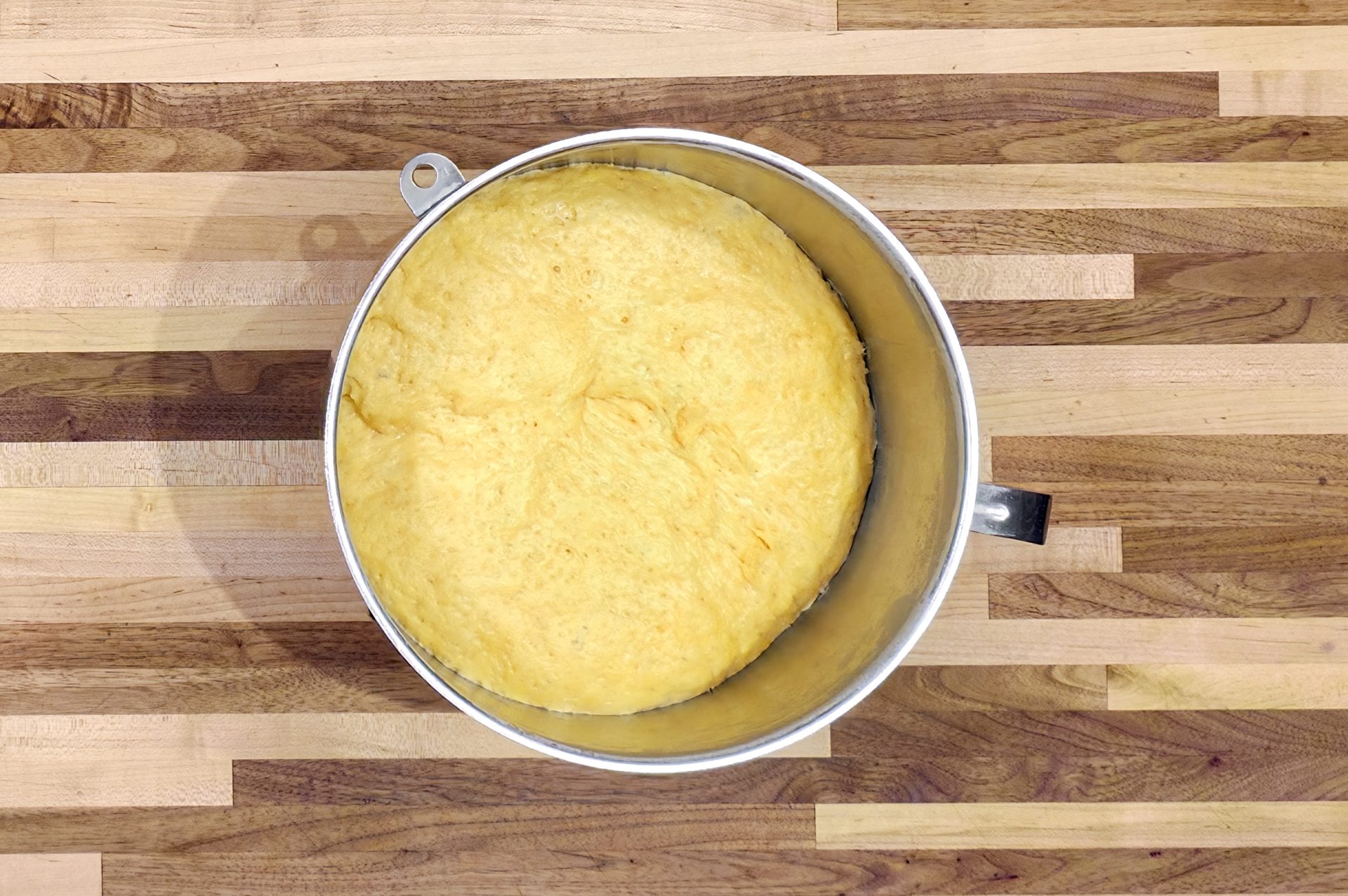
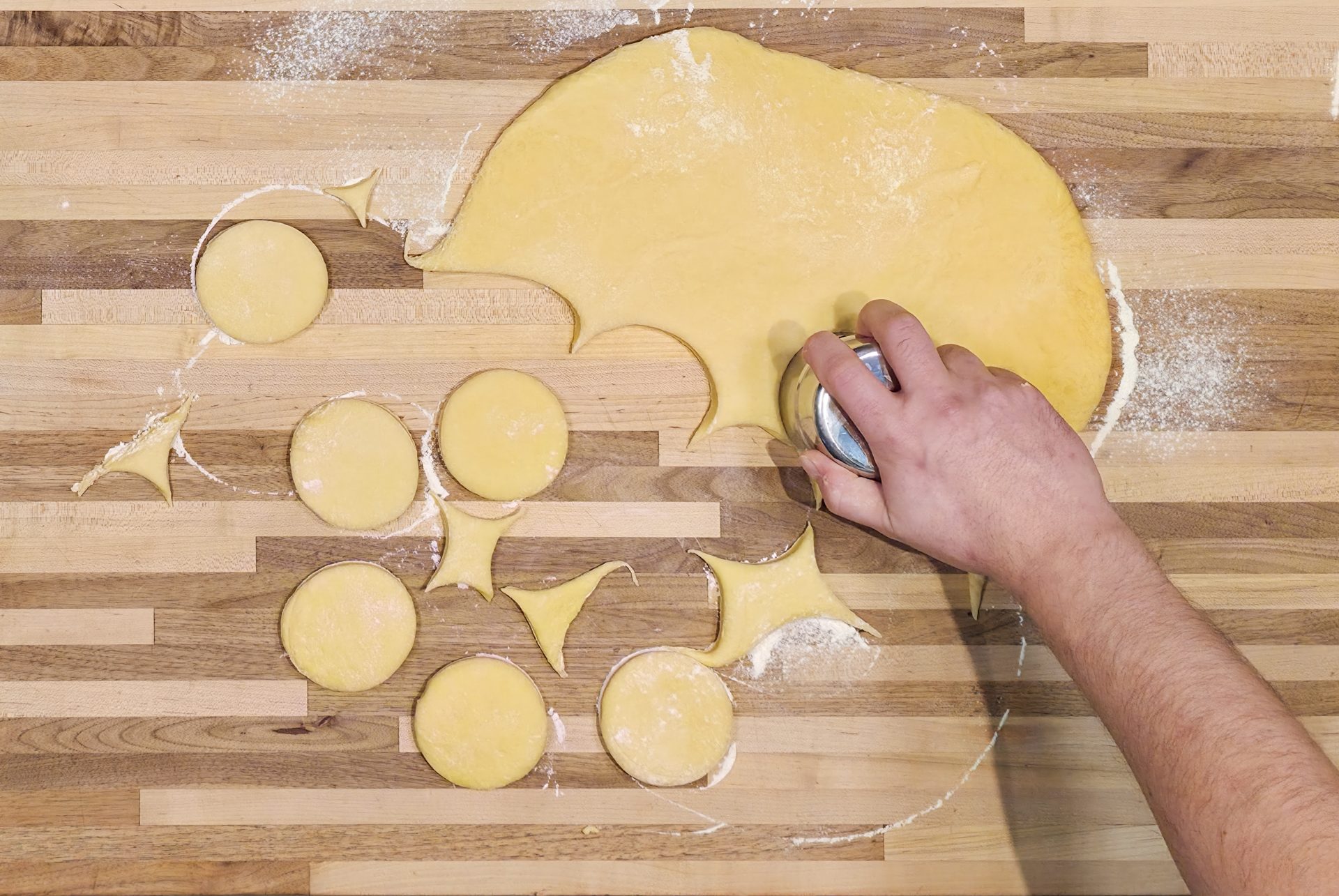
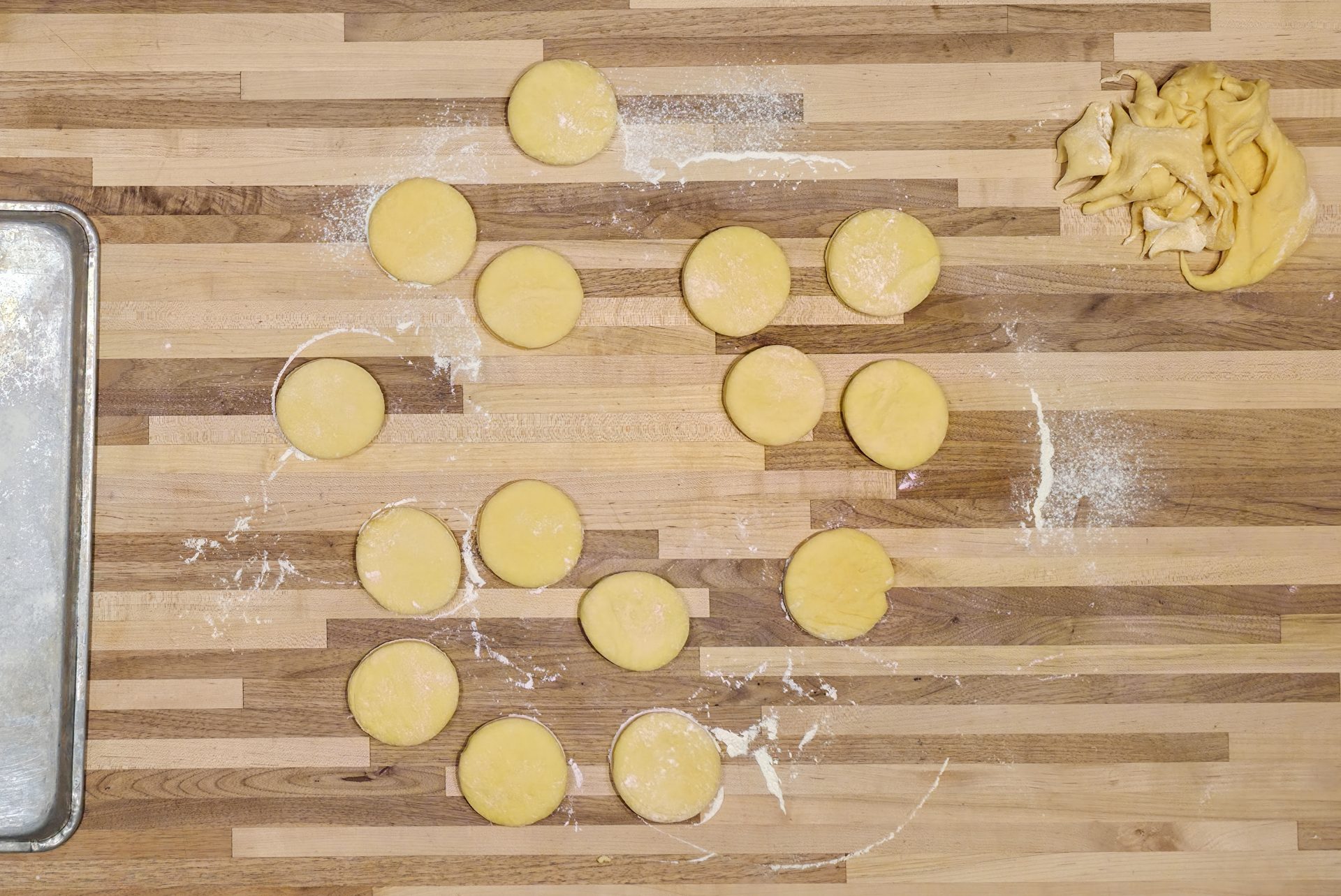
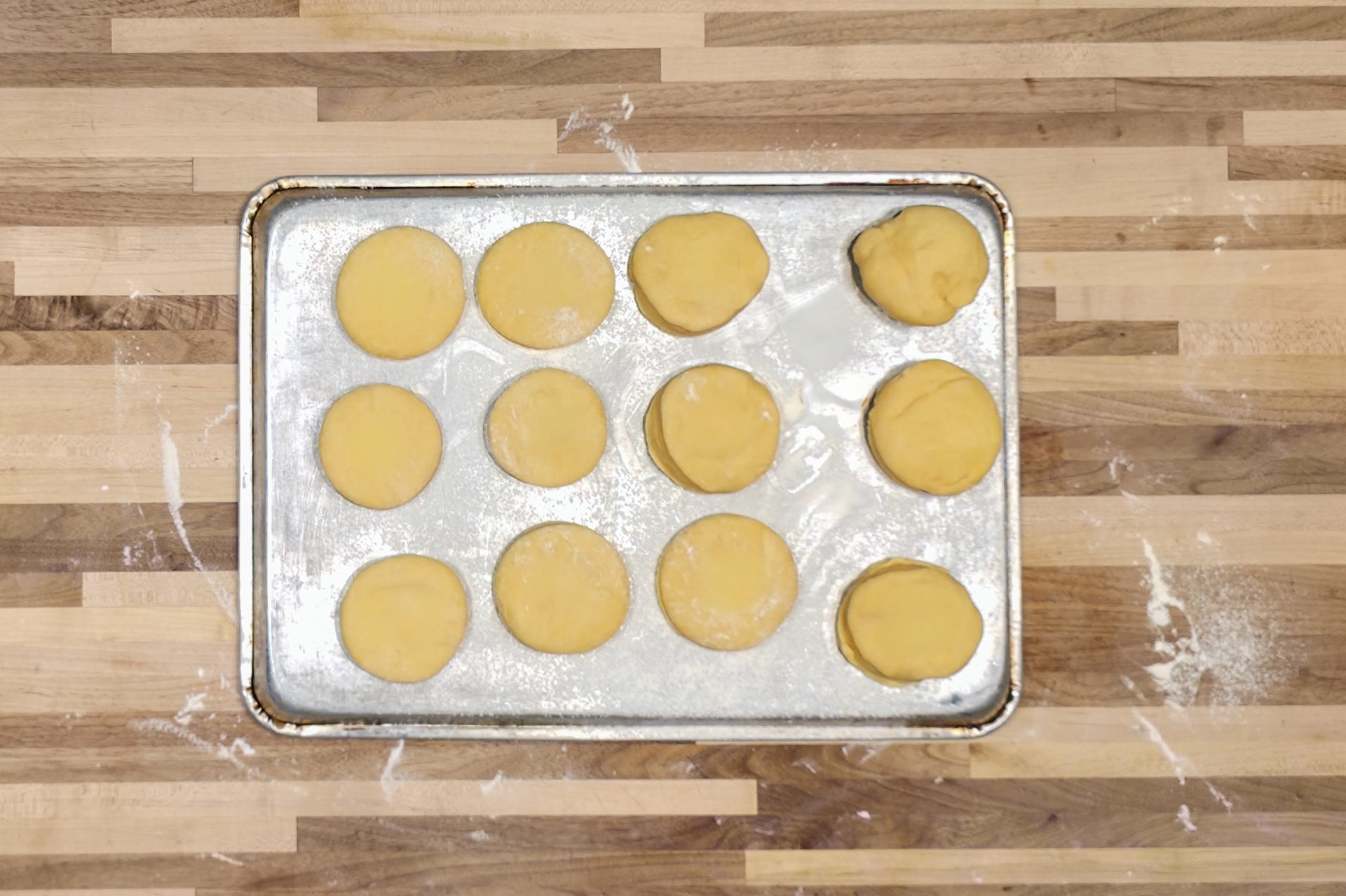
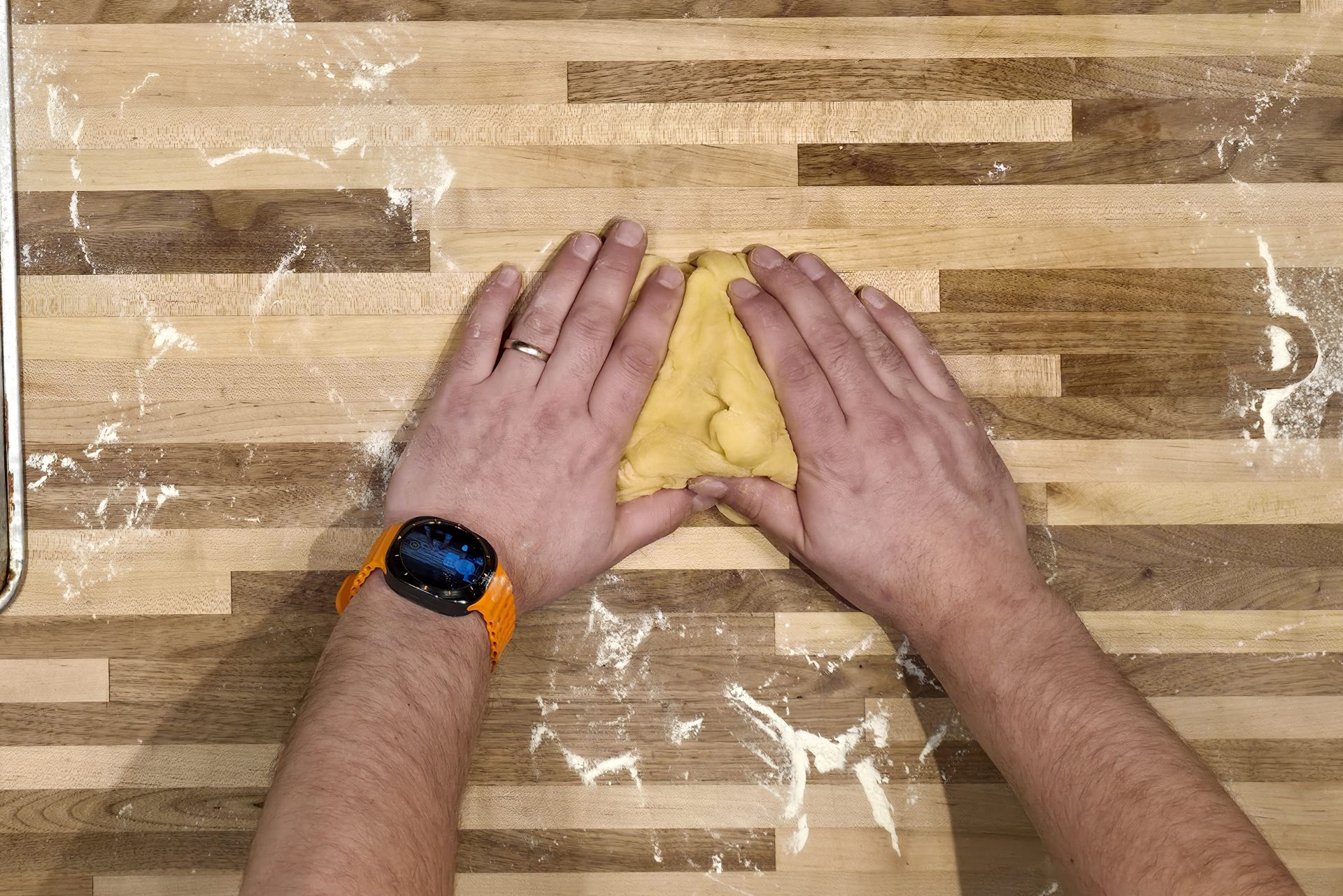
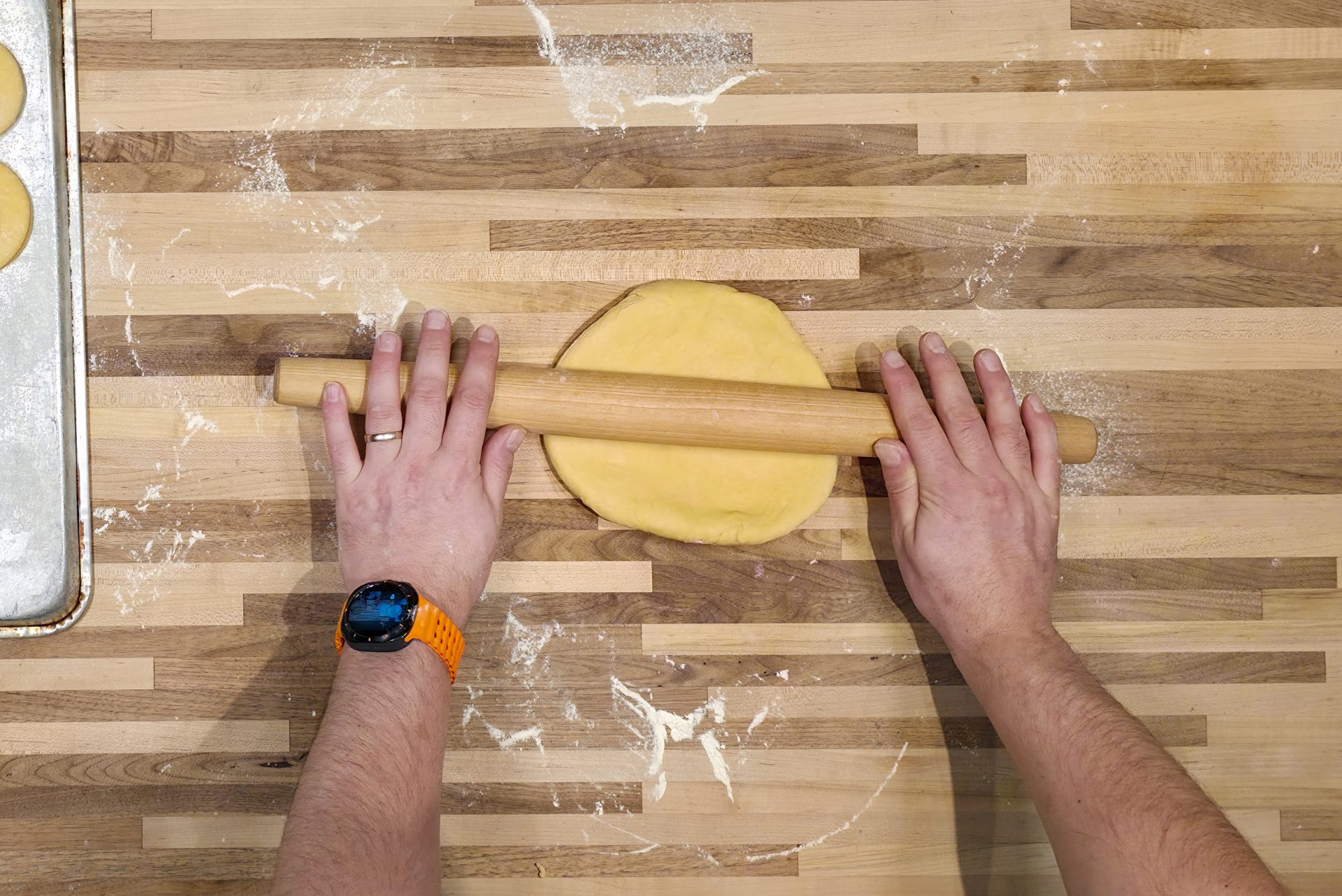
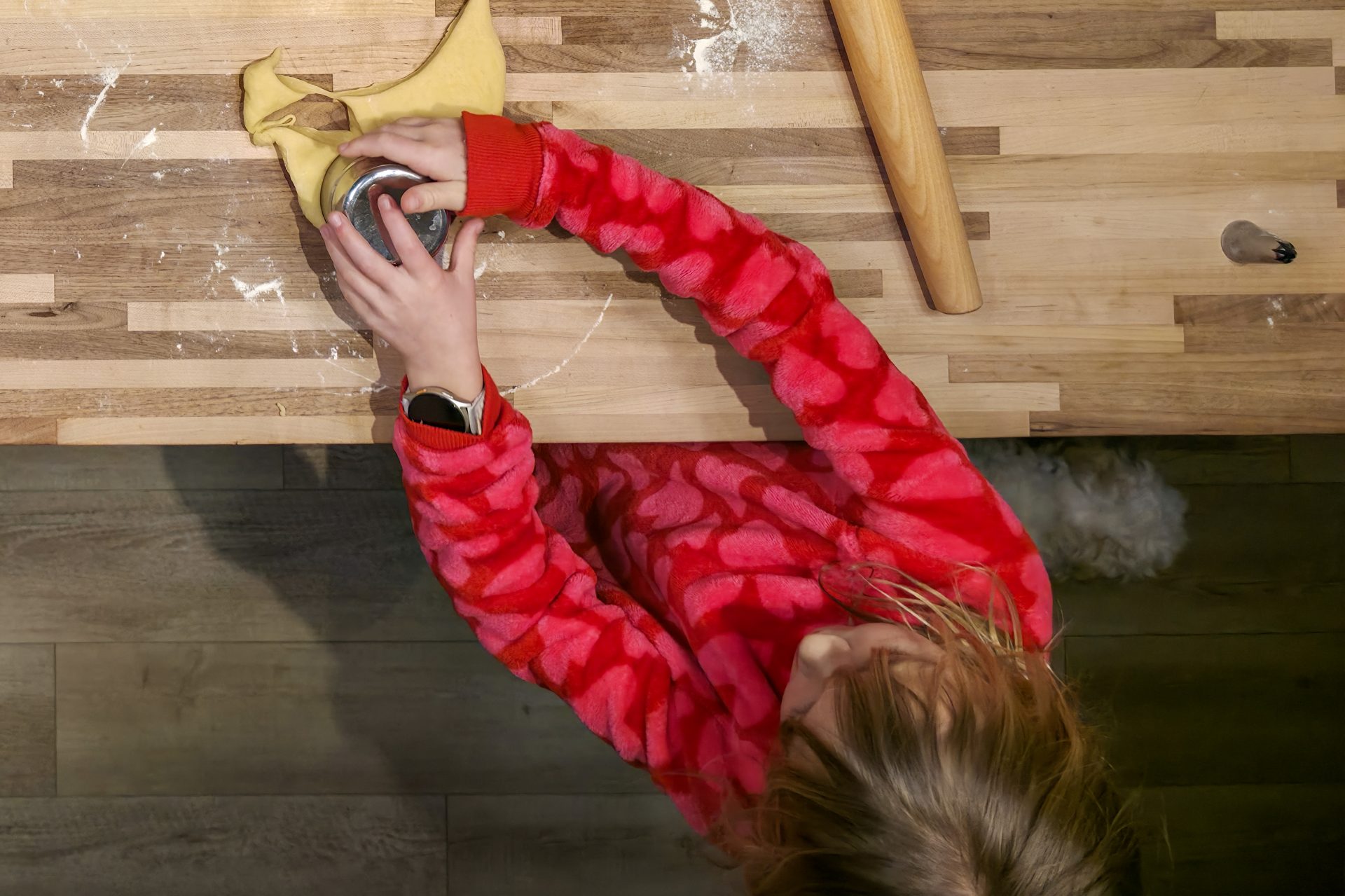
After kneading, I remove the bowl from the mixer and cover it with a plate or plastic wrap. I let it rise in a warm place until it has at least doubled in size, which takes about 2 to 3 hours. When ready to shape, I work on a lightly floured surface. I flatten the dough to about ½” thickness using a rolling pin. If the dough sticks to the rolling pin, I consider gently flouring the top. I then cut each donut using a 3” round cookie cutter. A distinctive feature of Czech Filled Donuts Koblihy is that they do not have a donut hole. I place them on a lightly floured baking sheet and repeat with the remaining dough, reforming scraps to minimize waste.
Proofing and Deep Frying Safety
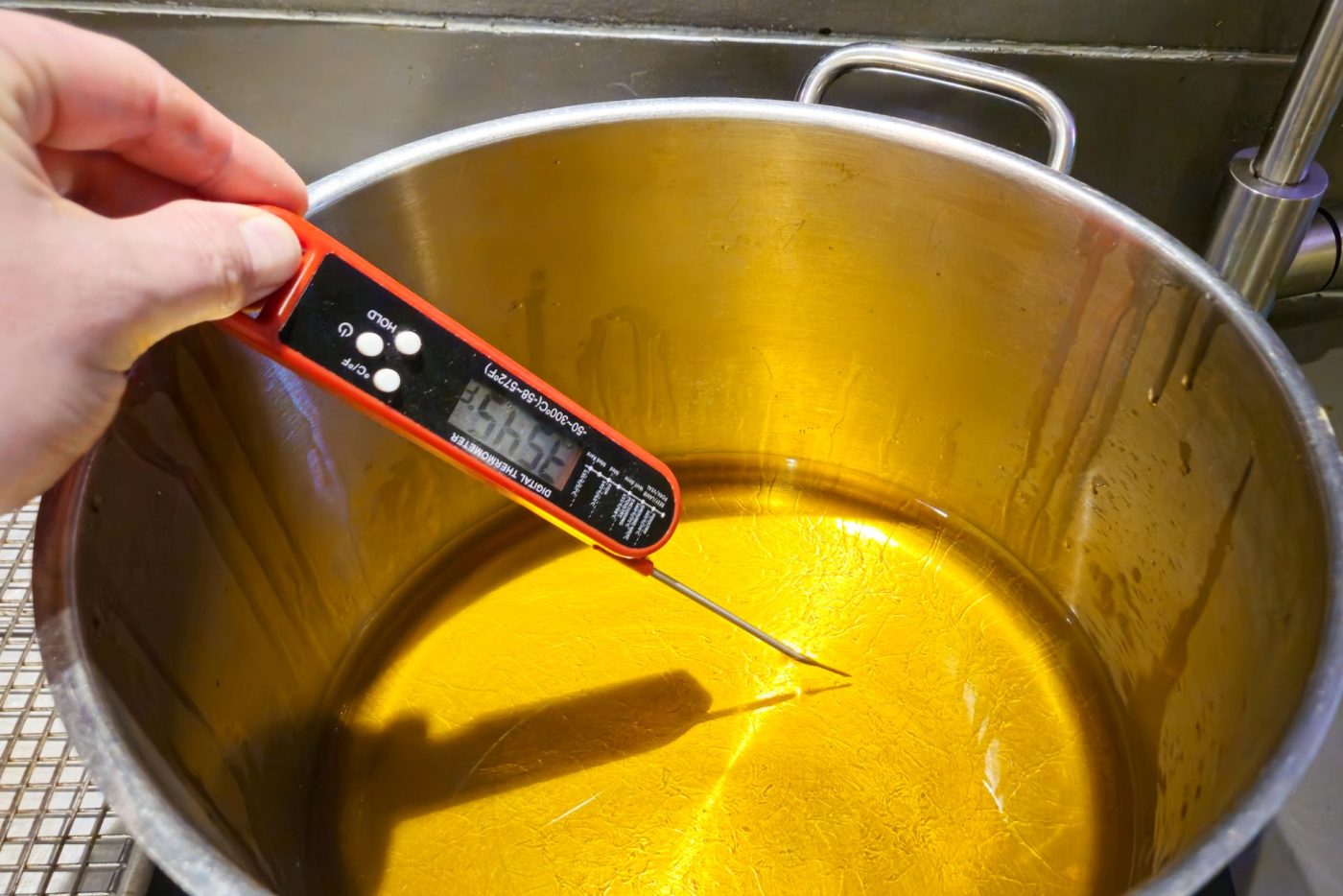
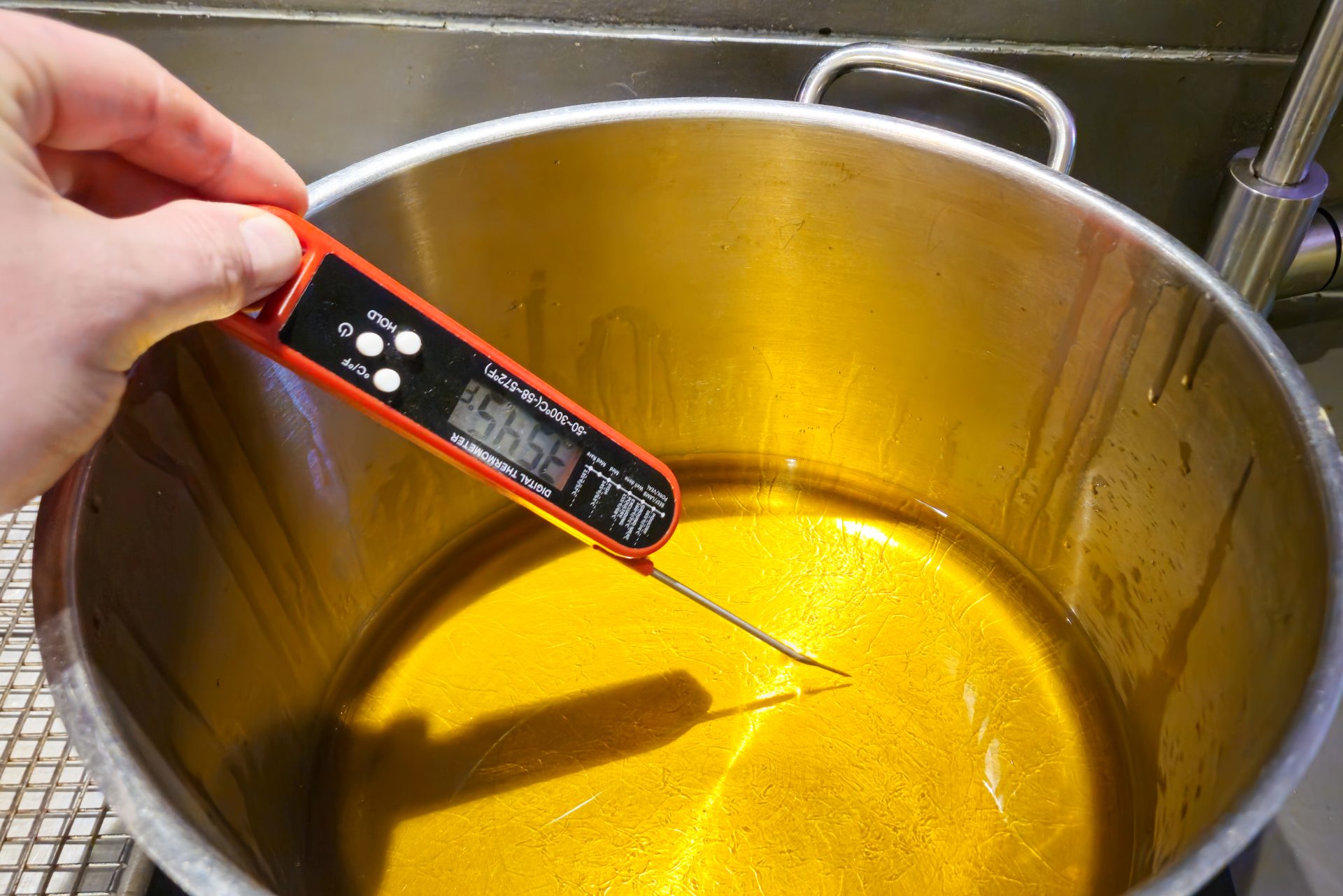
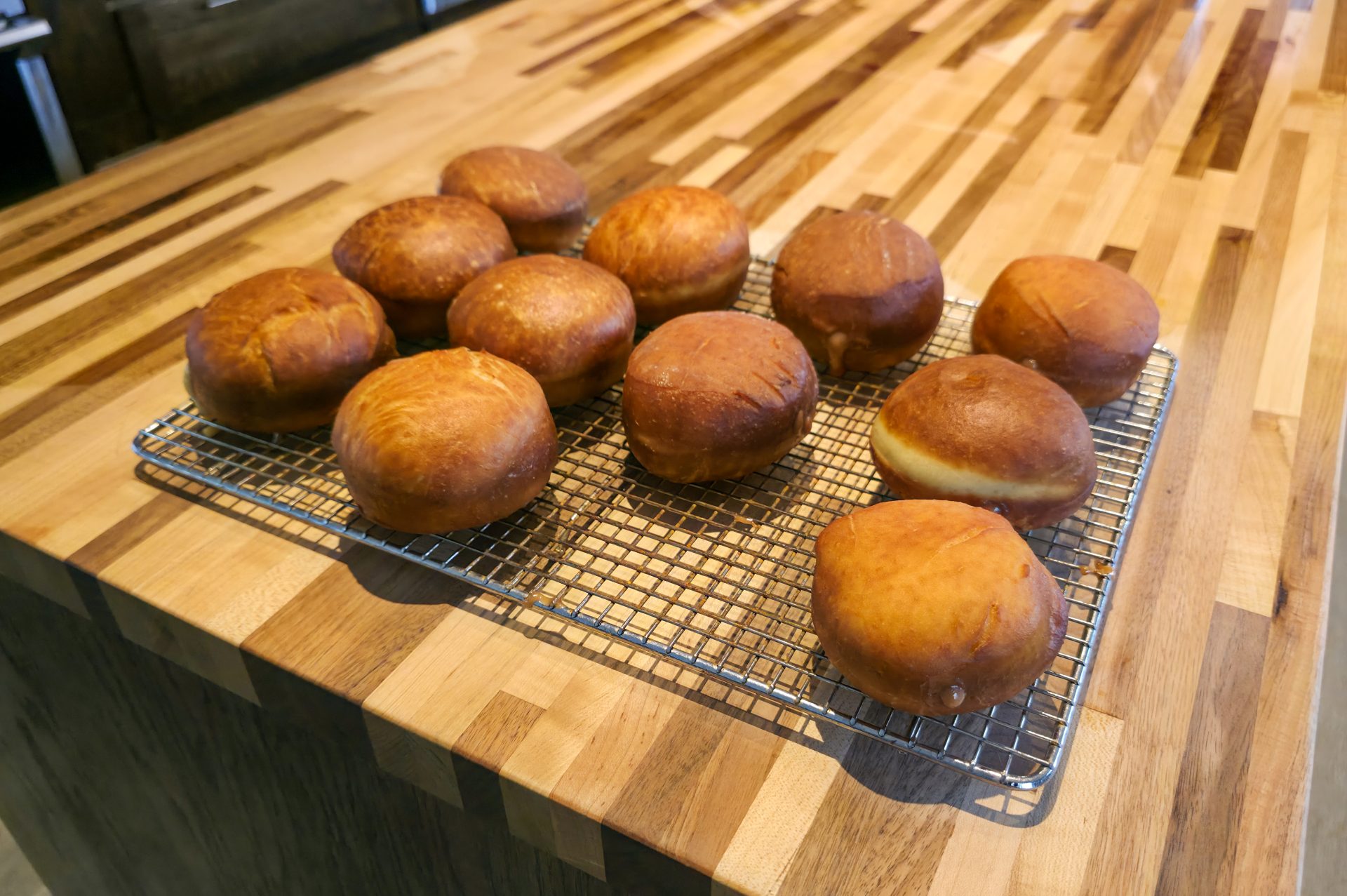
I let the donuts proof in a warm place for about 30 minutes or at room temperature for about 45 minutes before deep frying. While they proof, I set my oil to preheat to 320°F. I cannot stress enough how important it is to carefully monitor the oil temperature. If the oil reaches a higher temperature, usually over 400°F, it becomes flammable. I fry donuts in batches based on the size of the deep fryer or pot. I place each donut carefully into the preheated hot oil by hand, or use a slotted turner if that is too complicated. I fry until a nice color is reached, about 2 to 3 minutes per side. This process ensures the sweet bread cooks through while moisture is trapped inside.
Filling with the Bismarck Pastry Tip
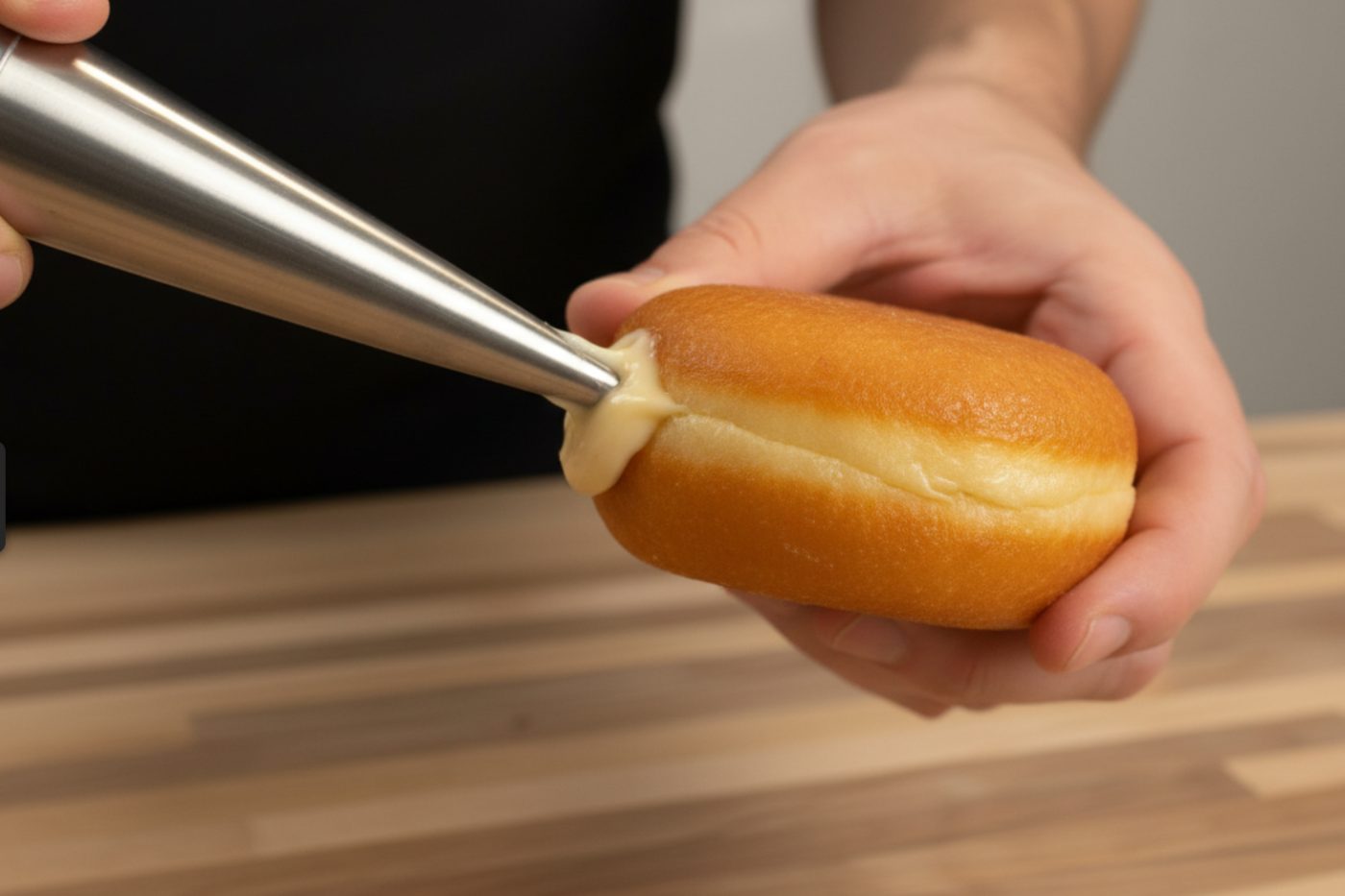
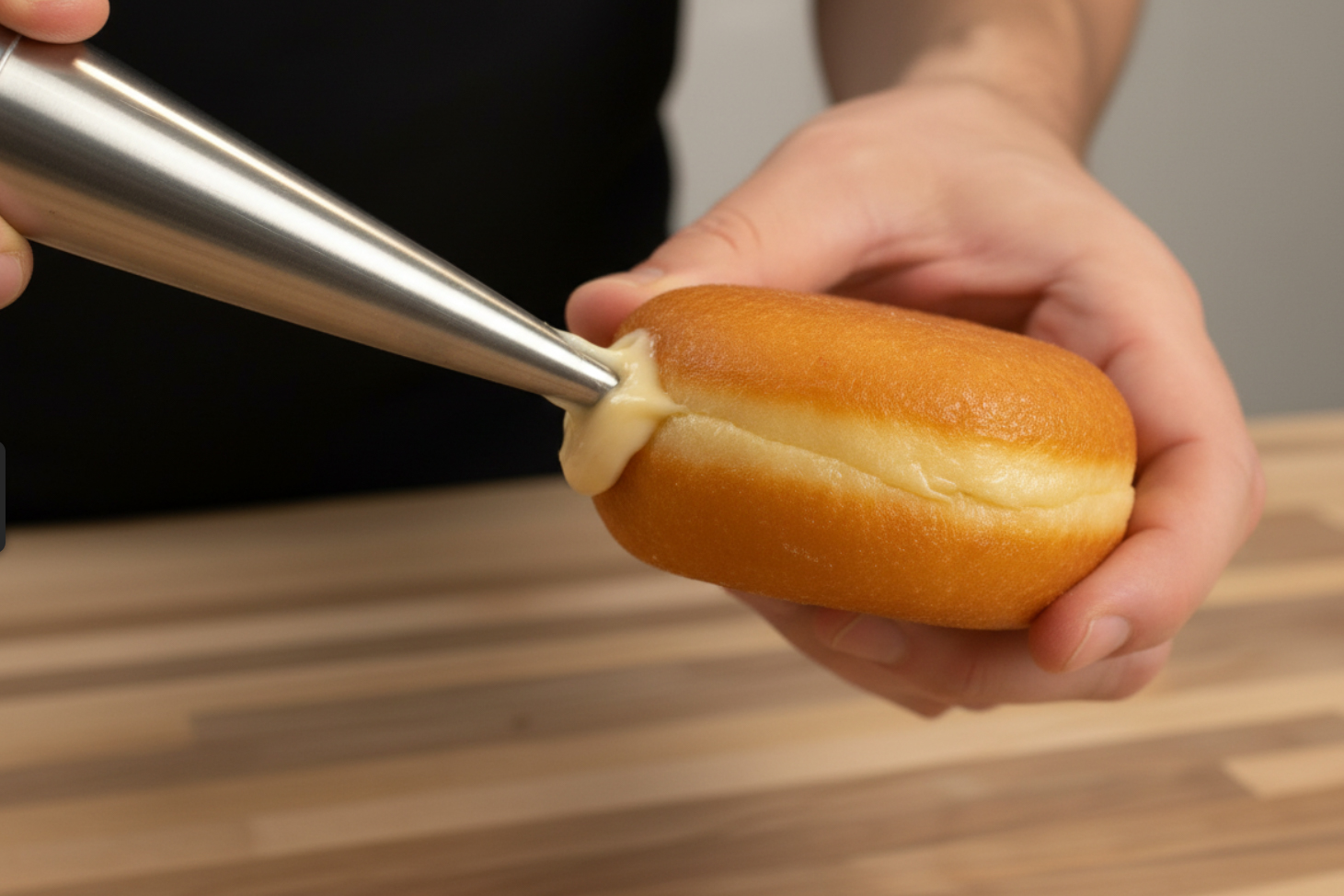
The filling step is where these donuts truly become Czech Filled Donuts Koblihy. While the donuts are proofing, I prepare the filling, which can be 1 ½ cups of preserve or jelly of your choice, or Vanilla or Chocolate Pastry Cream. I fill a pastry bag fitted with a Bismarck tip, which is a long tip designed for filling. It is important to fill the donuts while they are still warm. I insert the pastry tip into the side of the donut, aiming for approximately the middle, and then pipe in a portion of the filling. This technique ensures every bite of the soft, pillowy dough contains a burst of delicious flavor.
Optional Glazing for Extra Sweetness
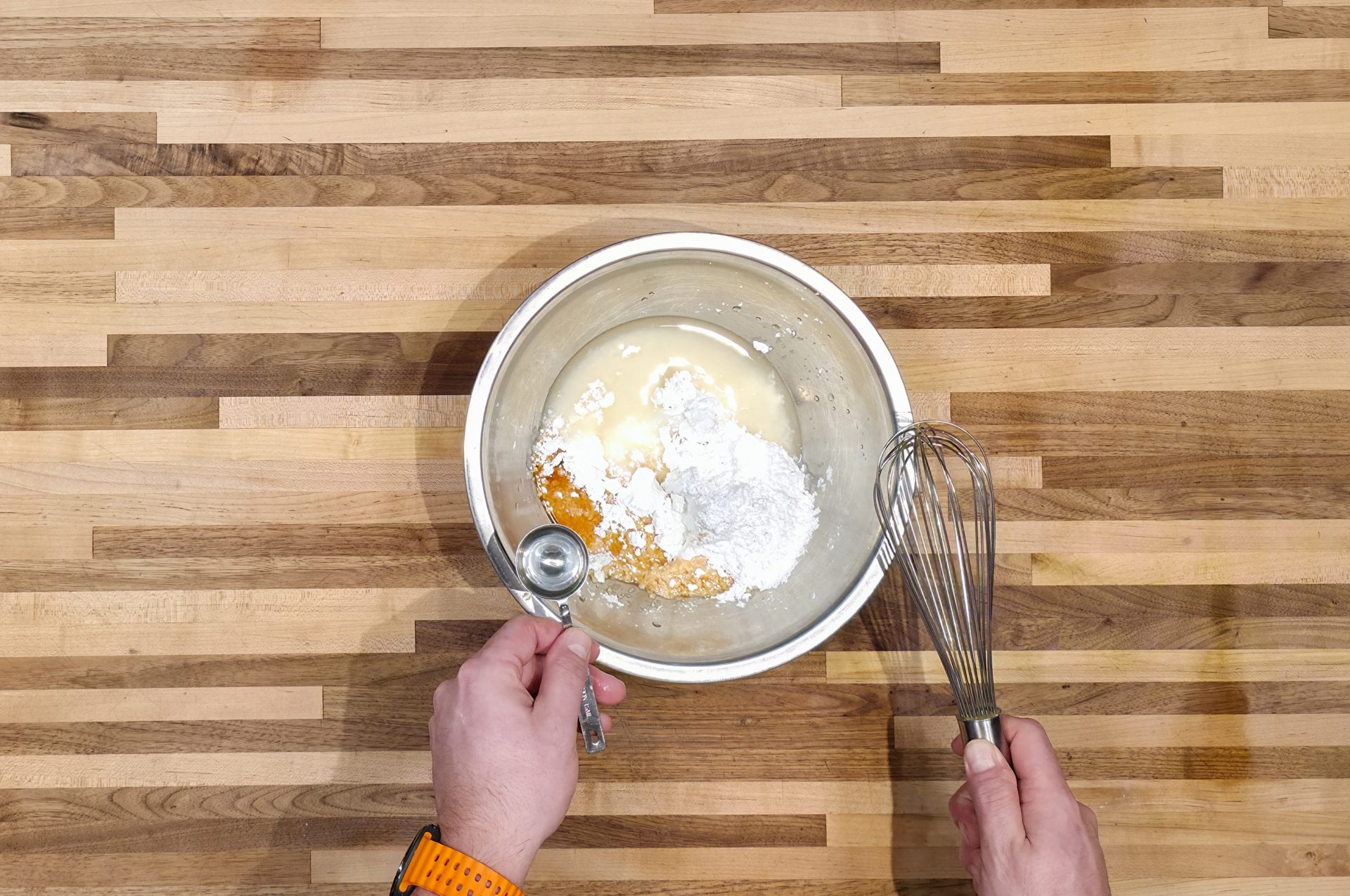
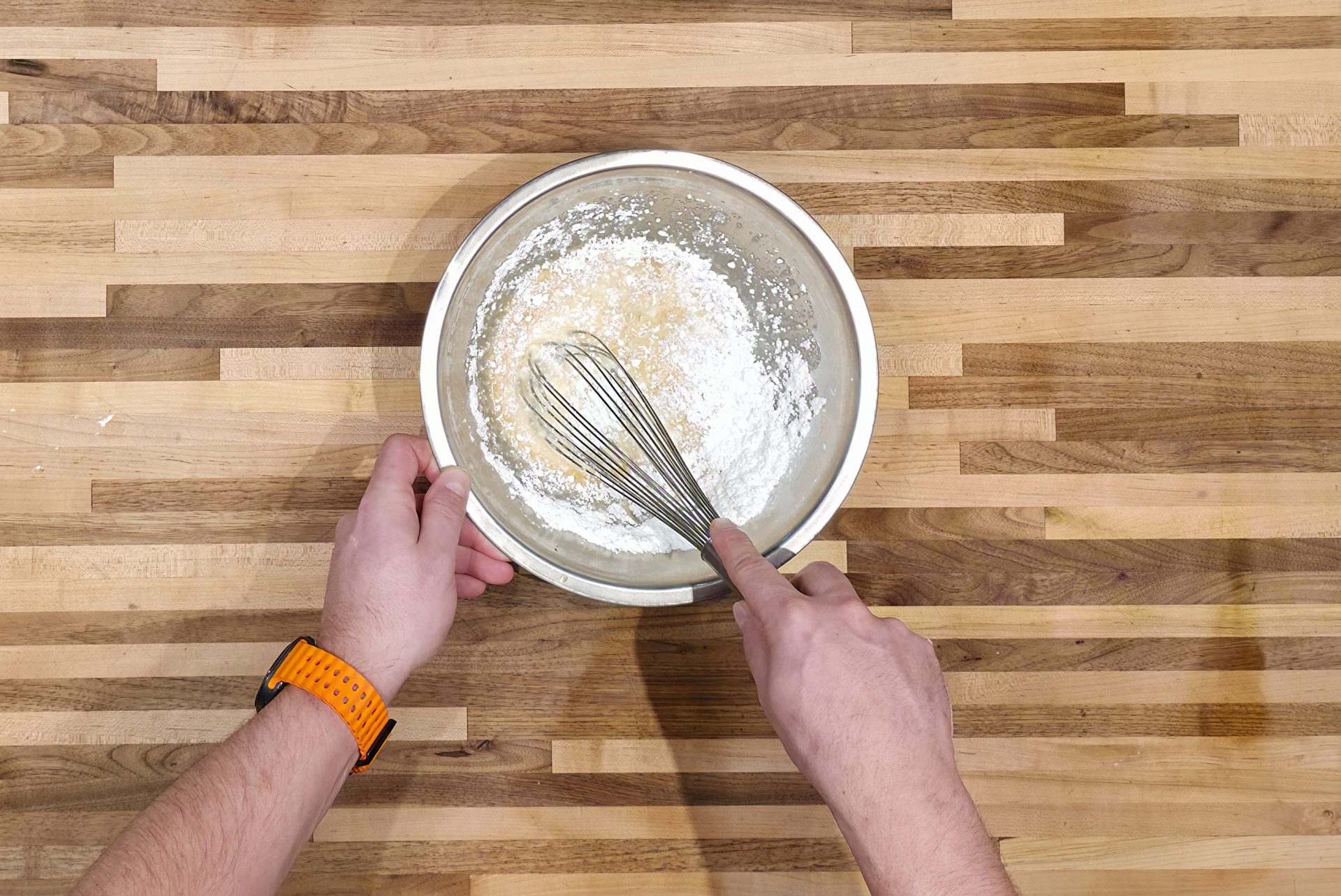
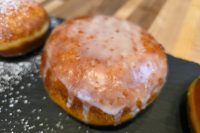
For an extra touch, I sometimes prepare an optional glaze using 2 cups of confectioners’ sugar, 3 to 5 TBSP of water, and 2 TBSP of vanilla extract. I thoroughly stir these together with a whisk. If I want a thick glaze, I use 3 to 4 TBSP of water; for a fine glaze, I use 4 to 5 TBSP. I dip each warm donut into the glaze, let it sit for a few seconds, and then slowly take it out to let the excess drip off. I place them on a baking sheet to let the glaze harden at room temperature for about 10 to 15 minutes. This adds a lovely finish to the delicious filled donuts.
Czech Filled Donuts Koblihy
Ingredients:
Click any ingredient to learn moreDough:
4 cups of bread flour
Extra flour for flouring surface (for flouring)
½ cup of granulated sugar
1 TBSP of active dry yeasts
1 Pinch of salt
1 cup of lukewarm milk (about 90 to 100°F) (about 90 to 100°F (preheat in the microwave or on the stove))
1 stick of butter - melted (¼ LB *)
3 PCS of eggs
Filling:
1 ½ cups of preserve or jelly of your choice (adjust if needed)
1 ½ cup of Vanilla Pastry Cream for Filling Pastry (store-bought or recipe here)
1 ½ cup of Chocolate Pastry Cream for Filling Pastry (store-bought or recipe here)
Optional Glaze:
2 cups of confectioners’ sugar
3 - 5 TBSP of water (adjust if needed, 3 - 4 TBSP for thick glaze or 4 – 5 for fine glaze)
2 TBSP of vanilla extract
Optionally: gel food coloring of your choice ((follow the package’s instructions))
* Cut butter into small pieces before melting and place into a measuring pitcher (or small microwavable mixing bowl). Then, microwave briefly with a few seconds break between – to prevent little “explosions.” Optionally, melt the butter over low heat with occasional whisking.
Tools:
Click any tool to learn more1x Whisks
1x Plastic Wrap (or plate)
1x Rolling Pin
2x Baking Sheet
1x Mixing Bowls
1x Pastry Bag with Pastry tips (with Bismarck pastry tip (long tip for filling))
Nutrition per 1 Serving:(recipe split into 15 servings)
EstimatedCalories 389
Protein 6.2 g
Fat 8.2 g
Saturated fat 4.6 g
Carbohydrate 72.8 g
Sugars 44.1 g
Fiber 1.2 g
Sodium 88 mg
Cholesterol 55 mg
Estimated. Worked out from the ingredients above using the United States Department of Agriculture’s FoodData Central reference data. An estimate, not a measurement — brands, sizes and how much of a marinade actually ends up on the plate all move it.
Directions:
1.Dough:
Let’s start preparing the Czech filled donuts Koblihy with the dough preparation.
1.1.
1.2.
2.Raising the Dough:
2.1.
Remove the bowl from the mixer and cover with plate or plastic wrap.
3.Shaping:
Note:
Work on a lightly floured surface
3.1.
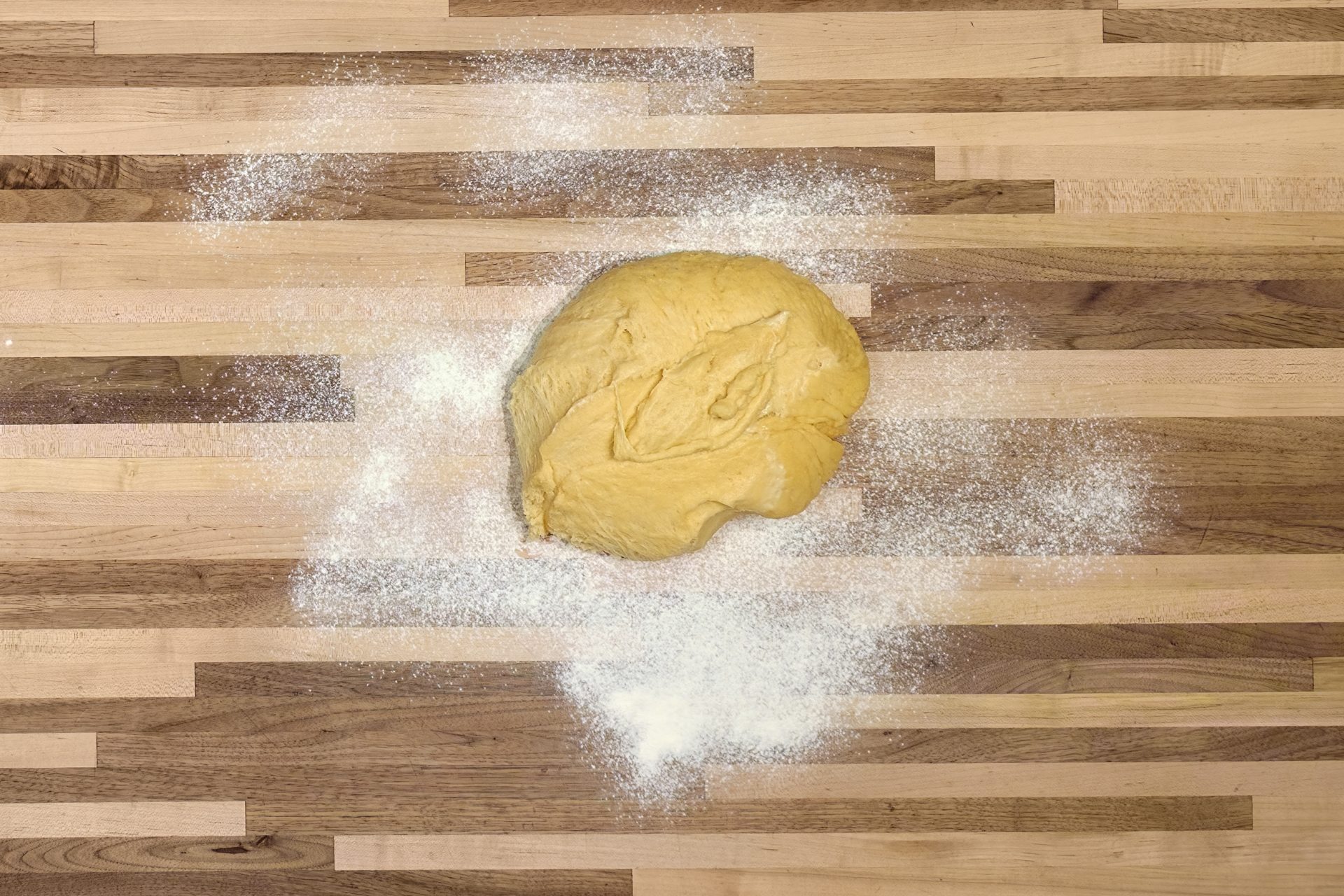
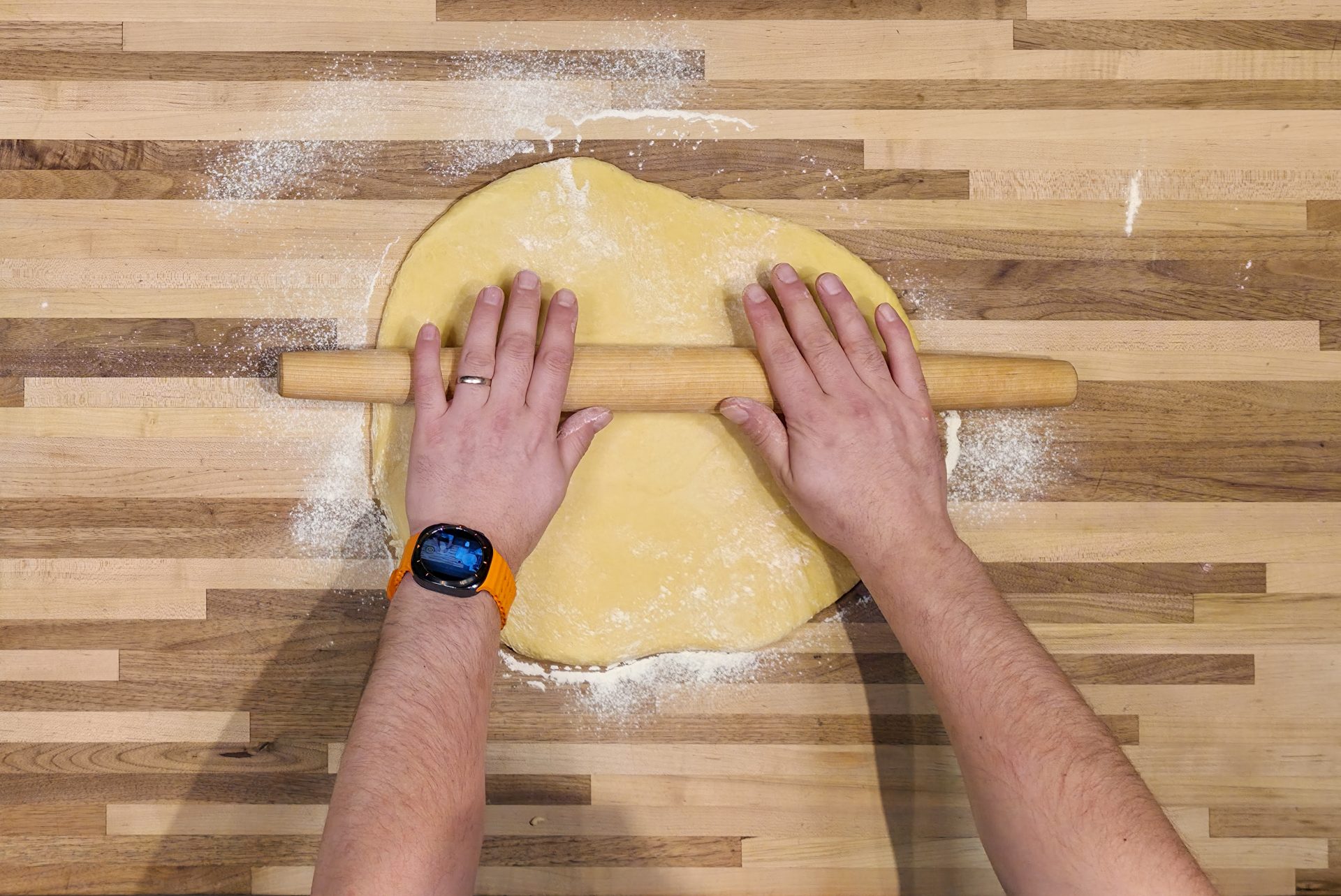
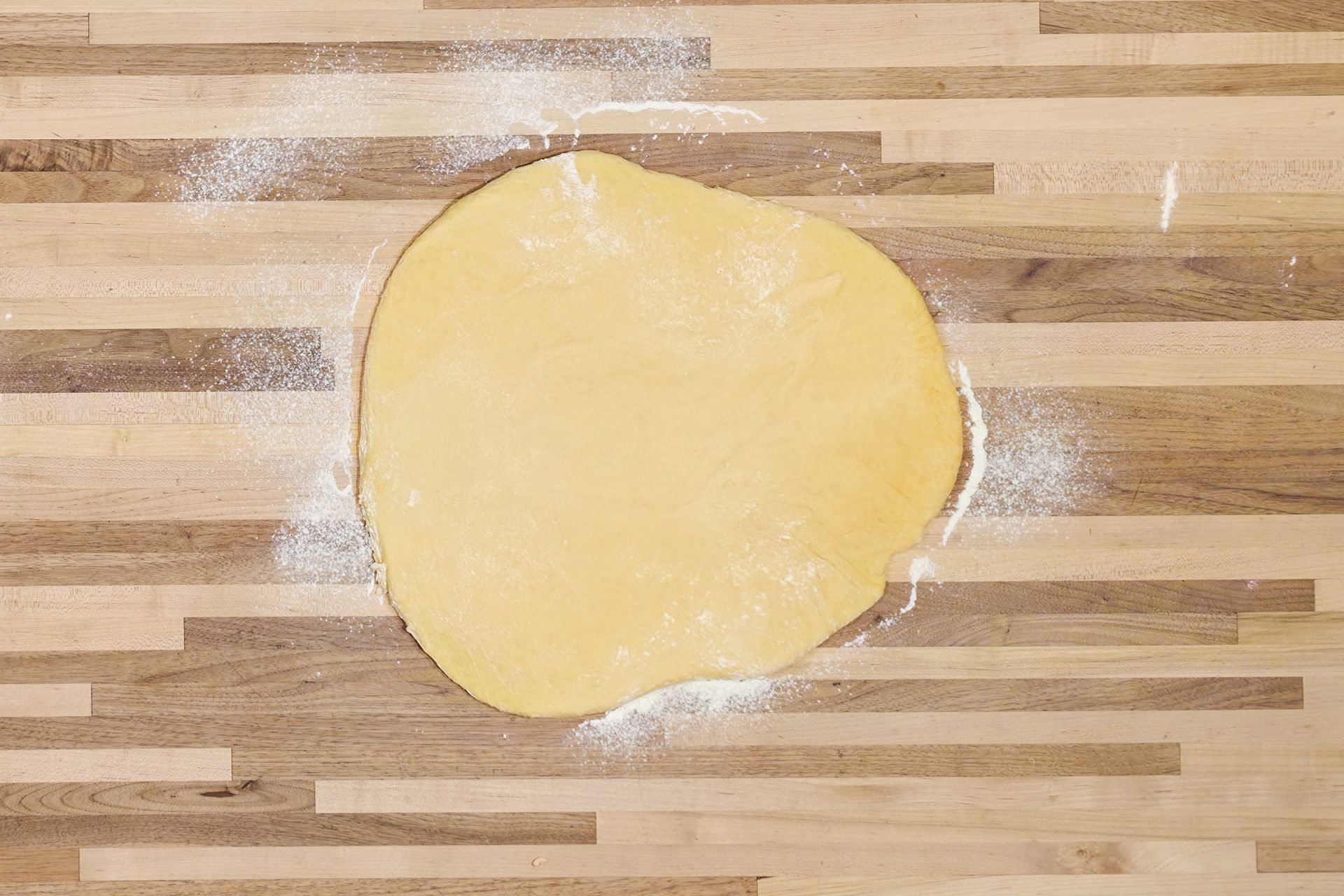
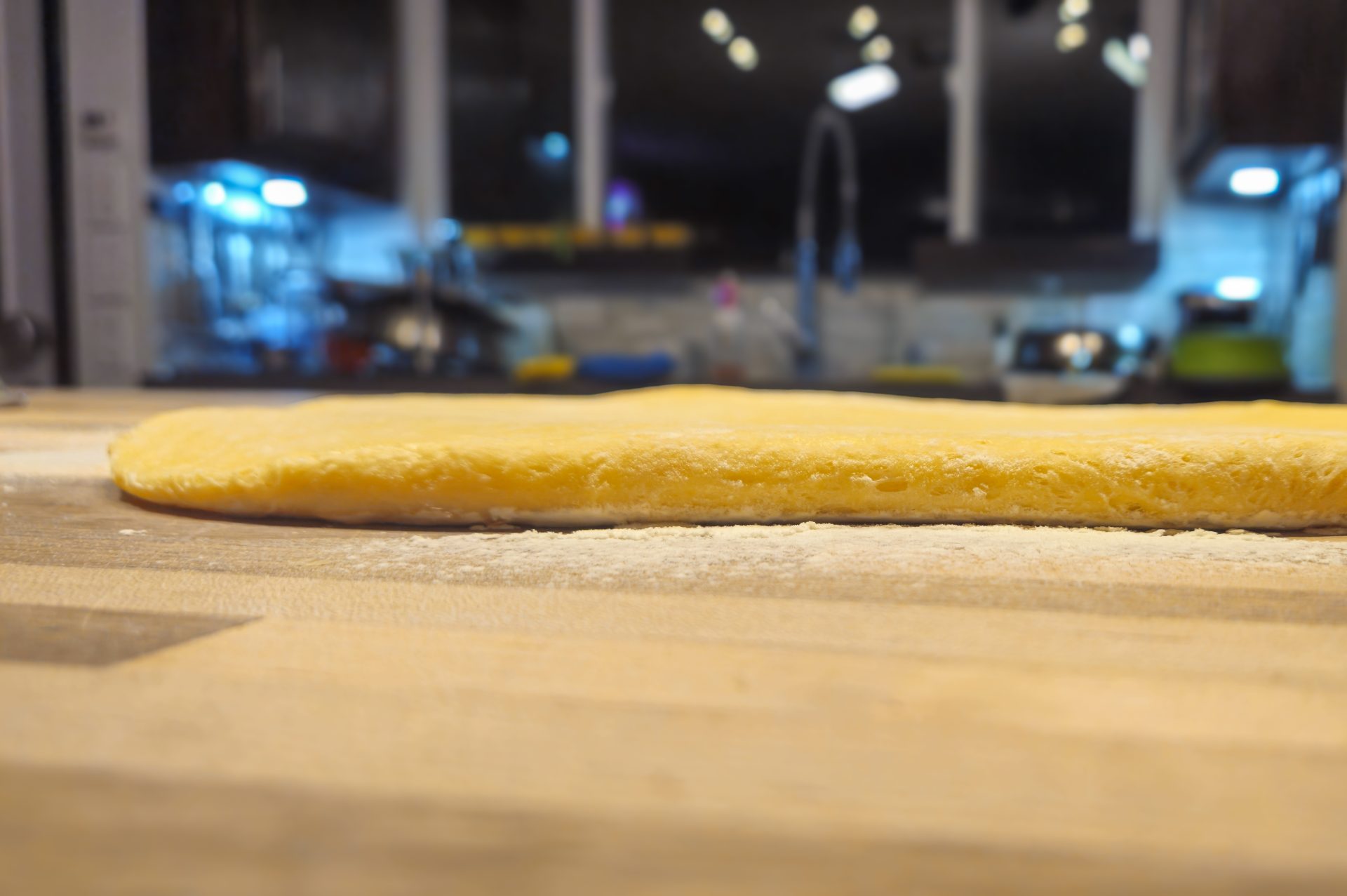
Place the dough on a floured surface and, using a rolling pin, flatten the dough to about ½” thickness.
Tips:
- If the dough sticks to the rolling pin, consider gently flouring the top.
- If the dough is generally to sticky, consider incorporating some flour into the dough. You can do it by using a kitchen mixer or your hands.
3.2.
3.4.
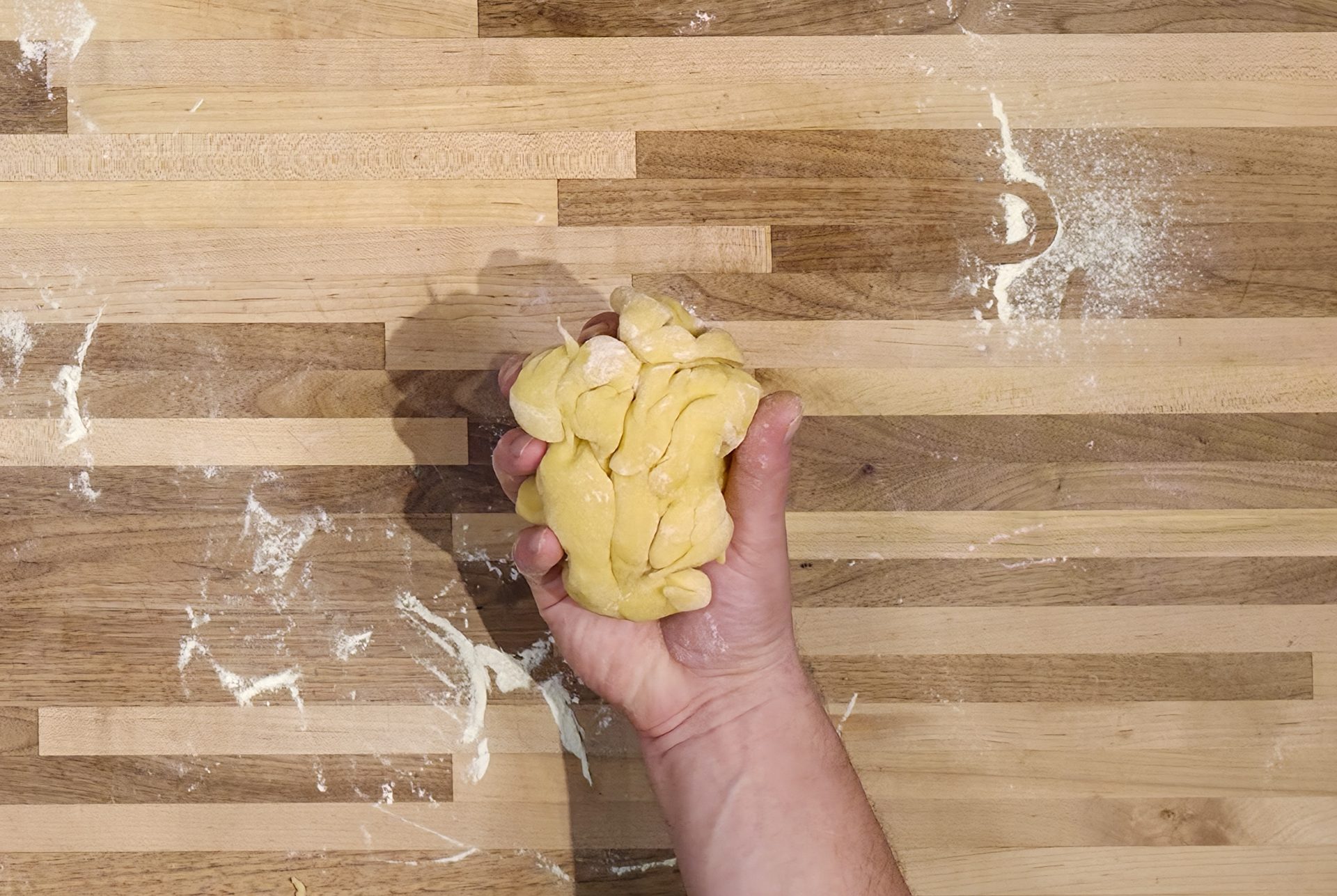
Form the leftover dough together with your hands and roll it again with a rolling pin. Then, cut more donuts.
Tip:
To make the process easier, you can simply fry the scraps instead (the shape will be off, but they will still taste delicious). Alternatively, you can reform the dough and then cut non-traditional Czech long johns to make the process with reformed dough easier.
4.Proofing and Oil Preheating:
4.1.
Let the donuts proof in a warm place for about 30 minutes or at room temperature for about 45 minutes.
Note:
You are not looking for any specific volume increase; you just want to give the dough an opportunity to recover.
5.Filling Preparation:
5.1.
While the donuts are proofing, prepare the filling.
6.Fry:
Note:
Fry donuts in batches based on the size of your deep fryer (or pot).
6.1.
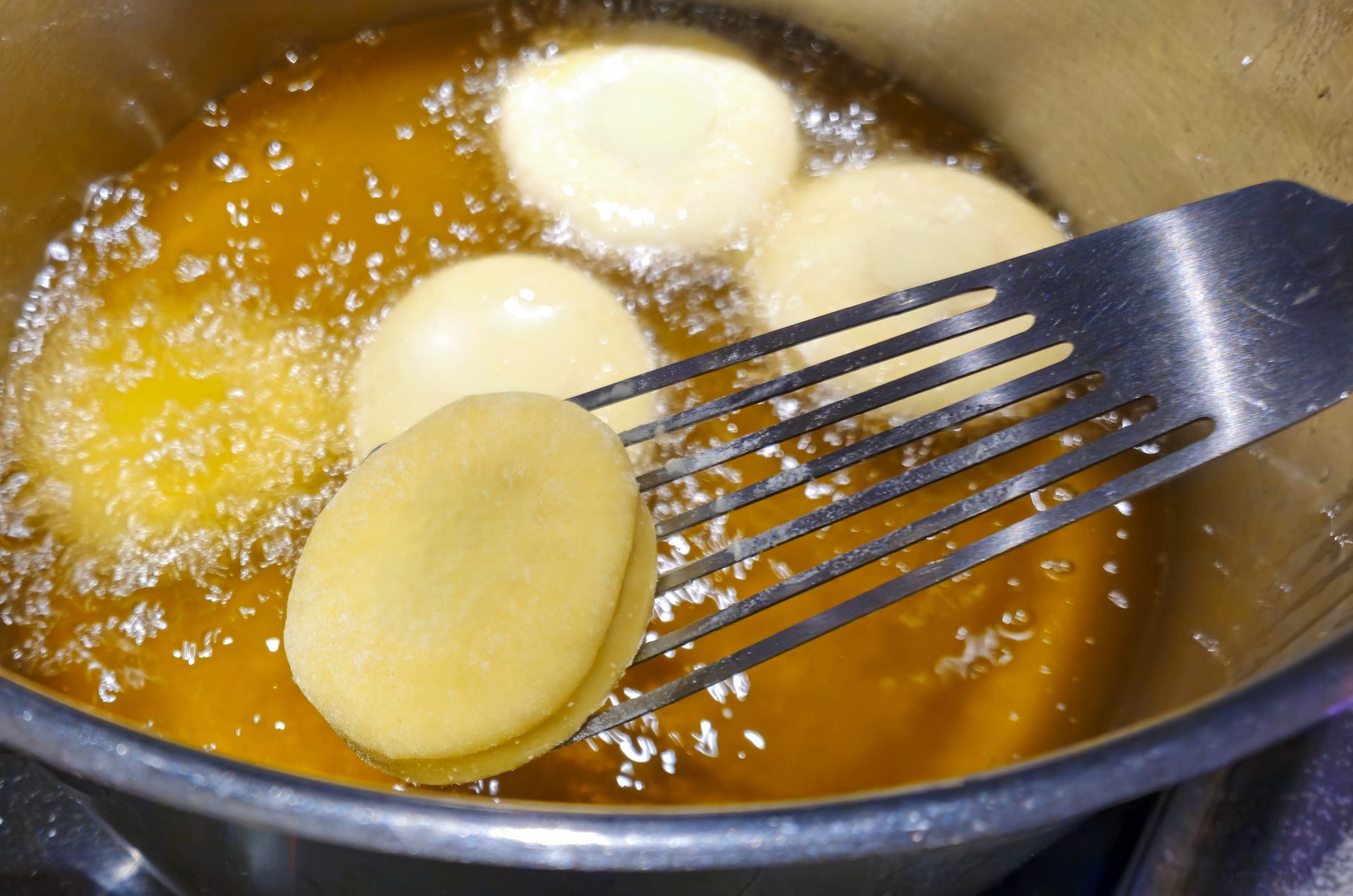
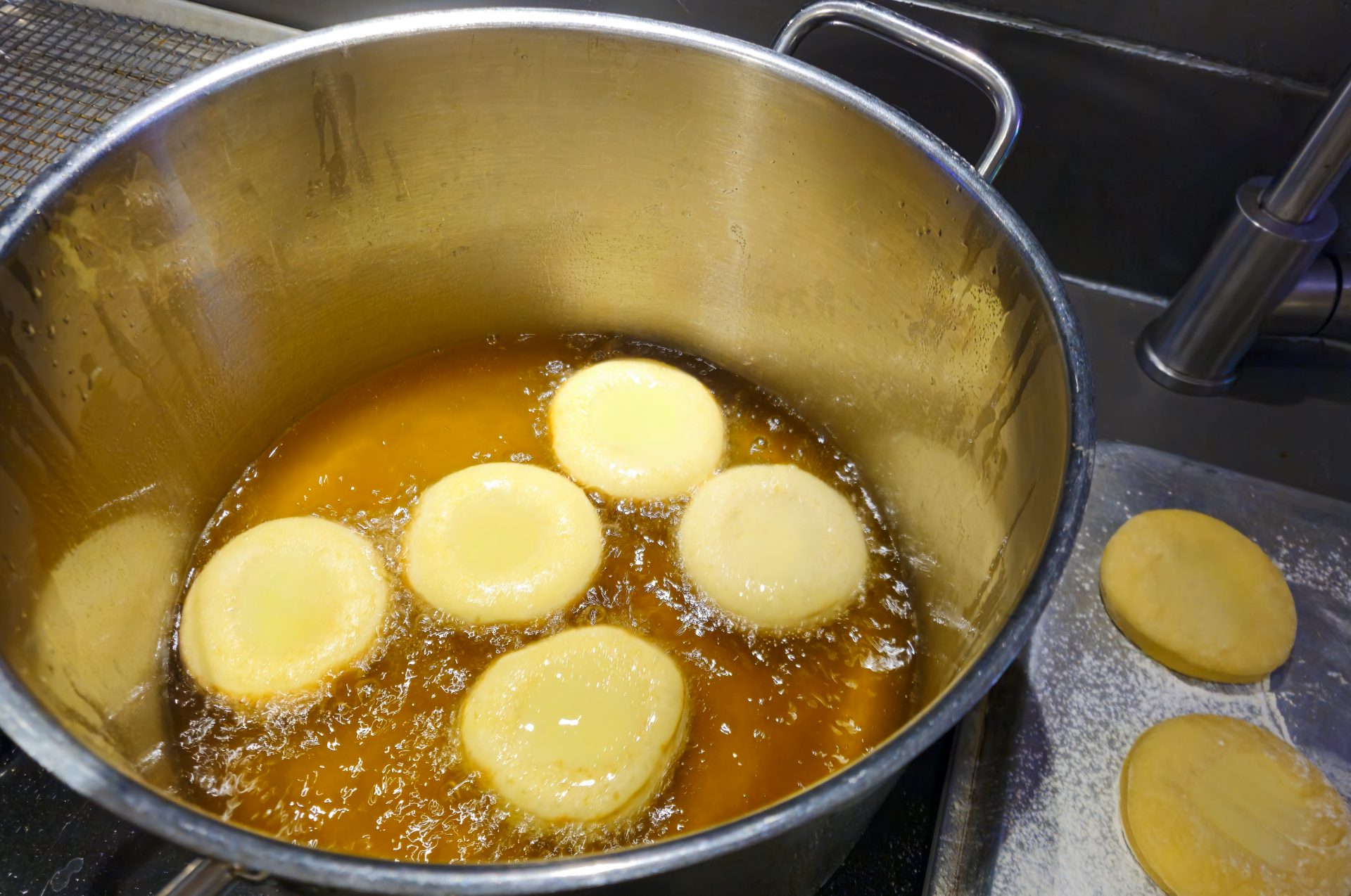
6.2.
Fry until a nice color is reached (about 2 – 3 minutes).
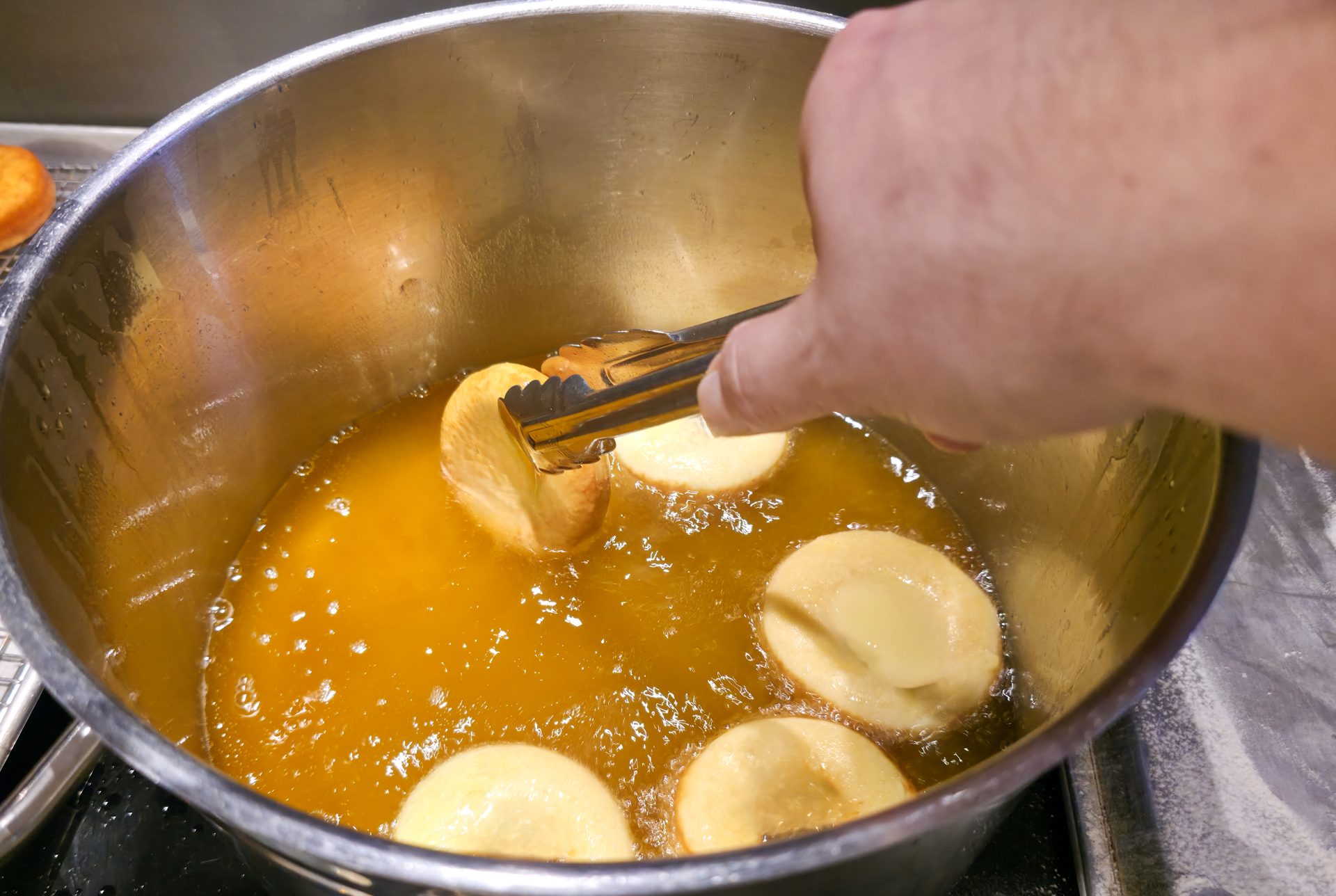
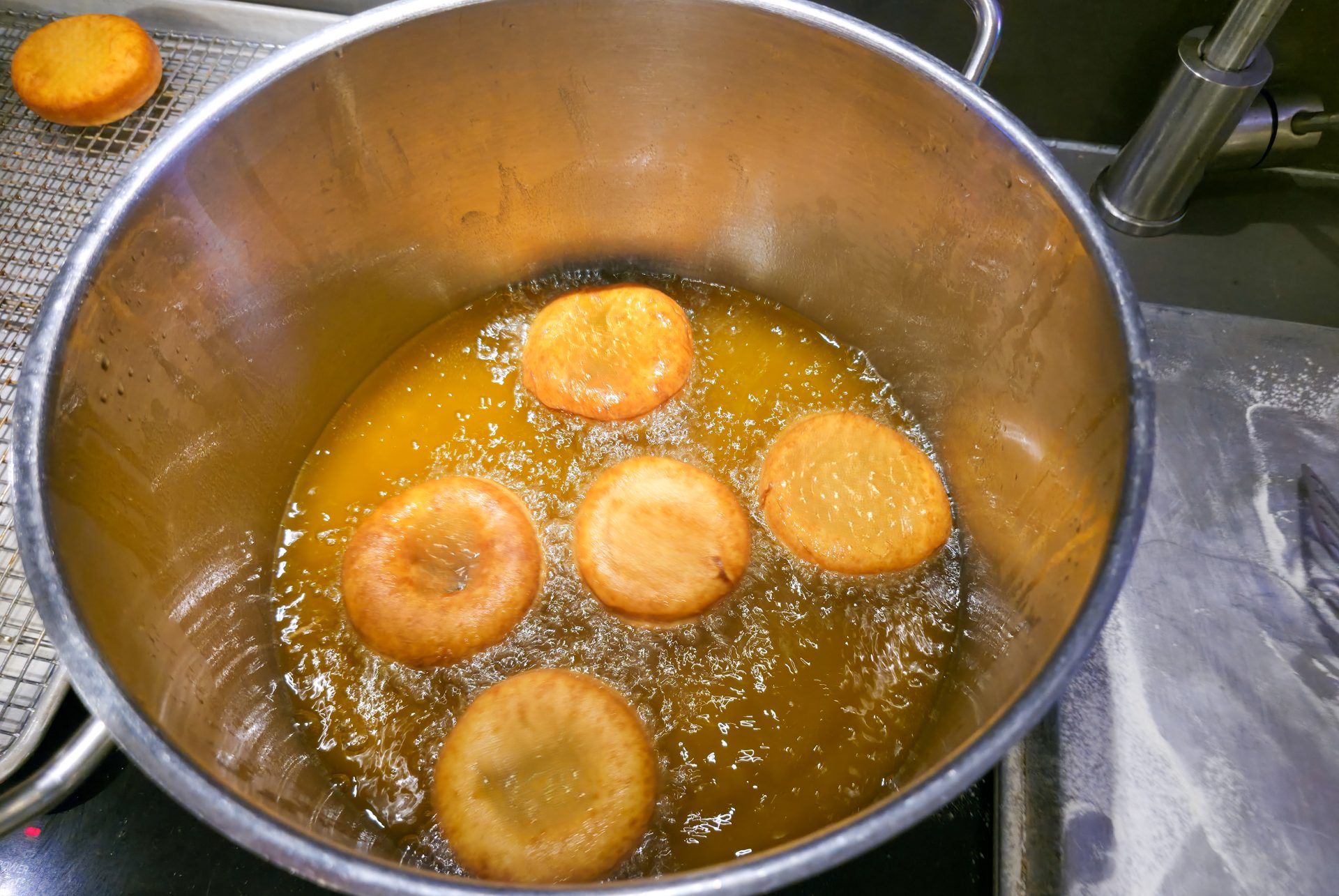
6.4.
6.5.
Repeat with the remaining donuts.
7.Optionally Prepare Glaze:
7.1.
Place all ingredients into a medium mixing bowl:
2 cups of confectioners’ sugar
3 – 5 TBSP of water
2 TSBP of vanilla extract
Optional: food coloring (follow the package’s instructions)
Thoroughly stir together with a whisk until fully incorporated (about 30 seconds).
Tip:
Work one by one, and after finishing the first one, try to determine if the glaze thickness meets your expectations. If you then find out that you would prefer a thicker glaze, simply stir in some confectioners’ sugar. If you then find out that you would like a thinner glaze, simply stir in some water.
8.Fill and Optionally Glaze Czech Filled Donuts Koblihy:
Important:
Continue with the following steps once all the doughnuts are cool enough to touch. The donuts need to be glazed and filled while still warm – work quickly.
8.1.
8.2.
Optional Glazing:
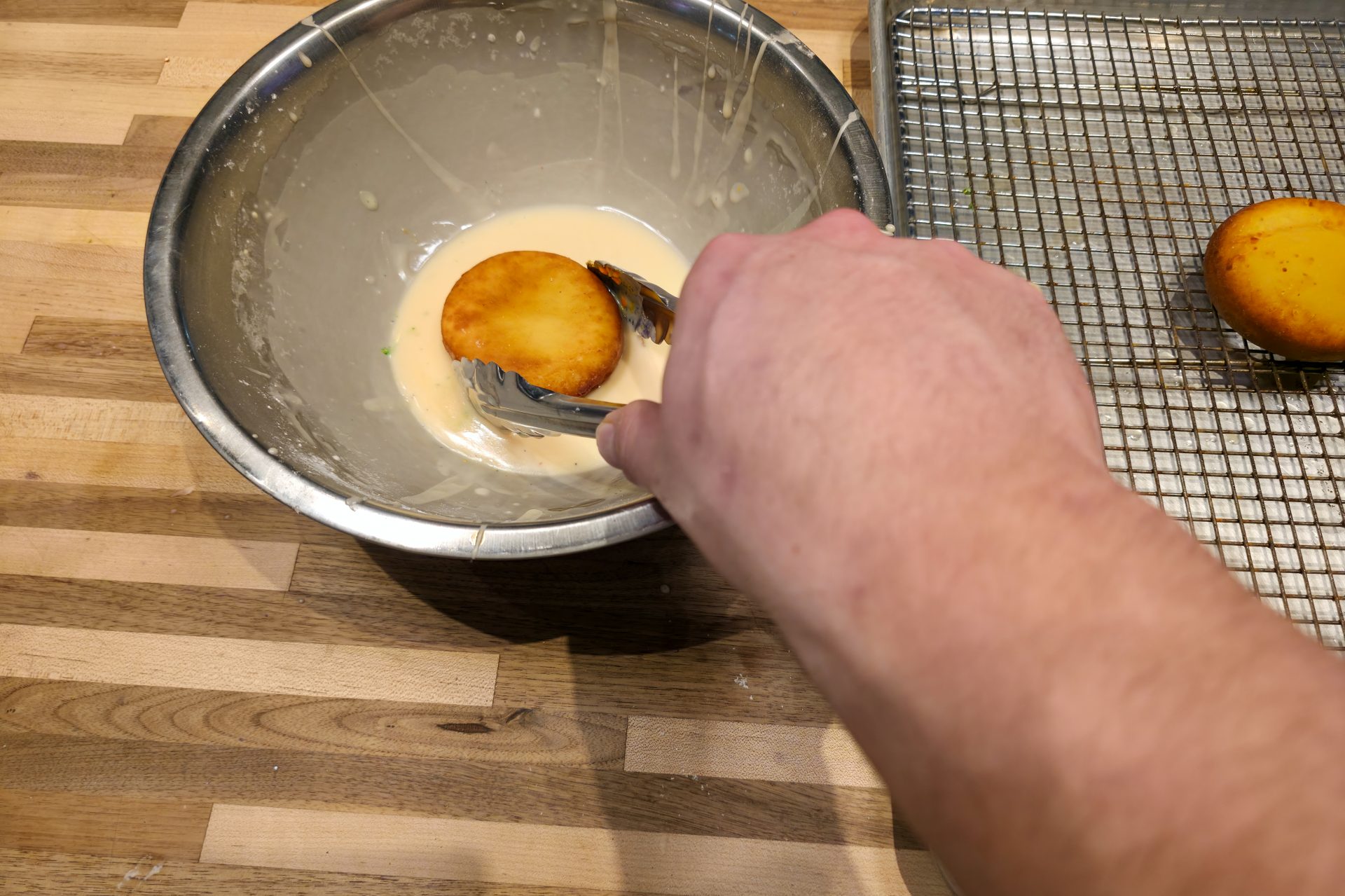
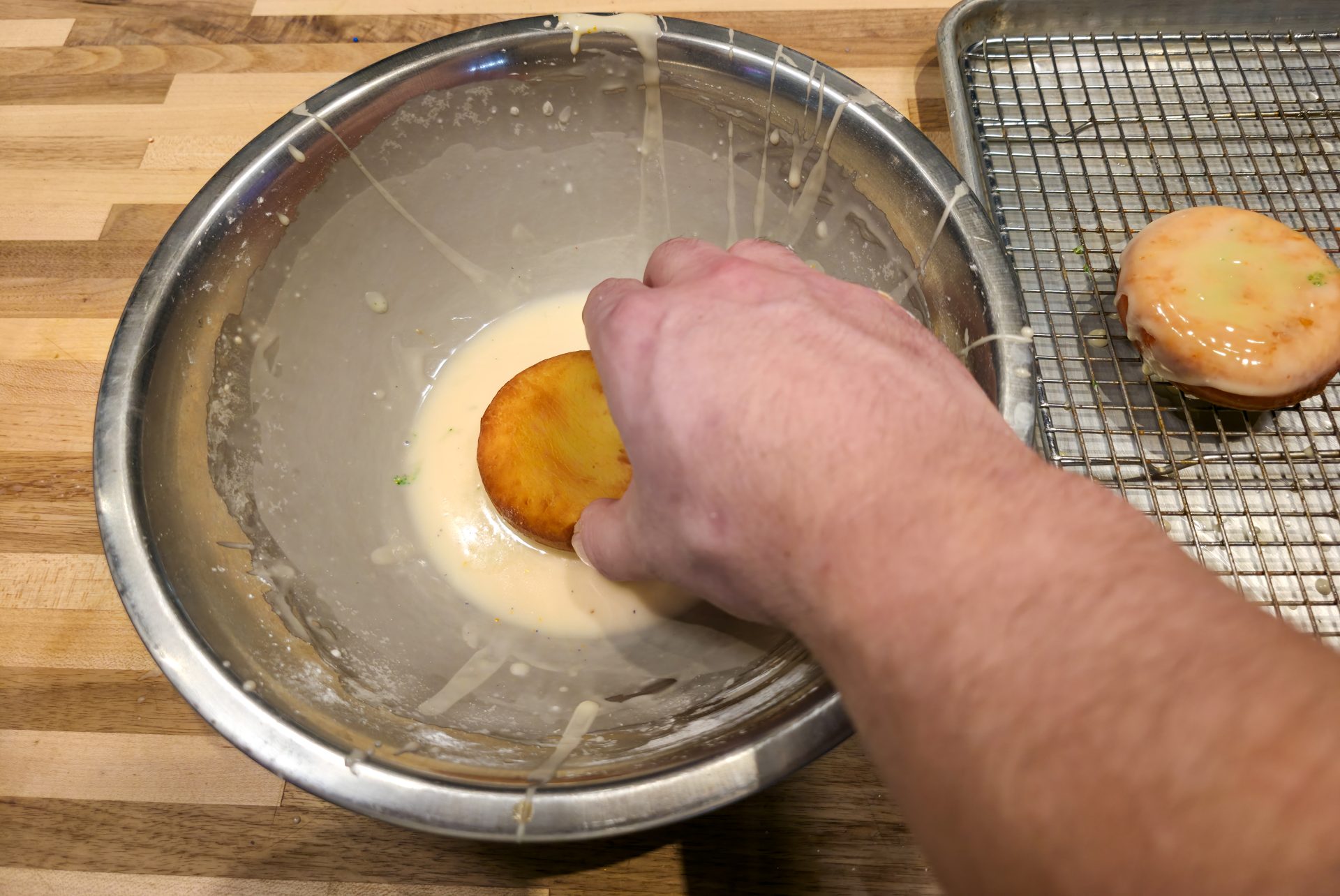
8.2.2.
Let it sit in the glaze for a few seconds.
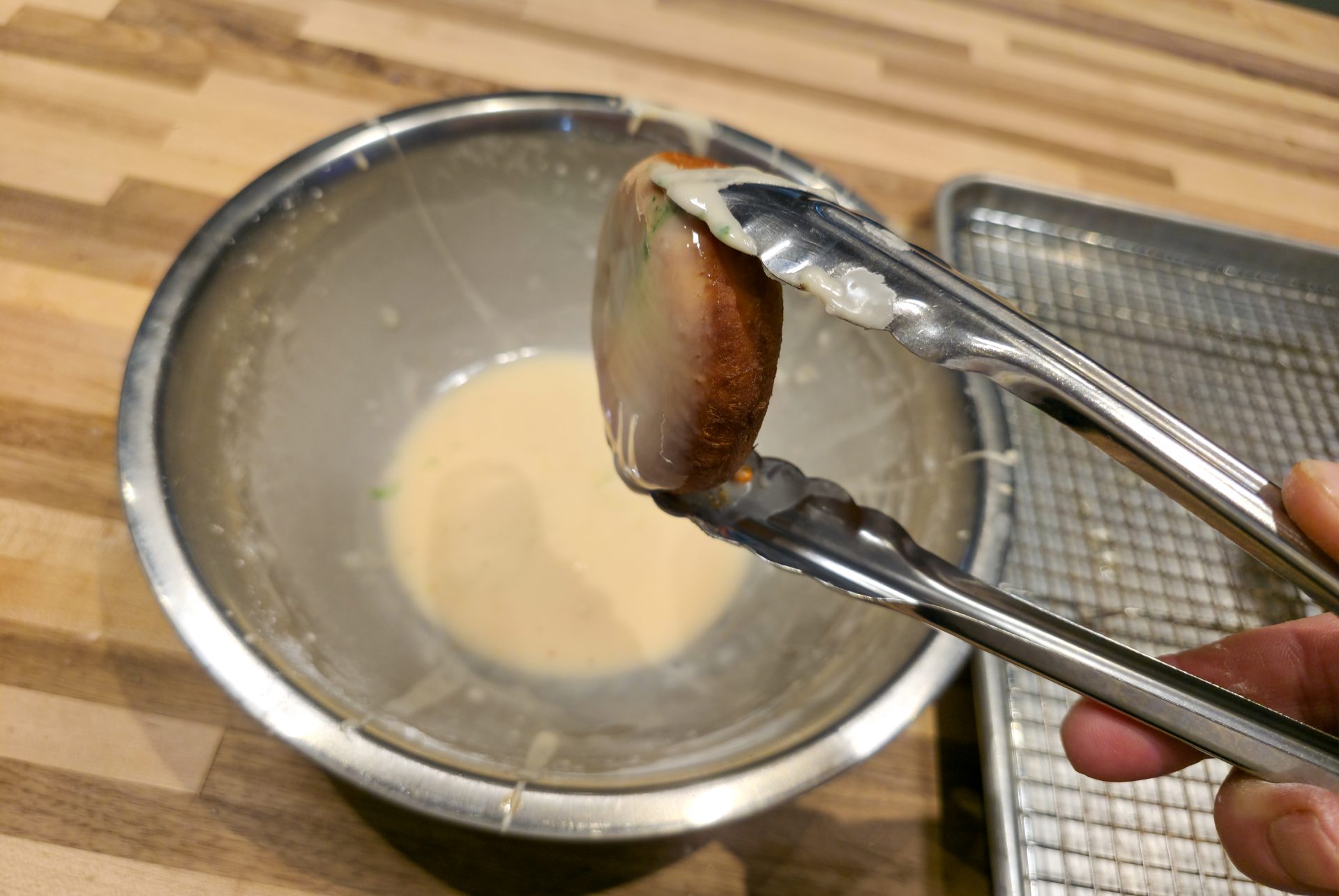
8.2.4.
Then, place it on the baking sheet or plate.
8.2.5.
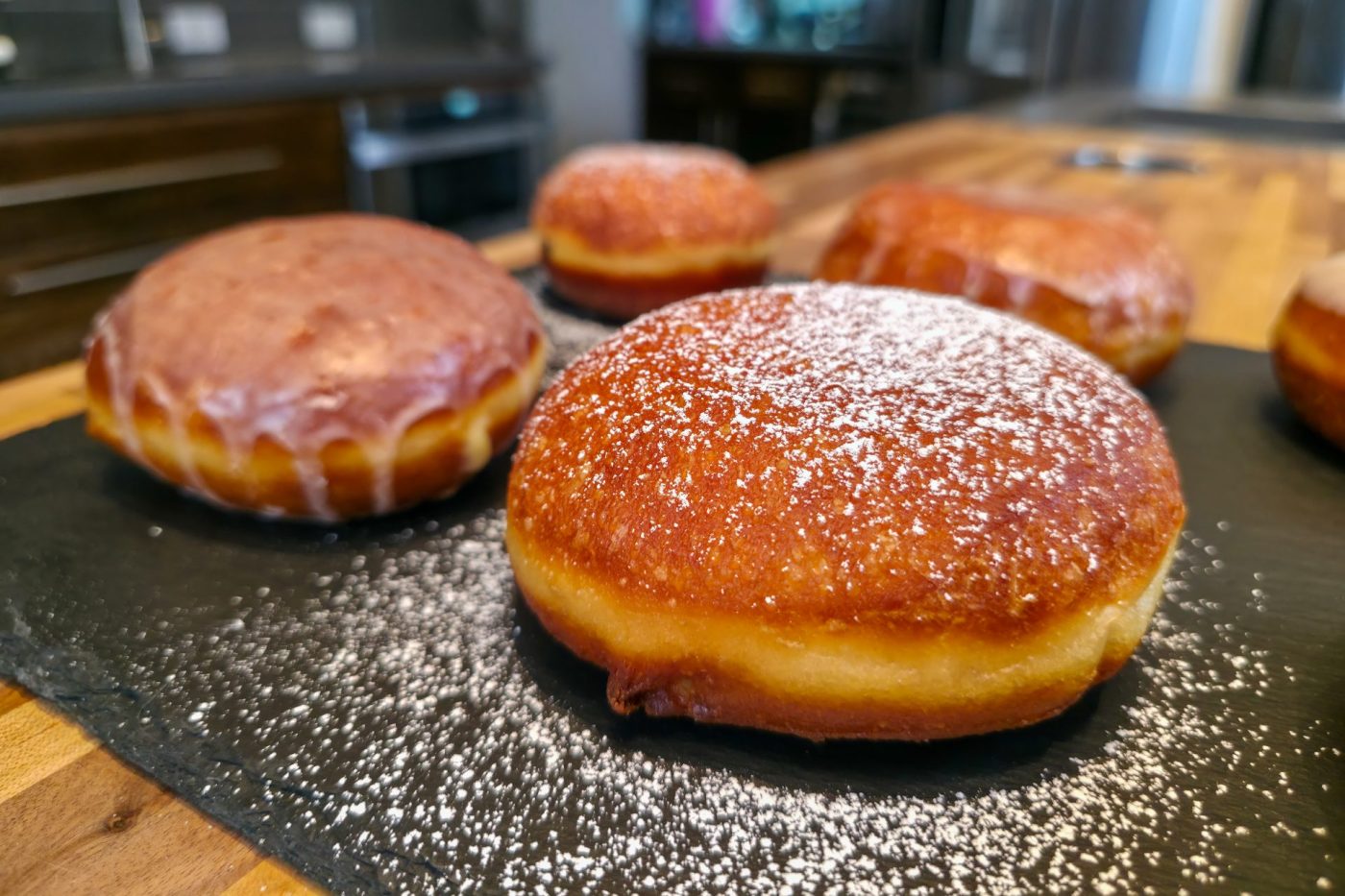
For the best results, let the glaze harden at room temperature before serving (usually about 10 – 15 minutes).
Popular questions
Can I use different fillings for these donuts?
Yes, you can use 1 ½ cups of preserve or jelly of your choice, or you can use Vanilla or Chocolate Pastry Cream for Filling Pastry.
Share
Click on the icons below to share "Title of the item to share"