
Main Course Recipes
Beef Picanha in Salt Crust
6 - 8 servings
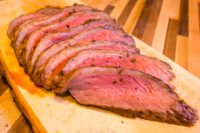
This delicious Beef Picanha in Salt Crust recipe will transport you straight to Brazil as I guide you through preparing one of the most popular cuts of beef in Brazilian cuisine. With this meal, you will feel like you are dining in a Brazilian Steakhouse right from the comfort of your own home. The Beef Picanha features a nice thick fat cap that tenderizes the meat during cooking, while the salt crust locks in moisture for incredibly juicy food. Read More
Main Course Recipes
Gluten-freeLow-carb
Before You Start
Let’s talk about important parts of the recipe before you start…
Welcome to my Beef Picanha in Salt Crust Recipe
I am so excited to share this method for Beef Picanha in Salt Crust because it truly moves you all the way to Brazil. You are going to prepare one of the most popular cuts of beef in that country, the top sirloin cap roast, also known as Beef Picanha. With this meal, you will find yourself in a Brazilian Steakhouse but from the comfort of your home. It is a fantastic experience to cook this way.
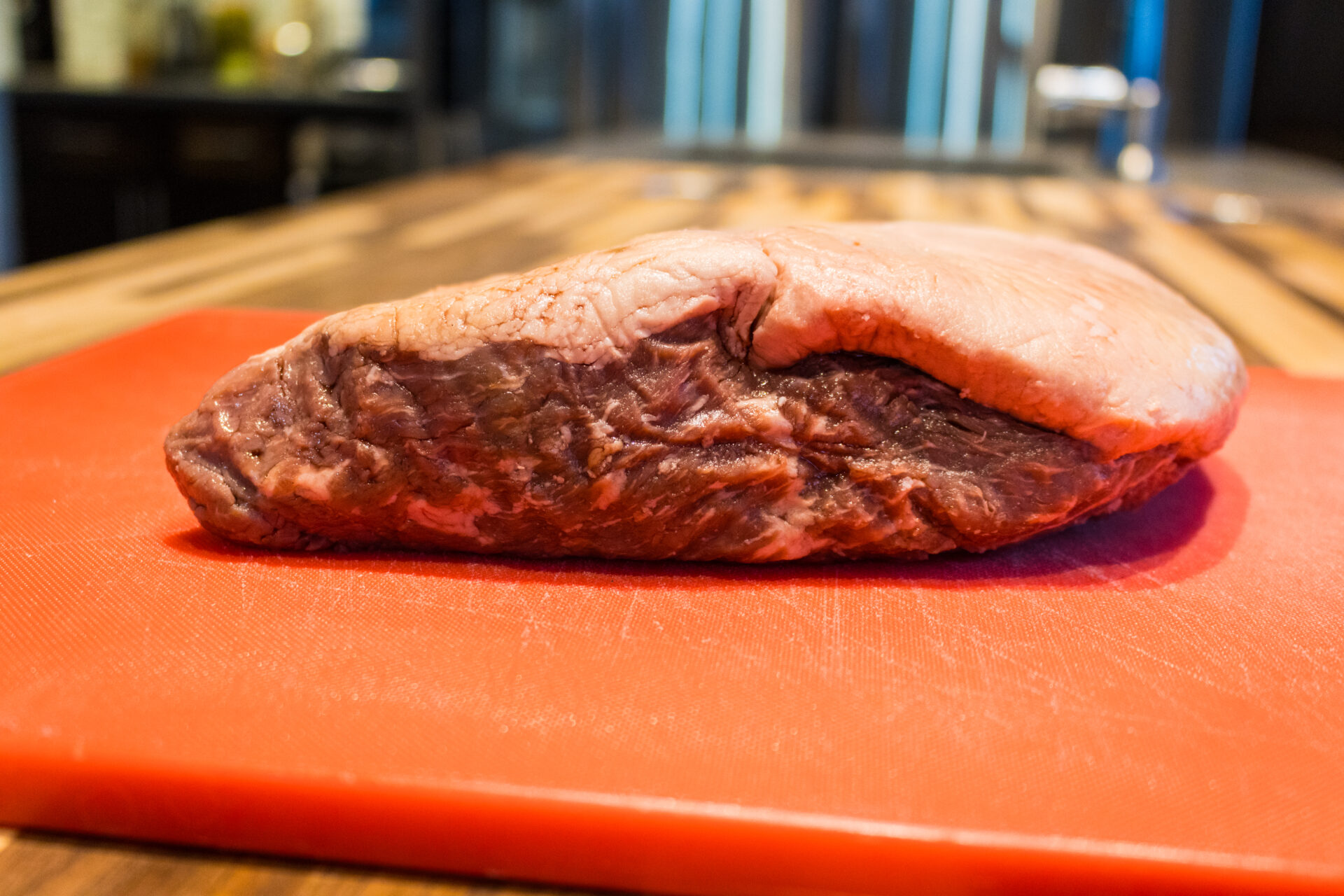
The Beef Picanha is typical for having a nice thick fat cap on the top of the meat. This layer nicely comes and tenderizes the meat during cooking and tastes super delicious, too. When I prepare this meat in a salt crust together with that fat layer, it makes for incredibly juicy food! And if you want to, you can use other cuts of beef with this recipe as well, though the picanha is truly special.
Importance of the Fat Cap on Beef Picanha
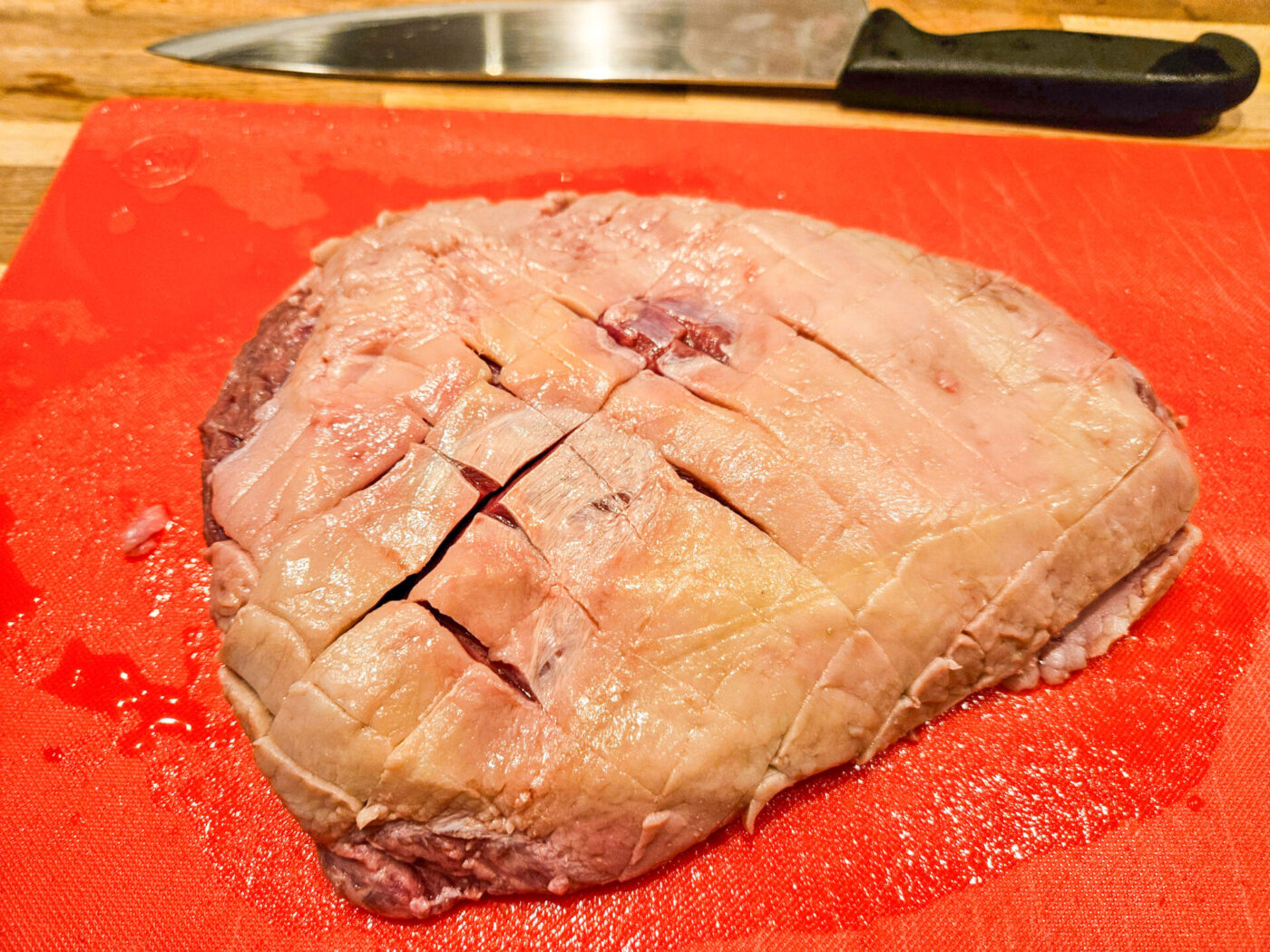
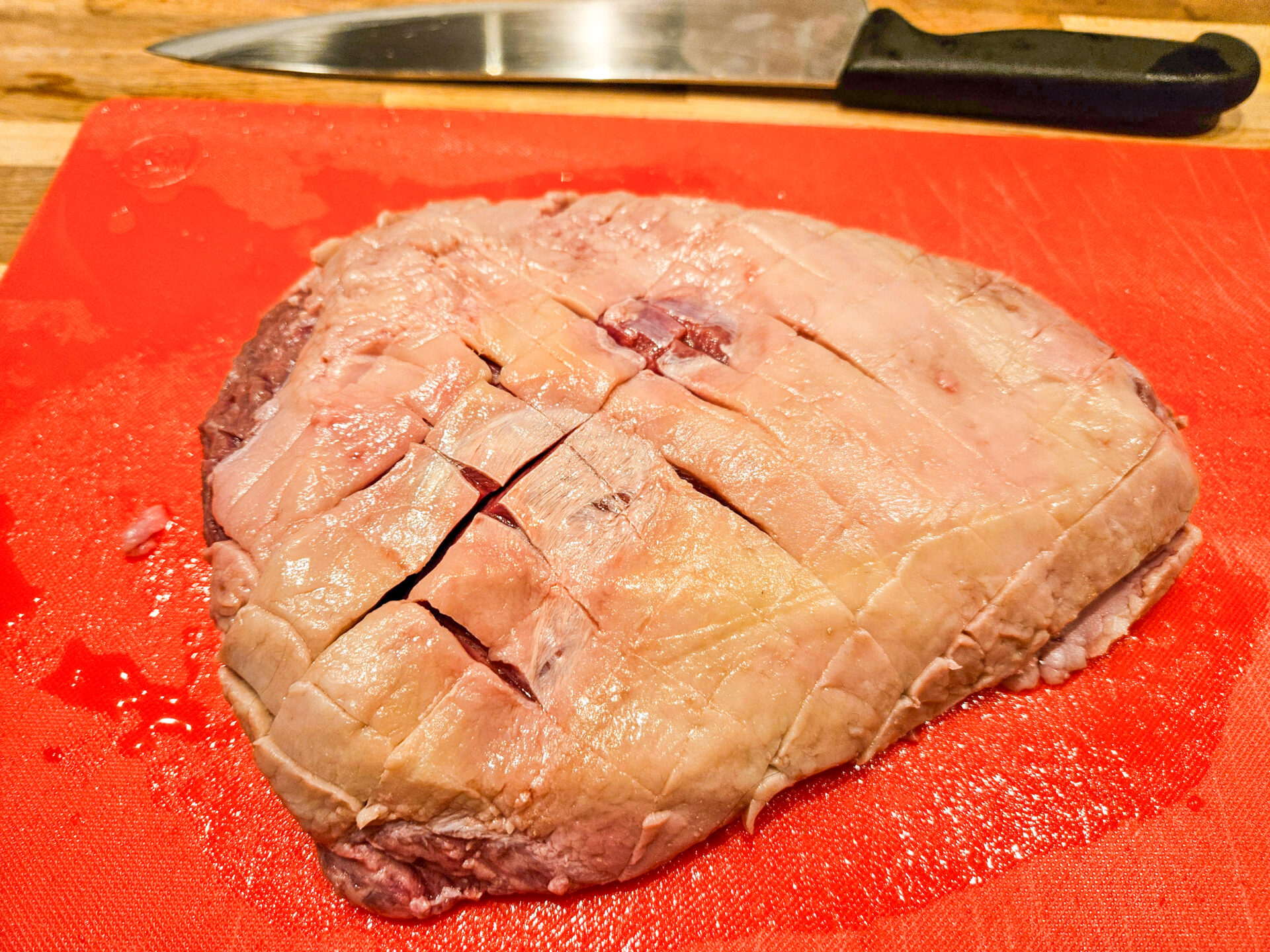
When preparing Beef Picanha in Salt Crust, the fat cap is essential. I always make sure not to remove any fatty parts of the meat since they nicely tenderize the Beef Picanha during cooking. After it is fully cooked, the fat part will taste great too, but if you want to, you can remove it later. This layer is what makes this specific top sirloin cap roast so flavorful and moist. Before seasoning, I perform a grid cut with my knife on the entire fat layer to help with the rendering process during the sear.
Seasoning the Meat Without Salt
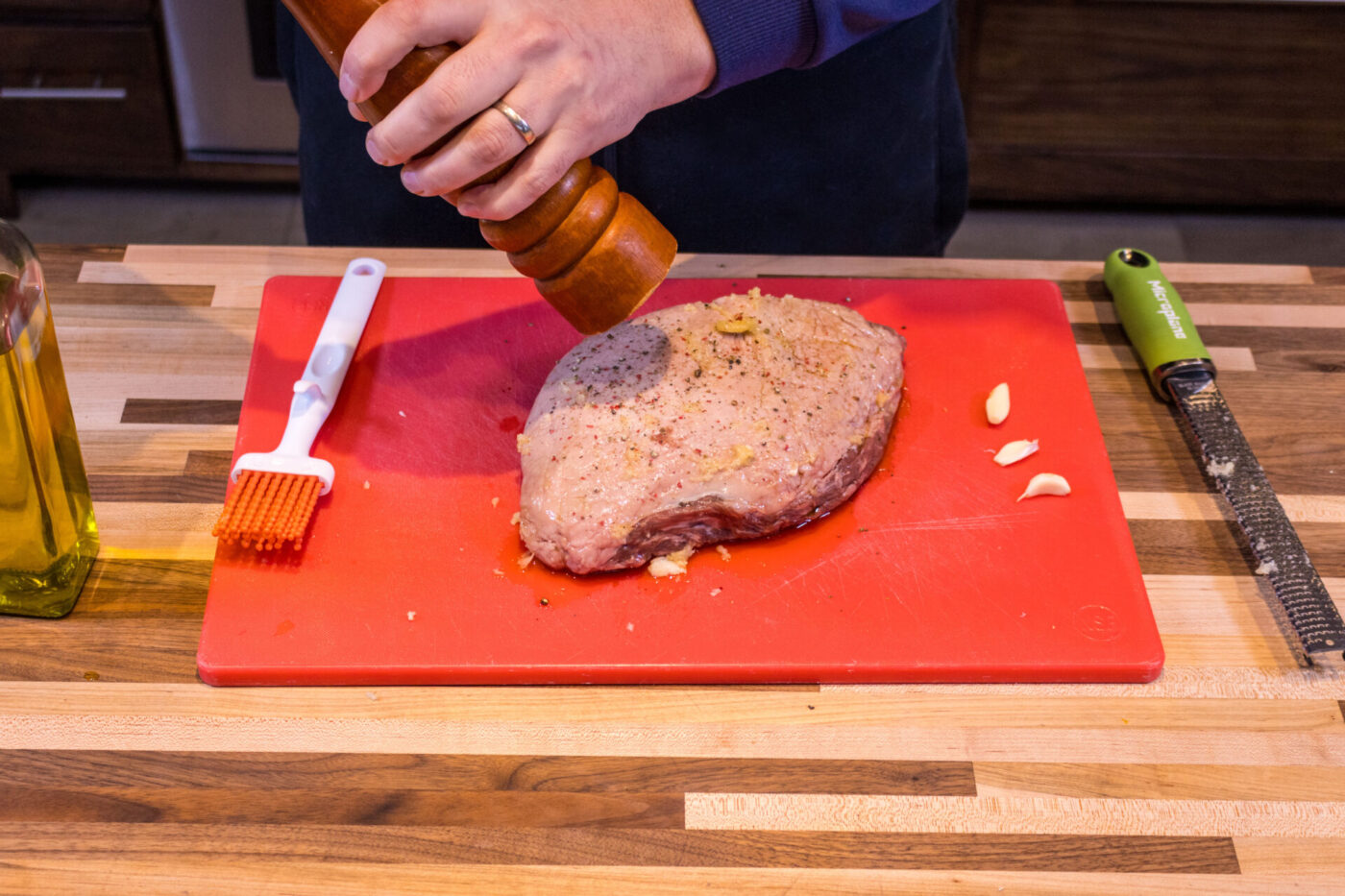
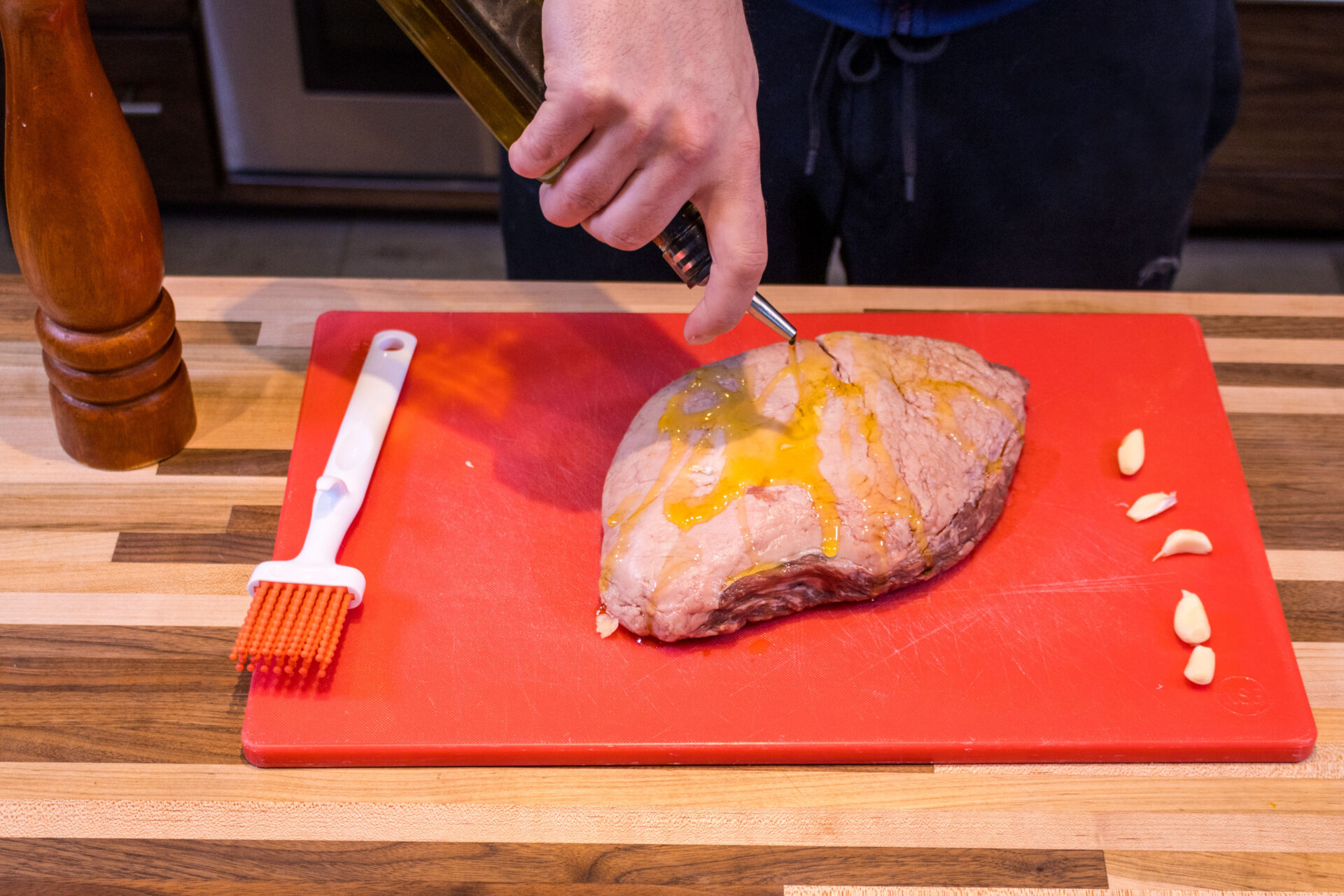
One of the most critical steps in this Beef Picanha in Salt Crust recipe is how I season the meat initially. I pour a generous drizzle of Extra Virgin Olive Oil, grate 6 cloves of garlic, and apply a generous pinch of ground pepper. It is very important to note that I do not use salt at this stage. Since the meat will be later prepared in a salt crust, it will get salt that way. I cover the meat and let it rest (marinating) at room temperature for at least 30 minutes, but no more than 1 hour. This step prevents a rubbery texture and helps reach the perfect tender meat flavor.
Creating the Perfect Salt Crust Mixture
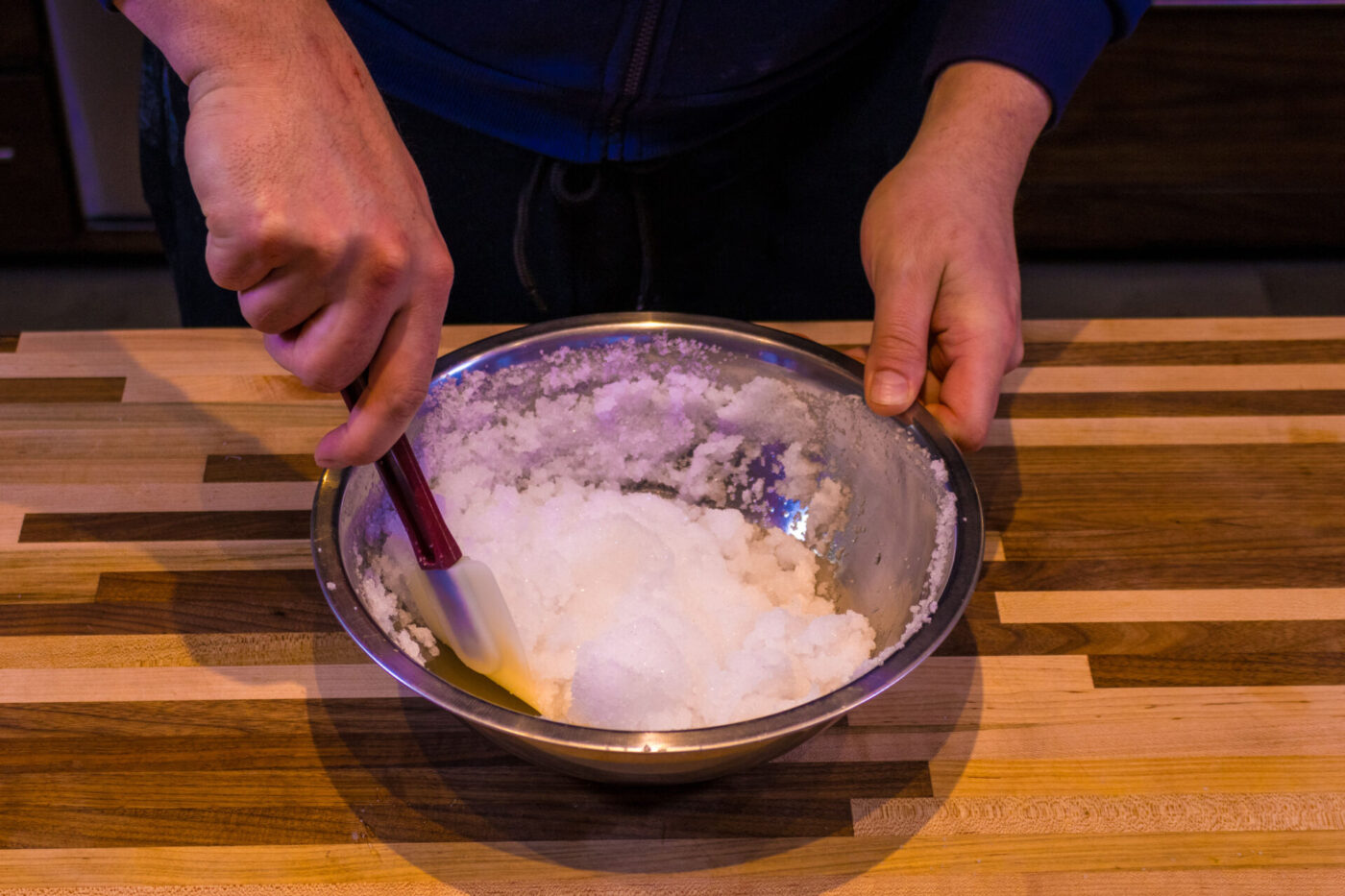
The secret to this Brazilian cuisine technique is the salt crust mixture itself. I place 4 cups of coarse kosher salt and ¾ cup of water into a medium mixing bowl. I thoroughly stir using a silicone spatula until it is fully combined. The texture should be like wet sand. If necessary, I add a little more water or salt to reach that consistency. This mixture will eventually encase the roast beef, creating a sealed environment that locks in all the natural juices.
The Searing Process
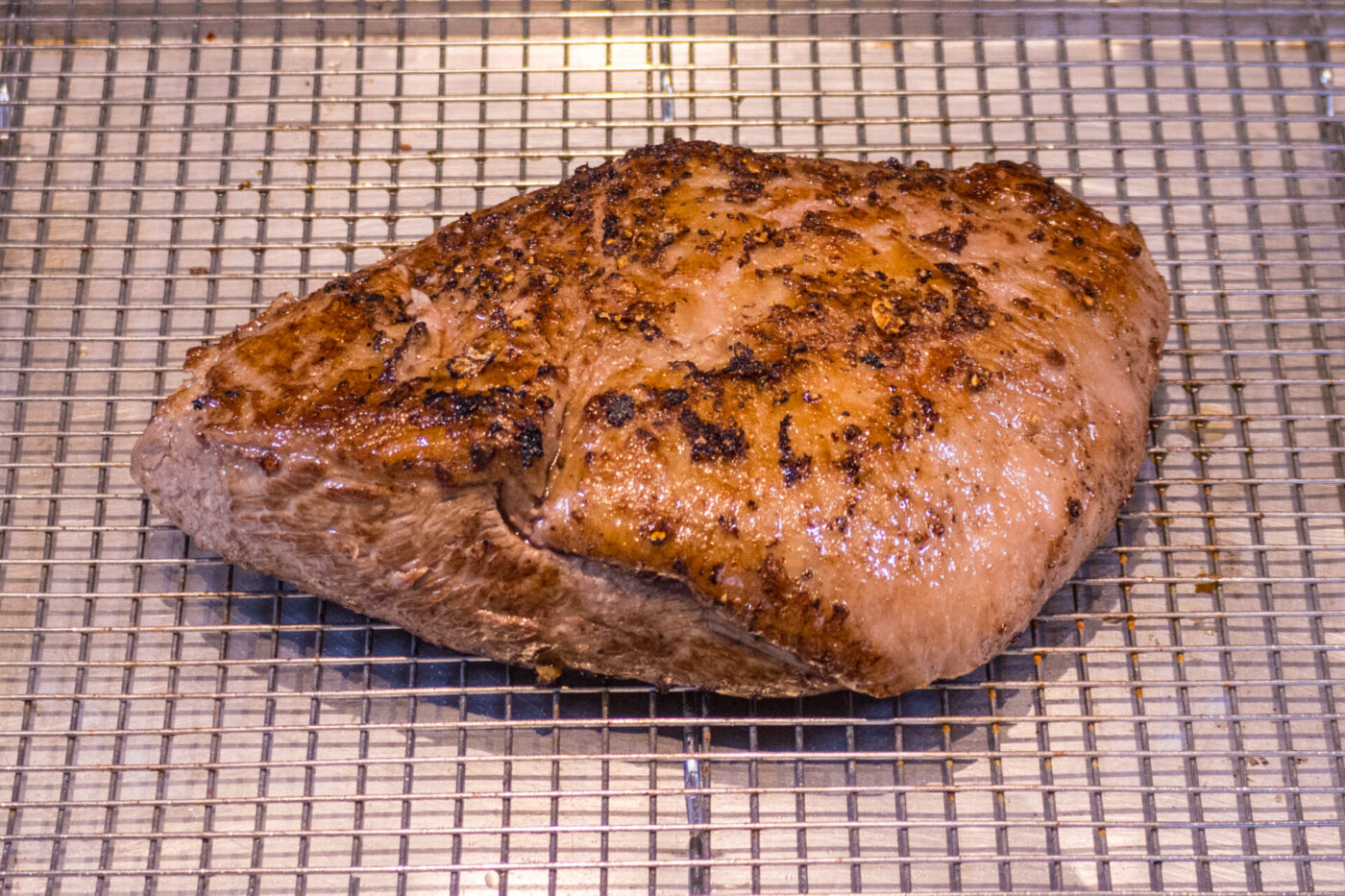
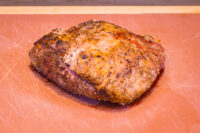
Before the Beef Picanha goes into the oven inside its salt crust, I perform a pan sear. I preheat a large fry pan on high heat with frying oil and place the marinated picanha in, fat-side down. I sear until the fat gets nicely rendered, which takes about 2 minutes. Then, I turn and sear shortly from all remaining sides, just enough to get a nice sear on the meat. Once the nice sear is reached but the meat is still raw in the center, I remove it and place it on a cooling rack to fully cool before the next step. This usually takes about 15 – 20 minutes.
Assembling and Roasting the Beef Picanha
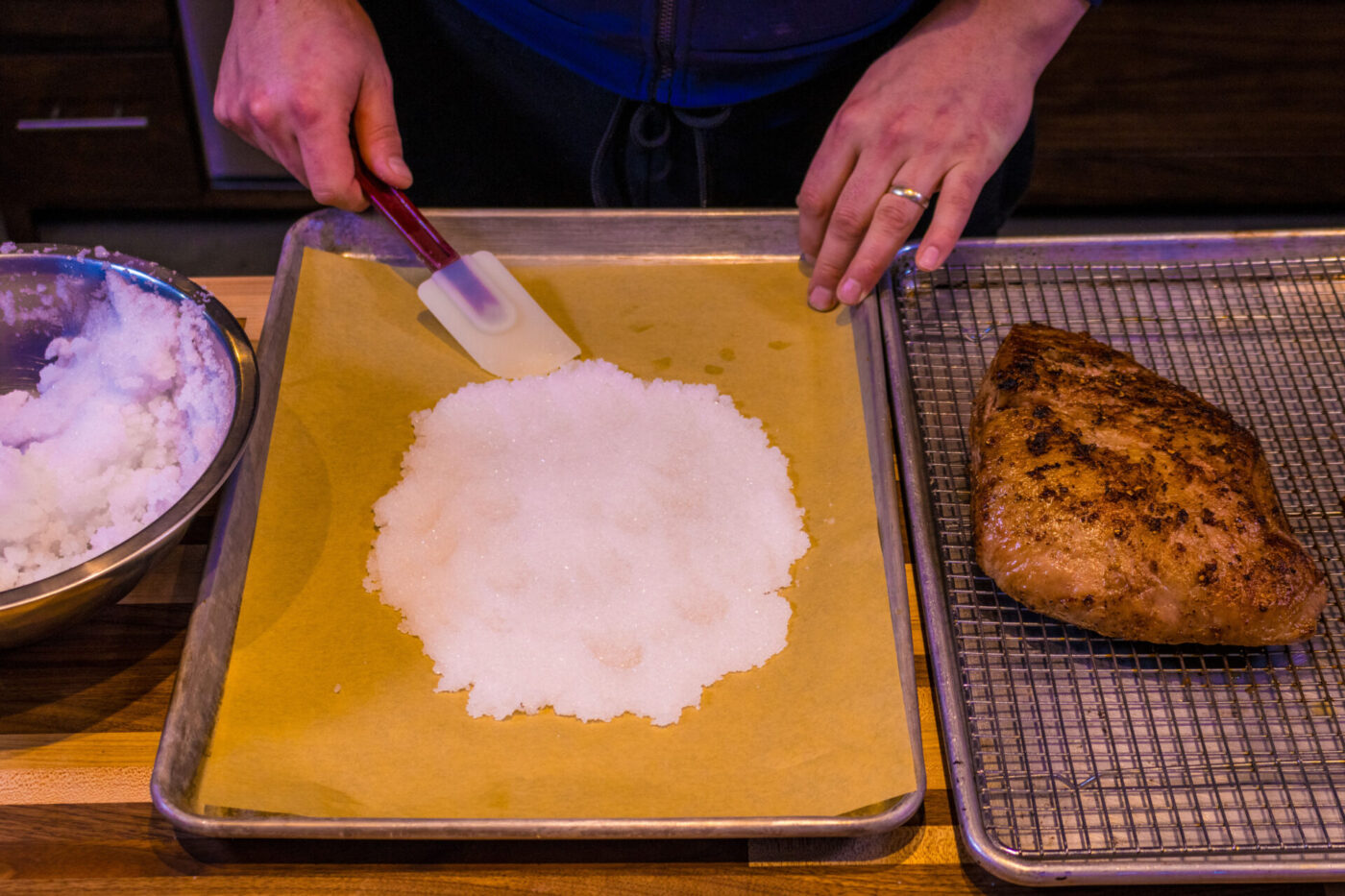
To assemble the Beef Picanha in Salt Crust, I place about ¼ of the salt crust mixture in the center of a baking sheet and distribute it to a thin layer slightly larger than the diameter of the meat. I place the meat on top and then use the remaining salt mixture to cover the meat evenly around the whole surface. I then roast picanha in a preheated 350°F oven. I usually try to target medium rare, which is 130 – 135°F, taking about 40 – 50 minutes. It is important to remember that the meat will have carryover temperature, increasing by about 3 – 5°F after cooking.
Beef Picanha in Salt Crust
Ingredients:
Click any ingredient to learn morePicanha in Salt Crust:
1 Top Sirloin Cap Roast (Beef Picanha) (usually about 2.5LB, whole, do not cut individual steaks *)
Drizzle of Extra Virgin Olive Oil (generous)
6 cloves of garlic - peeled and grated (or pressed)
Pinch of ground pepper (generous)
2 TBSP of frying oil (any kind) (adjust if needed)
4 cup of coarse kosher salt
¾ cup of water (adjust if needed)
Optionally Serve With:
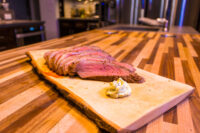
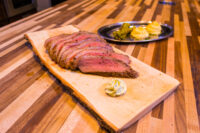
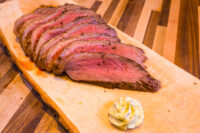
herb butter (store-bought or recipe here)
* Optionally substitute for other cuts of beef meat in a large chunk with a similar amount.
Tools:
Click any tool to learn more1x Chef’s knife
1x Plastic Wrap
1x Tongs
1x Cooling Rack
1x Carving Knife (or chefs knife)
1x Cooking Fork (or regular fork )
Nutrition per 1 Serving:(recipe split into 6 servings)
EstimatedCalories 284
Protein 41.3 g
Fat 12.9 g
Saturated fat 3.9 g
Carbohydrate 1.0 g
Sugars 0.0 g
Fiber 0.1 g
Sodium 51789 mg
Cholesterol 104 mg
Gluten-freeLow-carb
Estimated. Worked out from the ingredients above using the United States Department of Agriculture’s FoodData Central reference data. An estimate, not a measurement — brands, sizes and how much of a marinade actually ends up on the plate all move it.
Directions:
1.Meat Preparation:
Let’s start preparing the Picanha in a Salt Crust with the meat preparation.
1.1.
Make sure that the meat is properly rinsed under cold water.
Important:
- Do not remove any fatty parts of the meat since they nicely tenderize picanha during cooking. After it is fully cooked, the fat part will taste great too, but if you want to, you can remove it later.
- Do not cut into individual steaks – it will be prepared as a whole.
1.4.
Pour and sprinkle these ingredients on the top of the picanha:
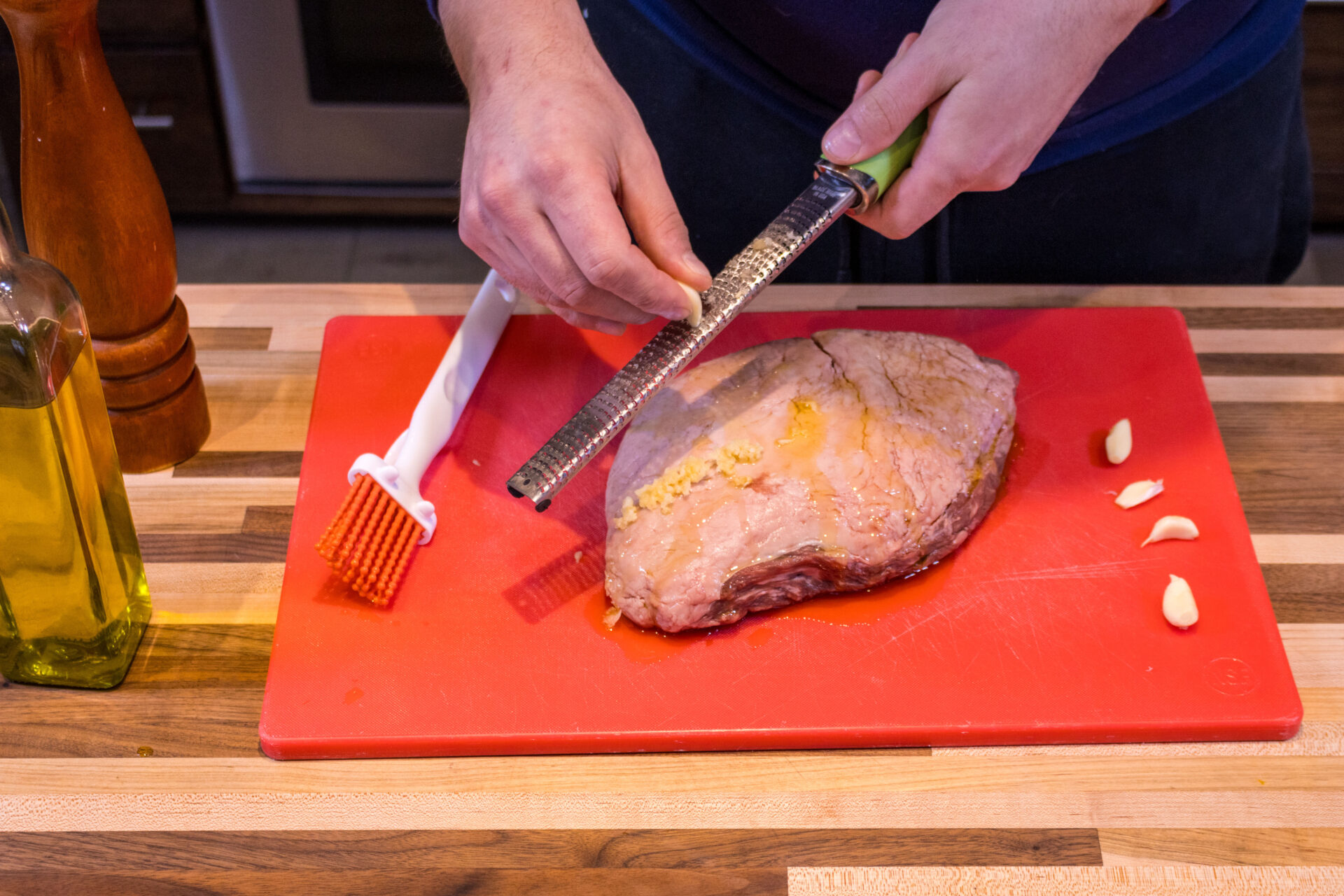
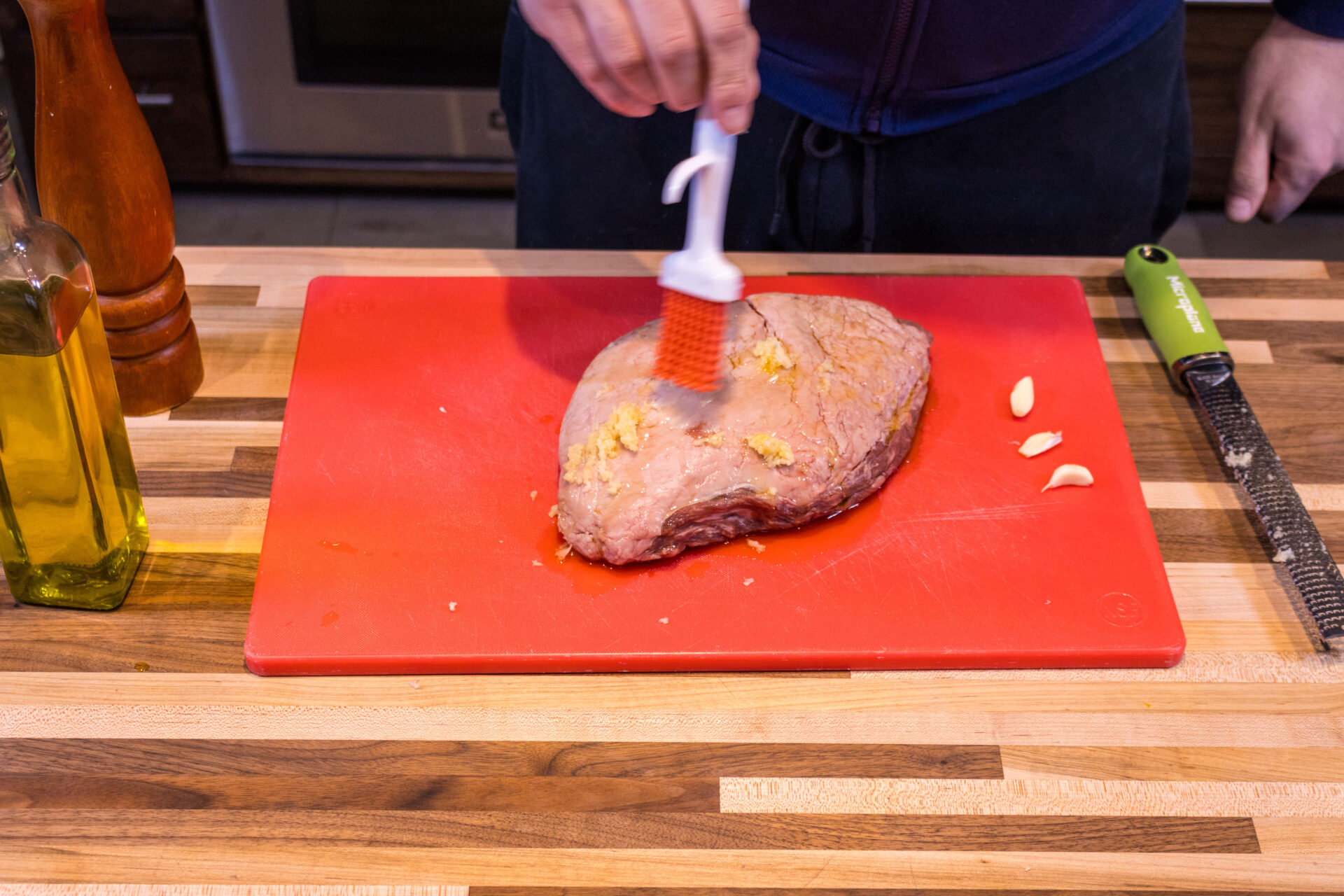
1.4.3.
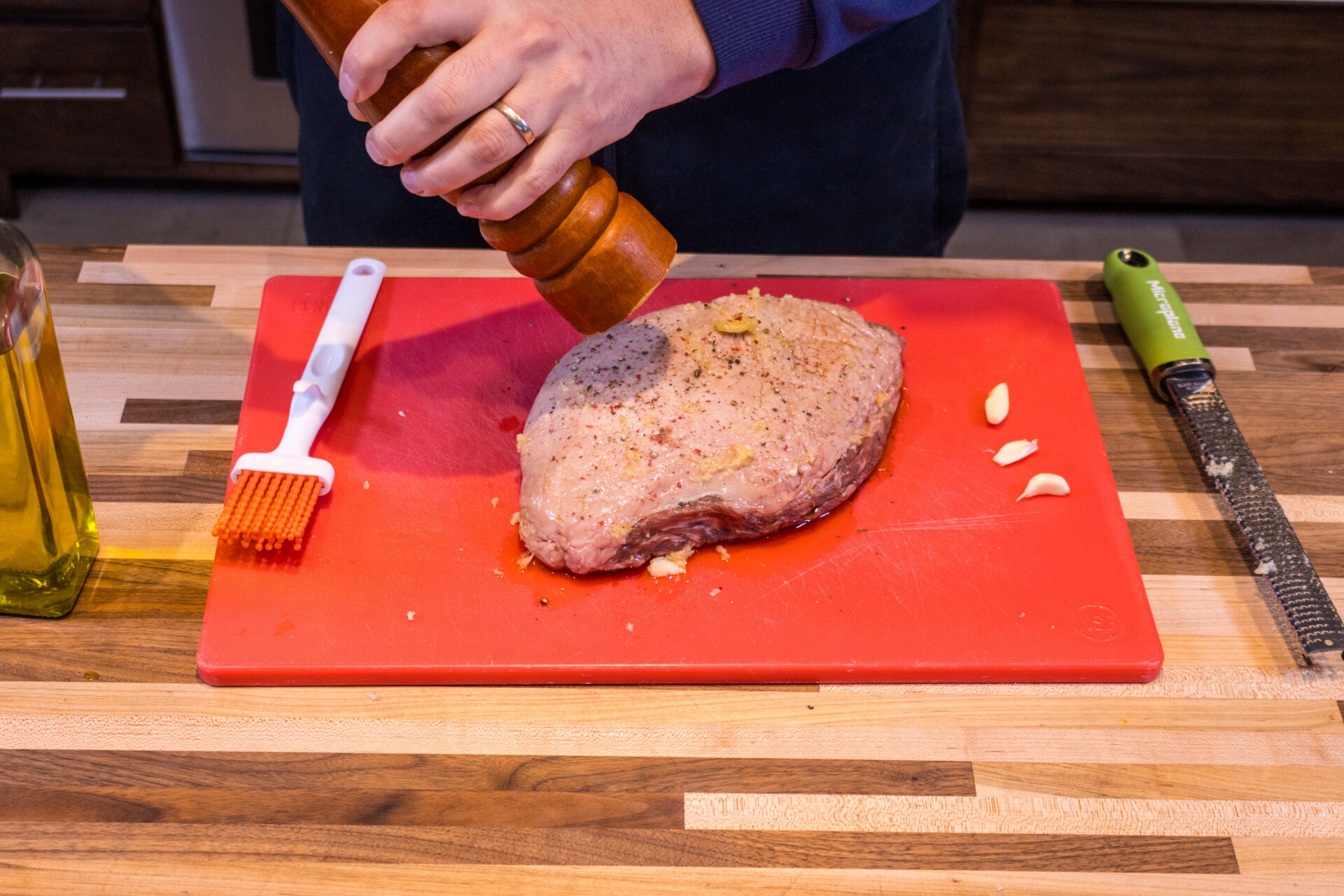
1.4.4.
Then turn and repeat on the other side of the beef picanha.
1.5.
Cover the meat on the cutting board with plastic wrap and let rest (marinating) at room temperature for at least 30 minutes, but no more than 1 hour.
Important:
This step is also really important to prevent getting a rubbery texture of meat and reach the perfect tender flavor.
2.Salt Crust Mixture:
2.1.
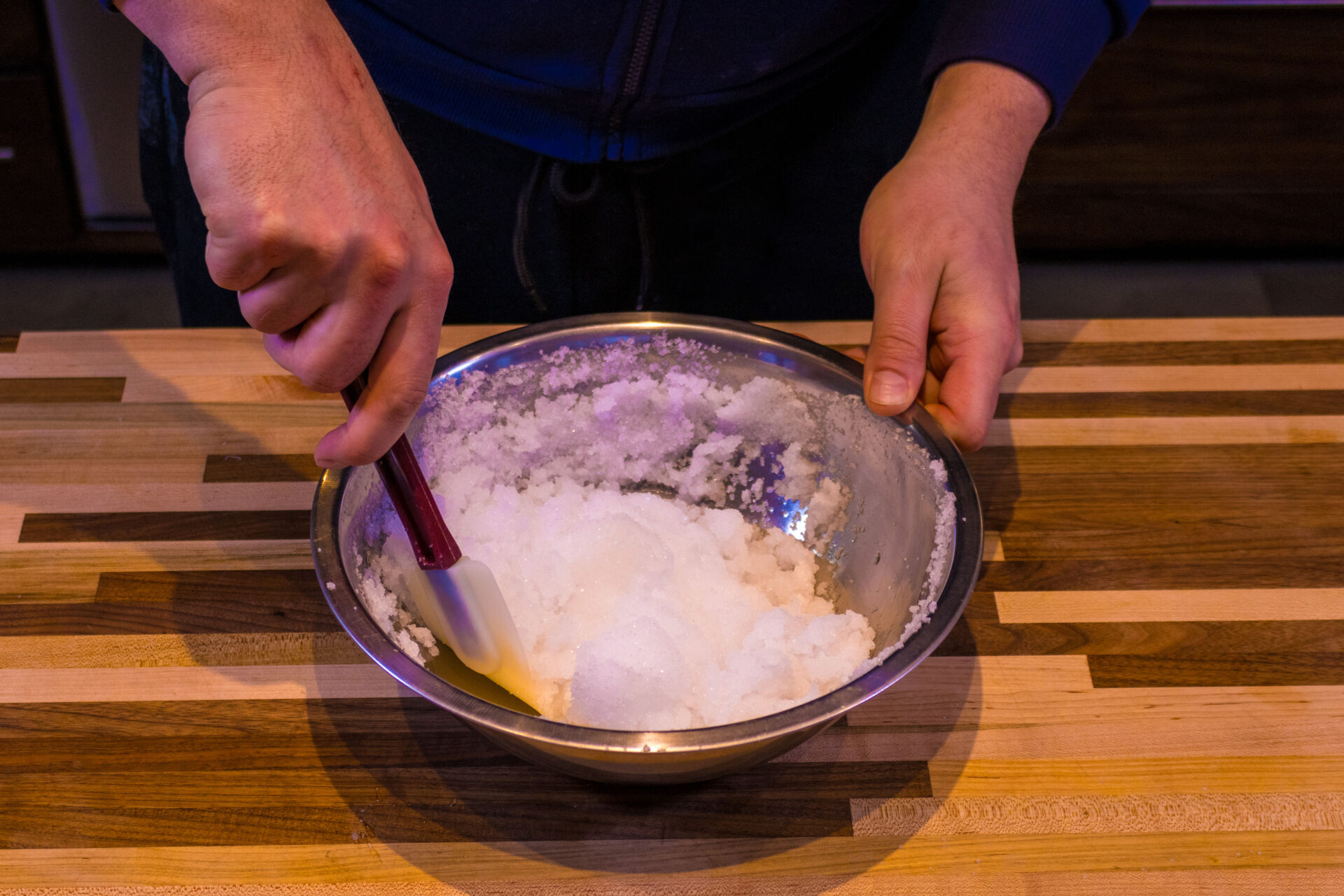
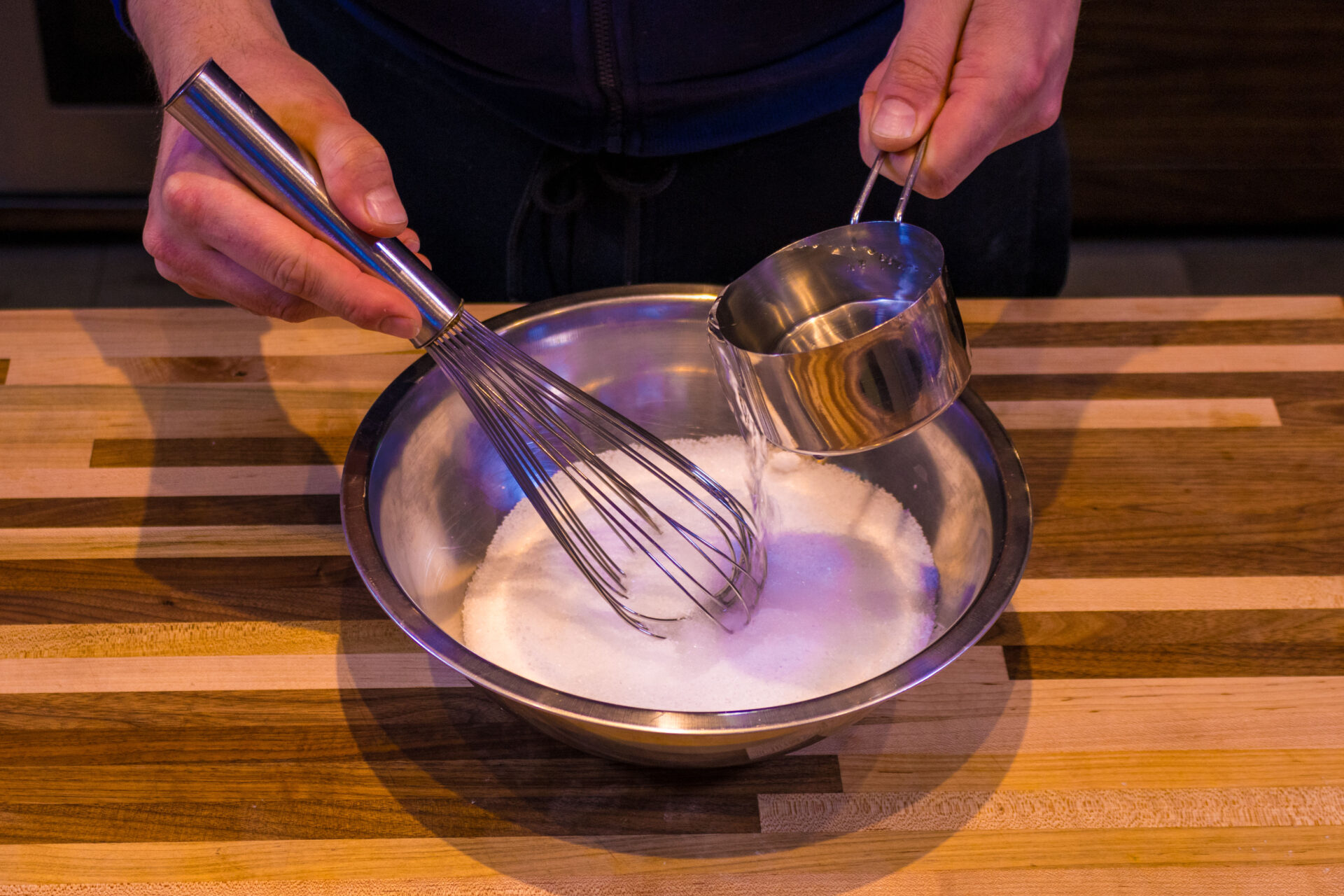
2.2.
Set aside for a later step.
3.Pan Sear:
3.1.
Preheat the frying pan on high heat with 2 TBSP of frying oil and place in:
Marinated picanha prepared in step 1 (fat-side down)
And sear until the fat gets nicely rendered (about 2 minutes).
3.2.
Then turn and sear shortly from all remaining sides, just enough to get a nice sear on the meat.
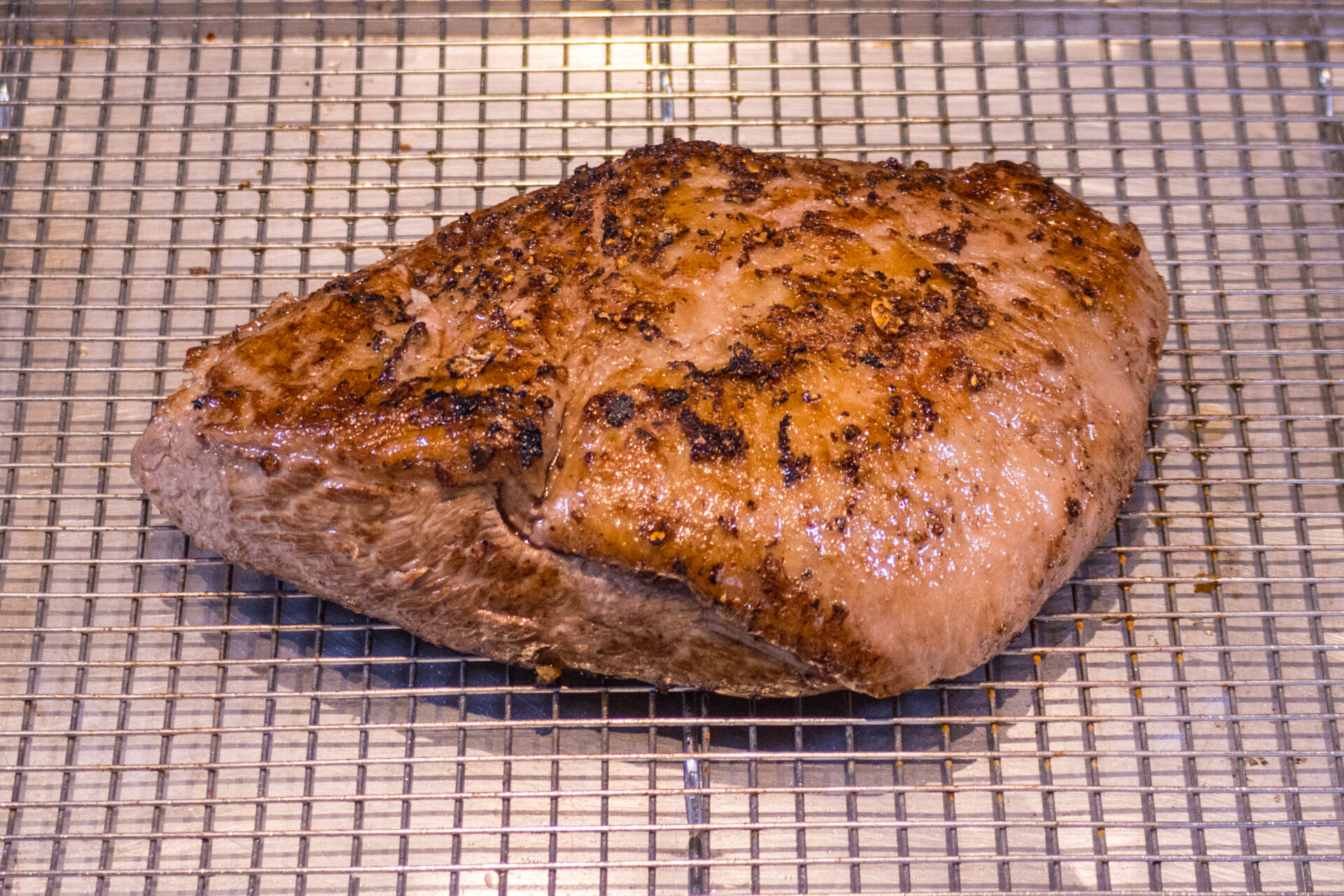
4.Set Oven to Preheat:
4.1.
Set oven to preheat at 350°F.
5.Assemble:
5.1.
First, stir again the salt crust mixture.
5.2.
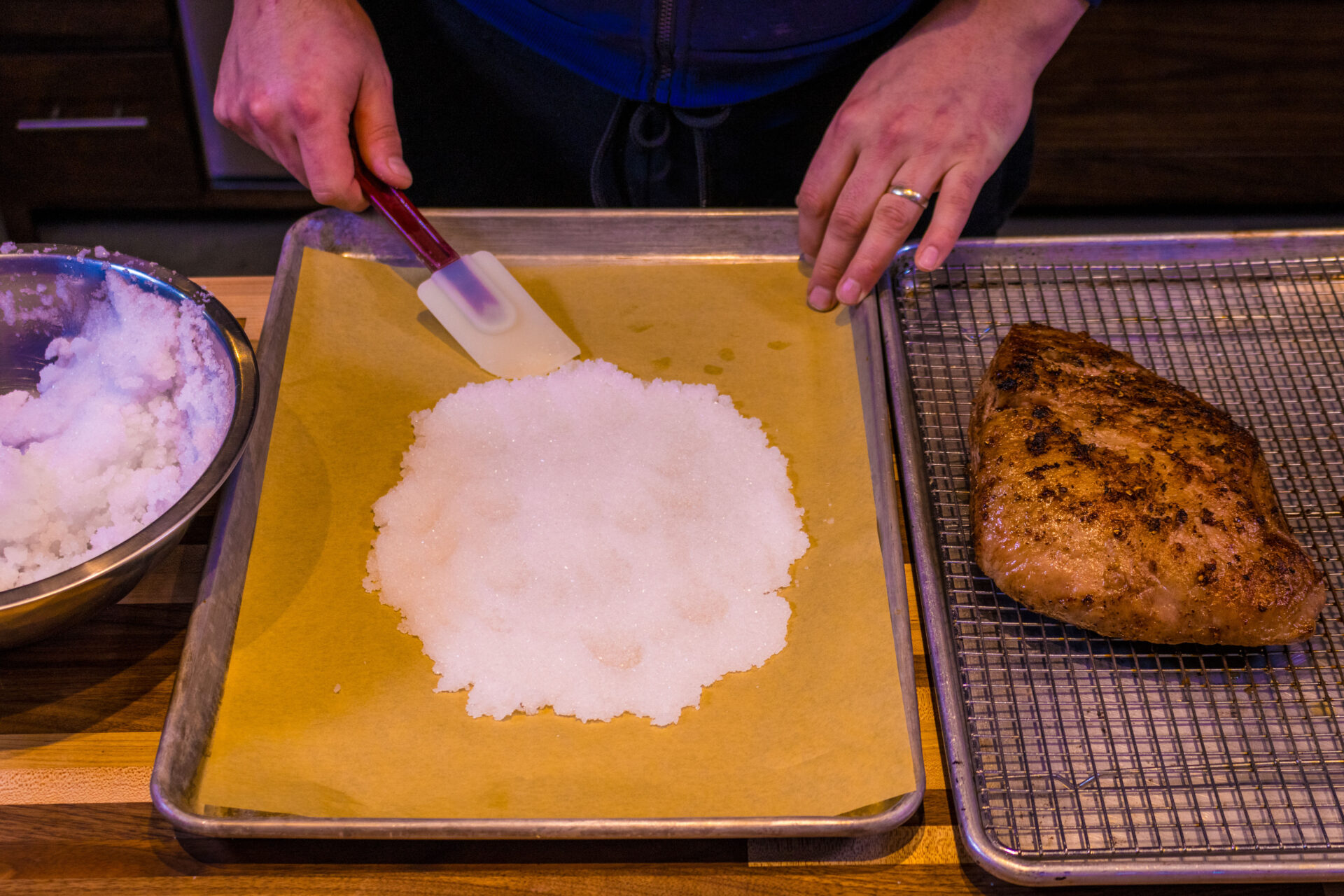
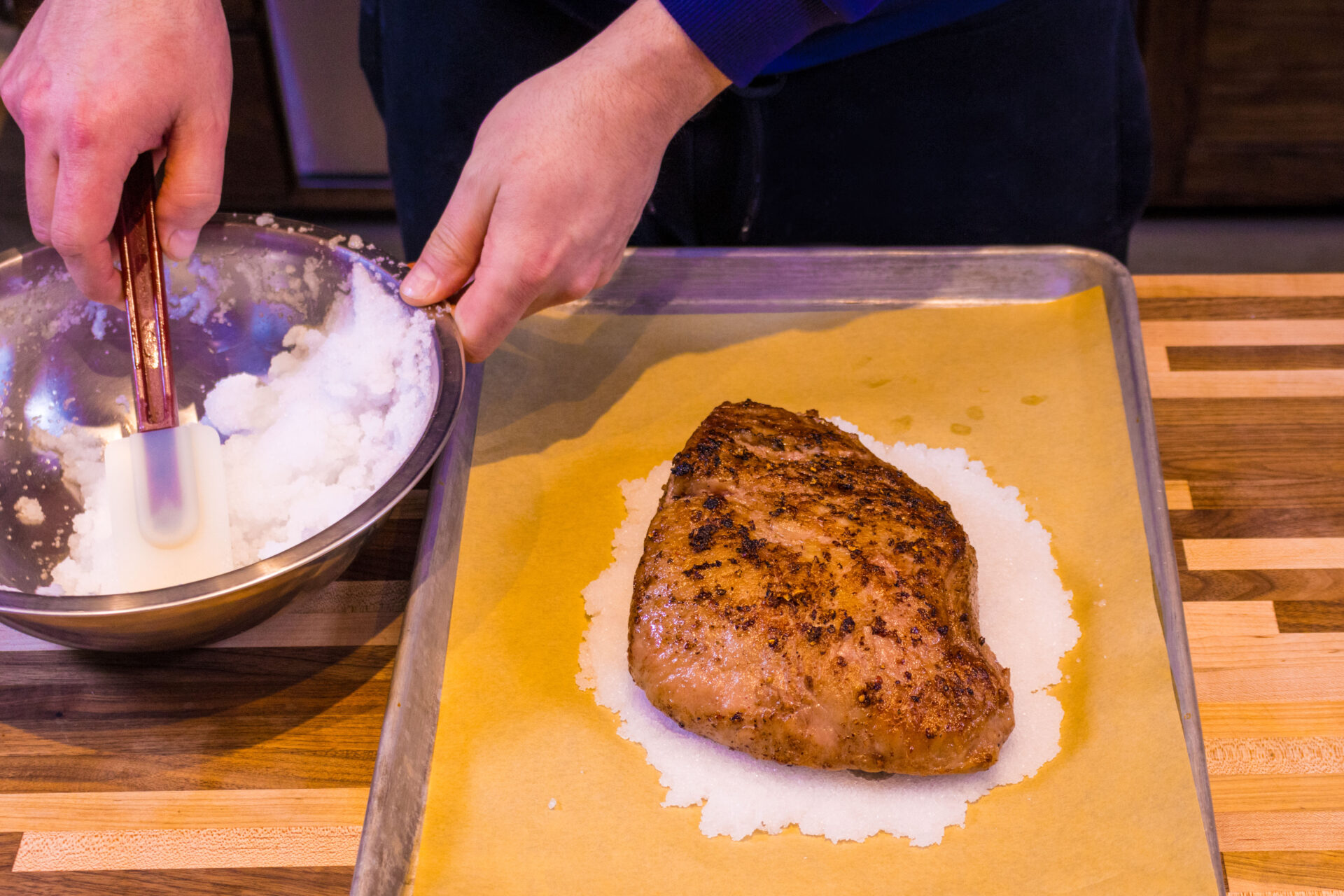
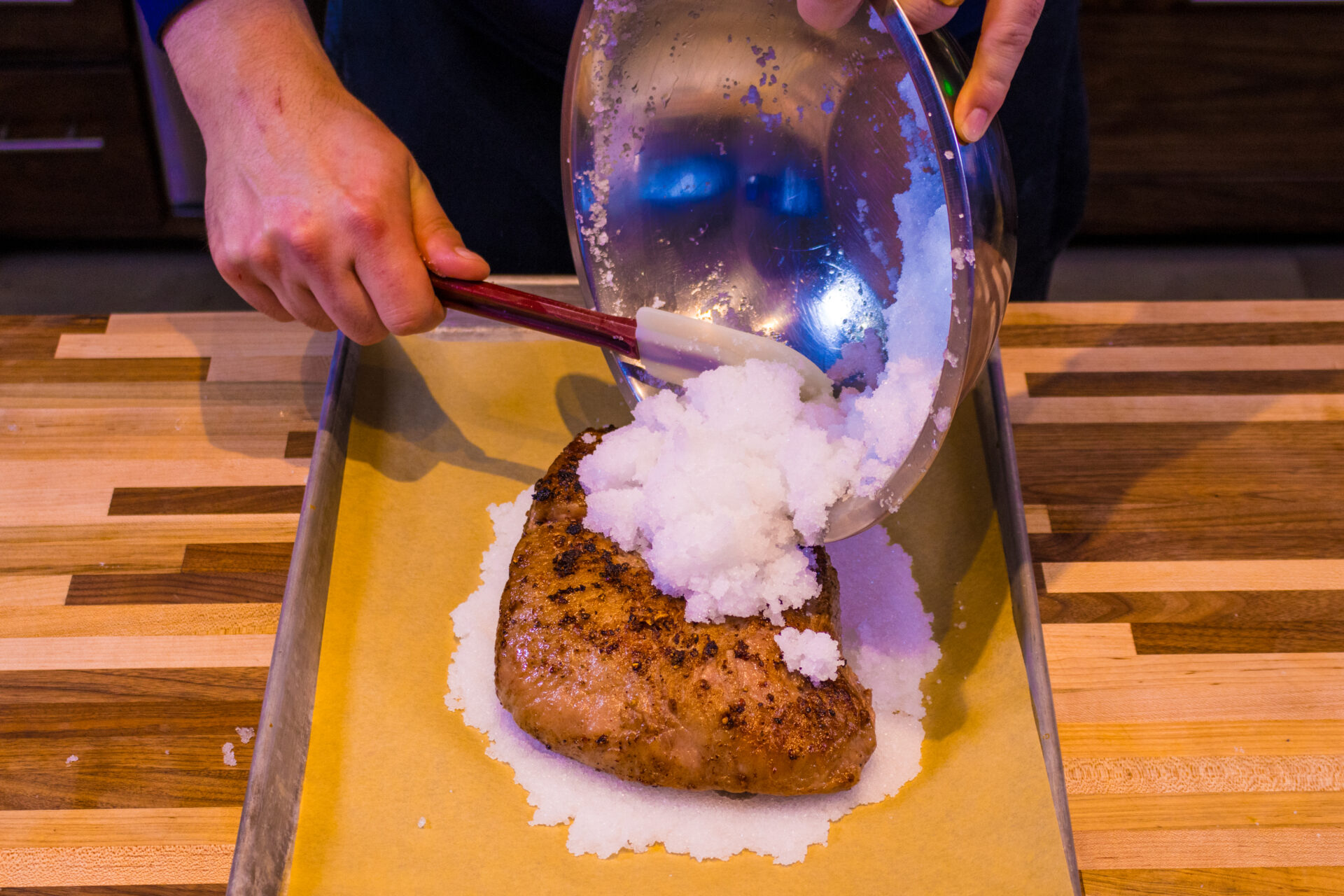
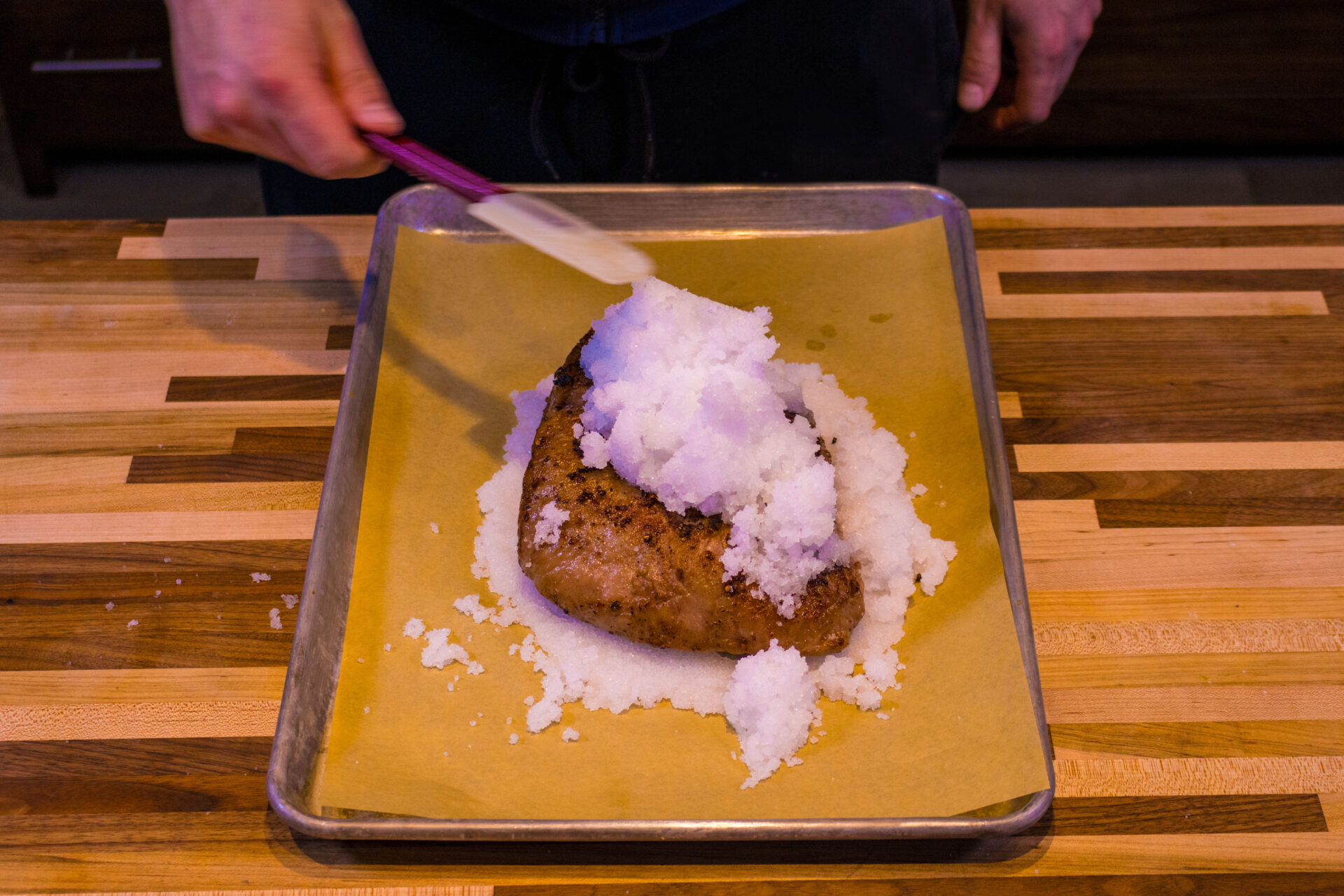
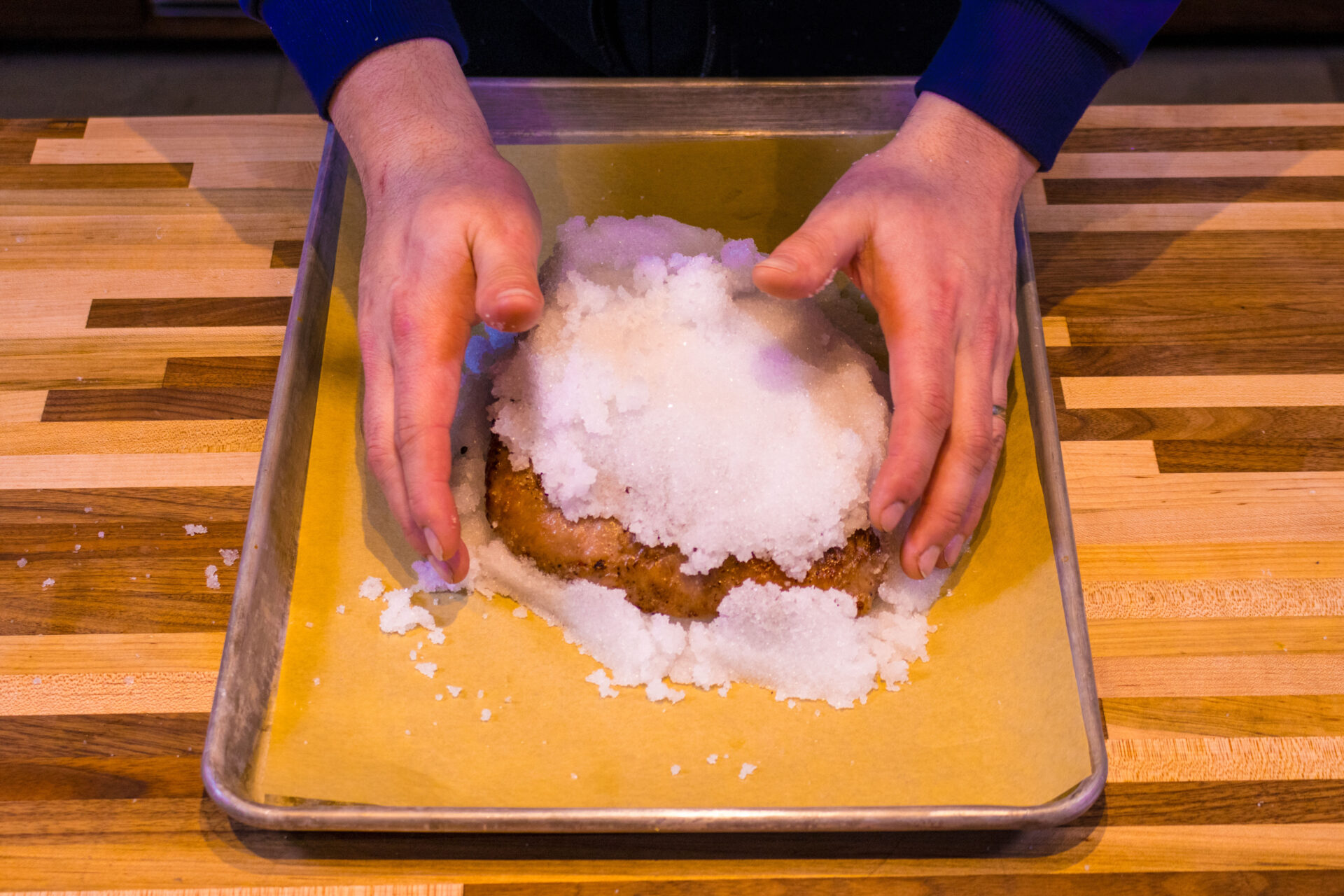
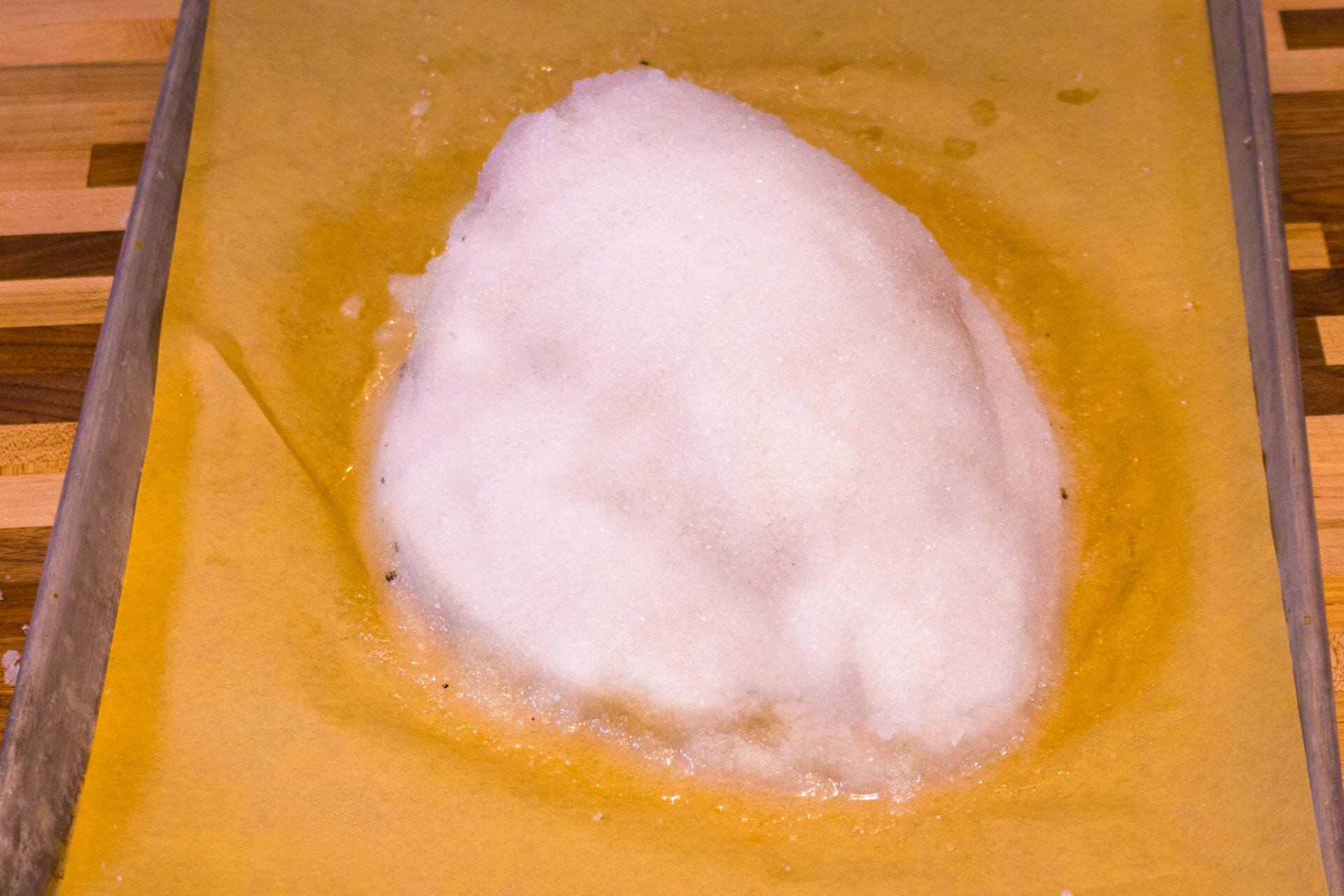
6.Roast Picanha in Salt Crust:
6.1.
Place in a preheated oven and roast until you reach your desired internal temperature. *
Tip:
I usually try to target medium rare, which is a temperature anywhere between 130 – 135°F. To prepare about 2.5 LB picanha in a salt crust to this temperature usually takes about 40 – 50 minutes.
Important:
Keep in mind that the meat will have some carryover temperature – after cooking is terminated, you should expect an increase in internal temperature of about 3 – 5 °F.
7.Finishing of Picanha in Salt Crust:
7.1.
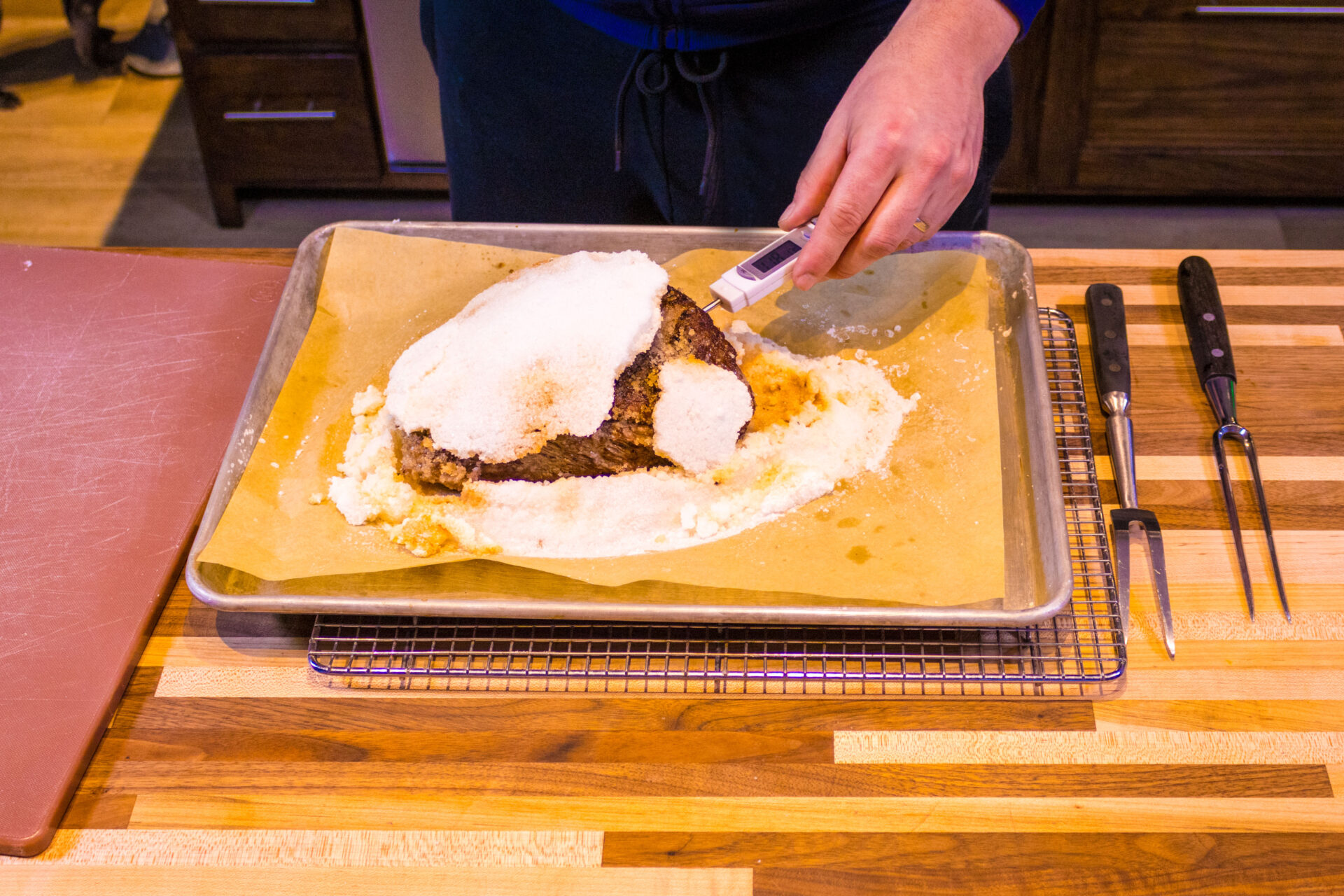
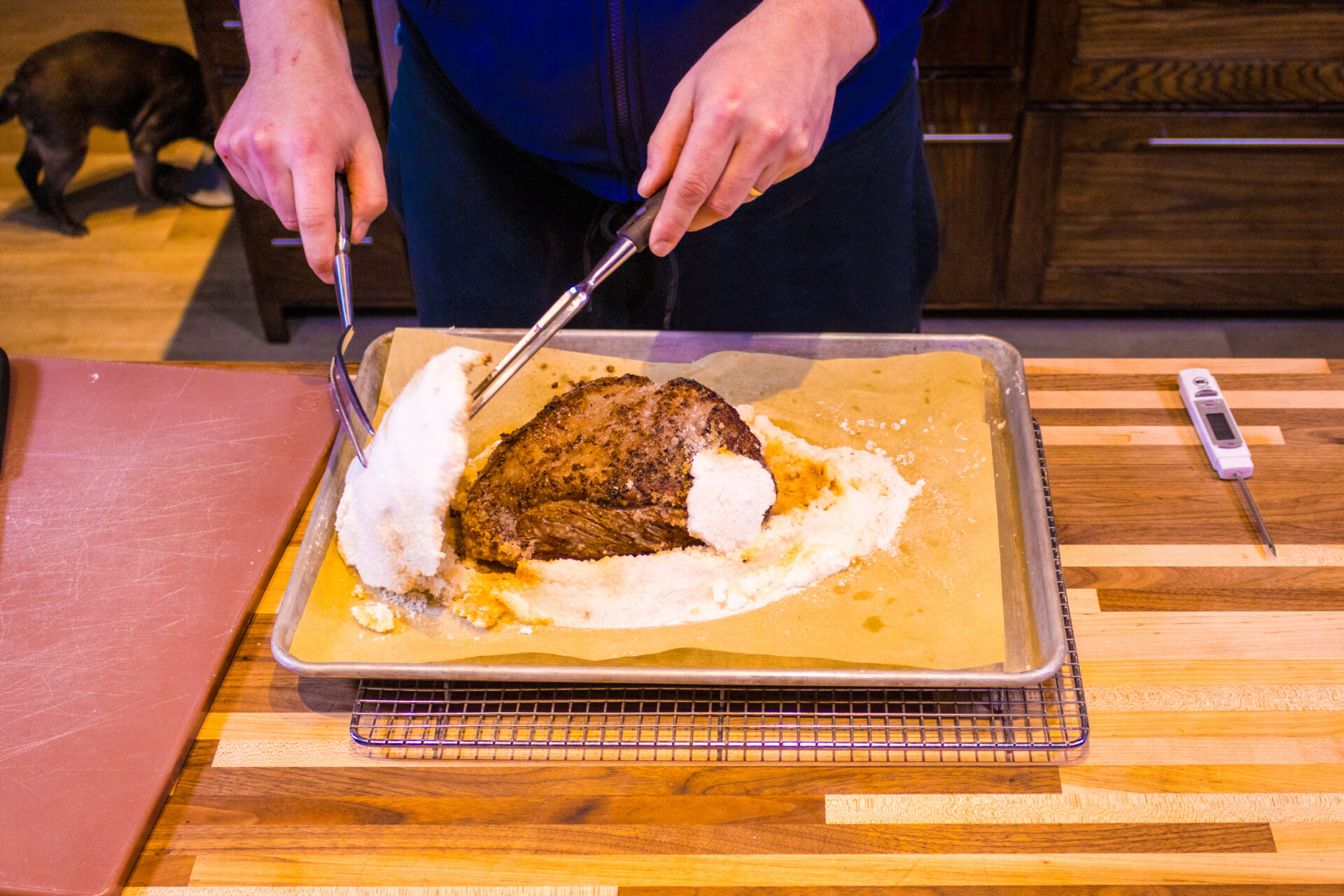
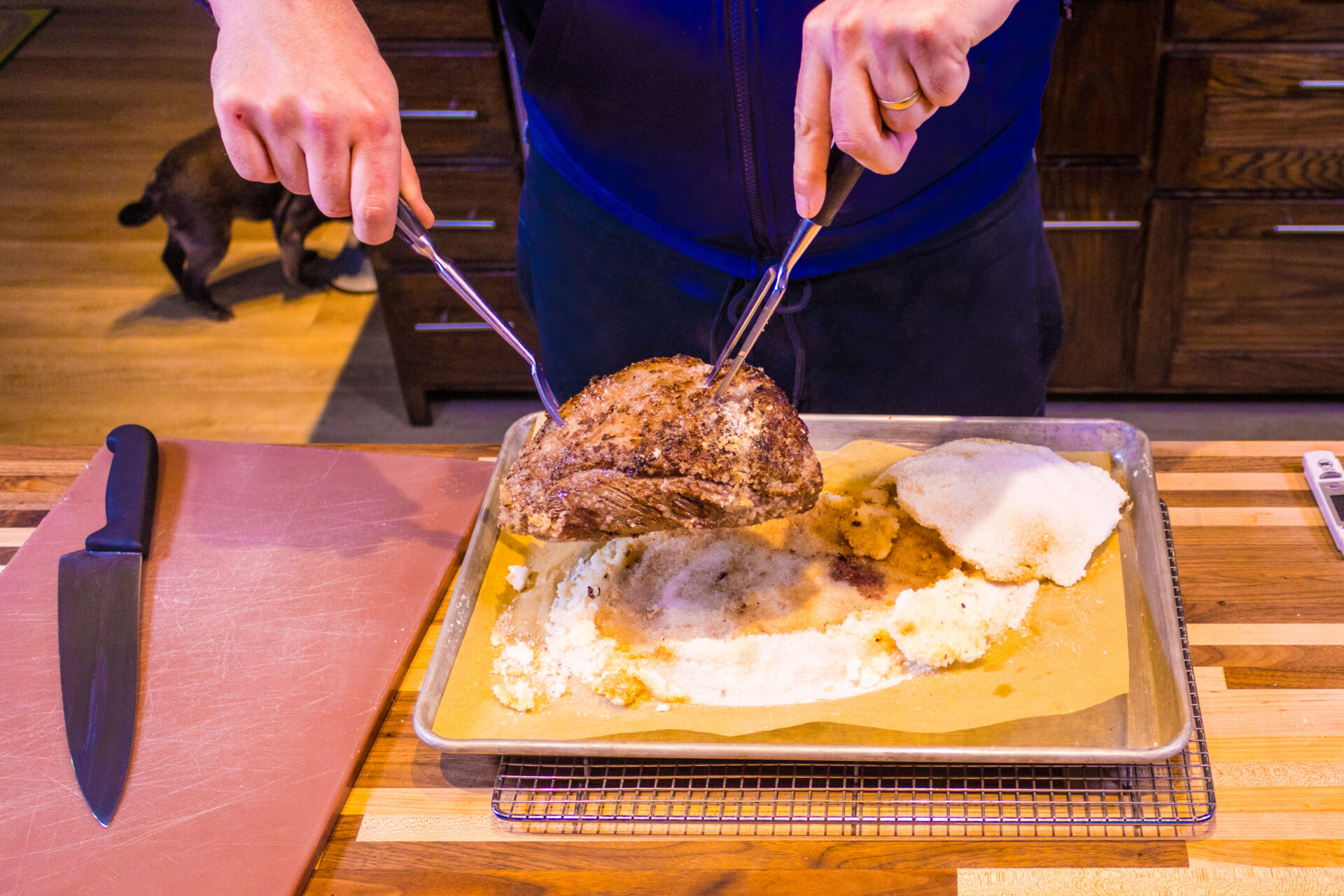
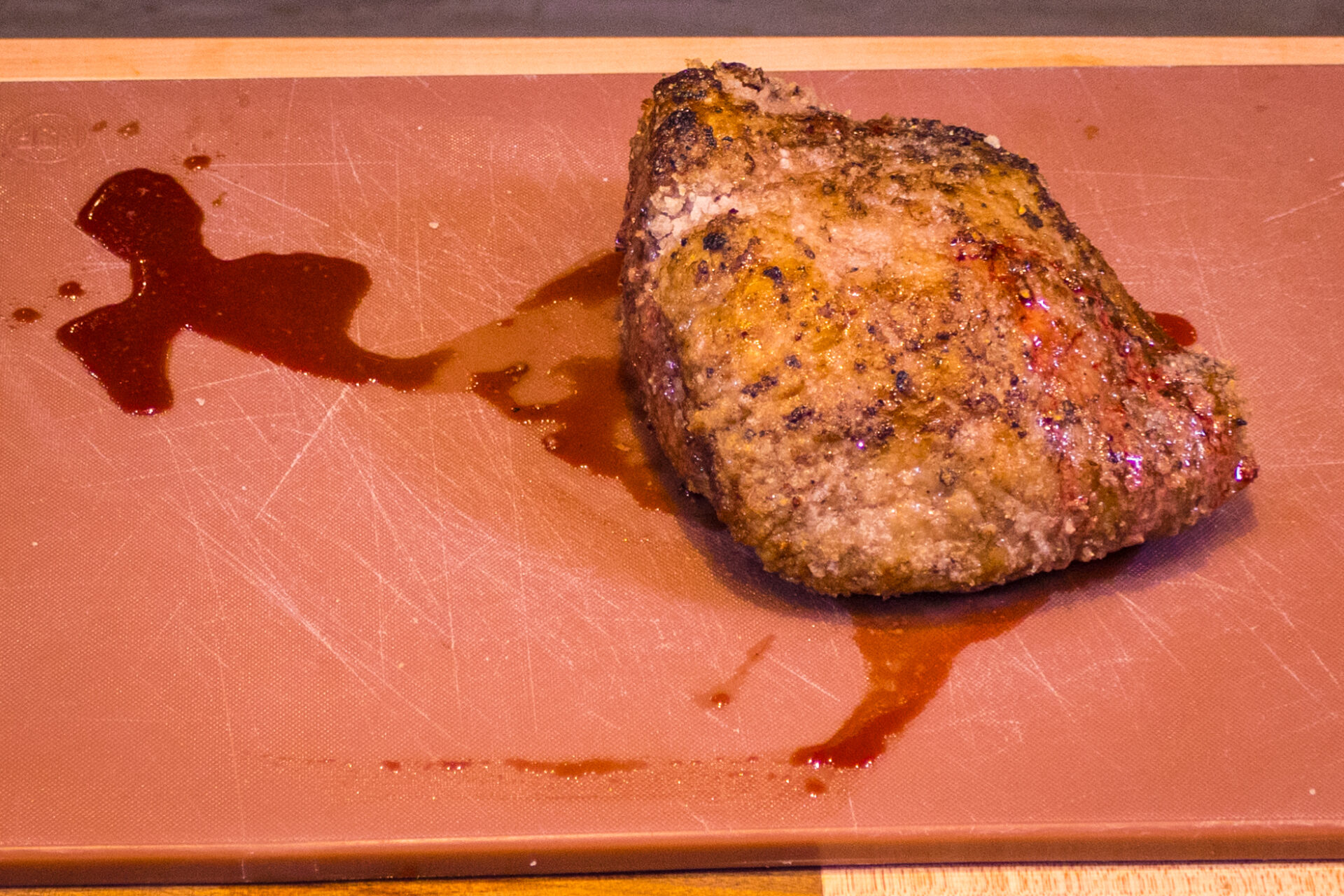
7.2.
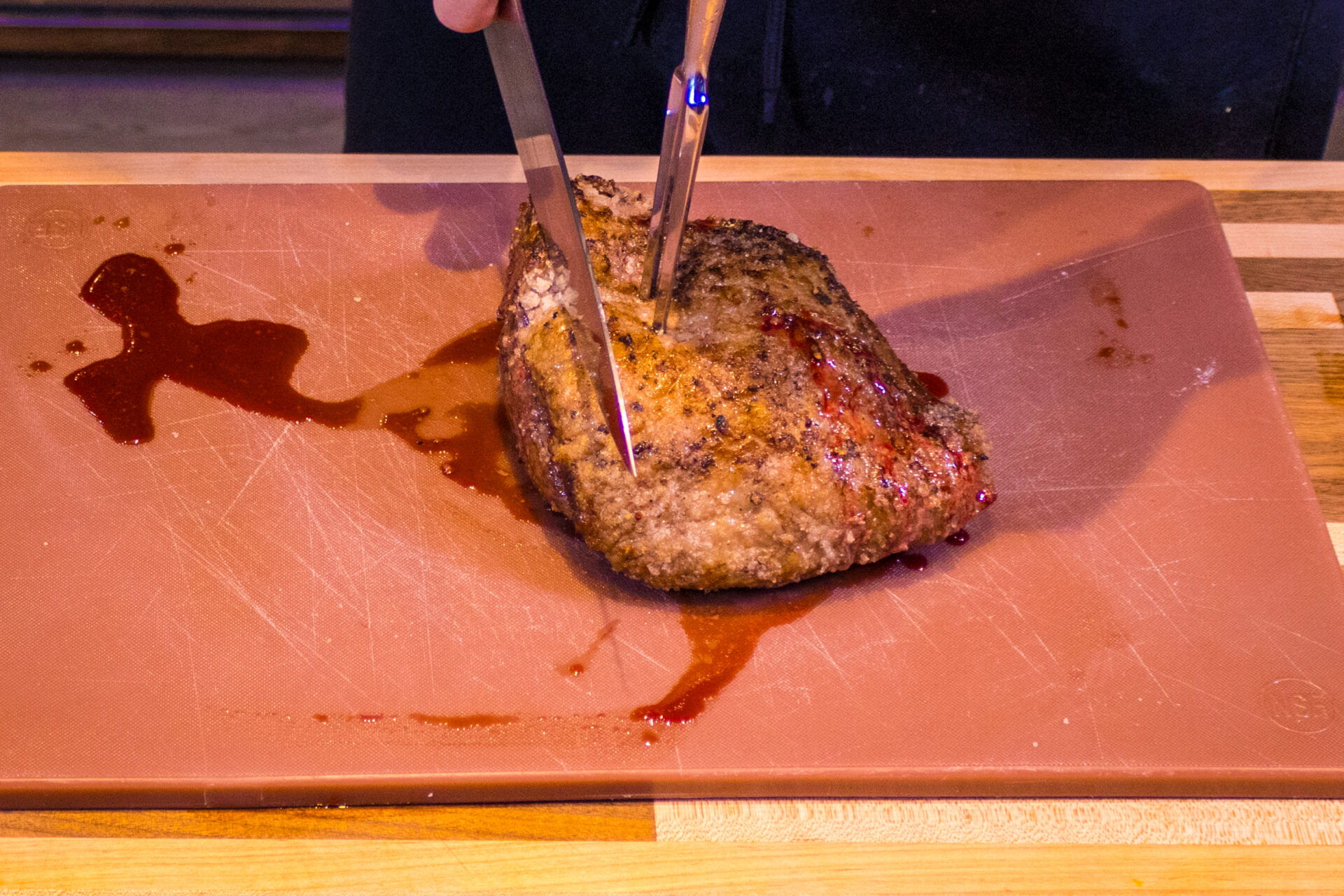
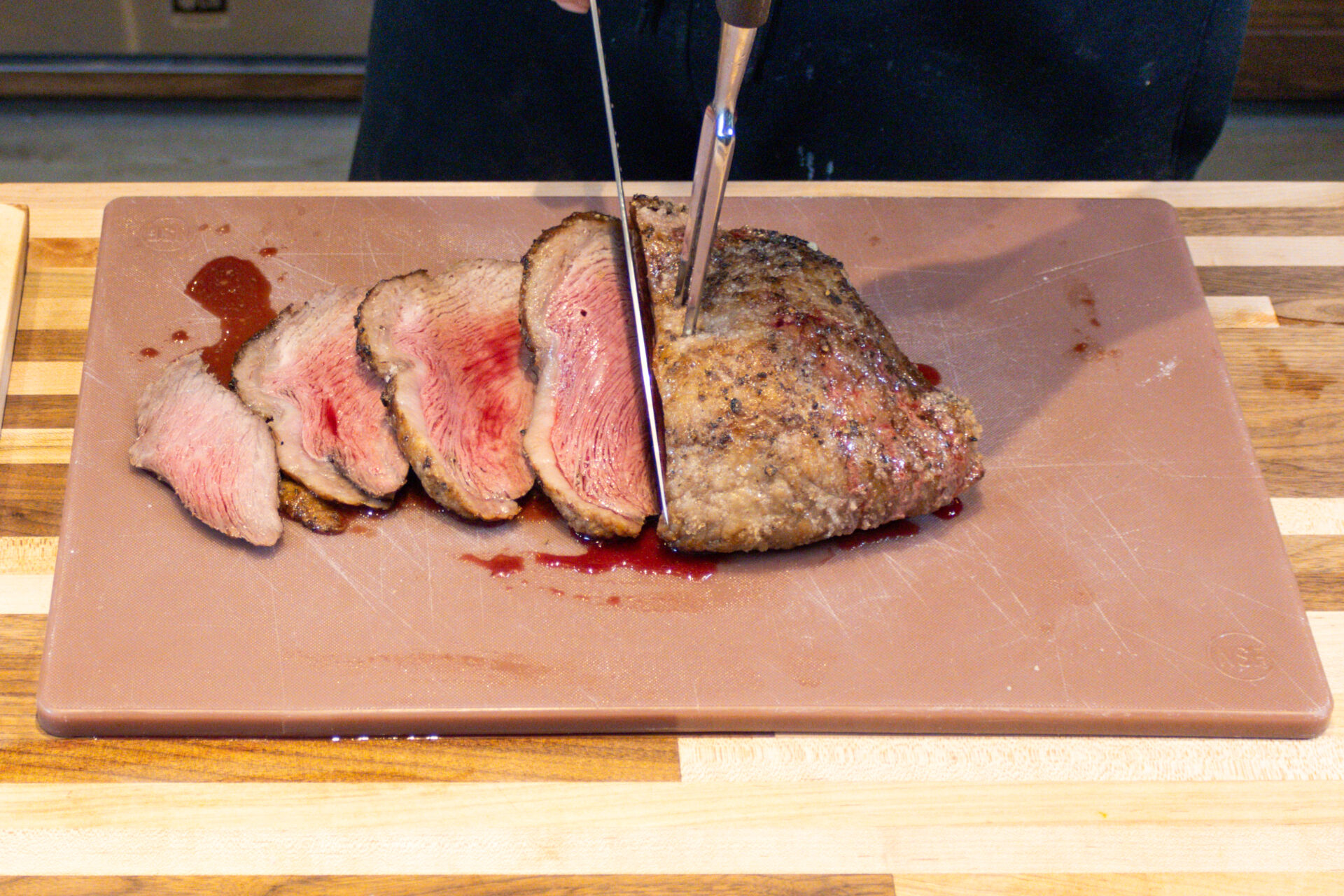
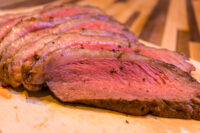
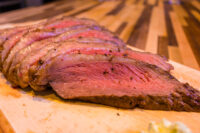
Let the meat rest on the cutting board for about 2 – 5 minutes before serving.
Note:
Picanha will use this time to release blood and lock the juices in.
Kitchen Guide
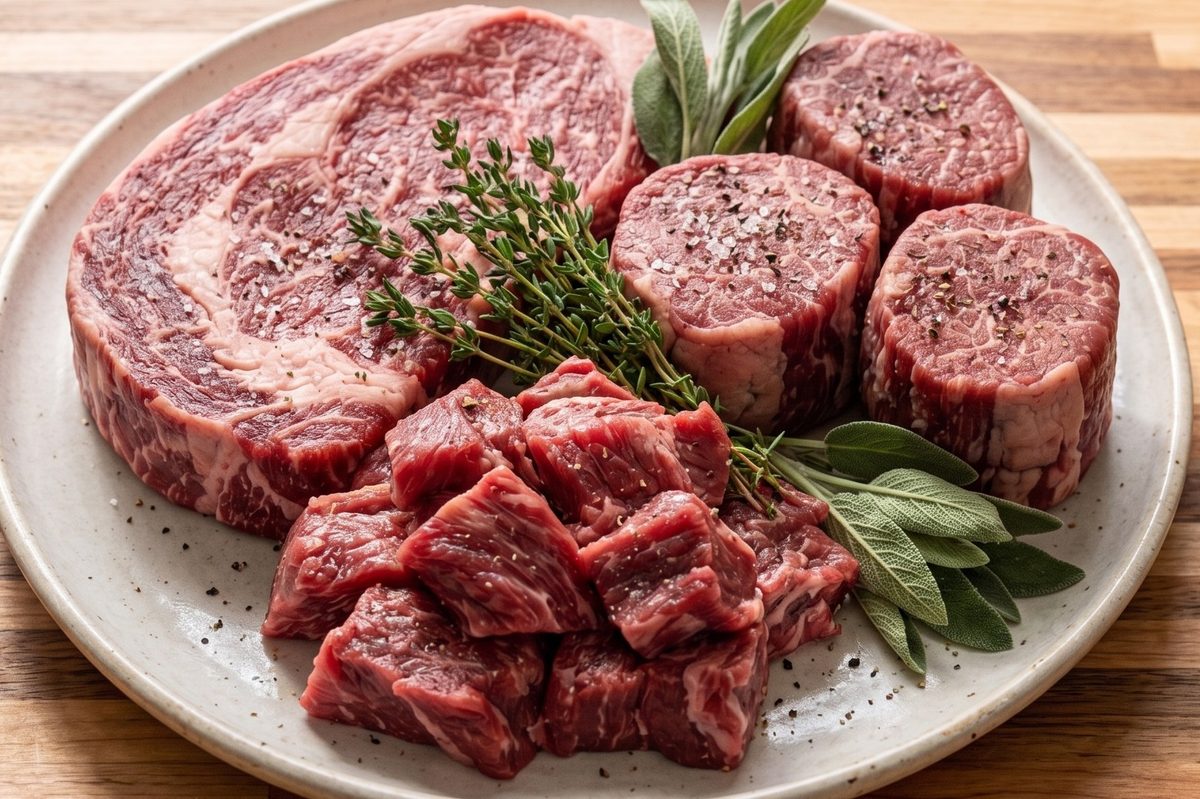
Beef, Lamb, Venison (steaks, chops, roast)
The USDA minimum safe internal temperature is 145°F.
Popular serving temperatures:
- 110 – 120°F – Blue
- 120 – 130°F – Rare
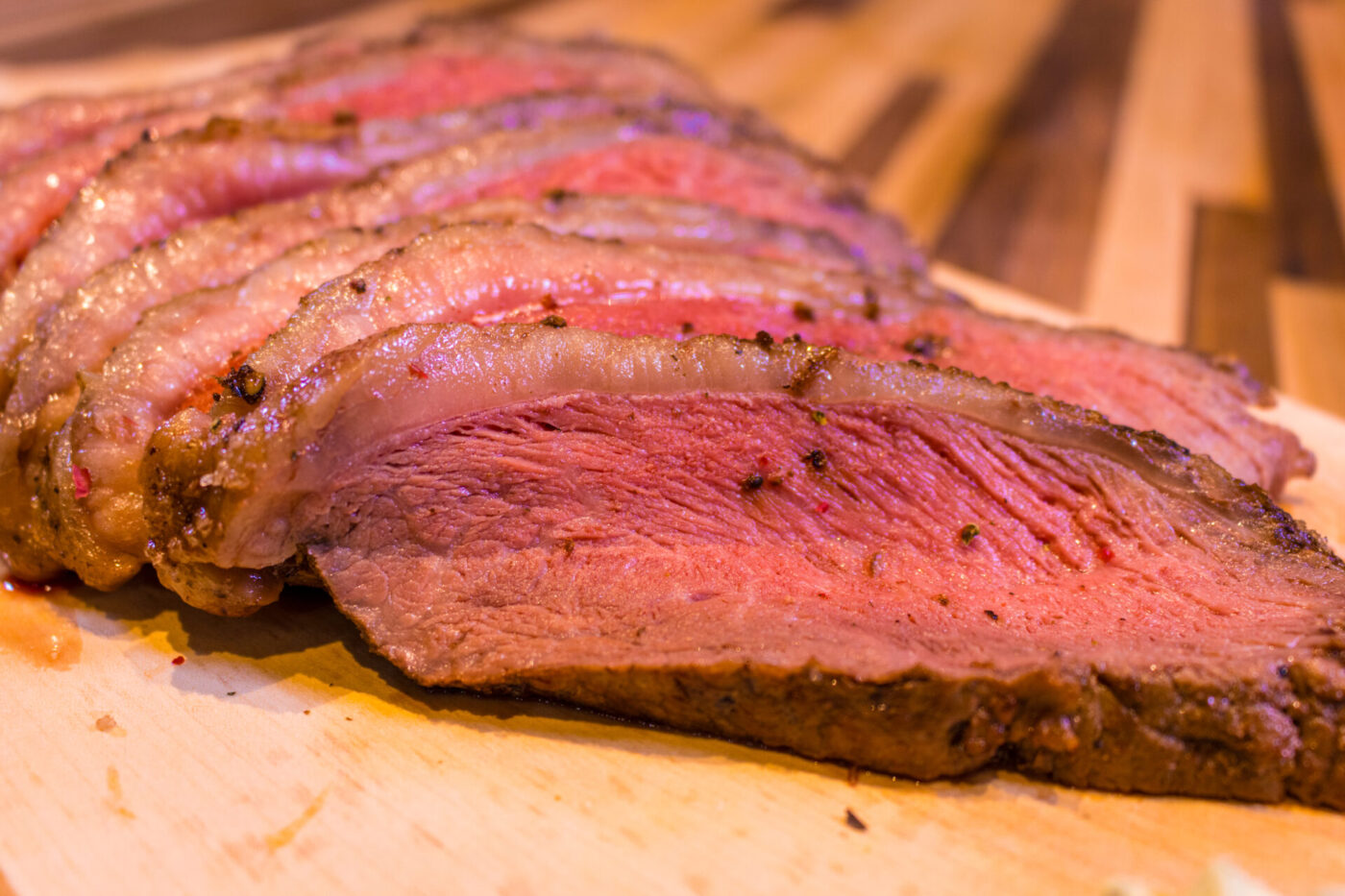
- 130 – 135°F – Medium Rare (most popular, especially by chefs)
- 135 – 145°F – Medium
- 145 – 155°F – Medium Well
- 155°F and more – Well Done
Popular questions
Why don't you add salt directly to the meat before searing in this Beef Picanha in Salt Crust recipe?
In this Beef Picanha in Salt Crust recipe, I explicitly do not use salt during the initial seasoning phase because the Beef Picanha will be roasted inside a thick shell of coarse kosher salt. The meat absorbs the necessary salinity from the salt crust as it cooks. If I were to salt the meat beforehand and then encase it in salt, the final result would likely be far too salty. Instead, I rely on Extra Virgin Olive Oil, grated garlic, and pepper to flavor the top sirloin cap roast before it is encased.
Share
Click on the icons below to share "Title of the item to share"